
Creating an Automated Tailoring Machine
Step-by-step guide for integrating robotics, computer vision, and CNC technology
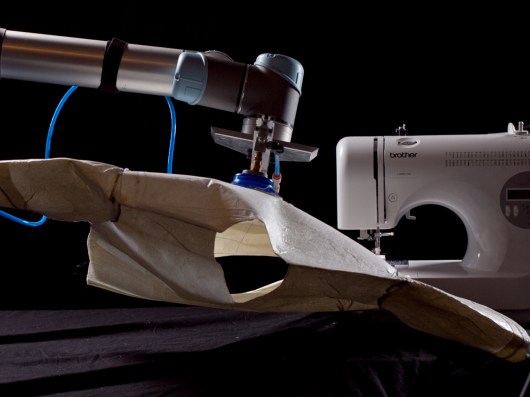
Key Highlights
- Multi-technology Integration: Combining robotics, computer vision, and CNC for precise fabric handling and sewing.
- Systematic Development: Step-by-step process from design and prototyping to control systems and software integration.
- Industrial and Custom Solutions: Balancing between mass production and customizable garment production.
Overview of Automated Tailoring Machines
The idea behind creating an automated tailoring machine centers on upgrading traditional garment production methods by integrating state-of-the-art technologies. These machines aim at enhancing efficiency, consistency, and quality in textile manufacturing by automating tasks that typically require human intervention. Advanced systems now use robotics, computer vision, and CNC technology to handle fabric manipulation, cutting, and sewing with a greater degree of precision. In practice, the machine must accurately process various fabrics and adapt to diverse garment patterns while lowering production costs and reducing waste.
Conceptual Framework and Components
Robotic Manipulation and Fabric Handling
Robotic arms and grippers play a pivotal role in the design of automated tailoring machines. By using robotics, the machine can:
- Manipulate Flexible Materials: Handle and adjust fabrics precisely by integrating sensors and computer vision systems.
- Temporary Fabric Stiffening: Technologies have been developed (such as those used by Sewbo) to temporarily stiffen the fabric, increasing ease of manipulation during sewing and cutting.
Implementation Strategies
The process typically begins with identifying potential areas for robotic intervention such as fabric sorting, alignment, and feeding into the sewing mechanism. By ensuring proper positioning and tension, the system minimizes errors during bit-by-bit operations. Additionally, the use of precision sensors helps maintain fabric registry and quality control.
Computer Vision Systems
Computer vision systems are integrated to recognize fabric patterns, defects, and distortions in real-time. This capacity for visual inspection allows automated machines to adapt their operations dynamically:
- Pattern Recognition: Cameras combined with machine learning algorithms read and interpret fabric designs, enabling automated adjustments to the stitching process.
- Quality Control: Real-time feedback from vision sensors helps adjust the fabric tension and sewing parameters, ensuring consistent quality.
Technical Considerations
For effective computer vision deployment, you must develop algorithms that translate visual input into actionable commands. This may involve training the system using a large dataset of fabric images and garment designs. Integration of such systems with robotic control units ensures that the machine can correct distortions as they occur, leading to precise garment construction.
CNC Technology for Sewing and Cutting
CNC (Computer Numerical Control) technology equips tailoring machines with the precision of automated cutting and sewing processes. In automated tailoring, CNC mechanisms are often used to:
- Optimize Cutting Patterns: Cut large pieces of fabric with reduced waste through digitally controlled cutting paths tailored to the garment design.
- Control Sewing Movements: Guide sewing machines to replicate complex stitch patterns with consistent tension and speed.
Integration with Robotics
Pairing CNC systems with robotic arms allows for synchronized cutting and sewing, ensuring that the fabric cuts line up readily with the stitching process. This level of precision is achieved through digital design patterns and real-time feedback from the integrated vision systems.
Software Development and Control Systems
At the heart of an automated tailoring machine is its software – the command center that coordinates all hardware components. This includes:
- Design Translation: Software applications convert digital garment designs into machine-readable instructions. These could involve converting vector graphics into stitch patterns or cutting trajectories.
- Control Systems: Microcontrollers, such as Raspberry Pi or Arduino platforms, manage sensor outputs, motor controls, and the integration of robotic movements.
- Algorithmic Precision: Programming languages like Python or C++ facilitate the development of real-time control algorithms that ensure the operations are consistent and reliable.
Development Process
Begin by creating detailed design specifications using CAD (Computer-Aided Design) tools which allow for visualization of the machine layout and integration points. Once the designs are cemented, you can move on to programming the motion-control systems for the mechanical components. A test phase is essential where you validate the integrated system. For example, by running the machine on various fabric samples and garment designs, you identify areas for improvement and tweak both software and hardware components.
Step-by-Step Guide to Creating an Automated Tailoring Machine
| Step | Description | Key Components/Techniques |
|---|---|---|
| 1. Define the Scope | Determine which processes (cutting, sewing, pressing) will be automated, and identify the types of fabrics and garment styles to support. | Process Analysis, Design Requirements |
| 2. Research Existing Technologies | Study current systems such as Sewbots, SoftWear Automation’s machines, and analyze the integration of robotic arms, computer vision, and CNC technology. | Market Research, Technology Reviews |
| 3. Develop a Prototype | Design a digital blueprint using CAD and assemble a prototype integrating robotic components, sensors, and sewing or cutting mechanisms. | CAD Software, Robotic Arms, CNC Systems |
| 4. Select Components & Materials | Choose motors, sensors, actuators, and durable materials that can sustain repetitive operations. | Precision Motors, Quality Sensors, Durable Hardware |
| 5. Implement Automated Cutting System | Utilize CNC cutting technologies to optimize fabric pieces and reduce waste by accurately following cutting paths. | CNC Cutting Machines, Pattern Optimization Software |
| 6. Integrate Automated Sewing System | Install CNC sewing machines or programmable embroidery systems supported by robotic arms for fabric handling. | Sewing Machines, Robotic Arms, Computer-Controlled Sewing |
| 7. Incorporate Computer Vision | Develop or integrate systems capable of recognizing fabric distortions, pattern positions, and ensuring quality stitching. | Cameras, Machine Learning Algorithms, Real-time Sensors |
| 8. Develop Control and Integration Software | Create software to read design files, manage machine operations, and integrate all hardware components seamlessly. | Python/C++ Programming, Microcontrollers, Integrated Control Systems |
| 9. Testing & Iteration | Rigorously test the prototype, gather performance data, and refine the system for accuracy, efficiency, and reliability. | Performance Testing, Feedback Loops, Iterative Design |
| 10. Scale-Up & Production | Transition from prototype to mass production by partnering with specialized manufacturers and incorporating feedback from pilot tests. | Industrial Partnerships, Mass Production Strategies |
Practical Implementation: Software and Code Integration
Example: Motor Control for Fabric Movement
A simple motor control example can be implemented using Python with a microcontroller such as Raspberry Pi. The following code snippet demonstrates how to control a motor to manage fabric movement:
# Set up and control a motor using GPIO on Raspberry Pi
import RPi.GPIO as GPIO
import time

# Set up GPIO mode
GPIO.setmode(GPIO.BCM)
motor_pin = 17  # Define motor pin
GPIO.setup(motor_pin, GPIO.OUT)

def turn_motor_on():
    GPIO.output(motor_pin, GPIO.HIGH)

def turn_motor_off():
    GPIO.output(motor_pin, GPIO.LOW)

turn_motor_on()  # Start motor
time.sleep(5)    # Run for 5 seconds
turn_motor_off() # Stop motor

GPIO.cleanup()   # Reset all GPIO pins
This example illustrates the basics. In a full-scale system, you would integrate similar control mechanisms for all components of the tailoring machine.
Challenges and Considerations in Developing Automated Tailoring Machines
Precision and Flexibility
One of the principal challenges is managing the flexibility of textiles. Automated systems must balance firmness for precision with the natural pliability of fabrics. Techniques like temporary fabric stiffening help robots manage delicate materials effectively.
Financial Investment and Industrial Scale
The development of automated tailoring machines demands substantial capital investment. Although initial costs may be high, the benefits of reduced labor and increased efficiency can justify the expense over time. It is important to plan meticulously for both prototyping and industrial scale-up to ensure a return on investment.
Customization vs. Mass Production
While automation increases production speed and precision, it may restrict the level of customization possible on individual garments. Balancing the need for bespoke tailoring with the efficiency of automated processes is a key design consideration when developing these systems.
Keeping Up with Technological Advances
Advances in robotics, machine vision, and control algorithms continue at a rapid pace. Successful implementation requires staying abreast of emerging technologies and adapting systems to leverage new capabilities. This may involve regular updates to both hardware and software frameworks.
Integration Strategies and Future Opportunities
Integrating Existing Technologies
Instead of starting completely from scratch, leveraging existing technologies from companies like SoftWear Automation, Sewbo, and others can provide a blueprint upon which you can build. Collaboration and integration with established systems can reduce development time and minimize risk.
Opportunities for Innovation
As trends in on-demand manufacturing and sustainability push the fashion industry forward, automated tailoring machines offer unique opportunities to reduce waste, promote sustainable practices, and cater to custom garment production demands. Innovations in fabric handling, rapid prototyping using 3D printing for parts, and artificial intelligence for adaptive process control will shape the next generation of these machines.
References
- The Sewbot, a Fully Automated Sewing Machine is Cool & Its Also Bad News for Garment Workers - Core77
- Innovative Automated Tailoring Machines - LongSew
- Automated Cutting & Sewing Developments - Textile World
- SoftWear Automation: Home - SoftWear Automation
- FASTSEWN CNC Sewing System – Next Generation in Sewing - FASTSEWN
Recommended Queries
Last updated March 9, 2025