
Integrating the Swiss Safety Center Autosonic Standard into DOT Gas Cylinder Testing
Enhancing Safety and Efficiency in Gas Cylinder Assessments with Advanced Ultrasonic Technology
Key Takeaways
- Advanced Ultrasonic Technology: The Autosonic Standard utilizes state-of-the-art ultrasonic methods to ensure the integrity and safety of gas cylinders efficiently.
- Regulatory Compliance: The system is designed to meet and exceed DOT regulations, facilitating seamless integration into existing testing frameworks.
- Operational Efficiency: With high testing capacity and automation features, the Autosonic Standard enhances productivity while reducing operational costs.
Overview of the Autosonic Standard
Advanced Ultrasonic Testing Technology
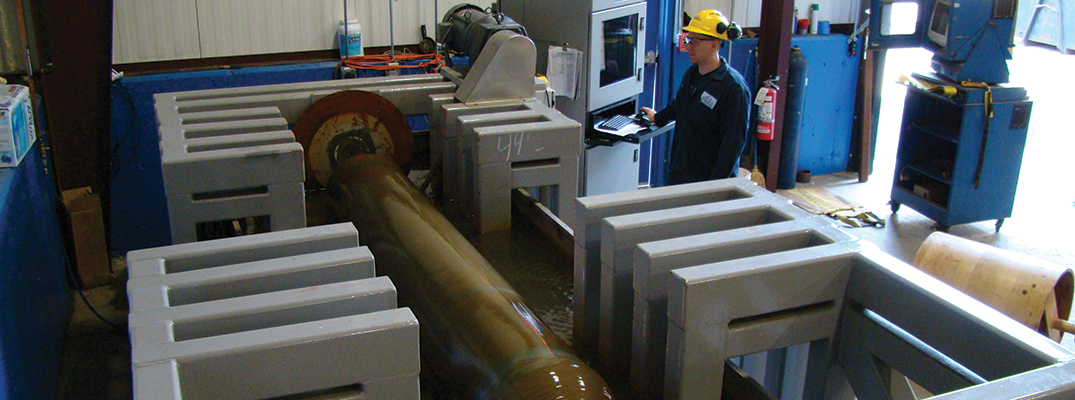
The Swiss Safety Center's Autosonic™ Standard represents a significant advancement in non-destructive testing (NDT) methodologies for gas cylinders. Employing ultrasonic pulses, the Autosonic Standard meticulously assesses the structural integrity of seamless gas cylinders without compromising their usability. This technology detects flaws, corrosion, and imperfections within the cylinder walls, ensuring that each unit meets stringent safety standards.
Testing Capabilities and Specifications
The Autosonic Standard is engineered to accommodate a wide range of gas cylinder dimensions and types, making it a versatile tool for various industrial applications. Key specifications include:
Cylinder Dimensions
The system can handle cylinders with diameters ranging from 50mm to 267mm and lengths between 100mm and 2000mm. This flexibility allows the Autosonic Standard to be utilized across different sectors requiring gas cylinder testing.
Testing Capacity
With the ability to test up to 60 cylinders per hour, the Autosonic Standard significantly enhances productivity. Its design supports continuous operation through the use of loading and unloading buffers, minimizing downtime and maximizing throughput.
Operational Flexibility
The system is operable by one or multiple operators, adapting to the staffing and workflow requirements of various facilities. This feature ensures that the Autosonic Standard can be seamlessly integrated into existing operational setups without necessitating extensive changes to workforce allocations.
Compliance with DOT Gas Cylinder Testing Requirements
Understanding DOT Regulations
The U.S. Department of Transportation (DOT) mandates rigorous testing and certification procedures for gas cylinders to ensure their safe operation. Traditional testing methods, such as hydrostatic pressure tests, are resource-intensive and time-consuming. The Autosonic Standard offers an advanced alternative that aligns with DOT’s stringent safety and reliability criteria.
Alignment with DOT Standards
The Autosonic Standard adheres to ISO 18119 standards, which are integral to DOT gas cylinder inspections. By meeting these international benchmarks, the Autosonic Standard ensures that ultrasonic testing results are consistent, reliable, and recognized by regulatory bodies.
Regulatory Compliance
To utilize the Autosonic Standard for DOT gas cylinder testing, it must comply with specific DOT regulations. This involves ensuring that the ultrasonic examination methods meet or exceed the safety requirements outlined in DOT protocols. Compliance considerations include:
-
Calibration using standard reference cylinders
-
Adherence to approved testing protocols
-
Generation of detailed and compliant documentation
Accreditation and Validation
Before the Autosonic Standard can be officially incorporated into DOT testing programs, it must undergo thorough validation and accreditation processes. This includes comparative testing against traditional methods to demonstrate equivalency or superiority in detecting cylinder defects. Accreditation by recognized testing agencies further solidifies the system's credibility and acceptance within regulatory frameworks.
Operational Efficiency and Integration
Automation and Industry 4.0 Integration
The Autosonic Standard is designed with Industry 4.0 principles in mind, emphasizing automation and data management. Its ability to integrate seamlessly into automated workflows enhances operational efficiency, reducing the need for manual intervention and minimizing the potential for human error.
Digital Certification and Data Traceability
One of the standout features of the Autosonic Standard is its provision of digital certification. Each tested cylinder receives a digital certificate, ensuring traceability of test data. This feature not only streamlines record-keeping processes but also enhances transparency and accountability in gas cylinder testing.
Automatic Probe Centering
The system's automatic probe centering capability allows for precise examination of eccentric cylinders, ensuring comprehensive inspections regardless of cylinder orientation. This technological advancement reduces setup time and enhances the accuracy of defect detection.
Cost-Effectiveness
Compared to traditional hydrostatic testing, the Autosonic Standard offers a more economical solution. By eliminating resource-intensive procedures such as water filling and drying, it reduces operational costs and minimizes downtime, providing a cost-effective alternative without compromising on safety or quality.
Comparative Analysis: Traditional Testing Methods vs. Autosonic Standard
| Aspect | Traditional Testing Methods | Autosonic Standard |
|---|---|---|
| Testing Method | Hydrostatic pressure tests involving water filling and pressurization. | Ultrasonic pulses assessing material integrity without fluid involvement. |
| Testing Capacity | Typically limited to 10-20 cylinders per hour due to manual processes. | Up to 60 cylinders per hour with automated loading and unloading. |
| Operational Costs | Higher due to resource-intensive procedures and water usage. | Lower, eliminating the need for water and reducing labor requirements. |
| Data Management | Manual record-keeping with potential for errors. | Digital certification and automated data traceability ensuring accuracy. |
| Environmental Impact | Water usage and disposal issues. | Environmentally friendly with no water consumption. |
| Inspection Accuracy | Effective but may miss internal defects not exposed by pressure. | High accuracy in detecting internal flaws, corrosion, and imperfections. |
Implementation Strategy for the Autosonic Standard
Steps for Integrating Autosonic into DOT Testing Programs
Implementing the Autosonic Standard within DOT gas cylinder testing involves several strategic steps to ensure seamless integration and compliance:
1. Acquisition of Technical Documentation
Obtain comprehensive documentation from the Swiss Safety Center detailing the Autosonic Standard’s specifications, operational guidelines, and compliance protocols. This information is crucial for understanding the system's capabilities and requirements.
2. Engagement with Regulatory Experts
Collaborate with DOT regulatory experts or accredited third-party certification bodies to discuss the integration process. Their insights will help align the Autosonic Standard with DOT’s specific testing requirements and standards.
3. Calibration and Validation
Calibrate the Autosonic system using standardized reference cylinders that mirror the specifications of the cylinders to be tested. Conduct validation studies by comparing Autosonic test results with traditional hydrostatic tests to establish equivalency or superiority.
4. Training and Quality Assurance
Provide comprehensive training for technicians to ensure proficient operation of the Autosonic Standard. Implement quality assurance measures to maintain consistent testing standards and accurate result interpretation.
5. Documentation and Reporting
Ensure that all testing procedures, calibration data, and results are meticulously documented in compliance with both the Autosonic Standard and DOT record-keeping requirements. Utilize the system’s digital certification features to streamline this process.
Benefits of Adopting the Autosonic Standard
Enhanced Safety and Reliability
The Autosonic Standard significantly enhances the safety and reliability of gas cylinder testing. By employing advanced ultrasonic technology, it detects minute internal flaws that may not be apparent through traditional testing methods, thereby preventing potential failures and ensuring the utmost safety in gas cylinder operations.
Increased Operational Efficiency
The high testing capacity and automation features of the Autosonic Standard streamline the testing process, enabling facilities to handle larger volumes of cylinders with reduced manpower and time. This efficiency translates to lower operational costs and higher throughput, benefiting both service providers and end-users.
Digital Integration and Data Management
With its digital certification and data traceability capabilities, the Autosonic Standard facilitates seamless integration into digital management systems. This ensures that all test data is accurately recorded, easily accessible, and securely stored, enhancing overall data management practices within testing facilities.
Environmental Sustainability
By eliminating the need for water in the testing process, the Autosonic Standard offers an environmentally sustainable alternative to traditional hydrostatic tests. This reduction in water usage not only lowers operational costs but also minimizes the environmental footprint of gas cylinder testing operations.
Industry 4.0 and the Future of Gas Cylinder Testing
Automation and Smart Manufacturing
The adoption of the Autosonic Standard aligns with the principles of Industry 4.0, which emphasizes automation, data exchange, and smart manufacturing technologies. By integrating advanced NDT methods like Autosonic, gas cylinder testing facilities can achieve higher levels of automation, reducing manual interventions and enhancing precision.
Data Analytics and Predictive Maintenance
The comprehensive data generated by the Autosonic Standard enables advanced analytics and predictive maintenance strategies. By analyzing testing data over time, facilities can identify trends, predict potential cylinder failures, and implement proactive maintenance measures, thereby improving overall operational reliability and safety.
Real-Time Monitoring and Feedback
The Autosonic Standard supports real-time monitoring of test processes, providing immediate feedback on cylinder integrity. This capability allows for swift decision-making and rapid response to any detected anomalies, enhancing the overall responsiveness of gas cylinder testing operations.
Conclusion
The Swiss Safety Center's Autosonic Standard emerges as a transformative solution for DOT gas cylinder testing, offering a blend of advanced ultrasonic technology, regulatory compliance, and operational efficiency. By leveraging this cutting-edge NDT method, testing facilities can enhance the safety and reliability of gas cylinders, streamline their testing processes, and contribute to more sustainable operational practices. The Autosonic Standard not only meets the rigorous demands of DOT regulations but also aligns with the evolving landscape of Industry 4.0, positioning gas cylinder testing at the forefront of technological innovation.
References
For more detailed information, please refer to the following resources:
Last updated February 12, 2025