
Unveiling the Microbial Battlefield: How Many Bacterial Pathogens Typically Target a Single Plant Species?
Delving into the complex interactions between vascular plants and the diverse array of bacteria aiming to infect them.
The question of precisely how many species of plant pathogenic bacteria, on average, infect each vascular plant species globally is intricate. While a single, definitive number remains elusive due to the sheer biodiversity of both plants and microbes, and the complexity of their interactions, scientific understanding provides valuable estimates and highlights the significant threat these pathogens pose.
Key Insights: The Bacterial Threat to Plants
- No Universal Average: A precise global average for bacterial pathogen species per plant is not definitively established. The number varies significantly based on plant species, geographic location, environmental conditions, and pathogen characteristics.
- Estimated Range of Infection: Most vascular plant species are likely susceptible to a range of approximately 5 to 20 different bacterial pathogen species. Some sources suggest a more conservative estimate of 5 to 6, but the broader range reflects the high variability observed in nature and agriculture.
- Extensive Bacterial Arsenal: Over 200 distinct species of plant pathogenic bacteria have been identified worldwide. These belong to a limited number of genera but exhibit diverse mechanisms of infection and cause a wide array of diseases.
The Diverse World of Plant Pathogenic Bacteria
Plant pathogenic bacteria are a formidable group of microorganisms responsible for numerous plant diseases, leading to significant agricultural and economic losses worldwide. These pathogens are not a monolith; they encompass a wide array of species with differing characteristics and infection strategies. They broadly fall into two categories based on their cell wall structure: Gram-positive and Gram-negative bacteria, along with cell-wall-less mollicutes.
Major Groups and Genera
Several bacterial genera are notorious for containing plant pathogens:
- Gram-negative bacteria: This group includes many of the most well-known and widespread plant pathogens. Prominent genera include:
- Pseudomonas: Often causing leaf spots, blights, and wilts. Pseudomonas syringae, with its numerous pathovars, is a classic example of a species complex with a broad host range.
- Xanthomonas: Responsible for diseases like citrus canker, bacterial spot on fruits and vegetables, and black rot in crucifers.
- Ralstonia: Ralstonia solanacearum is a devastating pathogen causing bacterial wilt in a wide range of host plants, particularly in tropical and subtropical regions.
- Erwinia: Known for causing fire blight in pome fruits (e.g., Erwinia amylovora) and soft rots in various plants.
- Agrobacterium: Agrobacterium tumefaciens causes crown gall disease by transferring a piece of its DNA into the plant genome.
- Pectobacterium and Dickeya: These genera are primary agents of soft rot diseases, breaking down plant tissues.
- Xylella: Xylella fastidiosa is a xylem-limited bacterium causing diseases like Pierce's disease in grapevines and citrus variegated chlorosis. It is typically transmitted by insect vectors.
- Gram-positive bacteria: While less numerous than Gram-negative plant pathogens, some Gram-positive bacteria are significant disease agents. Key genera include:
- Clavibacter: For example, Clavibacter michiganensis causes bacterial canker in tomatoes and ring rot in potatoes.
- Streptomyces: Certain species, like Streptomyces scabies, cause common scab in potatoes and other root vegetables.
- Curtobacterium and Rhodococcus also contain plant pathogenic species.
- Mollicutes: These are bacteria lacking a cell wall. Phytoplasmas and Spiroplasmas belong to this group and are often obligate parasites transmitted by insect vectors, causing diseases like aster yellows (phytoplasma) or corn stunt (spiroplasma).
These bacteria can cause a wide spectrum of symptoms, including leaf spots, blights, cankers, galls, wilts, soft rots, and scabs, impacting virtually all parts of the plant.
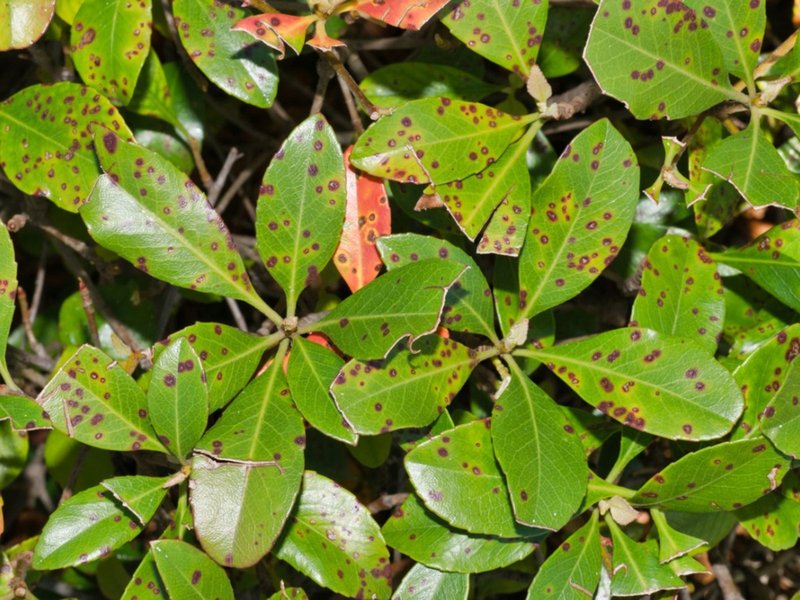
Bacterial leaf spot, a common symptom of plant pathogenic bacterial infection.
The Challenge of Quantifying Average Infections
Determining a precise global average for the number of bacterial pathogen species infecting each vascular plant species is exceptionally challenging. Several factors contribute to this complexity:
Biological and Ecological Variables
- Host Specificity: Bacterial pathogens vary greatly in their host range. Some are highly specialized, infecting only a single plant species or a few closely related ones. Others are generalists, capable of infecting a broad array of unrelated plant hosts. For example, Pseudomonas syringae encompasses many pathovars, each with a different host range, while some strains of Ralstonia solanacearum can infect hundreds of plant species.
- Plant Diversity: The world is home to hundreds of thousands of vascular plant species, each with unique genetic makeups, defense mechanisms, and ecological niches. Studying the pathogen load for every single one is an immense task.
- Geographical Distribution: Pathogens are not uniformly distributed across the globe. Their presence and prevalence depend on climate, soil type, and the presence of host plants and potential vectors.
- Environmental Conditions: Temperature, humidity, rainfall, and soil health significantly influence pathogen survival, dispersal, and infection success.
- Detection and Identification: Identifying all bacterial pathogens infecting a plant can be difficult. Some infections may be asymptomatic or caused by yet-undiscovered bacterial species. Advances in molecular techniques are improving detection, but comprehensive surveys are still limited.
Research Focus and Data Gaps
Much of the research on plant pathogenic bacteria is understandably focused on species that cause significant economic damage to major agricultural crops. Wild plant species, which constitute the vast majority of plant biodiversity, are comparatively understudied in terms of their pathogen loads. Therefore, any global "average" would be heavily skewed by data from a relatively small subset of plant species.
Despite these challenges, existing research and ecological principles allow for informed estimates. The consensus leans towards each vascular plant species being susceptible to multiple bacterial pathogens, likely falling within a range of 5 to 20 species, though this number can fluctuate significantly depending on the specific plant and its environment.
How Bacteria Invade and Colonize Plants
Plant pathogenic bacteria have evolved sophisticated mechanisms to gain entry into host plants, overcome defenses, and proliferate, leading to disease.
Entry Mechanisms
Unlike fungal pathogens, which can often directly penetrate intact plant surfaces, most bacteria require natural openings or wounds to enter the plant:
- Natural Openings: Stomata (pores on leaves for gas exchange), hydathodes (pores that exude water), lenticels (pores on stems for gas exchange), and nectaries in flowers serve as common entry points.
- Wounds: Any break in the plant's surface, whether caused by mechanical damage (e.g., wind, hail, pruning, agricultural practices), insect feeding, or nematode attack, can provide an entry portal for bacteria.
Colonization and Spread
Once inside, bacteria employ various strategies to colonize plant tissues:
Non-Vascular Colonization
Many bacteria colonize the intercellular spaces of parenchyma tissues in leaves, stems, or fruits, leading to localized symptoms like leaf spots (e.g., Xanthomonas campestris pv. campestris initially) or blights. They may produce enzymes to degrade cell walls or toxins to kill host cells.
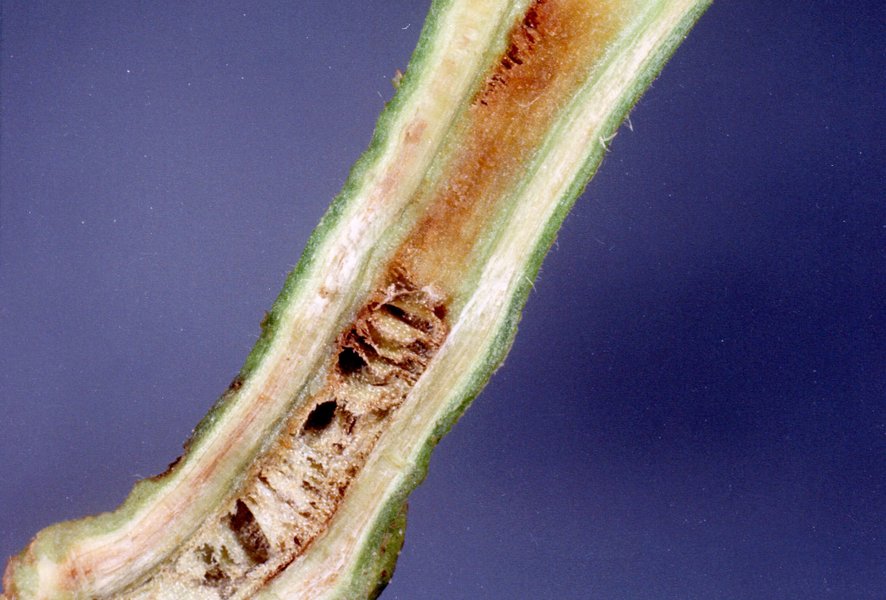
Wilting in a potato plant, a classic symptom of vascular infection by Ralstonia solanacearum.
Vascular Colonization
Some of the most devastating bacterial diseases involve colonization of the plant's vascular system:
- Xylem Colonizers: Bacteria like Ralstonia solanacearum, Xylella fastidiosa, and Clavibacter michiganensis invade the xylem vessels, which are responsible for water and mineral transport. The bacteria multiply within the xylem, producing exopolysaccharides and forming biofilms that can block water flow, leading to wilting and death of plant parts or the entire plant.
- Phloem Colonizers: Other bacteria, particularly fastidious ones like phytoplasmas and spiroplasmas, colonize the phloem sieve tubes, which transport sugars. These infections disrupt nutrient flow and can cause symptoms like yellowing, stunting, and abnormal growth.
Role of Insect Vectors
Many vascular-colonizing bacteria, especially those that are fastidious (difficult to culture in the lab), rely on insect vectors for transmission. Insects like leafhoppers, sharpshooters, and psyllids feed on infected plants, acquire the bacteria, and then transmit them to healthy plants when they feed again, often directly inoculating the bacteria into the phloem or xylem.
Spotlight on Key Plant Pathogenic Bacteria
While numerous bacterial species can cause plant diseases, a subset is recognized for its widespread impact and economic significance. Often, these are highlighted in "Top 10" lists compiled by plant pathology experts.
This video from Molecular Plant Pathology discusses some of the most scientifically and economically important plant pathogenic bacteria, providing context on their impact and the diseases they cause.
Video discussing the "Top 10 plant pathogenic bacteria" based on scientific and economic importance.
Understanding these key players helps in developing targeted strategies for disease management and in comprehending the broader ecological dynamics of plant-pathogen interactions.
Comparative Susceptibility Factors
The susceptibility of a plant to bacterial infection is not solely determined by the presence of a pathogen. It's a complex interplay of the plant's inherent traits, environmental conditions, and pathogen characteristics. The radar chart below illustrates hypothetical differences in susceptibility factors for various plant scenarios.
This chart visually represents how factors such as high genetic resistance and a robust beneficial microbiome can reduce susceptibility (as in a 'Resistant Cultivar' or 'Wild Native'), while high environmental stress and pathogen pressure can increase it (as in a 'Stressed Monoculture Crop'). Each axis represents a factor scored from 1 (low influence/presence) to 10 (high influence/presence).
Mapping Plant-Pathogen Dynamics
The interactions between plants and their bacterial pathogens are multifaceted, involving the pathogen's characteristics, the host's defenses, the infection process, and various environmental influences. The mindmap below provides a simplified overview of these complex dynamics.
(e.g., Clavibacter, Streptomyces)"] id1a2["Gram-Negative
(e.g., Pseudomonas, Xanthomonas, Ralstonia)"] id1a3["Mollicutes
(e.g., Phytoplasma, Spiroplasma)"] id1b["Key Genera"] id1b1["Pseudomonas"] id1b2["Xanthomonas"] id1b3["Ralstonia"] id1b4["Xylella"] id1b5["Erwinia"] id1b6["Agrobacterium"] id1b7["Pectobacterium / Dickeya"] id1c["Host Range"] id1c1["Specialists (Narrow Host Range)"] id1c2["Generalists (Broad Host Range)"] id2["Vascular Plants (Hosts)"] id2a["Susceptibility Factors"] id2a1["Genetic Makeup & Resistance Genes"] id2a2["Plant Age & Developmental Stage"] id2a3["Overall Plant Health & Stress Levels"] id2b["Defense Mechanisms"] id2b1["Physical Barriers (Cuticle, Cell Walls)"] id2b2["Chemical Defenses (Antimicrobial Compounds)"] id2b3["Immune Responses (PAMP-Triggered Immunity, Effector-Triggered Immunity)"] id3["Infection Process"] id3a["Entry Points"] id3a1["Natural Openings (Stomata, Hydathodes, Lenticels)"] id3a2["Wounds (Mechanical, Insect Feeding, Nematode Damage)"] id3b["Colonization Strategies"] id3b1["Intercellular Spaces (Apoplast)"] id3b2["Vascular System (Xylem, Phloem)"] id3b3["Biofilm Formation"] id3c["Spread within Plant"] id3c1["Localized Infections"] id3c2["Systemic Infections"] id3d["Role of Vectors"] id3d1["Insects (Leafhoppers, Aphids, Beetles)"] id3d2["Nematodes"] id4["Disease Manifestation & Impact"] id4a["Common Symptoms"] id4a1["Wilts, Blights, Soft Rots"] id4a2["Leaf Spots, Cankers, Galls"] id4a3["Stunting, Yellowing, Necrosis"] id4b["Consequences"] id4b1["Reduced Crop Yield & Quality"] id4b2["Significant Economic Losses in Agriculture"] id4b3["Ecological Imbalances & Threats to Biodiversity"] id5["Influencing Factors & Environment"] id5a["Environmental Conditions"] id5a1["Temperature & Humidity"] id5a2["Rainfall & Soil Moisture"] id5a3["Soil Type & Nutrient Availability"] id5b["Agricultural & Horticultural Practices"] id5b1["Monoculture vs. Polyculture"] id5b2["Sanitation & Irrigation Methods"] id5b3["Use of Pesticides & Fertilizers"] id5c["Geographic Location & Climate Change"]
This mindmap illustrates the interconnectedness of factors contributing to plant disease caused by bacteria, from the types of pathogens to the environmental triggers and the ultimate impact on plants and ecosystems.
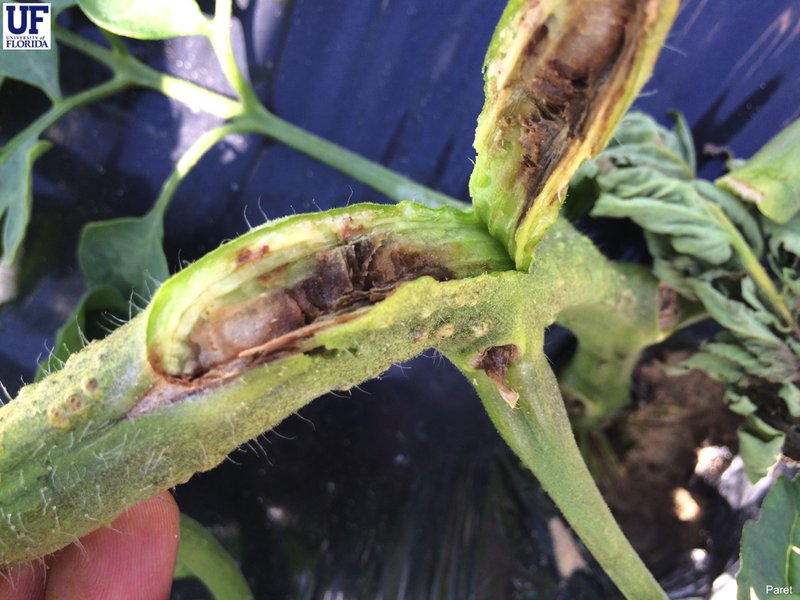
Cross-section of a tomato stem showing symptoms of bacterial pith necrosis, an example of internal tissue damage.
Key Bacterial Pathogen Genera and Their Traits
The following table summarizes some of the most significant genera of plant pathogenic bacteria, highlighting their Gram stain reaction, common diseases they cause, and general host range characteristics. This provides a snapshot of the diversity and impact of these microbes.
| Genus | Gram Stain | Common Diseases Caused | Typical Host Range Characteristics |
|---|---|---|---|
| Pseudomonas | Gram-negative | Leaf spots, blights, wilts (e.g., bacterial speck, wildfire) | Broad; many species and pathovars with varying host specificity. |
| Xanthomonas | Gram-negative | Leaf spots, blights, cankers, vascular wilts (e.g., citrus canker, black rot) | Varies widely; some species/pathovars are highly host-specific, others broader. |
| Ralstonia | Gram-negative | Bacterial wilt (especially R. solanacearum) | Very broad, affecting hundreds of plant species, particularly in Solanaceae. |
| Erwinia | Gram-negative | Fire blight (E. amylovora), soft rots, wilts | Varies; E. amylovora primarily affects Rosaceae; soft rot species have broad ranges. |
| Agrobacterium | Gram-negative | Crown gall (A. tumefaciens), hairy root | Broad, primarily affecting dicotyledonous plants. |
| Clavibacter | Gram-positive | Bacterial canker and wilt (e.g., in tomato), ring rot (potato) | Relatively narrow, often specific to certain plant families or species. |
| Xylella | Gram-negative | Leaf scorch diseases (e.g., Pierce's disease in grapes, olive quick decline syndrome) | Broad, affecting many woody and herbaceous plants; insect-vectored. |
| Pectobacterium | Gram-negative | Soft rots, blackleg (in potato) | Broad, affecting a wide variety of plants, especially fleshy storage organs. |
| Dickeya | Gram-negative | Soft rots, blackleg, wilts; often more aggressive at higher temperatures than Pectobacterium. | Broad, similar to Pectobacterium but with some distinct host preferences. |
| Streptomyces | Gram-positive | Scab diseases (e.g., common scab of potato, soil rot of sweet potato) | More specific; primarily affects root and tuber crops. |
| Phytoplasma | N/A (Mollicute) | Yellows diseases, witches' brooms, stunting (e.g., Aster yellows) | Broad, many different phytoplasmas with varying host ranges; insect-vectored. |
This table is not exhaustive but covers many of the bacterial genera frequently encountered in plant pathology. Understanding these general characteristics is crucial for diagnosing and managing plant diseases.
Frequently Asked Questions (FAQ)
What exactly is a plant pathogenic bacterium?
A plant pathogenic bacterium is a type of bacteria that can cause disease in plants. These microorganisms invade plant tissues, disrupt normal physiological processes, and lead to a variety of symptoms such as wilting, leaf spots, blights, rots, or galls. They can infect various parts of a plant, including roots, stems, leaves, flowers, and fruits.
Why is it difficult to determine an exact average number of bacterial pathogens per plant species?
Determining an exact average is challenging due to several factors:
- Vast Plant Diversity: There are hundreds of thousands of vascular plant species, each with unique susceptibilities.
- Pathogen Specificity: Some bacteria infect many plant species (generalists), while others infect only a few (specialists).
- Environmental Variation: Pathogen presence and disease development are highly influenced by local climate, soil, and ecological interactions.
- Geographic Differences: Pathogen distribution varies globally.
- Research Bias: Most research focuses on economically important crops, leaving many wild plant species understudied.
- Detection Limits: Identifying all pathogens, especially cryptic or novel ones, is technically challenging.
What are some of the most common and impactful plant pathogenic bacteria?
Several genera contain highly impactful plant pathogenic bacteria. Some of the most notable include:
- Pseudomonas syringae (various blights, spots, and wilts)
- Ralstonia solanacearum (bacterial wilt)
- Xanthomonas species (cankers, blights, spots)
- Agrobacterium tumefaciens (crown gall)
- Erwinia amylovora (fire blight)
- Xylella fastidiosa (Pierce's disease, citrus variegated chlorosis)
- Clavibacter michiganensis (bacterial canker in tomato, ring rot in potato)
- Pectobacterium and Dickeya species (soft rots)
How do these bacteria typically infect plants?
Bacteria usually require an entry point to infect a plant. Common routes include:
- Natural Openings: Stomata (leaf pores), hydathodes (water-exuding pores), nectaries (in flowers), and lenticels (stem pores).
- Wounds: Damage caused by insects, nematodes, pruning, hail, wind, or mechanical injuries creates openings for bacterial entry.
Are all vascular plants equally susceptible to the same bacterial pathogens?
No, susceptibility varies greatly. It depends on the specific plant species and cultivar, its genetic makeup (presence of resistance genes), age, health status, and environmental conditions. Similarly, bacterial pathogens have different host ranges; some are highly specialized to infect only certain plants, while others can infect many. This complex interaction between host genetics and pathogen virulence determines whether a disease will occur and its severity.
Recommended Further Exploration
To delve deeper into the fascinating world of plant-bacterial interactions, consider exploring these related queries:
- What are the primary mechanisms plants use to defend against bacterial infections?
- How does climate change affect the prevalence and distribution of plant pathogenic bacteria?
- What is the economic impact of diseases caused by plant pathogenic bacteria on global agriculture?
- Explore the role of the plant microbiome in protecting against pathogenic bacteria.
References
Last updated May 11, 2025