
Unveiling the Fungal Multitude: How Many Pathogens Target a Single Plant?
Delving into the complex world of plant-fungus interactions to understand the average pathogenic load on vascular plants.
Vascular plants, the backbone of terrestrial ecosystems and agriculture, face a relentless onslaught from a diverse array of pathogens. Among these, fungi stand out as the predominant agents of disease. Understanding the average number of fungal species that can infect a single vascular plant species is a complex endeavor, but critical for fields ranging from agriculture to conservation biology. While a single, universally precise number is elusive due to vast biological and environmental variability, scientific research provides significant insights into this intricate relationship.
Key Insights: The Fungal Challenge to Vascular Plants
- Immense Fungal Threat: Globally, scientists have identified over 20,000 distinct fungal species as plant pathogens, highlighting the sheer diversity of potential threats to plant health.
- Multiple Attackers Per Plant: While it varies significantly based on the plant species, its geographic location, and environmental conditions, current ecological and genomic studies suggest that an average vascular plant species may be susceptible to infection by approximately 5 to 20 different pathogenic fungal species.
- Fungi as Primary Culprits: Plant pathogenic fungi are the dominant cause of plant diseases worldwide, responsible for an estimated 70-80% of all reported cases, leading to substantial economic and ecological impacts.
The Vast World of Plant Pathogenic Fungi
Fungi represent a remarkably diverse kingdom of eukaryotic organisms. Their interactions with plants span a wide spectrum, from beneficial symbiotic relationships, like mycorrhizae, to detrimental parasitic ones. The subset of fungi capable of causing disease in plants is extensive and economically significant.
A Startling Diversity of Pathogens
Current mycological research and genomic studies indicate that more than 20,000 fungal species have been formally documented as plant pathogens. This number continues to grow as new species are discovered and characterized, particularly with advancements in molecular detection techniques. These pathogens affect a wide array of vascular plants, including essential food crops, timber trees, ornamental plants, and wild flora.
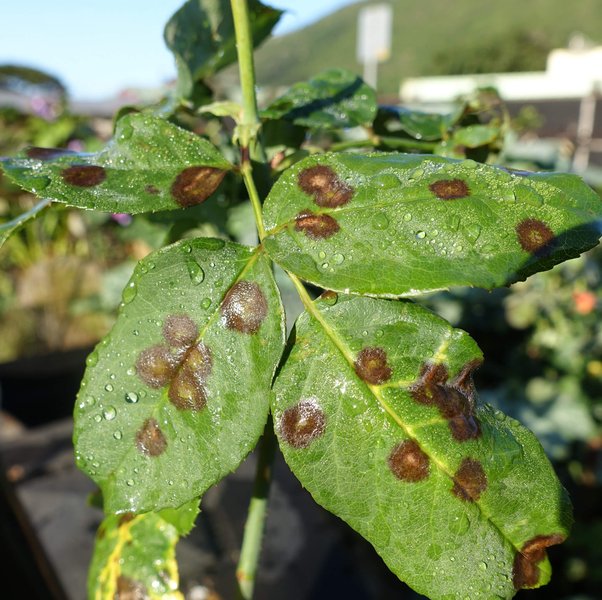
A close-up view illustrating fungal growth on a plant leaf, a common manifestation of plant disease.
Host Range: From Specialists to Generalists
Plant pathogenic fungi exhibit a wide range of host specificities:
- Broad Host Range (Generalists): Some fungal pathogens, such as Botrytis cinerea (causing grey mold) and species within the Sclerotinia genus, are notorious for their ability to infect hundreds of different vascular plant species across various families. For instance, Botrytis cinerea is reported to infect between 200 and 400 plant species. Similarly, some formae speciales of Fusarium oxysporum can colonize the vascular systems of a diverse array of hosts, causing wilt diseases.
- Narrow Host Range (Specialists): Conversely, many fungal pathogens are highly specialized, co-evolving with specific host plants or even particular cultivars within a host species. Examples include many rust fungi (e.g., Puccinia graminis f. sp. tritici, which primarily infects wheat) and powdery mildews. This specialization often involves intricate molecular dialogues between the pathogen and its host.
This variation in host range means that while some plants might only be susceptible to a few highly specialized fungi, others could be targets for a multitude of generalist pathogens in addition to their specific ones.
Estimating the Average: A Complex Calculation
Determining a precise global average for the number of pathogenic fungal species per vascular plant species is challenging due to several interconnected factors:
- Geographical Variation: Fungal diversity and distribution are not uniform across the globe. Different climates, soil types, and ecosystems support distinct fungal communities.
- Host-Specific Factors: Plant species vary in their susceptibility. Genetic resistance, physical defenses, and the presence of beneficial microbes can all influence how many fungal pathogens can successfully infect a plant.
- Environmental Conditions: Temperature, humidity, and rainfall significantly impact fungal growth, spore dispersal, and infection processes. Climate change is also altering these dynamics, potentially expanding the range of some pathogens.
- Agricultural Practices: Monoculture farming can create environments where host plants are densely populated, facilitating the spread of specialized pathogens. Conversely, diverse cropping systems may reduce pathogen pressure.
- Ongoing Research: The full extent of fungal biodiversity, including pathogenic species, is still being uncovered. Metagenomic studies are continuously revealing new plant-associated fungi, some of which may be pathogenic under certain conditions.
Despite these complexities, by synthesizing data from ecological studies, genomic analyses, and agricultural pathology reports, researchers can provide an informed estimate. As mentioned, the consensus leans towards an average vascular plant being susceptible to infection by a range of 5 to 20 pathogenic fungal species. This is not a fixed number but rather an indicative range reflecting the dynamic and multifaceted nature of plant-fungus interactions.

Symptoms like brown spots on leaves are common indicators of fungal infections in vascular plants.
Factors Influencing Fungal Pathogen Load
The number and impact of fungal pathogens on a given vascular plant population are not static but are influenced by a dynamic interplay of various factors. The radar chart below visualizes a hypothetical comparison of scenarios affecting the potential fungal pathogen load on plants. It considers elements such as host density, climatic suitability for fungal growth, the plant's inherent genetic resistance, the extent of fungicide application, the virulence (aggressiveness) of prevalent pathogens, and overall soil health, which can influence plant vigor and microbial community balance.
This chart illustrates how a confluence of factors determines the likelihood and severity of fungal infections. For example, high host density combined with favorable climatic conditions for fungi and low plant resistance (as in the 'High Infection Risk Scenario') can lead to a significantly higher pathogen load. Conversely, robust plant genetics, good soil health, and effective disease management strategies can reduce this load.
Visualizing Plant-Fungus Dynamics
The relationship between vascular plants and their fungal pathogens is a complex web of interactions influenced by numerous biological and environmental factors. The mindmap below provides a simplified overview of these key components and their connections, illustrating the breadth of the plant-fungus dynamic, from the diversity of the fungi themselves to the outcomes of their interactions with host plants.
(e.g., genetics, stress)"] id1b["Defense Mechanisms
(e.g., physical barriers, chemical compounds)"] id1c["Economic Importance
(Crops, Forestry)"] id2["Pathogenic Fungi"] id2a["Species Diversity
(>20,000 known species)"] id2b["Infection Strategies"] id2b1["Biotrophs
(feed on living tissue)"] id2b2["Necrotrophs
(kill host tissue, then feed)"] id2b3["Hemibiotrophs
(initial biotrophic phase, then necrotrophic)"] id2c["Host Range"] id2c1["Specialists
(narrow host range)"] id2c2["Generalists
(broad host range)"] id2d["Virulence Factors
(enzymes, toxins, effectors)"] id3["Influencing Factors"] id3a["Environmental Conditions"] id3a1["Climate
(temperature, humidity, rainfall)"] id3a2["Soil Properties
(pH, nutrients, microbiome)"] id3b["Agricultural & Human Practices"] id3b1["Monoculture vs. Polyculture"] id3b2["Fungicide Application"] id3b3["Global Trade & Pathogen Spread"] id3c["Ecological Interactions
(e.g., presence of vectors, other microbes)"] id4["Outcomes & Impacts"] id4a["Plant Disease Development
(symptoms, severity)"] id4b["Economic Losses
(crop yield reduction, quality decline)"] id4c["Ecological Consequences
(impact on wild plant populations, ecosystem stability)"] id4d["Evolutionary Arms Race
(co-evolution of host resistance and pathogen virulence)"]
This mindmap highlights the central role of both the host plant and the pathogenic fungus, surrounded by various elements that shape their interaction. It underscores that the number of fungal species infecting a plant is not just a static figure but a result of an ongoing, dynamic interplay.
Understanding Fungal Infection Mechanisms
Plant pathogenic fungi have evolved sophisticated mechanisms to recognize, penetrate, and colonize their hosts. The following video provides an engaging overview of how these microscopic invaders operate, leading to plant diseases that can have devastating consequences on food security and ecosystems. Understanding these infection processes is crucial for developing effective disease management strategies.
The video explains that fungi, the most destructive pathogens of plants, cause annual food losses sufficient to feed half a billion people. It delves into how fungi recognize suitable plant hosts, often through chemical signals, and then employ various strategies to breach plant defenses. These can include enzymatic degradation of cell walls, exploitation of natural openings like stomata, or direct penetration using specialized structures like appressoria. Once inside, they manipulate host physiology to acquire nutrients, leading to the visible symptoms of disease.

Cercospora leaf spot on hydrangea, an example of a common fungal disease affecting ornamental vascular plants.
Key Data on Plant Pathogenic Fungi
To further contextualize the scale and nature of the threat posed by plant pathogenic fungi to vascular plants, the following table summarizes some critical figures and examples. This information reinforces the prevalence and diversity of these disease-causing organisms.
| Aspect | Detail | Significance/Implication |
|---|---|---|
| Total Known Plant Pathogenic Fungi | Over 20,000 species | Highlights the vast diversity of fungal agents capable of causing plant diseases. |
| Fungal Contribution to Plant Diseases | Approximately 70-80% of all plant diseases | Emphasizes fungi as the primary causal agents of plant diseases globally. |
| Estimated Pathogens per Vascular Plant Species | Average range of 5-20 species (highly variable) | Provides a working estimate of the typical fungal pathogen burden a plant species might face. |
| Example of Broad Host Range Pathogen | Botrytis cinerea (Grey Mold) | Known to infect 200-400+ plant species, showcasing the impact of generalist fungi. |
| Example of Specialized Pathogen Group | Puccinia spp. (Rust Fungi) | Many species are highly host-specific (e.g., Puccinia graminis f. sp. tritici on wheat), illustrating targeted threats. |
| Economic Impact | Annual crop losses in hundreds of billions of dollars | Underscores the severe threat to global food security and agricultural economies. |
| Mode of Infection | Via wounds, natural openings (stomata), or direct penetration; colonization of various plant tissues including vascular systems. | Diverse infection strategies contribute to their success as pathogens. |
This table underscores that vascular plants are constantly exposed to a multitude of fungal pathogens, each with varying degrees of host specificity and pathogenic capability. The sheer number of pathogenic species, combined with the fact that many plants are susceptible to multiple types, paints a picture of a continuous biological arms race.
Frequently Asked Questions (FAQ)
Why is it so difficult to determine an exact average number of fungal pathogens per plant species?
Determining an exact average is challenging due to several reasons:
- Biological Complexity: Host specificity varies greatly. Some fungi infect many plant species, while others infect only one or a few. Plants also have varying levels of resistance.
- Geographical Variation: Fungal populations and diversity differ significantly across different ecosystems, climates, and geographical regions.
- Environmental Factors: Conditions like temperature, humidity, and soil type heavily influence fungal growth and disease development, making pathogen pressure dynamic.
- Ongoing Discovery: Scientists are continually identifying new fungal species and understanding their pathogenic potential. The "known" number is always evolving.
- Detection Methods: The ability to detect and identify all pathogens infecting a plant can be limited by current technologies and research efforts, especially for cryptic or latent infections.
Are all fungi found on plants harmful?
No, not all fungi associated with plants are harmful. In fact, many fungi form beneficial relationships. For example:
- Mycorrhizal Fungi: These fungi form symbiotic associations with the roots of about 70-80% of vascular plants, helping them absorb water and nutrients in exchange for carbohydrates.
- Endophytic Fungi: Many fungi live inside plant tissues without causing any visible disease symptoms. Some endophytes can even protect their host plants from pests, diseases, or environmental stress.
The focus on "pathogenic" fungi specifically refers to those species that cause disease and harm to the plant.
What are some common examples of plant pathogenic fungi and the diseases they cause?
There are many common and impactful plant pathogenic fungi. Some examples include:
- Fusarium oxysporum: Causes Fusarium wilt in a wide range of crops like tomatoes, bananas, and cotton by colonizing the plant's vascular system.
- Botrytis cinerea: Causes grey mold, a common disease affecting fruits, vegetables, and ornamental flowers, especially in cool, humid conditions.
- Puccinia species: Cause rust diseases, characterized by rust-colored pustules on leaves and stems, affecting cereals like wheat, barley, and many other plants.
- Phytophthora infestans (an oomycete, often studied with fungi): Causes late blight in potatoes and tomatoes, historically responsible for the Irish Potato Famine.
- Magnaporthe oryzae: Causes rice blast disease, one of the most destructive diseases of rice worldwide.
- Powdery Mildew Fungi (various species): Cause powdery mildew, a common disease appearing as a white, powdery coating on leaves of many plant species.
How do pathogenic fungi typically infect vascular plants?
Pathogenic fungi employ various strategies to infect vascular plants:
- Direct Penetration: Some fungi can directly penetrate the plant's cuticle and cell wall using mechanical force and enzymes. Specialized structures like appressoria help in this process.
- Natural Openings: Many fungi enter through natural openings on the plant surface, such as stomata (pores for gas exchange), lenticels (pores on stems), or hydathodes (water-secreting pores).
- Wounds: Injuries caused by insects, mechanical damage, or pruning can create entry points for fungal pathogens.
- Root Infection: Soil-borne fungi often infect plants through their roots, sometimes entering through root hairs or wounds, and can then move into the vascular system.
- Vector Transmission: Some fungi can be transmitted by insect vectors, which carry spores from infected to healthy plants.
Once inside, they may grow between cells (intercellularly) or penetrate cells (intracellularly) to obtain nutrients, leading to disease symptoms.
Recommended Further Exploration
To delve deeper into the fascinating and critical world of plant-fungus interactions, consider exploring these related queries:
- What are the main economic impacts of plant pathogenic fungi on global agriculture?
- How do plants defend themselves against fungal pathogen attacks?
- What is the role of climate change in the spread and severity of fungal plant diseases?
- Explore the diversity and ecological roles of non-pathogenic fungi associated with plants.
References
Last updated May 11, 2025