
Exploring Financials for Avocado and Coconut Oil Biofuels
A detailed dive into cash flows and balance sheets for alternative biodiesel sources
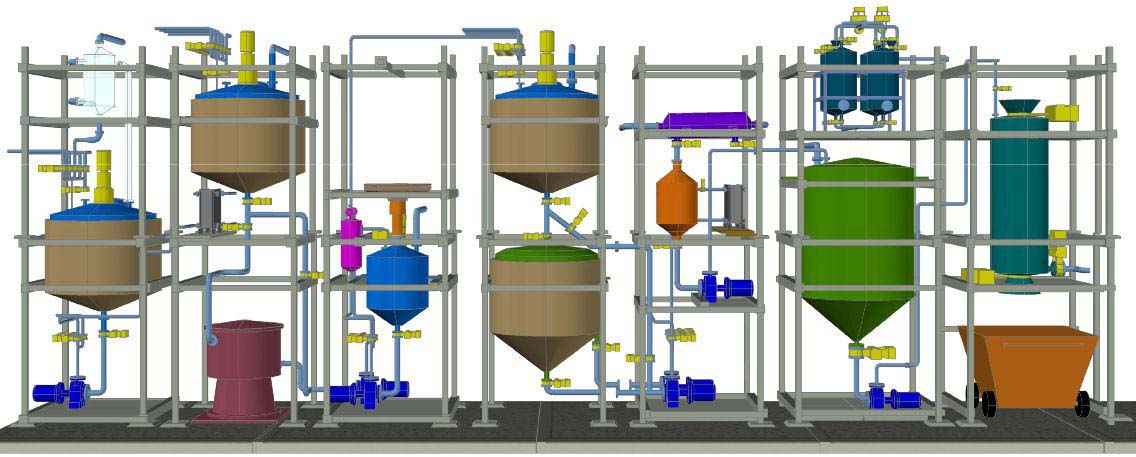
Key Highlights
- Integrated Financial View: Understanding operations, investments, and financing activities.
- Asset and Liability Evaluation: Detailed breakdown of current and non-current assets alongside liabilities.
- Market and Operational Influences: How production costs, market demand, and efficient technology drive financial health.
Comprehensive Financial Analysis
Introduction
The production of biodiesel from avocado oil and coconut oil as alternative biofuels involves addressing both environmental sustainability and financial implications. In this analysis, we review how these biofuels can contribute to a company’s cash flow and overall balance sheet, providing insights into how operations, investing, and financing activities impact the liquidity and financial stability of enterprises.
Financial Statement Components
Cash Flow Statement
A cash flow statement for a company involved in biodiesel production from avocado oil and coconut oil shows the inflows and outflows of cash in three main categories: operating activities, investing activities, and financing activities. This financial tool is crucial as it provides a window into the liquidity and operational effectiveness of the business.
1. Cash Flow from Operating Activities:
Operating activities include the cash generated from sales of biodiesel and other related products. Key points include:
- Revenue Generation: Cash inflows from the sale of biodiesel products that use avocado and coconut oil. Due to increasing consumer demand for clean, renewable energy, the revenue base could be robust provided market conditions remain favorable.
- Cost of Goods Sold: Direct expenses such as the cost of raw materials (avocado pulp, coconut oil), labor, and other production costs that might include processing and conversion technology costs.
- Operational Expenses: Overhead costs involving depreciation of plant machinery, utilities, and administrative expenses.
2. Cash Flow from Investing Activities:
These activities capture the cash used for purchases or sales of the long-term assets necessary for biodiesel production:
- Infrastructure Investment: Capital expenditures on new biodiesel production equipment, plant upgrades, and technology enhancements to improve transesterification efficiency.
- Research & Development: Investments aimed at increasing the yield and efficiency of processing avocado and coconut oil into biodiesel.
- Asset Sales or Purchases: Transactions involving property, equipment, and any other physical capital necessary for operations.
3. Cash Flow from Financing Activities:
Financing activities reflect the cash flow from transactions involving borrowing or repaying loans, issuing shares, or returning dividends:
- Loan Proceeds & Grants: Funds raised specifically for sustainable energy projects or to support expansion in biofuel production capabilities.
- Debt Repayment: Cash outflow for paying down debt incurred during equipment purchase or facility expansion.
- Shareholder Returns: Payment of dividends or returns to investors based on earned profits.
Balance Sheet Overview
The balance sheet provides a snapshot of the company’s financial position at a specific point in time, categorizing resources and obligations as assets, liabilities, and shareholder equity. When evaluating a business that produces biodiesel from avocado and coconut oil, the balance sheet reflects both the tangible and intangible investments made in the venture.
Assets
Current Assets:
- Cash and Cash Equivalents: Liquid funds available for immediate use, including bank balances and short-term investments.
- Inventory: Stocks of biodiesel, raw materials (avocado oil and coconut oil), and by-products ready for processing or sale.
- Accounts Receivable: Outstanding payments from customers who purchased biodiesel products.
- Production Equipment: Machinery and technology essential for transesterification and biodiesel production.
- Property and Facilities: Land and buildings used for biofuel production and research & development operations.
- Intellectual Property: Patents and proprietary technology developed for optimizing the production processes of biodiesel from unconventional oils.
Liabilities
Current Liabilities:
- Accounts Payable: Short-term obligations for raw material supplies and operational expenditures.
- Short-Term Loans: Debts or credit lines that are due within one business cycle, usually to cover unexpected expenses or dynamics in seasonal production.
- Long-Term Debt: Loans and financing used for significant capital expenditure, such as facility expansion.
- Deferred Tax Liabilities: Taxes that are accrued or deferred due to investments in renewable technologies and R&D credits.
Equity
Equity represents the net assets of the company after liabilities have been deducted from assets, including:
- Shareholder Capital: The initial funds raised through equity financing, showcasing investor confidence in alternative energy projects.
- Retained Earnings: Profits that have been reinvested into the company for further growth and technology advancements.
- Additional Paid-In Capital: Funds that exceed the par value of stock issued, often used to finance expansion or new research endeavors in the renewable sector.
Detailed Financial Example
Below is a sample table that summarizes a hypothetical cash flow statement and balance sheet for a company converting avocado and coconut oil into biodiesel. This example serves to illustrate the financial interactions within such an operation, keeping in mind that actual figures would depend on market conditions, production scale, and investment in technology.
| Cash Flow Statement | |
|---|---|
| Revenues (Sales of Biodiesel) | $500,000 |
| Cost of Goods Sold (Raw Materials and Production Costs) | -$350,000 |
| Net Cash from Operations | $150,000 |
| Investing Activities (Equipment, R&D) | -$200,000 |
| Financing Activities (Loans, Grants) | $150,000 |
| Net Change in Cash | $100,000 |
| Balance Sheet Snapshot | |
| Assets | |
| Current Assets (Cash, Inventory, Receivables) | $300,000 |
| Non-Current Assets (Equipment, Property, IP) | $400,000 |
| Total Assets | $700,000 |
| Liabilities | |
| Current Liabilities (Payables, Short-Term Loans) | $150,000 |
| Non-Current Liabilities (Long-Term Debt, Deferred Taxes) | $200,000 |
| Total Liabilities | $350,000 |
| Equity | |
| Shareholder Capital and Retained Earnings | $350,000 |
| Total Liabilities and Equity | $700,000 |
Market and Operational Considerations
The financial health of a company producing biodiesel from avocado and coconut oils rests on several interconnected factors:
Feedstock Costs and Market Volatility
Avocado oil, while known for its nutritional and cosmetic value, may face price fluctuations due to seasonal yields, environmental conditions, and competing uses. Conversely, coconut oil has been traditionally more available in regions such as the Pacific and Caribbean, although its production cost might be higher compared to other vegetable oils like palm oil.
Effective waste valorization, such as using avocado peels and seeds, can lower input costs while ensuring sustainability. Similarly, efficient utilization of coconut oil through improved transesterification technology may reduce operational expenses and boost profitability.
Impact of Technological Advancements
Investment in research and development is critical for reducing production costs. Companies investing in modern equipment and sustainable technologies can also capitalize on government subsidies and environmental grants, which may be reflected in lower financing costs and improved net cash flows. Advanced techniques such as methanol recycling during transesterification improve energy efficiency, further stabilizing financial performance.
Environmental Incentives and Regulatory Support
In many regions, renewable biofuels such as those derived from avocado and coconut oils benefit from government incentives and policies targeting reductions in greenhouse gas emissions. These incentives can positively affect the financing side, resulting in lower interest rates on loans or tax credits that boost retained earnings. Strategic partnerships and investments in green technology not only improve environmental outcomes but also enhance a company’s market image, contributing to stronger investor confidence.
Integrating Financial and Strategic Approaches
The interplay between the cash flow statement and balance sheet in the context of alternative biofuels is a dynamic reflection of a company’s operational health and strategic planning. Robust operating cash flows indicate that the biodiesel production process, whether relying on avocado oil's high oleic acid composition or coconut oil’s favorable transesterification properties, is delivering revenue. Simultaneously, a healthy balance sheet with balanced assets and liabilities underpins the company's long-term viability.
Strategic investments in technology and infrastructure, combined with effective cost management strategies, can help mitigate risks associated with raw material price fluctuations and operational inefficiencies. As companies scale up production, leveraging technological advancements, renewable incentives, and environmentally friendly practices will be essential for sustainable profitability and improved financial statements.
Example Scenario and Considerations
Consider a biodiesel production firm that utilizes avocado and coconut oil. For such a company, the following factors are pivotal:
- Monitoring raw material procurement to balance quality with cost-efficiency.
- Allocating capital and managing cash flow to support investments in production technology.
- Implementing strategies to optimize production processes and enhance yield while controlling operational expenses.
- Assessing market trends, consumer demand, and government policies to forecast revenues and plan long-term capital allocation.
By continuously monitoring these elements, companies can improve operational performance, ensuring that both the cash flow statement and balance sheet not only reflect current performance but also guide future strategic decisions. Ultimately, these financial statements serve as a roadmap for sustainability and profitability in the renewable energy sector.
References
- Avocado Oil Market - IMARC Group
- Coconut Oil Biofuel: Sustainable Solutions? - OilCocos
- Waste Valorization in Biofuel Production - MDPI
-
Diesel Engine Performance Using Biodiesels - ScienceDirect
- Eco-Friendly Biofuel Production - ResearchGate
Recommended Exploration
Last updated March 25, 2025