
Marketing Mix & Strategies for Avocado Oil and Coconut Oil as Alternative Biofuels
Exploring innovative pathways for sustainable and renewable energy sources
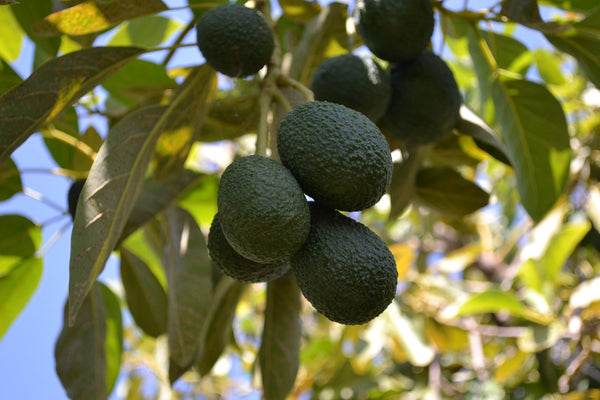
Key Highlights
- Comprehensive Product Analysis: Detailed assessment of both avocado oil and coconut oil, including unique biofuel potentials and extraction technologies.
- Strategic Marketing Mix: Thorough exploration of product, price, place, and promotion elements customized for the alternative biofuel market.
- Market Opportunities & Challenges: Insights on regulatory compliance, sustainable supply chains, and innovative R&D collaborations to drive market adoption.
Introduction
As global energy demands continue to rise and environmental concerns intensify, the search for sustainable and eco-friendly alternatives to fossil fuels is more critical than ever. One promising avenue is the utilization of edible oils, such as avocado and coconut oil, as alternative biofuels. Both oils are renowned for their health, culinary, and cosmetic properties; however, emerging research and market strategies are now exploring their potential in the renewable energy sector.
The transition of avocado oil and coconut oil into the realm of biofuels involves an intricate interplay of production technologies, market strategies, and regulatory frameworks. This comprehensive analysis delves into the marketing mix for these oils—interpreting their product attributes, pricing strategies, distribution channels, and promotional efforts. Additionally, the discussion covers the challenges and opportunities of positioning these oils as viable alternatives to traditional fuels.
Detailed Marketing Mix Analysis
Product Strategy
Avocado Oil
Avocado oil is particularly celebrated for its high monounsaturated fat content, which contributes to its unique properties such as a high smoke point. When considering its application as a biofuel, its chemical properties are harnessed to produce a fuel that offers cleaner combustion compared to conventional fossil fuels. Emerging processes, like enzymatic transesterification, are being explored to convert avocado oil into biodiesel efficiently, with studies focusing on using waste such as avocado seeds to further enhance sustainability.
Coconut Oil
Coconut oil, rich in saturated fats, distinguishes itself through its high energy density and stability. It has been widely studied for biodiesel production and has shown promising results in engine performance tests. The physical properties of coconut oil, such as its viscosity and thermal stability, make it a strong candidate for biofuel blends. Steering research and investment towards refining processes like transesterification and direct blending with diesel supports its market position as a renewable biofuel option.
Both these oils require continuous product development. This includes improving extraction methods for maximizing yield and quality, as well as developing innovative refining techniques that effectively convert these oils into efficient biofuel blends. Companies are actively investing in research and development (R&D) to optimize these processes, ensuring that the final product meets both environmental and performance standards.
Pricing Strategy
Setting the right price for avocado oil and coconut oil biodiesel involves multiple factors such as production costs, market demand, and competition. For avocado oil, the production costs tend to be higher due to intensive agricultural requirements. In contrast, coconut oil, particularly in regions abundant in coconuts, can be more competitively priced.
Premium Pricing: High quality, sustainably sourced oils might warrant a premium price, especially among environmentally conscious consumers and businesses seeking green alternatives. This approach emphasizes the long-term environmental benefits, such as reduced greenhouse gas emissions and cleaner combustion.
Competitive Pricing: Strategy adjustments, such as offering discounts or developing cost-efficient production techniques, can attract price-sensitive market segments. Price adjustments might also vary depending on the blend ratios when used alongside conventional diesel to ensure broad market accessibility.
Place (Distribution Strategy)
Distribution channels play a pivotal role in the biofuel market. It is essential that avocado oil and coconut oil biofuels are positioned where they can reach both industrial and domestic consumers, including transportation, agricultural machinery, and regional energy suppliers.
Local Partnerships: Establishing partnerships with local farmers, biofuel distributors, and renewable energy stakeholders is crucial. These collaborations can guarantee a steady supply chain and promote sustainable practices within local economies.
Infrastructure Development: Investments in infrastructure, such as retrofitting current fueling stations to manage biodiesel, are critical. Furthermore, strategic alliances with fuel distributors can more effectively integrate these biofuels into existing energy frameworks.
Promotion Strategy
Awareness & Sustainability Messaging
Promoting avocado oil and coconut oil as alternative biofuels involves educating the market about their environmental and economic benefits. Campaigns focused on sustainability stress reduced carbon emissions, improved air quality, and the potential of these biofuels to mitigate climate change impacts.
Content Marketing: Utilizing digital channels, including social media platforms, blogs, and influencer partnerships, can amplify success stories and scientific breakthroughs related to biofuel production. Highlighting research advancements and case studies can enhance consumer confidence and attract investment interest.
Collaborative Campaigns: Joint efforts with eco-conscious brands and environmental regulators can drive a message of innovation and responsibility. These collaborations might involve public webinars, conferences, and targeted digital marketing initiatives that emphasize the dual benefits of improved fuel efficiency and environmental stewardship.
Target Market Segmentation
An effective promotional strategy will segment target audiences into distinct groups. Industrial users, including transportation companies and manufacturing sectors, seek sustainability not only in operations but also in cost savings over time. Additionally, eco-conscious consumers and policymakers looking to reduce reliance on fossil fuels represent another critical market segment.
Tailored marketing messages can position these oils as part of a diversified renewable energy portfolio, emphasizing their local production benefits, job creation potential, and positive environmental impacts.
Integrated Strategic Approaches
Research and Development (R&D)
Cutting-edge research remains at the forefront of harnessing avocado and coconut oils for biofuel production. Collaborative projects between universities, research institutions, and private companies are critical to improving extraction, refining, and transesterification processes. R&D initiatives often target improving energy efficiency, reducing production costs, and enhancing the chemical properties of the final biofuel product.
Innovative approaches in biotechnology, such as enzymatic transesterification, are being explored to streamline the conversion of these oils into biodiesel. The integration of waste materials (e.g., avocado seeds) further underscores the circular economy model, helping to revalue agro-industrial by-products that might otherwise be discarded.
Regulatory Compliance & Environmental Standards
Navigating the regulatory landscape is essential for broad acceptance of any alternative fuel. Avocado oil and coconut oil biofuels must comply with stringent environmental regulations and quality standards. Proactive engagement with policymakers not only ensures compliance but can also facilitate the creation of favorable regulatory frameworks supporting renewable energy.
Strategic initiatives may include lobbying efforts, participation in renewable energy forums, and certification processes that verify sustainability claims. Such measures build trust with consumers, investors, and industry partners by demonstrating adherence to both local and international environmental standards.
Challenges & Potential Opportunities
Challenges
Despite the promising potential of these biofuels, several challenges remain. The cost competitiveness of avocado and coconut oil-based fuels compared to fossil fuels is still a pressing issue. High production costs, especially for avocado oil, could limit market penetration without significant technological advancements.
Infrastructure readiness poses another challenge. Existing fueling stations, designed for conventional fuels, require retrofitting to handle biodiesel safely and efficiently. Additionally, ensuring a reliable supply chain in regions with limited agricultural output may hinder rapid market expansion.
Opportunities
The growing global demand for sustainable energy sources creates abundant opportunities for alternative biofuels. Advances in technology and process optimization could drive down production costs over time. Moreover, rising environmental awareness and policy shifts toward greener energy solutions provide a fertile market ground for products that combine economic benefits with ecological responsibility.
Diversifying feedstocks by incorporating both avocado and coconut oils can reduce dependence on a single resource. This blend not only optimizes fuel properties but also spreads risk and maximizes market penetration, with each oil compensating for the limitations of the other.
Comparative Overview Table
| Aspect | Avocado Oil | Coconut Oil |
|---|---|---|
| Product Properties | High in monounsaturated fats; high smoke point; potential for waste valorization (seed oil) | Rich in saturated fats; high energy density; stable for biodiesel blends |
| Production Costs | Higher due to agricultural investment and processing costs | More competitive; availability in coconut-rich regions helps reduce costs |
| Extraction & Processing | Exploring advanced extraction and enzymatic transesterification processes | Established transesterification processes; blending strategies with conventional diesel |
| Promotional Focus | Emphasis on health benefits and sustainability; educating markets on alternative fuel potential | Highlighting energy density, environmental impact reduction, and economic viability |
| Distribution Channels | Local partnerships with farmers and biofuel distributors; niche eco-markets | Extended supply chains in coconut-abundant regions; retrofitted fueling stations |
| Market Challenges | Production cost and infrastructure readiness | Integrating into established fuel infrastructures; cost efficiency in large-scale production |
Strategic Integration and Long-term Perspectives
The sustainable energy sector is evolving rapidly, and positioning avocado oil and coconut oil as competitive biofuels requires a multi-dimensional strategic approach. In light of the pressing need for renewable energy sources, the integrated use of these oils represents a progressive shift away from fossil fuels. This evolution is driven by advancements in technology, strategic market positioning, and robust R&D that bolster both the product quality and market accessibility.
By leveraging a well-calibrated marketing mix that includes premium quality product development, strategic pricing, extensive distribution networks, and robust promotional strategies, stakeholders can successfully navigate the challenges associated with transitioning to biofuels. This comprehensive approach not only capitalizes on the inherent strengths of avocado and coconut oils but also addresses potential barriers such as cost competitiveness and existing infrastructure limitations.
Moreover, embracing sustainability as a core value creates a long-term competitive advantage. As global policies lean towards reducing carbon footprints and supporting renewable energy solutions, early adopters in the avocado and coconut oil biofuel market can secure strategic alliances with governments, eco-conscious corporations, and research institutions. These alliances can accelerate technological breakthroughs while enhancing market credibility and consumer trust.
References
- Avocado Oil Market Insights - Fortune Business Insights
- Avocado Oil Trends - Future Market Insights
-
Coconut Oil Biofuel - OilCocos
- Coconut Marketing Mix - DCF
- Biofuel Research - MDPI
Recommended Related Queries
Last updated March 15, 2025