
Optimal Software Stack for AWS-Integrated Edge Computing
Streamlining Edge Operations with AWS's Best-in-Class Solutions
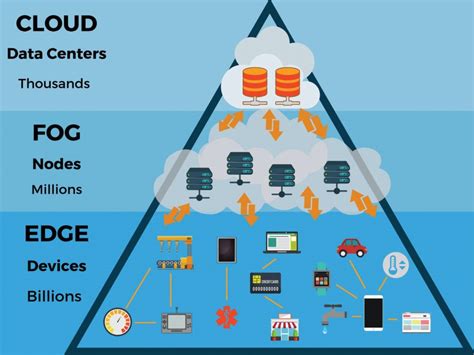
Key Takeaways
- Comprehensive Integration: Leverage AWS's robust services to ensure seamless connectivity and scalability from edge to cloud.
- Low Latency Operations: Utilize AWS's edge compute solutions to minimize latency and enhance real-time data processing.
- Enhanced Security and Management: Implement AWS security tools and management services to safeguard and efficiently oversee edge deployments.
1. Operating System Layer
FreeRTOS
FreeRTOS is AWS's preferred real-time operating system designed specifically for microcontroller-based edge devices. It offers optimal integration with AWS IoT services, ensuring that even small, low-power devices can communicate efficiently and securely with the cloud. FreeRTOS supports deterministic timing, which is crucial for real-time applications, and provides a lightweight footprint suitable for constrained environments.
2. Edge Runtime Layer
AWS IoT Greengrass V2
AWS IoT Greengrass V2 extends AWS cloud capabilities to edge devices, allowing them to act locally, process data, and execute machine learning models even when offline. It offers comprehensive device management, secure communication, and over-the-air updates, ensuring that edge devices remain up-to-date and resilient. Greengrass V2 supports multiple programming languages and seamlessly integrates with other AWS services, providing a consistent and scalable runtime environment.
3. Compute Layer
AWS Lambda@Edge
AWS Lambda@Edge enables serverless code execution closer to end-users by leveraging Amazon CloudFront's global network of edge locations. It simplifies running event-driven applications at the edge without the need to manage servers, ensuring low-latency responses and high scalability. Lambda@Edge is ideal for use cases such as dynamic content delivery, A/B testing, real-time data processing, and custom authentication mechanisms.
4. Networking Layer
Amazon CloudFront
Amazon CloudFront is AWS's Content Delivery Network (CDN) optimized for edge environments. It delivers data, videos, applications, and APIs securely and with low latency by utilizing AWS’s extensive global network of edge locations. CloudFront integrates seamlessly with other AWS services like Lambda@Edge, AWS Shield for DDoS protection, and AWS Web Application Firewall (WAF), providing a robust and secure networking foundation for edge applications.
5. Storage Layer
Amazon S3 on Outposts
Amazon S3 on Outposts brings the familiar S3 storage capabilities to on-premises environments, enabling local data storage with the same durability and scalability as the cloud. This hybrid storage solution is ideal for applications requiring low-latency access to large datasets at the edge, data residency compliance, and seamless integration with cloud-based analytics and backup services. S3 on Outposts ensures that data remains consistent and accessible across both edge and cloud environments.
6. Data Processing and Analytics Layer
AWS Kinesis Video Streams
AWS Kinesis Video Streams is a scalable service designed for real-time processing and analysis of video and IoT data streams at the edge. It integrates seamlessly with machine learning frameworks like Amazon SageMaker, enabling predictive analytics and intelligent data processing directly on edge devices. Kinesis Video Streams handles large-scale data ingestion efficiently, making it suitable for applications such as video surveillance, industrial automation, and real-time monitoring.
7. Machine Learning Layer
Amazon SageMaker Edge Manager
Amazon SageMaker Edge Manager facilitates the deployment, management, and monitoring of machine learning models on edge devices. It supports popular frameworks like TensorFlow, PyTorch, and ONNX, allowing developers to train models in the cloud and deploy them at the edge for real-time inference. SageMaker Edge Manager ensures that models are efficiently updated, monitored for performance, and maintained securely, enabling intelligent edge applications such as predictive maintenance, anomaly detection, and personalized user experiences.
8. Orchestration and Management Layer
AWS Systems Manager
AWS Systems Manager provides a unified interface for managing and monitoring both cloud and edge environments. It offers capabilities such as patch management, inventory collection, and configuration compliance, ensuring that edge devices are consistently maintained and secured. Systems Manager integrates with AWS Identity and Access Management (IAM) for secure access control and supports automation of routine tasks, reducing operational overhead and enhancing the reliability of edge deployments.
9. Security Layer
AWS IoT Device Defender
AWS IoT Device Defender provides continuous security monitoring and auditing for edge devices connected to AWS IoT. It helps detect and mitigate security risks by enforcing policies, monitoring device behavior, and identifying anomalies indicative of potential threats. Device Defender ensures compliance with industry standards and best practices, offering features such as audit checks, metrics collection, and alerting mechanisms to maintain the security posture of edge deployments.
Comprehensive Software Stack Overview
| Layer | Best Option | Justification |
|---|---|---|
| Operating System | FreeRTOS | Lightweight, real-time OS optimized for microcontroller-based edge devices with seamless AWS IoT integration. |
| Edge Runtime | AWS IoT Greengrass V2 | Provides local data processing, secure communication, and comprehensive device management at the edge. |
| Compute | AWS Lambda@Edge | Enables serverless, event-driven code execution with low latency by leveraging CloudFront's edge locations. |
| Networking | Amazon CloudFront | Delivers content securely and efficiently with low latency through a global network of edge locations. |
| Storage | Amazon S3 on Outposts | Provides scalable, durable local storage with seamless integration to AWS cloud storage services. |
| Data Processing & Analytics | AWS Kinesis Video Streams | Facilitates real-time video and IoT data streaming with integration to AWS ML tools for advanced analytics. |
| Machine Learning | Amazon SageMaker Edge Manager | Manages deployment and monitoring of ML models on edge devices, ensuring real-time inference and updates. |
| Orchestration & Management | AWS Systems Manager | Offers unified management and monitoring of edge and cloud resources, enhancing operational efficiency. |
| Security | AWS IoT Device Defender | Ensures continuous security monitoring, policy enforcement, and threat detection for edge devices. |
Implementation Strategy
Multi-Layered Approach for Robust Edge Computing
Implementing a robust edge computing solution with AWS integration requires a strategic, multi-layered approach. Here's a step-by-step guide to deploying the optimal software stack:
Step 1: Device Setup and Operating System Installation
Begin by deploying devices equipped with microcontrollers compatible with FreeRTOS. Install FreeRTOS to ensure real-time operation and minimal resource consumption. Configure the devices to communicate with AWS IoT Greengrass V2 for seamless integration and management.
Step 2: Edge Runtime Deployment
Deploy AWS IoT Greengrass V2 on each edge device. This runtime environment will handle local data processing, execute machine learning models, and manage secure communication with AWS cloud services. Utilize Greengrass’s device management features to ensure devices are correctly configured and maintained.
Step 3: Compute Resource Configuration
Set up AWS Lambda@Edge functions to handle event-driven tasks. These functions will execute closer to end-users via CloudFront, providing low-latency responses for real-time applications. Integrate Lambda@Edge with other AWS services to build scalable and efficient workflows.
Step 4: Networking Setup
Configure Amazon CloudFront to manage content delivery and API requests. Ensure that CloudFront is optimized for your application’s specific needs, leveraging its global edge network to reduce latency and improve performance. Implement security measures such as AWS WAF to protect against common web exploits.
Step 5: Storage Integration
Deploy Amazon S3 on Outposts to provide local storage solutions for your edge applications. Configure data synchronization between local S3 instances and the AWS cloud to ensure data consistency and durability. Utilize S3’s lifecycle policies to manage data retention and archival.
Step 6: Data Processing and Analytics
Implement AWS Kinesis Video Streams to handle real-time data ingestion and processing. Integrate with Amazon SageMaker Edge Manager to deploy machine learning models that analyze data on the edge, providing actionable insights and enabling intelligent decision-making.
Step 7: Machine Learning Deployment
Use Amazon SageMaker Edge Manager to deploy and manage machine learning models on your edge devices. Monitor model performance, update models as needed, and ensure that your edge applications benefit from the latest advancements in machine learning.
Step 8: Orchestration and Management
AWS Systems Manager will provide a centralized interface to manage and monitor your edge and cloud resources. Utilize its capabilities to automate routine tasks, apply patches, and maintain configuration compliance across all deployed devices and services.
Step 9: Security Implementation
Deploy AWS IoT Device Defender to continuously monitor the security posture of your edge devices. Configure policies to enforce secure communication, detect anomalies, and respond to potential threats in real-time, ensuring that your edge infrastructure remains secure and compliant.
Best Practices for AWS-Integrated Edge Computing
Ensuring Efficiency, Security, and Scalability
1. Optimize Resource Utilization
Edge devices often operate under constrained resources. Optimize the deployment of applications and services by leveraging serverless architectures like AWS Lambda@Edge to offload processing tasks. Employ efficient data processing techniques and minimize resource-intensive operations to extend device longevity and performance.
2. Implement Robust Security Measures
Security is paramount in edge computing. Utilize AWS IoT Device Defender to monitor and enforce security policies. Implement encryption for data in transit and at rest, and ensure secure authentication mechanisms for device communication. Regularly update and patch edge devices to protect against vulnerabilities.
3. Enable Scalable Device Management
As your edge deployment grows, managing devices individually becomes impractical. Use AWS IoT Greengrass V2 and AWS Systems Manager to automate device provisioning, configuration, and updates. Implement centralized monitoring and logging to maintain visibility across all edge devices.
4. Leverage Data Locality
Minimize latency and bandwidth usage by processing data locally on edge devices. Utilize Amazon S3 on Outposts for local storage and AWS Kinesis Video Streams for real-time data processing. This approach ensures that critical data is handled swiftly without relying solely on cloud connectivity.
5. Foster Seamless Cloud Integration
Ensure that your edge computing solutions are tightly integrated with AWS cloud services. This integration facilitates smooth data flow, scalability, and access to advanced analytics and machine learning tools. Design your architecture to allow for easy data synchronization and interoperability between edge and cloud environments.
Challenges and Mitigation Strategies
Addressing Common Obstacles in Edge Computing Deployments
1. Connectivity Issues
Edge devices may often operate in environments with intermittent or unreliable internet connectivity. To mitigate this, design applications to function offline and synchronize data once connectivity is restored. Utilize AWS IoT Greengrass's local processing capabilities to ensure continuous operation regardless of network status.
2. Data Management Complexity
Managing vast amounts of data across distributed edge devices can be challenging. Implement centralized data management strategies using Amazon S3 on Outposts and AWS Systems Manager. Employ data lifecycle policies to automate data retention and archiving, reducing manual oversight and ensuring efficient storage utilization.
3. Security Threats
Edge environments are susceptible to security vulnerabilities due to their distributed nature. Strengthen security by deploying AWS IoT Device Defender to monitor device health and enforce security policies. Regularly conduct security audits and implement multi-layered defense mechanisms to protect against potential threats.
4. Scalability Constraints
Scaling edge deployments can be complex due to the diversity of devices and applications. Utilize AWS's scalable services like Lambda@Edge and AWS Systems Manager to automate scaling processes. Design your architecture to be modular, allowing for incremental scaling as demand grows.
5. Resource Limitations
Edge devices often have limited computational and storage resources. Optimize applications to be resource-efficient by leveraging serverless computing and edge-optimized storage solutions. Use lightweight machine learning models deployed via Amazon SageMaker Edge Manager to balance performance with resource consumption.
Advanced Integration Techniques
Enhancing Functionality and Performance
1. Hybrid Cloud Architectures
Integrate edge computing with hybrid cloud architectures to balance local processing with cloud-based analytics. AWS Outposts can extend AWS services to on-premises environments, creating a seamless hybrid model that leverages the strengths of both edge and cloud computing.
2. Real-Time Data Analytics
Enhance decision-making by implementing real-time data analytics at the edge. AWS Kinesis Video Streams combined with Amazon SageMaker Edge Manager allows for immediate analysis and response to data streams, enabling applications like live monitoring and instant anomaly detection.
3. Automated DevOps Pipelines
Streamline development and deployment processes by setting up automated DevOps pipelines. Integrate AWS CodePipeline and AWS CodeDeploy with edge device management tools to enable continuous integration and continuous deployment (CI/CD) practices, ensuring rapid and reliable updates to edge applications.
4. Edge-to-Cloud Machine Learning
Facilitate sophisticated machine learning workflows by training models in the cloud and deploying them to the edge. Amazon SageMaker provides tools for model training, tuning, and deployment, while SageMaker Edge Manager ensures that these models operate efficiently on edge devices, providing intelligent insights and actions in real-time.
5. Enhanced Security Protocols
Adopt advanced security protocols such as mutual TLS, role-based access control, and secure boot mechanisms. AWS IoT Device Defender can be configured to enforce these protocols, ensuring that edge devices communicate securely and that only authorized entities can access sensitive data and functionalities.
Future Trends in AWS-Integrated Edge Computing
Preparing for the Next Generation of Edge Technologies
1. AI and Machine Learning at the Edge
The integration of AI and machine learning capabilities directly on edge devices is set to revolutionize industries by enabling real-time analytics and decision-making. AWS's advancements in SageMaker Edge Manager will facilitate more sophisticated AI applications, driving innovations in areas like autonomous vehicles, smart cities, and personalized healthcare.
2. Enhanced 5G Integration
The proliferation of 5G networks will significantly enhance edge computing by providing faster and more reliable connectivity. AWS Wavelength and other 5G-optimized services will enable ultra-low latency applications, expanding the horizons of what's possible with real-time data processing and communication.
3. Serverless Edge Architectures
Serverless computing paradigms will continue to evolve, offering more flexibility and efficiency for edge deployments. AWS Lambda@Edge will likely see enhanced functionalities, allowing developers to build more complex and scalable serverless applications that operate seamlessly across both edge and cloud environments.
4. Increased Focus on Security and Privacy
As edge computing becomes more widespread, the emphasis on security and privacy will intensify. AWS will introduce more advanced security frameworks and compliance tools to ensure that edge deployments adhere to stringent data protection regulations and best practices, safeguarding against emerging threats.
5. Integration with IoT and Blockchain
The convergence of IoT and blockchain technologies with edge computing will unlock new use cases in supply chain management, asset tracking, and decentralized applications. AWS is expected to provide integrated solutions that leverage blockchain's transparency and immutability to enhance trust and accountability in edge-based systems.
Conclusion
Building a Resilient and Scalable Edge Infrastructure with AWS
Deploying an optimal software stack for edge computing within the AWS ecosystem involves a synergistic combination of robust operating systems, scalable compute resources, efficient data processing, and stringent security measures. By leveraging AWS's comprehensive suite of services—from FreeRTOS and AWS IoT Greengrass V2 for device management to Amazon SageMaker Edge Manager for machine learning—organizations can build resilient, low-latency, and secure edge infrastructures that seamlessly integrate with cloud-based operations.
Emphasizing best practices such as optimizing resource utilization, implementing robust security protocols, and enabling scalable device management ensures that edge deployments not only meet current operational demands but are also poised to adapt to future technological advancements. As edge computing continues to evolve, AWS remains at the forefront, providing the tools and services necessary to harness the full potential of distributed computing environments.
References
 aws.amazon.com
aws.amazon.com
aws.amazon.com
Last updated January 19, 2025