
Ayurvedic Insights on Foot and Menstrual Health
Explore how ancient Ayurvedic wisdom links overall balance to health
Key Highlights
- Foot Health and Grounding: Ayurveda emphasizes foot care as vital for circulation and grounding energy.
- Menstrual Health as a Health Barometer: The menstrual cycle is seen as a reflection of a woman's overall dosha balance.
- Dosha Imbalance Indicators: Signs like pain, mood swings, and abnormal flow or foot discomfort reveal underlying imbalances.
Ayurvedic Perspectives on Foot Health
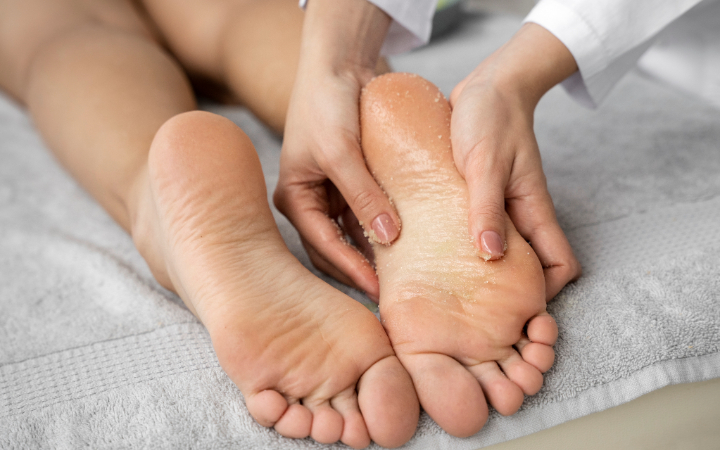
In Ayurveda, the feet are seen not only as physical appendages but also as indicators of deeper health imbalances. Foot health is more than preventing common issues such as corns, calluses, or fungal infections like athlete’s foot; it reflects the functioning of various bodily systems. The practice of Padabhyanga, or Ayurvedic foot massage, plays an essential role in promoting overall wellness by stimulating blood circulation, alleviating stress, and enhancing lymphatic drainage.
Understanding Dosha Influence on the Feet
According to Ayurvedic principles, the feet are governed mainly by the Vata dosha, which influences movement and dryness. When Vata is balanced, the feet tend to be well-nourished, with proper moisture content and skin integrity. However, an imbalance in Vata can lead to dryness, scaling, and joint stiffness. Moreover, other doshas can also affect foot health indirectly. For example, imbalance in Kapha may contribute to swelling or feelings of heaviness in the feet, whereas an aggravated Pitta dosha might cause inflammation or increased sensitivity.
Therapeutic Benefits of Padabhyanga
Ayurvedic foot massage, or Padabhyanga, is recommended to restore balance and energy flow. This traditional therapy involves:
- Using warm herbal oils that are tailored to one's dosha (e.g., sesame oil for Vata, coconut oil for Pitta, and mustard oil for Kapha).
- Massaging the feet with rhythmic strokes to soothe the nervous system and promote better sleep.
- Stimulating pressure points that connect to various organs and bodily functions, supporting overall wellness.
The practice not only rejuvenates the local tissues but also promotes a state of mental and emotional calm, reflecting Ayurveda’s holistic approach, where physical and mental health are intertwined.
Ayurvedic Approach to Menstrual Health
Menstrual health in Ayurveda is considered a window into a woman’s overall well-being, with the menstrual cycle reflecting the inner balance of the body’s doshas. This ancient perspective treats menstruation not as a disorder but as a natural, cleansing process that helps expel toxins and balance the internal environment. Each phase of the menstrual cycle is associated with different dosha influences, which dictate the characteristics and potential imbalances observed during menstruation.
Dosha Dynamics in the Menstrual Cycle
Ayurveda divides the menstrual cycle into three primary phases, each linked to a specific dosha:
- Kapha Phase (Pre-Ovulation): Dominated by Kapha energy, this phase involves the nurturing and growth of the uterine lining. An imbalance in Kapha may result in symptoms such as water retention or bloating.
- Pitta Phase (Ovulation): The energy of Pitta comes to the forefront during ovulation. Under normal conditions, Pitta supports the metabolic activities associated with ovulation; however, an excess can result in mood fluctuations, inflammation, or heavier bleeding.
- Vata Phase (Post-Ovulation and Menstruation): Vata governs the shedding of the uterine lining. When Vata is imbalanced, the menstrual cycle could become irregular or excessively painful, along with symptoms such as anxiety or constipation.
Recognizing the subtle messages from the menstrual cycle empowers women to identify when there are underlying imbalances. Changes in the color, texture, or duration of menstrual flow can signal dosage irregularities and indicate that restorative measures may be needed.
Restorative Ayurvedic Practices and Lifestyle Modifications
To maintain a harmonious menstrual cycle, Ayurveda advises a balanced lifestyle that includes a nourishing diet, regular exercise, and appropriate herbal remedies. Key practices include:
- Dietary Adjustments: Incorporating foods that balance the dominant dosha affecting a woman's cycle. For example, light and warming foods are recommended for soothing Vata imbalances, while cooling and hydrating foods can help balance Pitta.
- Herbal Remedies: Utilizing herbs such as ashwagandha, shatavari, and turmeric, which support hormonal balance and reduce inflammation. These herbs are selected based on their ability to counteract the effects of dosha imbalances.
- Stress Management Techniques: Since emotional stress may exacerbate dosha imbalances, integrating practices such as yoga, meditation, and deep breathing exercises can help maintain equilibrium.
Ayurvedic practitioners often emphasize personalized treatment plans, recognizing that each woman’s cycle is unique. Through holistic observation of symptoms and their patterns, an Ayurvedic consultation can help identify whether lifestyle adjustments or specific therapies are necessary.
Interconnection Between Foot and Menstrual Health
Although foot and menstrual health are distinct aspects of the body’s well-being, Ayurveda sees them as interconnected within the context of overall balance and the flow of vital energy. While the feet are a foundation for stability and reflect the state of the nervous system, the menstrual cycle provides critical insight into the internal balance and detoxification processes occurring in the body.
Shared Themes in Dosha Imbalances
Fundamental to both areas is the concept of dosha balance:
- Vata: An imbalance is commonly observed when there is dryness, irregularity, or pain; this may manifest as rough, cracked skin on the feet and erratic, painful menstrual cycles.
- Pitta: Excessive Pitta may cause hyperactivity in the metabolic processes, leading to inflammations such as tender, over-sensitive feet or heavy, inflammatory menstrual bleeding.
- Kapha: Too much Kapha might result in sluggish circulation, leading to swollen or heavy-feeling feet and potentially a more congested menstrual flow.
Addressing these issues holistically involves both external treatments, such as foot massage and skin care, and internal balancing, such as dietary interventions and herbal supplementation.
Practical Approaches for Balancing Both Systems
Ayurveda provides a number of practical methods that may benefit both foot and menstrual health:
| Aspect | Therapeutic Approach | Benefits |
|---|---|---|
| Foot Massage (Padabhyanga) | Application of herbal oils, gentle massage techniques | Enhances blood circulation, relaxes nerves, maintains skin moisture |
| Herbal Therapy | Use of herbs like ashwagandha and turmeric | Balances doshas, supports hormonal regulation, reduces inflammation |
| Dietary Adjustments | Incorporating seasonal and dosha-appropriate foods | Promotes regular menstrual cycles, supports tissue nourishment |
| Stress Management | Yoga, meditation, and breathing exercises | Regulates Vata, enhances mental calmness, and supports overall equilibrium |
Such approaches not only relieve specific symptoms but can also contribute to long-term health improvements by reinforcing the connection between the physical and energetic systems of the body.
Integrative Practices and Daily Routines
Integrating Ayurvedic practices into everyday life can yield considerable benefits, particularly for those experiencing foot discomfort or menstrual irregularities. An integrative daily routine may include:
Morning Rituals
Beginning the day with gentle practices such as self-massage, using a small amount of warmed herbal oil on the feet, helps stimulate lymphatic flow and set a balanced tone for the day. This can be combined with a short meditation or breathing exercise to promote mental clarity.
Diet and Hydration
Nutrition plays an essential role. Incorporating warm, easily digestible foods and herbal teas can soothe the digestive system and regulate dosha imbalances. During the menstrual phase, focusing on iron-rich and anti-inflammatory foods may help ease discomfort and support overall energy.
Evening Practices
Concluding the day with a mindful foot massage can promote a sense of relaxation and prepare the nervous system for a restful sleep. Evening routines might also include light stretching or yoga, particularly focusing on gentle poses that foster relaxation and balance.
Embracing these practices is not only about managing symptoms; rather, it represents a commitment to holistic well-being. Ayurveda teaches that small, consistent adjustments in daily habits can lead to significant long-term benefits by keeping both the physical and energetic aspects of the body in harmony.
References
- Doctor Rekha - Ayurvedic Foot Massage Insights
-
Haritha Ayurveda - Benefits of Foot Massage
-
Aatreya Ayurveda - Menstrual Cycle Guide
-
PMC - Ayurvedic Foot Care
- Herbal Reality - Menstrual Health Perspective
Recommended Further Queries
Last updated March 12, 2025