
The Etymology of Azerbaijan
An in-depth look into the origins and evolution of the name "Azerbaijan"
Key Insights
- Evolving Historical Name: "Azerbaijan" evolved from ancient designations, notably from Atropates and the region known as Atropatene.
- Fire Symbolism: The name is deeply connected with fire through its Persian roots, reflecting the region's natural phenomena and religious traditions.
- Modern National Identity: Although its origins are ancient, the name was formally adopted in modern times to represent national identity and cultural heritage.
Historical Origins and Evolution
The etymology of the word "Azerbaijan" is complex and steeped in a deep historical tapestry that reflects the diverse cultural and linguistic influences of the region. Rather than being invented by a single person, the name evolved over centuries through the interplay of various linguistic traditions and historical events.
Ancient Foundations
The most widely accepted theory is that the name "Azerbaijan" is derived from the name of Atropates, an influential Persian satrap who governed the region during the Hellenistic period following the conquests of Alexander the Great. Atropates is a key figure, and his legacy is reflected linguistically in the early form of the region’s name, known as "Atropatene." This early name was used by Greek geographers and historians who recorded the various names of the lands they encountered.
Atropatene and Atropates
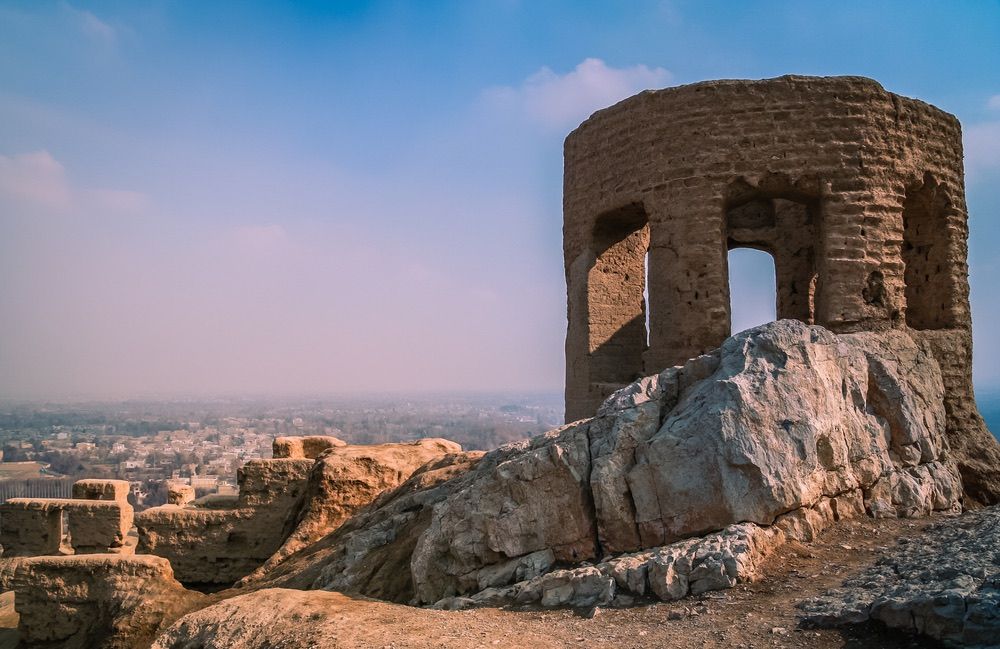
Atropates governed this area around the 4th century BCE, and his name became synonymous with the region. In Old Persian, his name was linked to concepts involving fire. The original term is believed to have roots involving the notion of "firekeeping" or "guardian of fire," which is emblematic of cultural and religious practices prevalent in the area during that period. This connection is notable because the region was renowned for its natural burning oil deposits and the presence of fire temples, facets that were integral to ancient Zoroastrian worship.
Linguistic Evolution
Over the centuries, as control of the region changed and languages mingled, the name underwent numerous transformations. Originally documented as "Atropatene" by classical geographers such as Strabo in the 3rd century BCE, the name was gradually modified linguistically. In Middle Persian, the term evolved into a form that can be interpreted as "Āturpātākān," and later into several variations, including "Ādharbādhagān" and "Ādhorbāygān," before settling into the modern form "Azerbaijan."
The Role of Fire
Another prominent theory behind the etymology of Azerbaijan involves the Persian word "azer," meaning fire. In this context, "Azer" is combined with a word akin to "guardian" (which has been variously rendered as "baydjan" or "baygan"), effectively meaning "protector of fire." This interpretation is supported by the region’s natural characteristics, including natural gas and oil seeps which spontaneously combust, creating literal manifestations of fire across the landscape. Additionally, the religious significance of fire due to the influence of Zoroastrianism further reinforces this etymological perspective.
Modern Adoption and Cultural Significance
Despite its ancient roots, the modern usage of the name "Azerbaijan" is a relatively recent phenomenon in terms of formal national identity. It was not until the early 20th century, particularly during the collapse of the Russian Empire, that the name was revived and officially adopted to denote a sovereign political entity.
Formation of the Azerbaijan Democratic Republic
In 1918, with the establishment of the Azerbaijan Democratic Republic, the name "Azerbaijan" was chosen to represent the emerging state. This decision was significant not only as a reflection of the region’s historical and cultural roots but also as a unifying symbol for the diverse ethnic and cultural groups residing within its borders. The formal adoption of the name at this juncture underscored a deliberate choice to link the modern nation with its ancient past, thereby strengthening a sense of national identity and continuity.
Cultural and Symbolic Relevance
The term "Azerbaijan" embodies far more than a mere geographical designation. It is a symbol of the region’s profound historical heritage and the convergence of various cultural currents over millennia. For the people of Azerbaijan, the name is imbued with deep cultural resonance. Connected to ancient traditions of fire worship, it hearkens back to the times when sacred fires played a critical role in spiritual practices. Additionally, linguistic elements of the term point to a long history of political and social transformation, highlighting the dynamic interplay between indigenous cultures and external influences.
Cultural Legacy and Identity
The continued significance of the name in cultural and national narratives illustrates the way in which language encapsulates historical memory. In a broader context, Azerbaijan stands as an example of how modern national identities can be strongly linked to ancient terminologies that, over time, have gathered layers of meaning from different epochs. The convergence of ideas such as guardianship, fire, and historical personages enriches the name with both mystical and pragmatic connotations, reflecting the region's multifaceted historical journey.
Understanding the Multifaceted Origins
Analyzing the development of the word "Azerbaijan" allows us to appreciate several broader themes in historical linguistics and cultural evolution. Below is a table summarizing the key elements in the evolution of the name:
| Historical Period | Form of the Name | Key Characteristics |
|---|---|---|
| 4th Century BCE | Atropatene | Named after Atropates, reflecting local governance and cultural identities rooted in early Persian traditions. |
| Middle Persian Era | Āturpātākān | Refinement of the name with linguistic influences; retains elements of fire symbolism and guardianship. |
| Pre-Modern Period | Ādharbādhagān/Ādhorbāygān | Gradual transformation through successive language changes, adapting to regional dialects and influences. |
| 20th Century | Azerbaijan | Adopted by the Azerbaijan Democratic Republic to consolidate national identity; reflects both historical heritage and modern political aspirations. |
Integration of Theories
While the derivation from Atropates offers the most historically grounded explanation, the fire-based interpretation also carries considerable weight. Both views share a common theme: the significance of fire, whether as an aspect of divine worship in Zoroastrianism or as a metaphor for protection and vitality. The intertwining of these narratives throughout centuries illustrates how historical memory is constructed through both tangible events and mythic symbolism.
A Synthesis of Approaches
It is important to recognize that the word "Azerbaijan" is not the product of a single individual’s creativity but rather the outcome of a gradual linguistic evolution influenced by multiple cultures and historical epochs. The dual themes reflected in its etymology—one drawing from a prominent historical figure and another imbued with symbolic fire imagery—demonstrate how names can act as repositories for layered meanings. This synthesis of political, cultural, and linguistic narratives underpins the enduring legacy of the name and its relevance to both historical scholarship and national identity.
Additional Context and Related Considerations
The etymological journey of "Azerbaijan" mirrors larger trends in how geographic names evolve. Throughout history, regions have often been named after prominent leaders, natural phenomena, or cultural practices that define them. In the case of Azerbaijan, the interplay between a revered historical figure and the potent symbolism of fire provides a distinctive narrative that encapsulates both the mythic and pragmatic dimensions of the region.
The Broader Impact on National Identity
Adopting the ancient name in a modern context was a strategic cultural decision. During the early 20th century, as national consciousness was on the rise across many parts of the world, there was a deliberate effort in Azerbaijan to connect the modern state with its historical antecedents. This invocation of a storied past served to enhance national pride and provided a unifying symbol that resonated with various ethnic groups within the country. The name “Azerbaijan” thus became more than a label—it turned into a powerful marker of heritage and continuity that bridges antiquity and modern political identity.
Legacy in Modern Scholarship
Contemporary scholars continue to explore and debate the intricacies of the name's evolution. The discussion itself underscores the importance of historical linguistics in understanding how cultures define themselves and how language can consolidate disparate historical threads into a single, coherent identity. As research progresses, additional layers of interpretation may emerge, further contributing to the rich historiography of the region.
References
- Azerbaijan Information - Azerbaijan.az
- Azerbaijan Etymology - Etymonline
- Azerbaijan - New World Encyclopedia
- Azerbaijan - Wikipedia
- Origin of the Azerbaijanis - Wikipedia
Recommended Further Exploration
Last updated February 28, 2025