
Unveiling the Secrets of the B-2 Spirit
Explore the cutting-edge stealth bomber shaping modern warfare.
Key Highlights
- Stealth and Design: Innovative flying wing design and advanced stealth capabilities.
- Versatile Payload: Capable of deploying both conventional and nuclear munitions over vast ranges.
- Modernization Efforts: Continual upgrades and integration of new systems to counter evolving threats.
Introduction to the B-2 Spirit
The B-2 Spirit, famously known as the Stealth Bomber, was developed by Northrop Grumman and has become a pivotal asset for the United States Air Force (USAF). This aircraft embodies a revolutionary approach to stealth technology, with its distinctive flying wing design that minimizes radar cross-section, optical, and acoustic signatures. The integration of composite materials combined with specialized coatings ensures that the B-2 Spirit remains nearly invisible to enemy detection systems.
Historical Context and Development
The development of the B-2 Spirit began during the Cold War when the need for a stealthy, long-range strategic bomber became increasingly apparent. Its first flight occurred in 1989, and it officially entered service in the mid-1990s. Designed to operate in a spectrum of combat scenarios, the B-2 has seen action in various conflicts, demonstrating its ability to deliver both conventional and nuclear weapons. Its contributions during operations in the Kosovo War, Middle Eastern engagements, and beyond, underscore its strategic significance.
Design and Technological Innovations
Stealth Capabilities and Aerodynamics
One of the most striking features of the B-2 Spirit is its stealth capability. The aircraft’s low-observable design is achieved through innovative engineering:
Flying Wing Configuration
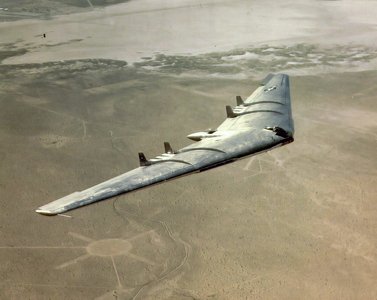
The B-2’s flying wing design removes the traditional fuselage and tail sections, which substantially decreases the aircraft’s radar cross-section. This configuration not only enhances stealth but also contributes to aerodynamic efficiency, making it possible for the bomber to maintain high speeds and extended ranges while evading detection.
Composite Materials & Special Coatings
Utilization of advanced composite materials in the airframe construction, along with radar-absorbent coatings, further suppresses the aircraft’s electromagnetic signature. These materials are not only lightweight, adding to fuel efficiency and endurance, but also provide durability and resistance to varying environmental conditions.
Advanced Avionics and Automation
The avionics systems of the B-2 Spirit incorporate cutting-edge digital communications and integrated mission systems. The automation allows for optimal crew performance by alleviating workload and supporting long-endurance missions. Moreover, recent upgrades such as the Spirit Realm 1 (SR 1) involve enhancements in displays, flight hardware, and software updates that contribute to better situational awareness and overall survivability.
Capabilities and Operational Performance
Payload and Range
The B-2 Spirit is synonymous with versatility. It can carry a wide range of munitions – from precision-guided conventional bombs to strategic nuclear weapons. The bomber is engineered to execute missions at altitudes of up to 50,000 feet and possesses an unrefueled range exceeding 6,000 nautical miles. This extensive range gives it the ability to conduct deep penetration strikes into contested territory.
Crew and Automation
Operated by a highly trained crew mainly composed of a pilot and a mission commander, the B-2 Spirit features heightened automation which permits one crew member to rest while support systems actively manage aspects of flight control and mission execution. This level of automation is pivotal during long-duration missions, reducing fatigue and enhancing overall mission effectiveness.
Modernization and Future Prospects
Ongoing Upgrades
Even after decades of operational service, the B-2 Spirit remains at the forefront of strategic bomber technology, largely due to ongoing modernization initiatives. The integration of the Spirit Realm 1 system has been crucial in updating the aircraft’s digital displays, flight hardware, and software capabilities. These improvements not only increase the survivability of the bomber but also ensure its compatibility with modern weapon systems and communication protocols.
Alongside hardware enhancements, the introduction of advanced ordnance like the Joint Air-to-Surface Standoff Missile (JASSM) and improvements to targeting systems such as the Radar Aided Targeting System (RATS) have further solidified the B-2’s role as a multi-faceted weapon in both conventional and nuclear warfare strategy.
Strategic Replacement Plans
While the B-2 Spirit has set a high standard for stealth and versatility, the U.S. defense strategy is already looking toward the future with the development of the next-generation stealth bomber – the Northrop Grumman B-21 Raider. This transition demonstrates a commitment to evolution in strategic airpower, ensuring that the capabilities of the U.S. Air Force remain unmatched in future combat scenarios.
Technical Specifications at a Glance
Below is a comprehensive table summarizing the technical specifications and key features of the B-2 Spirit:
| Specification | Details |
|---|---|
| Design: | Flying wing design with composite materials and stealth coatings |
| Role: | Strategic bomber for conventional and nuclear missions |
| Crew: | 2 (Pilot and Mission Commander) |
| Range: | Over 6,000 nautical miles (unrefueled) |
| Service Ceiling: | Up to 50,000 feet |
| Payload Capacity: | Up to 60,000 pounds of ordnance |
| Engines: | Four General Electric F118-GE-100 turbofan engines |
| Operational History: | Operational since the 1990s, deployed in multiple global conflicts |
| Modernization: | Spirit Realm 1 upgrades, integration of JASSM and advanced targeting systems |
Operational Impact and Strategic Value
Deterrence and Versatility
The B-2 Spirit not only functions as a potent weapon system but also serves as a critical element in the United States' strategic nuclear deterrence. Its ability to operate undetected in highly defended airspaces enhances its credibility as both a conventional and nuclear deterrent force. The bomber’s presence in various theaters of operation reinforces U.S. commitment to national and allied security, ensuring rapid response capability in crises.
Adaptability in Modern Warfare
With its rapid modernization and sustained deployment in contested environments, the B-2 has adapted to the evolving landscape of modern aerial combat. Recent field tests have demonstrated its operational readiness even in highly contested regions, where integrated systems enable it to tackle a wide range of threats. This adaptability makes the B-2 a crucial asset in maintaining air superiority in unpredictable conflict scenarios.
References
- Northrop Grumman B-2 Spirit Stealth Bomber - Northrop Grumman
- Northrop B-2 Spirit - National Museum of the USAF
- Air Force Fact Sheet - B-2 Spirit
- B-2 Spirit - Military.com
- B-2 Spirit: Evolving with Agility - Northrop Grumman News
Recommended Further Inquiries
Last updated March 26, 2025