
Comprehensive Research Paper on Persistent Odors in Baby Clothes
Understanding and Solving the Odor Problem in Infant Clothing
Key Highlights
- Multi-factorial Causes: Inadequate washing techniques, bacterial growth, machine maintenance, and drying issues contribute to persistent odors.
- Effective Pre-treatment and Washing: Immediate stain treatment, proper soaking, and use of odor-neutralizing additives can significantly reduce smells.
- Comprehensive Maintenance: Regular cleaning of washing machines, avoidance of overloading, and proper drying practices are critical for maintaining fresh clothing.
I. Overview of the Problem
Introduction to the Issue
Parents of infants are frequently confronted with the challenge of laundering baby clothes that have been subjected to constant drooling, spills, and moisture accumulation, especially in areas like the chest. This persistent contamination not only results in visible stains but also leads to enduring, unpleasant odors even after the clothes have been washed. The problem becomes more complicated when the odor transfers to other laundry items during washing.
The underlying issue originates from the unique nature of baby clothing: they are regularly exposed to protein-rich liquids such as milk and food along with water, which, when left to sit on fabrics, create an ideal environment for bacterial growth. This bacterial multiplication process, compounded by faulty washing techniques, inadequate drying, and malfunctioning or neglected washing machines, can result in stubborn smells that are not completely corrected by standard laundering processes.
Significance for Parental Care
Fresh, clean clothing is not only a comfort factor but also a hygiene requirement for the well-being of a baby. Persistent odors can affect the overall freshness of the laundry and may even lead to potential skin irritations if bacteria are not adequately eradicated. Therefore, understanding the complexity of this problem and identifying comprehensive corrective measures is imperative for all parents.
II. Detailed Analysis of Potential Causes
A. Moisture Accumulation and Immediate Aftermath
1. Persistent Wetness and Residue
Baby clothes, particularly those worn during feeding, can become saturated with liquids, leading to prolonged moisture retention. The chest area, often in constant contact with milk, water, and food, provides a rich substrate for bacteria.
The persistence of moisture on the fabric surface allows residual droplets laden with proteins and carbohydrates to remain even after an initial wash. When these substances are not promptly pre-treated, they break down and create compounds that are notorious for their unpleasant smells.
2. Immediate Contamination Factors
Immediate exposure to contaminants such as drool and food residues can lead to the formation of tiny deposits that standard washing cycles might not entirely remove. These deposits can absorb and trap residual odors, setting the stage for persistent smells.
B. Inadequate Washing Techniques
1. Insufficient Water Temperature
One prominent issue is the use of water temperatures that are too low to effectively break down and remove protein-based residues. While delicate baby fabrics often require gentle washing at cooler temperatures, this can inadvertently result in insufficient microbial killing and incomplete removal of fat and protein deposits.
2. Overloading of Washing Machine
Overloading the washing machine can compromise the mechanical action and the rinsing process, leaving behind detergent residue and odor-causing compounds on the fabric. The crowded machine setting restricts the circulation of water and cleaning agents, preventing thorough cleansing of each garment.
3. Residual Detergent and Chemical Buildup
Using excessive detergent or utilizing formulations that are not effective against organic stains may result in a residue buildup that traps odors. This residue can form a film on the fabric, which acts like a barrier keeping the unpleasant smell locked within the fibers.
C. Washing Machine and Dryer Factors
1. Machine Contamination
A common overlooked factor is the washing machine itself. Modern high-efficiency washers often use less water, which may result in detergent and bacteria not being entirely flushed out. Over time, these residues can build up inside the machine, creating an environment where mold and mildew thrive.
2. Drying Inefficiencies
Inadequate drying, particularly in enclosed spaces or humid environments, leads to moisture retention. Damp clothes provide an ideal breeding place for bacteria and fungus, which can metabolize the trapped organic compounds and result in persistent odors. Whether drying on a clothesline indoors without sufficient ventilation or leaving clothes in a machine that isn’t completely dried, the failure to remove all moisture post-wash is a critical factor.
D. Bacterial and Mold Growth
Both bacteria and mold require moisture and organic material to flourish. When baby clothing remains damp for extended periods, the protein and fat residues from milk and food provide an excellent growth medium. The decomposition of these substances by microbial activity produces volatile compounds that are responsible for the larval, stale smell often associated with persistent odors in baby clothes.
III. Detailed Explanations and Instructions on How to Solve the Problem
A. Pre-Washing Preparation
1. Immediate Stain Treatment
It is paramount to act as soon as the spill occurs. Immediately blot the affected area with a clean, dry cloth to remove as much of the liquid as possible. Avoid rubbing, which may push the liquid deeper into the fabric. For fresher stains, applying a baby-safe enzyme-based stain remover can help break down the protein-rich residues.
2. Pre-Soaking Options
Pre-soaking garments in a solution can help remove stubborn residues. Consider a cold water soak combined with a gentle, heavy-duty detergent. Alternatively, soaking clothes overnight in a 50/50 solution of water and white vinegar may help neutralize odors thanks to vinegar’s natural antibacterial properties.
B. Washing Techniques
1. Temperature and Cycle Selection
When treating baby clothes, it is critical to balance fabric care with effective cleaning. If the fabric’s care label allows, use the highest water temperature that can be safely tolerated. Hot water is more effective at killing bacteria and dissolving stubborn residues, such as proteins and fats from milk. Choose a cycle that allows for prolonged agitation and an extra rinse to ensure that detergent residues and any breakdown products are completely removed.
2. Odor-Neutralizing Additives
Natural deodorizers such as baking soda and white vinegar are highly beneficial. Add 1/2 cup baking soda during the wash cycle to absorb odors, and include 1/2 to 1 cup white vinegar in the rinse cycle, which acts as a natural odor neutralizer. Some parents also supplement with oxygen bleach, which is effective at removing organic soils without damaging delicate fabrics.
3. Avoiding Overload and Correct Detergent Use
It is important to be cautious about the quantity of detergent used. Too much detergent can lead to a residue that traps smells, while too little results in inadequate cleaning. Additionally, avoid overloading the washing machine. Use separate loads for heavily soiled baby clothes and other items to prevent cross-contamination of odors.
C. Drying Methods
1. Sun Drying and Ventilation
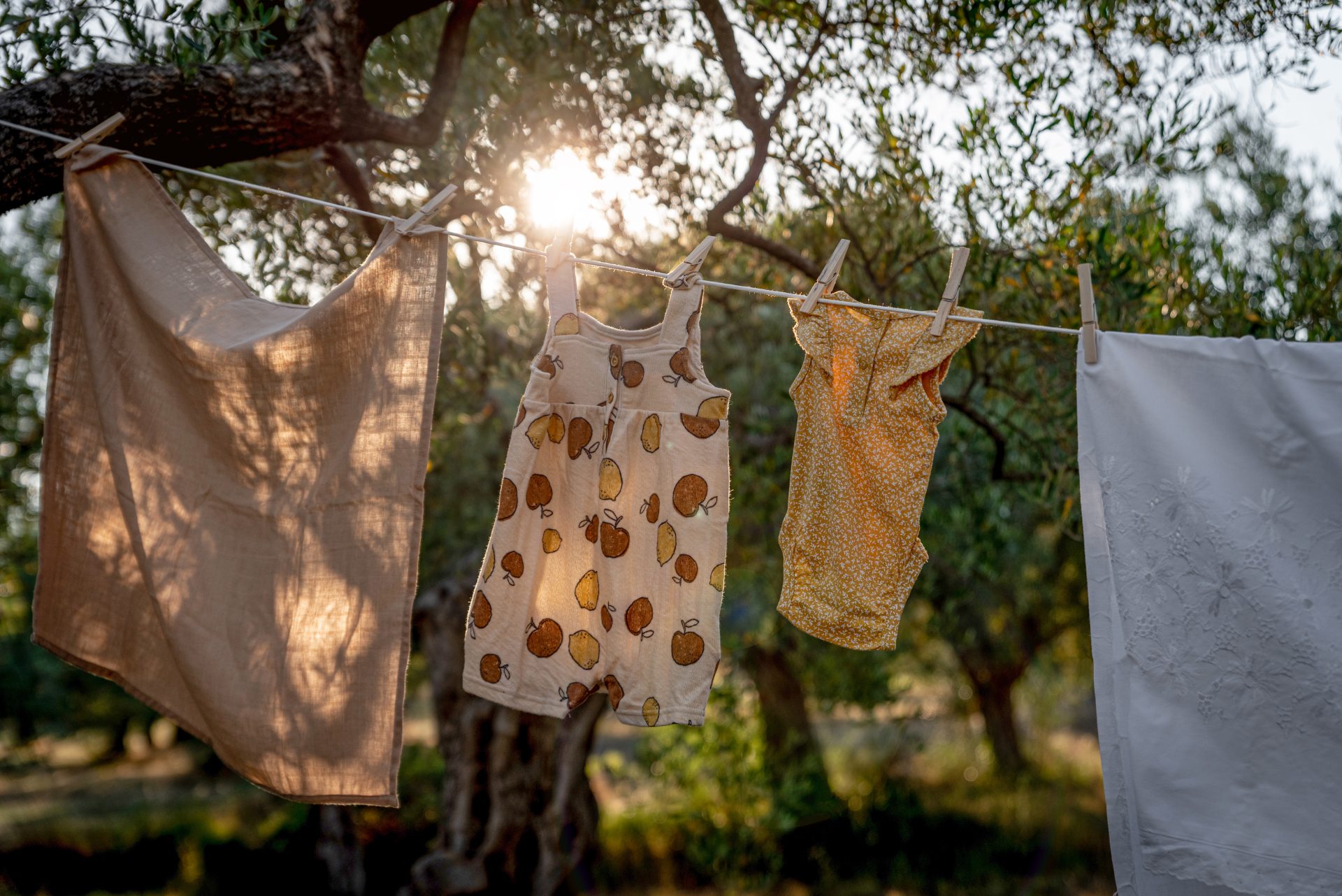
Whenever possible, dry baby clothes outdoors in direct sunlight. Sunlight naturally has antibacterial properties which aid in eliminating bacteria that cause odors. Exposure to the ultraviolet rays accelerates the breakdown of odor-causing compounds. If outdoor drying is not feasible, ensure that indoor drying is done in a well-ventilated area to avoid the buildup of humidity.
2. Immediate and Thorough Drying Practices
It is critical to transfer wet clothes from the washer to the dryer immediately. Do not allow them to sit in the washer for extended periods, as this can lead to mildew growth. Use a high heat setting on the dryer if the fabric permits, ensuring that the garments are completely dry before folding or storing them.
D. Washing Machine Maintenance
1. Regular Cleaning and Sanitation
Maintaining a clean washing machine is essential to prevent the buildup of detergent, bacteria, and mold. Run an empty cycle using hot water mixed with white vinegar or a small amount of bleach at least once per month to disinfect the machine. Additionally, remove and clean any filters, seals, and detergent compartments regularly.
2. Operational Practices
After completing your laundry cycle, leave the door of a front-loading machine open to let the interior air out. This simple practice helps prevent moisture from accumulating inside, thereby reducing the potential growth of mold and bacteria.
E. Addressing Cross-Contamination
To prevent the transfer of persistent odors from heavily soiled baby clothes to other laundry items, it is advisable to wash them separately until the smells are completely eradicated. By treating baby clothing as a distinct category and following specialized pre-treatment and washing protocols, you can effectively isolate and eliminate any offending odors before reintegrating them with the rest of your laundry.
IV. Additional Considerations and Tips
A. Use of Gentle, Hypoallergenic Detergents
Baby skin is delicate, and it is important to use detergents that are both effective in cleaning and gentle on the fabric and skin. Hypoallergenic, fragrance-free detergents are preferred as they minimize the risk of irritation while effectively removing organic residues. Transitioning to a detergent specifically formulated for baby clothes can ensure both cleanliness and safety.
B. Integration of Essential Oils (with Caution)
Some parents opt to add a few drops of essential oils, such as lavender or tea tree oil, during the final rinse cycle for a pleasantly subtle fragrance. However, caution must be exercised since babies can be sensitive to strong scents. Always test on a small batch of clothes first or consult a pediatrician if allergies are a concern.
C. Additional Laundry Accessories
Utilizing accessories such as mesh laundry bags can help manage small items like socks, ensuring uniform exposure to both washing and drying processes. This equipment helps prevent marked differences in cleanliness and reduces the risk that tiny garments can harbor bacteria or retain trapped odors.
D. Creating a Consistent Laundry Routine
Establishing a regular maintenance routine for both the clothing and the washing machine is vital. Monitor laundry loads for any deep-seated odor issues, and adjust practices as necessary. Regular checks for persistent stains and odors can help detect and rectify emerging issues before they become entrenched.
E. Summarizing the Procedures and Best Practices
| Step | Action | Key Benefit |
|---|---|---|
| Pre-Treatment | Immediate blotting, enzyme cleaners, pre-soak solution (vinegar/water) | Breaks down initial residues before washing |
| Washing | Hot water (if fabric safe), extra rinse cycle, additives (baking soda, vinegar) | Eliminates bacteria and odor trapped residues |
| Drying | Sun-drying or high heat in dryer, immediate transfer | Prevents moisture retention and microbial growth |
| Machine Care | Monthly cleaning cycles, leave door open to air | Prevents buildup of detergent and bacteria |
This tabular summary outlines the best practices for handling baby clothes affected by persistent odors. Each step is designed to address the root causes of the odor issue early in the process, ensuring a comprehensive approach towards fresh and hygienic clothing.
V. Conclusion and Final Thoughts
Conclusion
The challenge of persistent odors in baby clothes is multifaceted, involving factors from washing approaches and machine maintenance to post-laundering drying strategies. The core issues stem from moisture retention, insufficient washing protocols, and bacterial or mold growth exacerbated by inadequate drying. By implementing a rigorous pre-treatment regime, adjusting washing techniques to include higher temperatures (when safe), and using natural additives like vinegar and baking soda, you can effectively reduce and eliminate unwanted smells.
Equally important is the regular maintenance of your washing machine and dryer. Ensuring that your laundry appliances are free from detergent buildups and microbial colonization is essential to prevent recontamination of freshly washed garments. In addition, modifying laundry habits such as not overloading machines and drying clothes thoroughly further reinforces the effectiveness of the overall strategy.
Ultimately, parents can safeguard their children’s hygiene and comfort by adopting these comprehensive methods and maintaining consistent care routines. The persistent effort in preventing moisture accumulation and dealing with microscopic residues will, over time, yield visibly fresher and more hygienic baby clothing.
References
- How to Make Baby Clothes Smell Good Naturally - Natural Baby Life
- How to Remove Milk or Cream Stains - The Spruce
- How to Clean Spilled Milk on Carpet & Fabric - Molly Maid
- How to Get Rid of the Smell of Spilt Milk - Cleanipedia
- Why Do Clothes Smell After Washing? - Speed Queen
- How to Clean Milk From Upholstery - Hunker
-
How to Remove Spoiled Milk Odors from a Car's Interior - WikiHow
- A Guide to Banishing Milk Spills From Your Couch - NW Maids
Recommended
Last updated February 21, 2025