
The Importance of Backyard Chickens
Exploring Sustainable Living, Nutrition, and Community Engagement
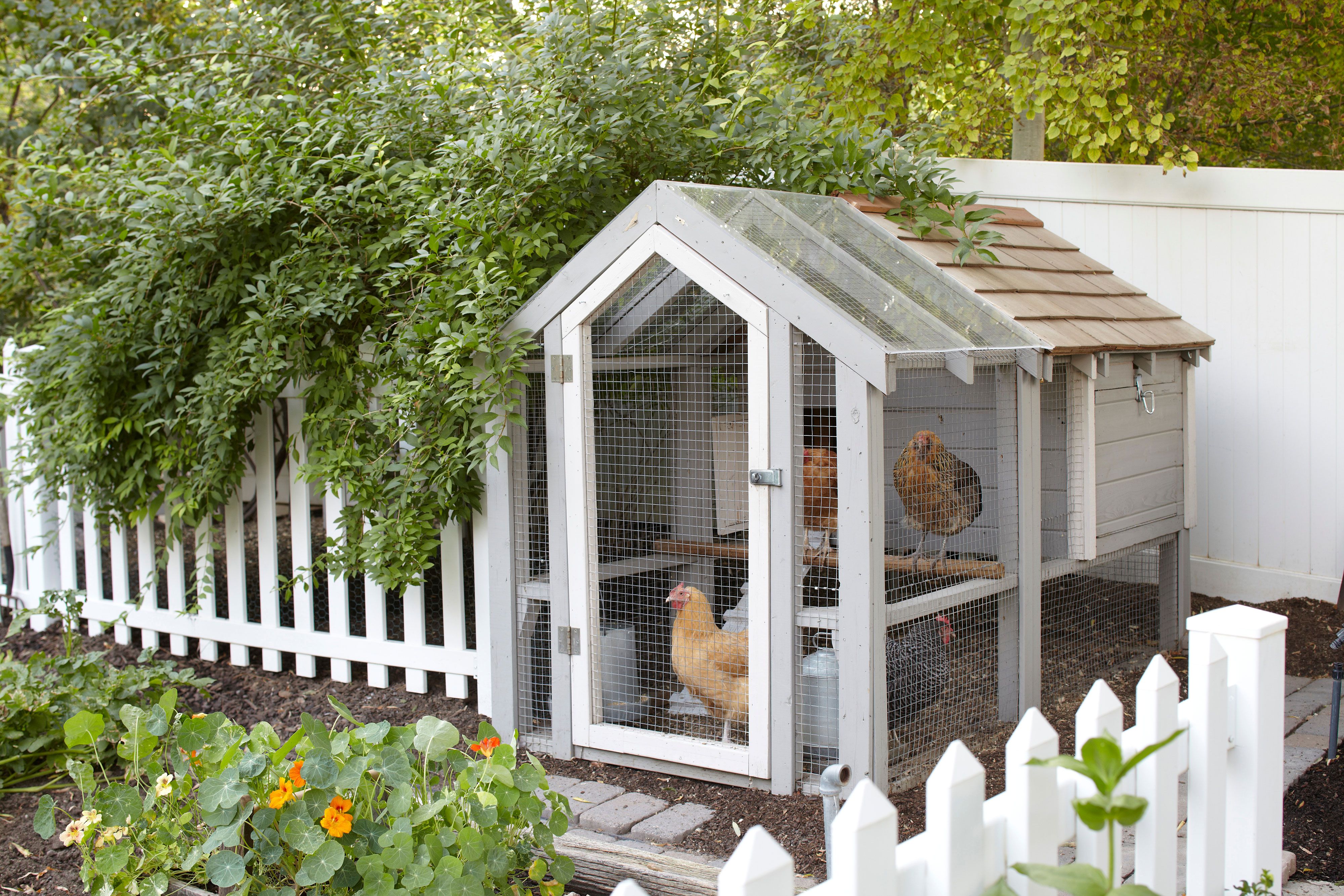
Highlights
- Sustainable Living: Backyard chickens reduce waste, aid in pest control, and crop fertilization.
- Nutritional Benefits: They provide fresh, nutrient-rich eggs and potential meat sources produced ethically at home.
- Social and Educational Value: Raising chickens offers hands-on learning for families, community engagement, and stress relief.
Overview of Backyard Chickens
Keeping backyard chickens has grown in popularity as more individuals and families seek to live sustainably, reduce their ecological footprint, and take control of their food sources. These small-scale aviaries offer a multifunctional approach to diet, waste management, pest control, and even mental well-being. Whether you are motivated by the prospect of harvesting fresh eggs daily or interested in developing a mini-farm ecosystem, the benefits of keeping chickens extend far beyond simply raising birds.
Fresh Food Production
One of the most compelling reasons to keep backyard chickens is the immediate and reliable source of fresh, high-quality eggs. Fresh eggs produced in a home setting often contain higher levels of essential nutrients compared to many commercially available options. Backyard chickens typically enjoy better living conditions, and their eggs tend to have richer flavors and superior nutritional profiles, thanks to their varied diets that include natural food sources. This closeness to the source of production also means that you have complete traceability and control over the rearing practices used to ensure ethical animal treatment.
Quality and Nutritional Impact
Eggs are considered a staple in many diets because they are a source of high-quality protein, vitamins, and minerals. Home-raised eggs are free from the antibiotics and hormones that are sometimes used in industrial farming operations. Moreover, satisfying your family’s nutritional needs with eggs you can trust reduces dependency on supermarket chains, giving you a sustainable means to ensure a constant supply of essential nutrients.
Sustainable and Environmentally-Friendly Practices
Backyard chickens are an integral part of a sustainable lifestyle. They contribute significantly to waste reduction efforts by eating kitchen scraps that would normally be discarded, thus lowering the amount of organic waste headed to landfills. This natural recycling process reduces household garbage while repurposing the nutritional value of leftovers.
Waste Management and Soil Improvement
The waste produced by chickens, when composted and correctly processed, becomes an excellent organic fertilizer that enriches garden soil. This fertilizer is high in nitrogen and other beneficial nutrients needed for healthy plant growth. By incorporating chicken manure into your garden, you create a natural, renewable cycle that nurtures soil health and improves crop yields without relying on synthetic fertilizers.
Integrated Pest Control
Besides waste management, chickens naturally control pests. Their foraging behavior makes them excellent at hunting and eating common garden pests such as slugs, insects, and other small critters that can damage plants. This organic pest control method reduces the need for chemical pesticides, creating a safer and healthier environment for both your garden and household.
Economic Advantages and Self-Sufficiency
Although starting a backyard chicken setup requires an initial investment in coops, feed, and bedding, the long-term economic benefits are significant. By producing your own supply of eggs and even meat, you reduce grocery bills and hedge against fluctuations in food prices. This form of self-sufficiency is particularly valuable in times of economic uncertainty, as it provides a buffer against food scarcity or inflation.
Cost-Effectiveness
Over time, the savings on eggs and meat can offset the upfront costs of maintaining your flock. Some households even generate surplus eggs or birds that can be sold locally, creating an additional income stream. This economic viability underscores why many view raising chickens not only as a hobby but also as a smart investment in personal food security.
Building Self-Reliance
In an era when many people are concerned about the reliability of global food supply chains, having your own backyard chickens can foster a sense of independence and confidence. This self-reliance isn't just about saving money—it's also about knowing exactly where your food comes from and how it is produced. These practices encourage a deeper understanding of sustainability and the importance of local food systems.
Community and Educational Impact
Beyond the practical benefits related to food production and waste management, backyard chickens play a crucial role in community development and educational enrichment. They serve as a live demonstration of sustainable principles and offer unique opportunities to learn about animal husbandry, organic practices, and even basic biological processes.
Learning Opportunities for All Ages
Keeping chickens can be a hands-on educational tool. For children, in particular, caring for the flock offers a tangible way to learn about where food comes from, the responsibilities of caring for another living creature, and the natural cycles of life. Educational programs or school curriculums that include small farm projects often feature backyard chickens to illustrate these concepts. Adults too gain insights into sustainable living strategies, fostering better dietary habits and a greater appreciation for the environment.
Building Community Bonds
In addition to individual educational benefits, chickens have the power to bring communities together. Many chicken keepers participate in local groups or cooperatives where they share advice on care, coop construction, and business practices such as egg selling. Such interactions build a community knowledge base and support system. Neighbors may exchange eggs, co-op on feed supplies, and even share surplus birds. This type of community-building strengthens social bonds and encourages a collective movement toward sustainable living.
Emotional and Mental Well-Being
The benefits of raising backyard chickens also touch on emotional and mental health improvements. Caring for animals has long been associated with reduced stress and mental rejuvenation. Observing the natural behavior of chickens, their social interactions, and their playful antics can elevate mood and decrease anxiety levels.
Routine and Responsibility
The daily responsibility of feeding, watering, and cleaning the coop creates a purposeful routine that many find therapeutic. The predictable cycle of tending to the chickens can offer a sense of structure, grounding the mind, and providing overall psychological benefits. In this way, backyard chickens do more than provide food—they contribute to a holistic approach to well-being.
Connection to Nature
Engaging in the care of live animals and witnessing the cycles of nature can create a deeper connection to the natural world. This connection is essential for mental rejuvenation, especially in today’s fast-paced urban environments. The calming effect of animal care, combined with the satisfaction of watching your small ecosystem thrive, can be a significant mood booster.
Practical Aspects and Considerations
While the advantages are numerous, potential chicken keepers should also consider some practical aspects before starting their flock. It is important to plan for the proper care, secure housing, and necessary maintenance that chickens require.
Coop Construction and Maintenance
A well-built coop is essential to keeping chickens safe from predators, adverse weather conditions, and diseases. The coop should be well-ventilated, secure, and spacious enough to allow the chickens to move comfortably. Routine cleaning and upkeep are necessary to prevent the spread of disease and ensure a healthy flock.
Local Regulations and Zoning Laws
Before establishing a backyard chicken setup, it is also important to check with local authorities regarding any zoning laws or regulations pertaining to livestock. This ensures that the practice adheres to community standards and prevents any potential legal issues.
Comparative Analysis: Key Benefits Table
| Aspect | Key Benefits | Long-Term Advantages |
|---|---|---|
| Food Production | Fresh, high-quality eggs and occasional meat | Reduced dependency on commercial food sources and improved nutrition |
| Sustainability | Recycling of kitchen scraps and natural fertilizer production | Enhanced soil fertility and reduced waste going to landfills |
| Pest Control | Natural pest management through foraging | Decreased use of chemical pesticides and healthier crops |
| Economic Impact | Lower grocery bills by producing eggs at home | Potential income through surplus egg sales and food security |
| Educational Value | Hands-on learning about animal care and sustainability | Long-lasting life skills and community knowledge sharing |
Deep Dive: Multifaceted Benefits
Nutritional Edge and Health Implications
Backyard chickens help deliver a nutritional edge to your diet. The eggs they produce are often noted to have a more robust flavor profile and a superior nutrient content, which can be attributed to their varied diets and healthier rearing conditions. Consuming these eggs not only boosts protein intake but also provides an array of vitamins and minerals essential for overall health.
Ethically Sourced Food
By raising chickens at home, you are ensuring that your food is ethically sourced and raised in humane conditions. There is an inherent satisfaction in knowing that your produce is free from harsh industrial practices; instead, it comes from birds that live a respectful, natural lifestyle.
Promoting Environmental Sustainability
The synergy between backyard chickens and the environment is noteworthy. They actively participate in reducing organic waste, thus playing a vital role in recycling nutrients. With proper management, the coop ecosystem can serve as a model of circular agriculture, where waste products are converted into resources that further promote garden and crop health.
Long-Term Ecosystem Benefits
When household waste is reduced and repurposed, environmental degradation is minimized. The resulting organic fertilizer enriches the soil, improves water retention, and reduces plant disease, demonstrating the long-term sustainability that backyard chickens offer. This closed-loop system represents how traditionally simple practices can lead to significant environmental returns.
Emotional, Social, and Community Dimensions
In addition to tangible benefits like food production and waste reduction, backyard chickens add a profound emotional and social dimension to everyday life. The process of caring for these birds offers a break from the fast-paced digital environment, fostering a meditative engagement with nature that many find soothing and fulfilling.
Strengthening Community Ties
As backyard chicken keeping is often shared as a community project or hobby, it paves the way for neighborly engagement. Whether through local meet-ups, exchange of best practices, or even collaborative egg-selling initiatives, the activity builds social capital and fosters mutual support among like-minded individuals. These interactions not only enhance individual knowledge but also drive local sustainability efforts.
Therapeutic Benefits
The routine of caring for chickens, observing their interactions, and being part of a living, breathing ecosystem can have a deeply therapeutic impact. In today’s high-stress environments, having a direct connection to nature provides both mental clarity and emotional relief, making backyard chickens much more than a means to an end—they become part of a holistic lifestyle.
Implementation Considerations
It is important to approach backyard chicken keeping with the right amount of research and preparation. Planning the layout of your coop, ensuring proper nutrition and health care for the flock, and aligning with local regulations are all critical steps for success.
Planning and Setup
Investing time in selecting the appropriate breed, designing a functional coop, and organizing a feeding schedule will contribute to the success and longevity of your backyard flock. Be mindful of local ordinances that may influence flock size or coop placement. A well-planned setup not only ensures the health of the chickens but also maximizes the benefits for your garden and household ecosystem.
Ongoing Maintenance and Care
Regular maintenance routines, including cleaning the coop, monitoring chicken health, and periodic coop repairs, are essential. Implementing a robust plan for the care of your flock will ensure that the balance between sustainability, economic viability, and educational benefits is maintained over time.
References
- Reddit Discussion - Reddit
- Six Unexpected Benefits - Dine-A-Chook
- Benefits of Having Chickens - Organic Feeds
- 7 Benefits of Backyard Chickens - Stromberg's Chickens
- Benefits of Raising Chickens - Purina Mills
- Benefits of Backyard Chickens - Green America
- Keeping Chickens Benefits - Soil Association
- Chickens and Sustainability - Dine-A-Chook
- Organic Feeds Website - Organic Feeds
- Green America - Green America
Recommended Related Queries
Last updated March 2, 2025