
Comprehensive Instruction Manual for Your Bag
Detailed guide covering use, care, assembly, and maintenance
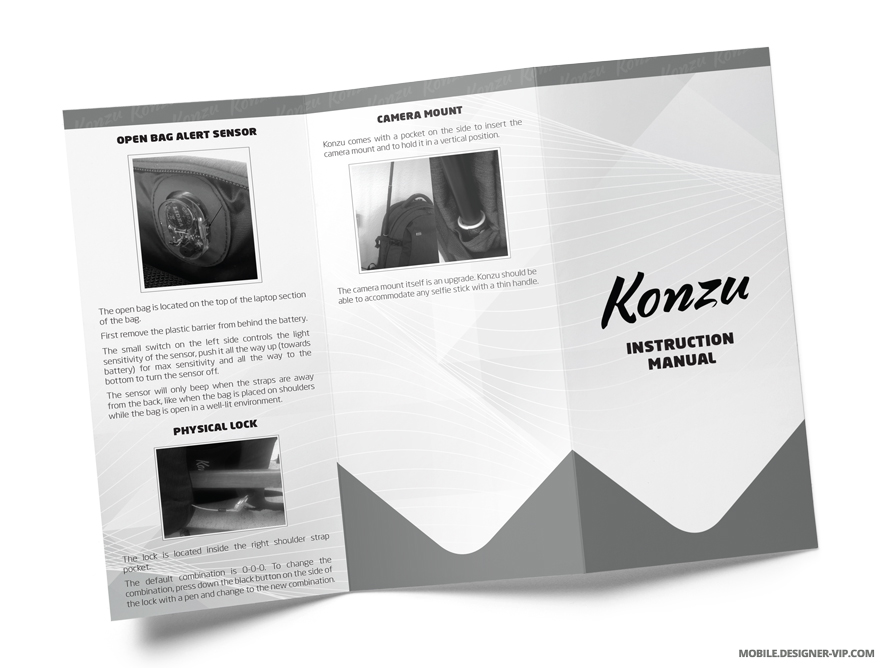
Key Insights
- Wide Range of Bags: Manuals exist for various bag types including travel, cargo, sport, and specialized bags.
- Detailed Usage and Care Instructions: Guidance covers assembly, usage, cleaning, maintenance, and troubleshooting.
- Access to Digital and Physical Resources: Instruction manuals are accessible online in PDF format, published by manufacturers and support websites.
Introduction
This comprehensive instruction manual aims to guide you through every aspect of using your bag, ensuring its optimum performance and longevity. Whether you have a modern bike travel bag, a rugged cargo carrier, a stylish fashion bag, or a specialized gym or heavy bag, this guide incorporates detailed assembly instructions, operational tips, maintenance advice, and troubleshooting strategies. Drawing on multiple credible sources, the manual covers various bag types and features, giving you the insights you need to maximize your bag’s functionality.
Understanding the Different Types of Bags
Bags vary according to their design and intended use. Instruction manuals are often tailored to the specific features of each bag. Some common types include:
- Travel Bags and Bike Travel Bags: Designed for ease of transport and often include assembly instructions and safety guidelines.
- Cargo Carrier Bags: Heavy-duty carriers that are resistant to water and designed for transporting goods or sports equipment.
- Sport and Gym Bags: Designed for active users, often including compartments for batteries or equipment, with specific care instructions.
- Specialized Bags: This category includes side bags for bikes, leg bag emptying systems, and even sanitization or bag sealer accessories. Each comes with a tailored manual focusing on assembly, usage, and maintenance.
Components and Features
Regardless of the type, many bags share similar key features. Knowing these features can help you better utilize and maintain your bag:
Main Compartment
The primary storage area, typically accessed via zippers. Manuals detail how to safely open, close, and secure this compartment to ensure your belongings remain safe.
Front Pocket and Side Pockets
Smaller, frequently zippered or open pockets allow you to store essential items such as phones, wallets, and keys. Keeping these pockets organized is crucial for easy access and balanced weight distribution.
Shoulder Straps and Handles
Adjustable straps ensure a comfortable fit whether carrying your bag on your back or shoulders. A sturdy grab handle provides additional versatility, especially for lifting and transporting without wearing it.
Additional Features
Some specialized bags incorporate unique design elements such as battery compartments, waterproof materials, and integration with electronic devices (e.g., LED indicators for portable sanitize bags). These extra features are carefully explained within the respective user manuals.
Detailed Usage Instructions
Following the correct usage instructions is essential for both performance and longevity of your bag. Below, we break down the steps to properly utilize your bag.
Assembly and Installation
Many bags require a degree of assembly before use. For example, bike travel bags may need to be fitted to the bicycle with special mounting hardware like Velcro straps. Cargo carrier bags might come with separate compartments that need to be secured together.
- Review All Components: Before assembling, ensure you have all parts listed in the parts checklist.
- Follow Manufacturer Guidelines: Detailed diagrams in the manual assist with correct assembly.
- Secure Fastenings: Use Velcro straps, zippers, or buckles as demonstrated in the instructions to secure the bag properly.
Operational Guidance
Operating your bag effectively is straightforward once you are acquainted with its layout and features:
- Opening and Closing: Gently use the zippers as instructed. Ensure that you do not overload the bag to prevent accidental opening or tearing.
- Adjusting the Fit: Whether you use shoulder straps or handles, adjust them to fit comfortably. Manuals often provide tips on weight distribution, ensuring that the bag remains balanced during transport.
- Organizing Contents: Arrange items by categorizing them into the main compartment and smaller pockets. This not only aids in accessibility but also prolongs the life of your bag.
Safety Protocols and Usage Tips
Safety is a consistent emphasis in bag instruction manuals:
- Secure Your Bag: Use any provided safety buckles or additional fasteners to secure your bag during movement. This is particularly important for travel, biking, or sports settings.
- Avoid Overloading: Overloading places excessive stress on seams and zippers, possibly leading to premature wear or damage.
- Battery and Electronic Components: For bags that contain electronic components, such as battery-powered compartments, follow the care guidelines meticulously. For example, the Slinger Bag battery care guide advises regular checks and proper storage when not in use.
Maintenance and Care Instructions
Regular maintenance ensures your bag remains in excellent condition over its lifespan. The following guidelines consolidate best practices from multiple manuals:
Cleaning and Conditioning
Keeping your bag clean not only preserves its aesthetic appeal but also its structural integrity:
- Spot Cleaning: Use a damp cloth for minor stains. For waterproof bags, avoid harsh chemicals that can degrade the material.
- Air Drying: After cleaning, allow the bag to air dry naturally. Avoid using direct sunlight or heat sources like hair dryers.
- Conditioners: For leather bags, apply a leather conditioner to maintain suppleness and prevent drying and cracking. Fabrics may benefit from fabric-specific cleaners that enhance durability.
Zipper and Fastener Maintenance
Fasteners are potential points of failure in a bag. Here’s how you can maintain them:
- Zipper Lubrication: Regularly apply a silicone-based lubricant to keep zippers smooth and prevent mechanical issues.
- Inspecting for Damage: Periodically check for any wear and tear around the zipper area, and promptly repair any frayed edges.
- Proper Handling: Always use the recommended technique for opening and closing zippers to avoid accidental damage.
Repair and Troubleshooting
Even with careful usage, wear and tear can occur. Follow these strategies to address common issues:
- Zipper Malfunctions: If your zipper is stuck or not aligning, apply a lubricant and gently work it back and forth. If the problem persists, consult a professional repair service or the manufacturer.
- Tears or Holes: For minor tears, a sewing kit can suffice. Larger damages may require professional repair or replacement of parts.
- Strap Adjustments: If the shoulder straps become loose or detached, ensure they are securely fastened. Consult the manual for steps on tightening or replacing broken parts.
Warranty, Support, and Additional Resources
Most bag manuals include details on warranty coverage and customer support:
- Warranty Information: This section typically explains the duration and limitations of the warranty. It often covers manufacturing defects and workmanship issues while excluding wear-and-tear damages.
- Customer Support: Manufacturers offer dedicated support channels via their websites or through authorized service centers. These contacts are useful when troubleshooting complex issues or when needing parts replacements.
- Online Resources: Digital manuals, commonly provided in PDF format, are available on manufacturers’ websites. They offer additional multimedia guides and frequently updated troubleshooting advice.
Supplementary Manuals for Specific Bags
Here is a detailed table summarizing specific bag manuals, complete with their unique components and special usage instructions:
| Bag Type | Key Features | Usage Instructions | Link |
|---|---|---|---|
| Bike Travel Bag | Assembly instructions, proper attachment, waterproof materials | Follow fitting procedures; secure with Velcro straps | Evoc Bike Travel Bag Manual |
| Cargo Carrier Bag | Heavy-duty, water-resistant, multi-compartment layout | Secure components together, review safety warnings | MaxxHaul Cargo Carrier Bag Manual |
| Sport Bag (Slinger Bag) | Battery care, electronic integration, durable fabric | Adhere to battery care tips and usage guidelines | Slinger Bag User Guide |
| Side Bag/Accessory Bag | Mounting instructions, safety information, specific accessory alignment | Secure mounting on vehicles or bikes; follow setup instructions | SW-MOTECH Side Bag Manual |
| Bag Sealer/Portable Sanitize Bag | LED indicators, charging instructions, safety tips | Use as directed; follow cleaning and charging guidelines | ETA Bag Sealer Manual |
Practical Examples and Real-World Applications
Successfully following your bag’s instruction manual can lead to numerous benefits, ranging from enhanced durability to optimal performance:
Travel and Commute
For frequent travelers and commuters, adhering to the guidelines provided in your bag’s manual will help in preventing damage during rough handling. The correct assembly and regular maintenance ensure that travel bags and bike bags serve their purpose over long journeys. For instance, understanding the proper adjustment of shoulder straps can reduce physical strain and improve comfort during long commutes.
Sports and Outdoor Activities
Active users such as athletes and sport enthusiasts benefit from manuals that include specialized instructions, like battery care guidelines in sports bags. Whether it is setting up a freestanding heavy bag for workouts or ensuring that all components of a minimalist side bag are secure, the detailed instructions provide clear steps that aid in safety and effectiveness.
General Daily Use
Even for everyday users, instruction manuals offer insights beyond basic functionality. For example, maintaining the fabric through regular cleaning and proper storage can extend the life of a bag significantly. Additionally, troubleshooting common issues such as stuck zippers or loose straps is essential for avoiding inconvenience and further damage.
Warranty, Support, and Further Assistance
Lastly, understanding the warranty provisions and reaching out for support when necessary is crucial. Your manufacturer’s website likely hosts updated digital manuals, FAQs, and community forums where users gather practical tips. Ensure that you register your bag with the manufacturer if required, as this may be necessary to avail of the warranty benefits.
- Always keep a digital copy of the manual and any supplementary documentation in case updates are made.
- If you encounter unexpected issues, seeking professional repair services is advisable rather than attempting complicated repairs on your own.
- Regularly consult the online resources provided by your bag manufacturer to stay current with the latest care tips and troubleshooting methods.
References
For more detailed information, please refer to the following resources:
- Rack Top Bag Manual - JB Importers
- MaxxHaul Cargo Carrier Bag - Amazon Media
- Slinger Bag Battery Care Guide - Slingerbag Support
- Evoc Bike Travel Bag Manual - Manuals.plus
- SW-MOTECH Side Bag Manual - Manuals.plus
Recommended Related Queries

 m.media-amazon.com
Last updated March 22, 2025