
Navigating the Baked Egg Challenge for a Three-Year-Old
Understanding the Factors and Risks Involved
Key Insights on Baked Egg Challenges
- Predictive Value of Tests: While skin prick tests (SPT) and specific IgE levels can offer some insight, they are not perfect predictors of baked egg tolerance. Studies suggest a trend for more predictability with SPT wheal size, but a low IgE or small SPT wheal size does not guarantee a pass.
- Supervision is Crucial: Due to the risk of allergic reactions, including anaphylaxis, oral food challenges (OFCs), even with baked egg, should always be performed under the supervision of a qualified physician in a clinical setting.
- Potential for Tolerance: Many children with IgE-mediated egg allergy, especially those with lower IgE levels, may be able to tolerate extensively heated egg (baked egg), and introducing it into the diet under supervision can sometimes accelerate the resolution of the egg allergy.
Considering a Baked Egg Challenge: Timing and Indicators
Deciding when to proceed with a baked egg challenge for a three-year-old with an egg allergy involves evaluating several factors, including age, clinical history, and allergy test results. Egg allergy is one of the most common food allergies in children, and many children outgrow it.
The Role of Age in Egg Allergy Resolution
Age is a significant factor in the natural history of egg allergy. Many children will develop tolerance as they get older. Studies have shown that a substantial percentage of egg-allergic children may tolerate egg by age five.
Interpreting Allergy Test Results: IgE and SPT
Allergy testing, such as specific IgE blood tests and skin prick tests (SPT), can provide supportive information regarding the likelihood of an egg allergy. In your case, a specific IgE for egg of 0.67 kU/L and a skin prick test wheal size of 4mm are below established cutoffs that strongly predict reaction to uncooked egg. However, these tests have limitations in predicting tolerance to baked egg.
Specific IgE levels and SPT wheal sizes are generally more indicative of reactivity to raw or less heated egg. The process of baking at high temperatures for a sufficient duration can alter the proteins in egg, making them less allergenic for some individuals.
While a lower specific IgE and smaller SPT wheal size might suggest a higher probability of tolerating baked egg compared to individuals with very high levels, they do not guarantee a successful baked egg challenge. It is essential to consider these results in the context of the child's clinical history of reactions to egg.
Clinical History and Prior Reactions
The nature and severity of previous allergic reactions to egg are crucial considerations. A history of severe reactions, such as anaphylaxis, might influence the approach and timing of a baked egg challenge. However, even children with a history of significant reactions may tolerate baked egg.
Discussion with an Allergist is Paramount
Ultimately, the decision of when to perform a baked egg challenge should be made in consultation with a board-certified allergist. They will take into account all aspects of your child's history and test results to determine the most appropriate timing and approach for a challenge.
The Baked Egg Challenge Process
An oral food challenge (OFC) is considered the gold standard for diagnosing or confirming the resolution of a food allergy. A baked egg challenge is a specific type of OFC used to assess a child's tolerance to egg that has been extensively heated, typically in a baked product like a muffin or cake.
Preparation for the Challenge
Before the challenge, you will typically be instructed to stop all antihistamines for a specified period (often 3-7 days) as these medications can mask mild allergic symptoms. You may also be asked to prepare a baked item, such as a muffin, following a specific recipe provided by the allergist's office. These recipes usually involve baking the item at a minimum temperature of 350 degrees Fahrenheit for at least 30 minutes and using a limited number of eggs per batch to ensure the egg proteins are thoroughly cooked.

Ingredients commonly used for baking muffins for an egg challenge.
The Challenge Procedure
The baked egg challenge is performed in a clinical setting under medical supervision. The child is given small, increasing amounts of the baked egg item over a period of time, usually several hours. Medical staff closely monitor the child for any signs or symptoms of an allergic reaction.
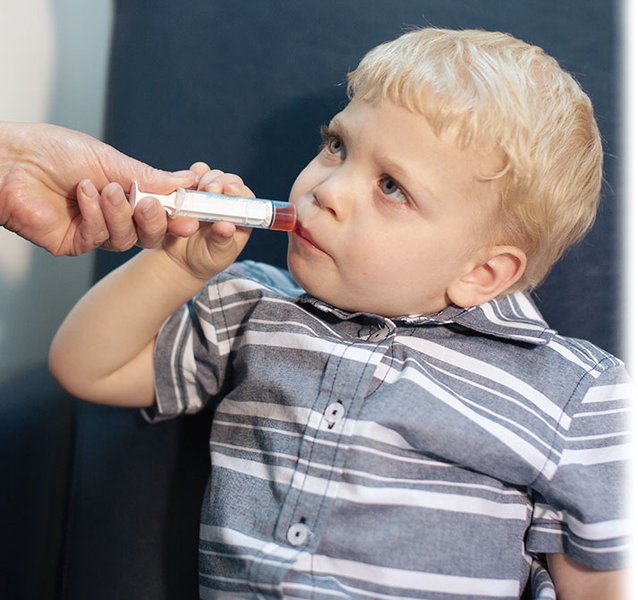
A child being monitored during an oral food challenge.
If the child tolerates the initial doses without a reaction, the amount of baked egg is gradually increased according to a set protocol. The challenge continues until the child has consumed a predetermined amount of baked egg or experiences an allergic reaction.
Monitoring for Reactions
During the challenge, medical staff are vigilant for a range of symptoms, which can vary in severity. These can include:
- Skin reactions: Hives, itching, redness, swelling
- Gastrointestinal symptoms: Nausea, vomiting, abdominal pain, diarrhea (studies have shown that GI symptoms are more common in egg OFCs compared to challenges for other foods)
- Respiratory symptoms: Coughing, wheezing, shortness of breath
- Other symptoms: Nasal congestion, sneezing, itchy eyes, dizziness
In rare cases, a severe systemic reaction (anaphylaxis) can occur, which is why the challenge is performed in a medical setting with access to emergency medications like epinephrine.
Risks Associated with a Baked Egg Challenge
While baked egg challenges are generally considered safe when performed under medical supervision, there are inherent risks involved, primarily the possibility of an allergic reaction.
Risk of Allergic Reaction
The primary risk of a baked egg challenge is the occurrence of an allergic reaction. Reactions can range from mild (e.g., a few hives around the mouth) to severe (anaphylaxis). While the baking process can reduce the allergenicity of egg proteins, it does not eliminate the risk entirely. The severity of a reaction during a challenge does not necessarily predict the severity of future reactions if the child were to accidentally ingest egg.
For a three-year-old with an egg-specific IgE of 0.67 kU/L and a 4mm SPT wheal, the risk of a severe reaction to baked egg is generally considered lower compared to a child with much higher IgE levels or larger SPT wheals. However, it is not negligible. Studies have shown that even with lower test values, some children may still react to baked egg.
Factors Influencing Risk
Several factors can influence the risk of a reaction during a baked egg challenge:
- Specific IgE and SPT results: While not perfect predictors for baked egg, higher levels and larger wheals are generally associated with a higher likelihood of reactivity.
- Clinical history: A history of more severe reactions to egg may indicate a higher risk.
- Asthma: Children with asthma, especially if it is not well-controlled, may be at higher risk for more severe reactions.
- Illness: Intercurrent illness, such as a cold or fever, can lower the reaction threshold and increase the risk of a reaction during a challenge. It is typically recommended to postpone a challenge if the child is sick.
Based on the provided specific IgE and SPT results, your child falls into a category where tolerance to baked egg is possible, but the risk of a reaction is still present. An allergist will use these results, along with the clinical history, to assess the individual risk profile.
Interpreting Baked Egg Challenge Outcomes
The outcome of a baked egg challenge is either a "pass" or a "fail."
Passing the Challenge
If the child consumes the full dose of baked egg without experiencing any allergic symptoms, the challenge is considered a pass. This means the child is tolerant to egg in its baked form.
Passing a baked egg challenge is a significant step. It allows for the reintroduction of baked egg into the child's diet, which can improve their quality of life and potentially broaden their dietary options. Continued regular consumption of baked egg after a successful challenge is often recommended to help maintain tolerance and potentially accelerate the development of tolerance to less heated forms of egg.
Baked muffins, often used in baked egg challenges.
Failing the Challenge
If the child develops allergic symptoms during the challenge, it is considered a fail. The challenge is stopped, and the symptoms are treated as necessary. A failed baked egg challenge indicates that the child is not yet tolerant to egg in that form. In this case, strict avoidance of egg, including baked egg, is typically recommended, and the allergist will likely advise repeating allergy testing in the future to assess for changes in the level of sensitization.
Beyond the Baked Egg Challenge
A successful baked egg challenge is often just one step in the journey of managing egg allergy. It can open the door to potentially introducing less heated forms of egg over time, following a carefully managed approach often referred to as an "egg ladder" or dietary advancement.
The Egg Ladder
An egg ladder is a graduated approach to reintroducing egg into the diet, starting with extensively heated forms (like baked egg in muffins or cakes) and gradually progressing to less heated forms (like cooked egg in casseroles or scrambled eggs) and eventually raw egg. The pace of advancement up the ladder is individualized based on the child's tolerance and under the guidance of an allergist.
Importance of Continued Monitoring
Even after passing a baked egg challenge and introducing baked egg into the diet, it is important to continue regular follow-up with the allergist. They will monitor for any changes in the allergy status and provide guidance on further dietary advancements.
Summary of Factors and Risks for Your Child
Considering your three-year-old's specific IgE of 0.67 kU/L and 4mm SPT wheal, a baked egg challenge is a reasonable next step to evaluate potential tolerance. These test results suggest a lower likelihood of reacting compared to higher values, but they do not eliminate the risk.
Balancing Potential Benefits and Risks
The potential benefits of a successful baked egg challenge, such as increased dietary freedom and potentially accelerated allergy resolution, must be weighed against the risk of an allergic reaction during the challenge. This is a discussion you should have thoroughly with your allergist, who can provide a more personalized assessment of the risks and benefits based on your child's complete medical history.
Table Summarizing Key Considerations
Here is a table summarizing the key considerations for a baked egg challenge in your child's case:
| Factor | Your Child's Status | Implication for Baked Egg Challenge |
|---|---|---|
| Age | Three years old | Within the age range where many children outgrow egg allergy, making a challenge appropriate to assess current status. |
| Specific IgE (0.67 kU/L) | Low to Moderate | Lower IgE suggests a potentially higher likelihood of tolerating baked egg compared to high IgE, but does not guarantee tolerance. Risk of reaction still exists. |
| Skin Prick Test (4mm) | Relatively Small Wheal Size | Smaller wheal size may also suggest a potentially higher likelihood of tolerating baked egg, but not a guarantee. Risk of reaction still exists. |
| Clinical History of Reactions | (To be discussed with allergist) | Severity and type of previous reactions influence the assessment of risk. |
| Asthma or Other Conditions | (To be discussed with allergist) | Presence of other conditions, especially asthma, can influence the risk profile. |
Video Resource: Understanding Food Allergy Testing
This video provides an overview of different food allergy testing methods, including oral food challenges, which can help you understand the context of a baked egg challenge.
Dr. David Stukus explains food allergy testing, including oral food challenges.
FAQ: Baked Egg Challenges
Frequently Asked Questions About Baked Egg Challenges
What is the purpose of a baked egg challenge?
The purpose is to determine if a child with an egg allergy can safely consume egg that has been extensively heated through baking, as many children can tolerate baked egg even if they react to less heated forms.
How long does a baked egg challenge take?
A baked egg challenge typically takes several hours, including the observation period after the last dose.
Can I do a baked egg challenge at home?
No, baked egg challenges should always be performed under the supervision of a qualified allergist in a medical setting due to the risk of allergic reactions, including anaphylaxis.
What happens if my child reacts during the challenge?
If your child has a reaction, the challenge will be stopped, and medical staff will provide appropriate treatment, which may include antihistamines or epinephrine depending on the severity of the reaction.
If my child passes the baked egg challenge, do they still have an egg allergy?
If your child passes the baked egg challenge, they are tolerant to egg in that specific form. They may still be allergic to less heated forms of egg. Your allergist will guide you on safely introducing other forms of egg, if appropriate.
Recommended Further Exploration
- Explore the natural history and resolution of egg allergy in children.
- Learn more about the standardized protocols and safety measures for oral food challenges.
- Understand how to interpret specific IgE and skin prick test results for egg allergy in children.
- Discover strategies for incorporating baked goods containing egg into a child's diet after a successful challenge.
References
Last updated May 19, 2025