
Balancing Grammar and Conversation in Language Learning
Enhance language skills by integrating structured grammar with active conversational practice
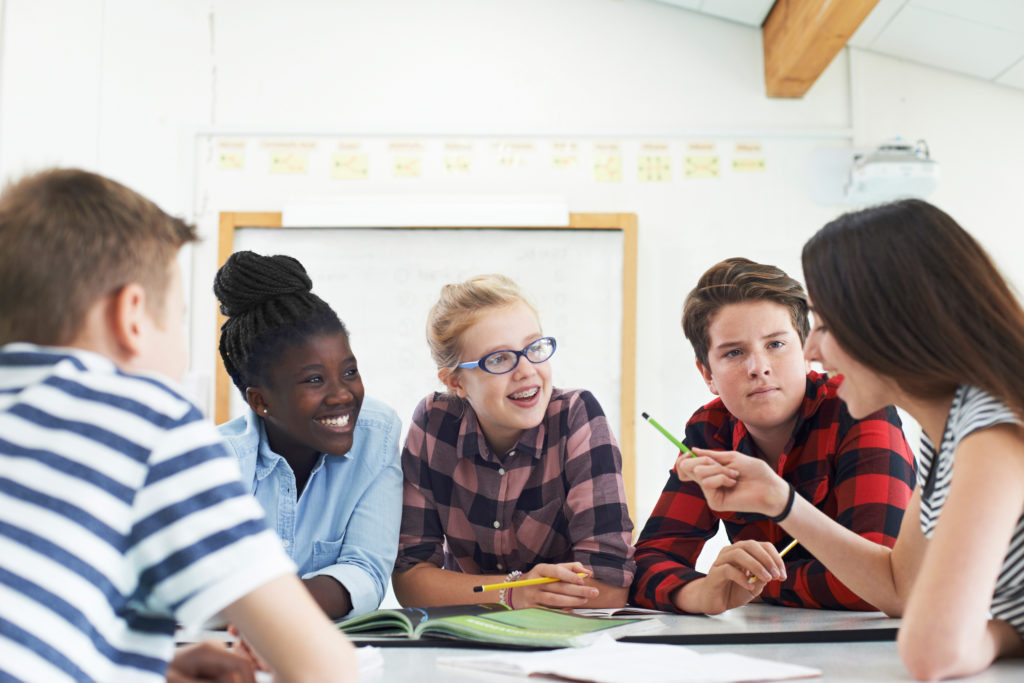
Highlights
- Grammar versus Conversation: Overemphasis on grammar can hinder natural communication.
- Practical Learning: Conversation practice is essential for fluency and real-world usage.
- Integrated Approach: Combining grammar instruction with interactive dialogue builds confident speakers.
Introduction
The process of learning a language requires a balanced approach between technical accuracy and practical use. Educational methods that heavily focus on grammar may provide learners with a detailed understanding of language structure, yet they often neglect the dynamic and unpredictable nature of everyday conversation. This imbalance can lead to a situation where students possess strong grammatical knowledge but struggle to express themselves fluidly in real-life interactions. To address this, it is crucial to incorporate conversation practice into language education, ensuring that learners not only master rules but are also equipped to use the language confidently in diverse contexts.
The Role of Grammar in Language Learning
Understanding the Basics
Grammar serves as the backbone of any language, offering a framework through which learners understand sentence structure, tense, voice, and syntax. It facilitates the correct assembly of words into coherent sentences and clarifies the nuances of meaning that different word orders and constructs can imply. When approached methodically, grammar instruction can indeed empower students with the necessary tools to analyze and construct sentences accurately. Teachers often utilize textbooks, exercises, and tests to reinforce these concepts, ensuring that learners gain an appreciation for the theoretical aspects of language.
Benefits of Strong Grammatical Foundation
A thorough understanding of grammar can lead to improved reading comprehension and writing skills. It enables students to deconstruct complex texts, identify parts of speech, and appreciate the intricate details that contribute to effective communication. Furthermore, grammar forms a base for learning additional languages by highlighting similarities and differences in linguistic structures.
Importance of Conversation Practice
Active Engagement and Communication
Conversation practice goes beyond the confines of textbook exercises. It immerses learners in the natural flow of language, where spontaneity and interaction lead to a richer, more practical understanding of communication. Real-life conversations demand the quick recall of vocabulary, real-time application of grammatical knowledge, and the ability to adapt language to suit context and emotion. This dynamic application of language skills is vital for developing the confidence needed to participate effectively in a conversation.
Advantages of Practical Conversational Learning
Engaging in conversation helps to cement language rules as learners witness grammar in action. It encourages the development of listening skills, pronunciation, and the ability to negotiate meaning when faced with interruptions or misunderstandings. Interactive dialogue creates an environment where mistakes are quickly corrected through immediate feedback, promoting a natural integration of structured grammar with practical usage. In essence, conversational practice transforms theoretical knowledge into lived experience.
Finding the Balance: Effective Strategies for Integration
Combining Structured Learning with Real-World Application
The key to effective language learning lies in achieving a balance between comprehensive grammar instruction and ample opportunities for conversation practice. Educators are increasingly adopting integrated teaching methods that combine classroom-based grammar studies with interactive speaking sessions. This dual approach ensures that learners are equipped with both the analytical tools to understand language structure and the practical skills to communicate fluently.
Practical Implementation in the Classroom
Many modern educational programs are incorporating role-playing exercises, group discussions, debates, and other conversational activities into their curriculum. These practices allow learners to engage directly with the language, fostering an environment of peer learning where grammatical errors are used as teachable moments. Technology also plays a major role in facilitating conversation practice. Online platforms and AI-powered language tools provide learners with the opportunity to interact with native speakers or simulated conversation partners, offering a more immersive experience.
Real-Life Application Through Immersion
Immersive language experiences, such as study-abroad programs and conversational meetups, offer invaluable contexts for applying what is learned in the classroom. When learners are surrounded by native speakers, the pressure to adhere to grammatical correctness is balanced by the need to communicate effectively, encouraging flexibility and adaptive learning. This real-world context reinforces the theoretical underpinnings of grammatical education while providing practical insights into language variation, colloquialisms, and cultural idioms.
Challenges in Overemphasizing Grammar
Potential Pitfalls of Grammar-Centric Learning
An overemphasis on grammar can create an environment in which learners are more concerned with forming perfectly structured sentences rather than communicating effectively. This focus often leads to self-consciousness and a fear of making mistakes, which in turn can diminish the overall fluency in spoken language. Research and expert analyses consistently suggest that when too much time is devoted to grammar, students may find themselves well-prepared for written tests but lacking the immediacy and flexibility required for spontaneous conversations.
Consequences of Neglecting Conversational Practice
Without robust conversation practice, learners may experience difficulties in pronunciation, intonation, and responsiveness during dialogue. The discrepancy between knowing the grammar rules and applying them naturally becomes evident in real-world communication scenarios. Moreover, an over-dependence on grammar can hinder the development of listening and comprehension skills, as learners become accustomed to dissecting language rather than experiencing it as a fluid medium.
Empirical Evidence and Expert Opinions
Multiple studies and authoritative sources emphasize the importance of balancing grammar instruction with conversational practice. Expert educators argue that language learning should be seen as an interactive process rather than a static accumulation of rules. For instance, studies available through research databases have illustrated that immersion and spontaneous dialogue greatly enhance language retention and operational fluency.
Integrating Grammar and Conversation: Case Studies
Successful Educational Models
Numerous educational institutions have adapted their curriculums to incorporate both a strong grammatical foundation and active conversation practice. For example, bilingual programs in schools and language institutes often begin with an initial focus on grammar to illustrate the mechanics of the language. However, as the course progresses, more time is allotted to conversational practice through interactive sessions, multimedia content, and peer-to-peer discussions.
Technology-Enhanced Learning
Advances in artificial intelligence and online communication tools have also revolutionized language learning. Platforms offering AI-driven feedback and virtual conversation partners have made it easier for learners to overcome the gap between classroom learning and practical conversation. These tools not only provide real-time corrections but also simulate the nuances of human dialogue, making the learning experience both contextual and engaging.
Outcome-Based Learning
The success of these integrated models is reflected in outcomes where students demonstrate notable improvements in their ability to understand and engage in fluid conversation while still preserving the structural integrity of the language. Feedback from participants in these programs also indicates a significant boost in confidence and a reduction in anxiety related to speaking.
Strategies for Self-Learners
Balancing Independent Study
For self-learners, the challenge is to strike a balance between self-paced grammar exercises and active conversation practice. A highly effective strategy involves using a mixture of resources to expose oneself to both grammatical theory and pragmatic usage. For example, one might dedicate certain days of the week solely for grammar drills and others for conversational practice through language exchange platforms.
Balancing Digital Tools and Real Interactions
Digital tools can complement self-study by providing immediate, accessible opportunities for conversation. Social networking sites and dedicated language learning apps allow learners to interact with native speakers or join group discussions. In contrast, traditional grammar books and online courses help build the necessary theoretical framework. This dual approach fosters a well-rounded understanding while simultaneously boosting conversational competence.
Creating a Personal Curriculum
Self-learners are encouraged to develop personalized curricula that allocate specific time slots for grammar study and conversation practice. The process can start with a baseline assessment of one’s current abilities, followed by setting both short-term and long-term goals. Monitoring progress through journals or digital trackers helps maintain motivation and ensures consistent practice in both areas.
Practical Example: A 12-Word Statement
Demonstrating Balance in a Concise Format
Here is a concise 12-word sentence that encapsulates the essence of balancing grammar and conversation:
"Excessive grammar focus stifles conversation, impeding practical language use and fluency development."
Comparison Table: Grammar Versus Conversation
| Aspect | Grammar Focus | Conversation Practice |
|---|---|---|
| Purpose | Understanding sentence structure and language rules | Enhancing practical communication and fluency |
| Method | Textbooks, exercises, and formal lessons | Interactive dialogues, role-plays, and real-life interactions |
| Focus | Accuracy, syntax, and detailed rules | Flow, spontaneity, and contextual use |
| Feedback | Often delayed, text-based corrections | Immediate, dynamic, and reflective of real-time conversation |
Integrating Theoretical and Practical Approaches
Blending Classroom Strategies with Modern Technology
Integrating both grammatical instruction and conversation practice within the learning curriculum requires thoughtfulness and innovation. Educators and self-learners alike can benefit from a blended approach, one that utilizes both traditional methods and cutting-edge technology. Classrooms today are increasingly adopting methodologies that allow for parallel academic learning streams; one stream focuses on theory and structure while the other encourages immediate application through conversation.
Role of AI and Online Platforms
Artificial intelligence has emerged as a powerful tool in language education. AI-powered tutors, interactive chatbots, and language learning applications provide platforms that simulate real-life interactions. These digital resources adapt to students' proficiency levels and help maintain an equilibrium between precise grammar exercises and engaging conversation practice. This adaptive learning model ensures that students receive instant feedback, boosting both their confidence and their ability to use the language practically.
Sustained Practice for Long-Term Success
Ultimately, the aim of an integrated approach is to develop language skills that endure. Consistent practice in both structured grammar and spontaneous conversation leads to long-lasting proficiency. Regular engagement in language usage not only cements theoretical concepts but also helps learners navigate the complexities of real-world communication effectively.
Additional Resources and Recommendations
Further Reading and Tools
For more insights into the balance between grammar and conversation in language learning, the following sources offer a wealth of information:
- Common Learning Mistakes – Lingualift
- Conversation Practice in Language Learning – TalkPal
- The Importance of Conversation – Learnlight
- Language Education Problems – ResearchGate
- Filling Language Education Gaps – The Atlantic
Practical Recommendations for Learners
For those looking to further explore the integration of grammar and conversation in language learning, consider investigating additional queries such as methods for self-taught language improvement, effective ways to blend classroom learning with immersive conversation, and the future role of technology in language education. These topics not only expand the discussion but also provide deep practical insights into building comprehensive language proficiency.
Last updated March 15, 2025