
Navigating the Nexus: Mastering Workplace Stress and Cultivating Tranquility for Peak Performance
An essential guide to transforming demanding work environments into havens of productivity and well-being in 2025 and beyond.
Highlights: Charting Your Course to a Balanced Workplace
- The Modern Stress Epidemic: Workplace stress, intensified by high workloads, relentless deadlines, and the complexities of hybrid work models in 2025, profoundly impacts employee health, morale, and overall organizational success, necessitating urgent and effective interventions.
- Designing for Serenity: Cultivating tranquility through intentional environmental design—incorporating biophilic elements like plants and natural light, effective noise reduction strategies, and ergonomic comforts—is fundamental for enhancing focus, creativity, and mitigating daily stressors.
- A Multifaceted Solution: A holistic and sustainable balance between occupational demands and employee well-being is achieved by synergistically combining individual stress management techniques, supportive and flexible organizational policies, and proactive, empathetic leadership.
Deconstructing Workplace Stress in the Contemporary Era
The Pervasive Nature and Impact of Occupational Pressures
In 2025, workplace stress remains a formidable challenge, significantly influencing individual well-being, organizational productivity, and broader economic health. It's a complex response to job demands and pressures that exceed an individual's perceived ability to cope. The sources of this stress are multifaceted and have evolved with modern work structures, including the widespread adoption of hybrid models.
Key Contributors to Workplace Stress:
- Excessive Workload and Time Constraints: Unrealistic demands, tight deadlines, and long hours are primary stressors, leading to feelings of being overwhelmed and perpetually "on."
- Lack of Control and Autonomy: Limited decision-making latitude, micromanagement, or insufficient influence over one's work tasks and processes can significantly elevate stress levels.
- Interpersonal Dynamics: Conflicts with colleagues or supervisors, bullying, harassment, or a lack of social support within the team contribute to a toxic and stressful atmosphere.
- Role Ambiguity and Unclear Expectations: Uncertainty about job responsibilities, objectives, or performance evaluation criteria can create chronic anxiety.
- Poor Work-Life Balance: The erosion of boundaries between professional and personal life, particularly prevalent in hybrid and remote settings, makes it difficult to disconnect and recharge, leading to burnout.
- Job Insecurity and Lack of Recognition: Fear of layoffs, stagnant career progression, or feeling undervalued and unappreciated for one's contributions can be profoundly stressful.
- Inadequate Support Systems: Insufficient resources, poor communication from management, or a lack of access to mental health support can exacerbate stress.
The Ripple Effects of Unmanaged Stress:
Prolonged exposure to workplace stress doesn't just diminish the quality of work; it precipitates a cascade of negative consequences. These include degraded physical health (e.g., cardiovascular issues, weakened immune system, sleep disturbances), mental health challenges (e.g., anxiety, depression, burnout), reduced cognitive function (e.g., impaired concentration, decision-making), increased absenteeism, and higher employee turnover. Economically, workplace stress translates into significant losses due to decreased productivity and increased healthcare expenditures. Addressing these stressors is not merely beneficial but an imperative for fostering a thriving workforce.
The Indispensable Role of Tranquility in Fostering Well-being and Productivity
Beyond Absence of Noise: Defining and Embracing Workplace Calm
Tranquility in the workplace is far more than the mere absence of overt chaos or noise. It is a deliberately cultivated state of mental calm, clarity, and emotional equilibrium that empowers individuals to focus deeply, think creatively, and recover effectively from work-related pressures. Creating tranquil spaces and fostering a serene atmosphere, whether in a corporate office or a home-based workspace, is essential for mitigating the physiological and psychological impacts of stress, particularly by reducing the activation of the sympathetic nervous system (the body's "fight or flight" response).
A tranquil environment supports mindfulness, encourages mental detachment from stressors during breaks, and promotes a sense of safety and comfort. This, in turn, enhances concentration, problem-solving abilities, and overall job satisfaction. It's an investment in the cognitive and emotional resources of employees, leading to sustained performance and innovation.

A thoughtfully designed, peaceful workspace can significantly reduce stress and enhance focus.
Crafting Your Oasis: Integrated Strategies for Balancing Stress and Tranquility
Achieving a harmonious balance between the inherent demands of work and the essential need for tranquility requires a multifaceted approach. This involves proactive individual strategies, thoughtful design of the physical environment, and supportive organizational structures and leadership. Below, we explore key interventions across these domains.
Empowering Individuals: Personal Strategies for Stress Management and Enhanced Well-being
While organizational support is crucial, individuals also possess significant agency in managing their stress levels and cultivating inner calm. Adopting personal coping mechanisms and healthy habits can build resilience and improve daily work experience.
Mindfulness and Conscious Breathing:
Practicing mindfulness, even for a few minutes each day, can anchor you in the present moment, reducing rumination and anxiety. Mindful breathing exercises, focusing on the sensation of inhalation and exhalation, can calm the nervous system, lower heart rate, and improve focus. Many apps and online resources offer guided sessions suitable for workplace breaks.
Strategic Breaks and Detachment:
Regular short breaks, often termed "micro-breaks," are vital for cognitive refreshment and preventing mental fatigue. Step away from your workstation, stretch, look out a window, or engage in a non-work-related activity. These brief interludes help to reset focus and reduce the buildup of stress hormones.
Effective Time Management and Prioritization:
Feeling overwhelmed by tasks is a major stressor. Implementing time management techniques, such as creating daily to-do lists, prioritizing tasks based on urgency and importance (e.g., Eisenhower Matrix), and breaking down large projects into smaller, manageable steps, can provide a sense of control and accomplishment. Learning to delegate tasks when appropriate is also a key skill.
Setting and Maintaining Boundaries:
Clearly define your work hours and stick to them as much as possible, especially in remote or hybrid settings where work can easily bleed into personal time. Communicate your availability to colleagues and resist the urge to constantly check emails or messages outside of these hours. Protecting your personal time is crucial for recovery and work-life balance.
Prioritizing Self-Care and Physical Activity:
Ensure adequate sleep, maintain a healthy diet, and incorporate regular physical activity into your routine. Exercise is a powerful stress reliever, boosting mood and energy levels. Even short walks during the workday can make a difference. Taking allocated time off and vacations is not a luxury but a necessity for long-term well-being.
Seeking Support and Resources:
Don't hesitate to seek support when needed. This could involve talking to a trusted colleague, supervisor, or HR representative. Many organizations offer Employee Assistance Programs (EAPs) that provide confidential counseling and resources for managing stress and other personal challenges.
Designing for Serenity: Optimizing the Physical Workspace for Calm and Focus
The physical environment plays a profound role in influencing mood, stress levels, and cognitive function. Thoughtful design choices can transform a workspace into a supportive sanctuary.
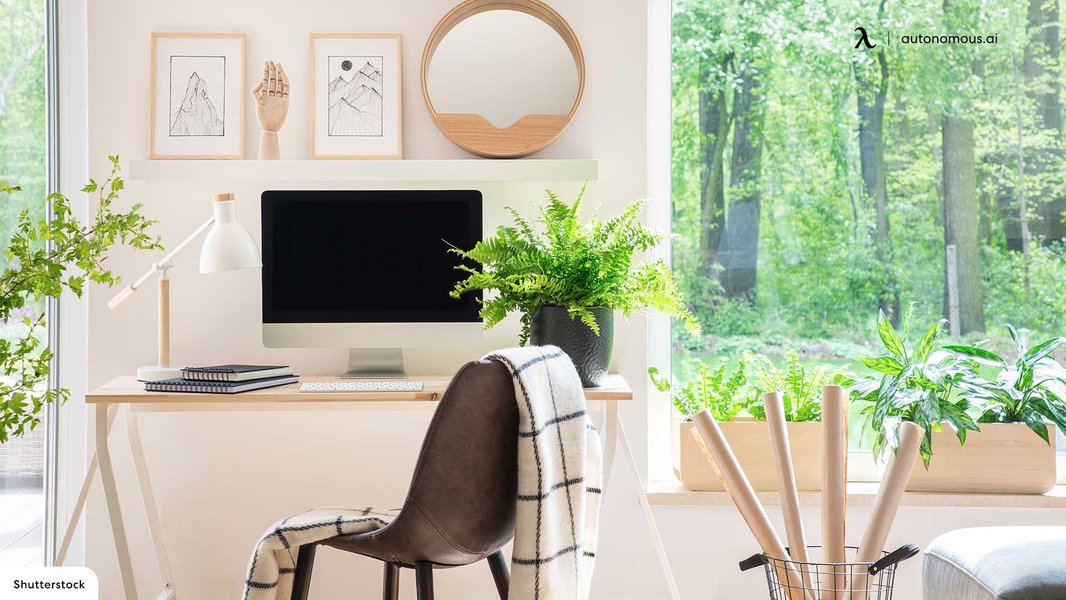
Incorporating biophilic elements like plants can create a more calming and natural workspace.
Embracing Biophilic Design:
Humans have an innate connection to nature (biophilia). Integrating natural elements into the workspace can significantly reduce stress and enhance well-being. This includes incorporating live plants, maximizing exposure to natural light by positioning desks near windows, using natural materials like wood and stone in furnishings and decor, and providing views of nature where possible.
Mastering Acoustics for Noise Reduction:
Excessive noise is a major stress amplifier and distracter. Implement strategies to mitigate noise, such as using sound-absorbing materials (e.g., acoustic panels, carpets, soft furnishings, curtains), creating designated quiet zones or focus rooms for tasks requiring deep concentration, and using white noise machines or ambient soundscapes (like gentle rain or forest sounds via a Bluetooth speaker) to mask disruptive sounds. Strategic office layouts can also help separate noisy collaborative areas from quiet work zones.
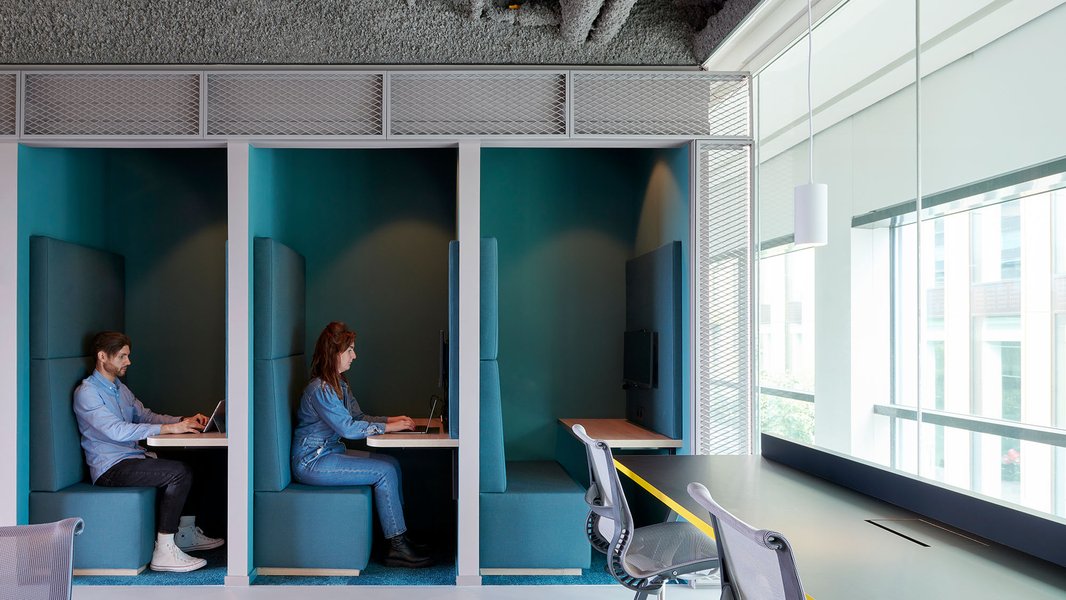
Dedicated focus spaces or quiet booths offer refuge from open-plan office noise.
Optimizing Lighting:
Harsh fluorescent lighting can contribute to eye strain, headaches, and stress. Prioritize natural light wherever feasible. Supplement with soft, adjustable artificial lighting. Task lighting for specific work areas combined with ambient illumination allows for personalization and reduces glare, creating a more comfortable and visually soothing environment.
Decluttering and Organization:
A cluttered physical space often translates to a cluttered mental space. Encourage and facilitate a tidy, organized work area. Provide adequate storage solutions to keep desks clear of unnecessary items. A clean, minimalist environment can reduce sensory overload and improve focus.
Ergonomics and Comfort:
Physical discomfort is a significant, often overlooked, stressor. Invest in ergonomic furniture, including adjustable chairs that provide good lumbar support, desks at appropriate heights (or sit-stand desks), and properly positioned monitors to prevent neck and eye strain. Empowering employees to customize their workstations enhances physical comfort and reduces the risk of musculoskeletal issues.
Thoughtful Use of Color and Scent:
Colors can influence mood. Cooler, muted tones like blues and greens are often associated with calm and focus, while warmer, softer tones can create a welcoming atmosphere. Consider incorporating aromatherapy with calming essential oils like lavender, chamomile, or bergamot, using diffusers (mindful of colleagues' sensitivities and allergies).
Creating Dedicated Zones:
If space allows, designate specific zones for different activities: quiet areas for focused work, collaborative spaces for teamwork, and wellness or relaxation zones equipped with comfortable seating where employees can unwind, meditate, or take a brief respite.
The Organizational Blueprint: Leadership and Policies that Foster Balance
Leadership commitment and supportive organizational policies are foundational to creating a workplace culture where both high performance and well-being can flourish.
Promoting Open and Effective Communication:
Managers play a critical role in mitigating stress by fostering transparent communication. This includes clearly defining roles, responsibilities, and expectations; providing regular constructive feedback; and creating a safe environment where employees feel comfortable expressing concerns or discussing workload issues without fear of reprisal. Studies show effective communication is directly linked to reduced work stress.
Championing Flexible Work Arrangements:
Offering flexibility in terms of work hours (flextime) and location (remote or hybrid options) can significantly empower employees to manage their workload alongside personal responsibilities, thereby reducing stress and improving work-life integration. Such arrangements often lead to increased job satisfaction and loyalty.
Providing Robust Mental Health Resources and Wellness Programs:
Organizations should proactively support employee mental health by providing access to resources such as Employee Assistance Programs (EAPs), counseling services, stress management training, and wellness initiatives (e.g., gym subsidies, yoga or meditation sessions, health screenings). Normalizing conversations around mental health helps reduce stigma.
Cultivating a Culture of Appreciation and Recognition:
Regularly acknowledging and appreciating employees' efforts and contributions can significantly boost morale and reduce feelings of being undervalued, a common stressor. Recognition can take many forms, from verbal praise to formal awards or bonuses.
Encouraging Work-Life Balance:
Leaders should model and actively encourage healthy work-life boundaries. This includes discouraging an "always-on" culture, respecting employees' time off, and promoting policies that support breaks and vacations. Fair workload distribution and realistic deadlines are also key.
Investing in Training and Development:
Providing opportunities for skill development and career advancement can increase employee engagement and confidence, making them feel more valued and better equipped to handle job demands. This can include training in stress management, resilience, time management, or specific job-related skills.
Visualizing Impact: Effectiveness of Workplace Well-being Strategies
The following chart provides a comparative overview of various workplace well-being strategies, evaluating their potential impact on stress reduction, their contribution to a tranquil atmosphere, and the general feasibility of their implementation. These are generalized assessments, and actual effectiveness can vary based on specific organizational contexts and execution. The goal is to illustrate how different interventions contribute to the overall ecosystem of a balanced workplace.
This radar chart highlights that while strategies like effective workload management and strong leadership support have a very high impact on stress reduction, their feasibility might be perceived as lower due to the systemic changes required. Conversely, individual practices like mindfulness and taking breaks are highly feasible and impactful for both stress reduction and tranquility. A comprehensive approach leverages multiple strategies tailored to the organization's unique needs.
Mapping the Path to Harmony: A Mindmap of Workplace Well-being
The journey to a balanced workplace involves understanding various interconnected elements. This mindmap illustrates the key domains of workplace stressors, tranquility enhancers, and the strategic approaches that bridge the gap, ultimately leading to benefits for both individuals and the organization. It visually represents how these components interact to create a healthier and more productive work environment.
(Hybrid Model Challenges)"] id1a5["Unclear Expectations"] id1a6["Job Insecurity"] id1b["Essence of Tranquility"] id1b1["Mental Clarity & Focus"] id1b2["Reduced Physiological Stress"] id1b3["Enhanced Creativity & Innovation"] id1b4["Emotional Resilience & Stability"] id1b5["Sense of Well-being"] id2["Strategic Interventions for Equilibrium"] id2a["Individual Empowerment Approaches"] id2a1["Mindfulness & Meditation Practices"] id2a2["Regular Micro-Breaks & Detachment"] id2a3["Effective Time Management & Prioritization"] id2a4["Setting Clear Boundaries (Work/Life)"] id2a5["Physical Activity & Holistic Self-Care"] id2a6["Seeking Support & Utilizing Resources"] id2b["Environmental Design for Calm & Focus"] id2b1["Biophilic Integration
(Plants, Natural Light, Materials)"] id2b2["Acoustic Management
(Noise Reduction, Quiet Zones)"] id2b3["Ergonomic Workstation Setups"] id2b4["Decluttering & Workspace Organization"] id2b5["Personalization & Comfort Elements"] id2b6["Strategic Use of Color & Aromatherapy"] id2c["Organizational & Leadership Support Systems"] id2c1["Transparent Communication & Constructive Feedback"] id2c2["Flexible Work Policies
(Hours, Location)"] id2c3["Comprehensive Mental Health Resources
(EAPs, Wellness Programs, Training)"] id2c4["Culture of Recognition & Appreciation"] id2c5["Proactive Workload Management & Realistic Goal Setting"] id2c6["Fostering a Supportive & Inclusive Culture"] id3["Achieving a Symbiotic Balance: Mutual Benefits"] id3a["Advantages for Individuals"] id3a1["Improved Mental & Physical Health Outcomes"] id3a2["Increased Job Satisfaction & Engagement"] id3a3["Enhanced Overall Quality of Life & Well-being"] id3a4["Greater Resilience to Stressors"] id3b["Advantages for Organizations"] id3b1["Higher Productivity & Sustained Performance"] id3b2["Reduced Absenteeism & Lower Employee Turnover"] id3b3["Boosted Creativity, Innovation & Problem-Solving"] id3b4["Stronger Employer Brand & Talent Attraction"] id3b5["Reduced Healthcare Costs Associated with Stress"]
This mindmap serves as a conceptual framework, emphasizing that balancing workplace stress and tranquility is not a singular action but a continuous process of integrating individual efforts, environmental considerations, and robust organizational support.
Actionable Frameworks: A Summary of Integrated Well-being Strategies
To effectively manage workplace stress and cultivate tranquility, a combination of strategies across different domains is essential. The table below summarizes key interventions, categorizing them by their primary domain of influence—Individual, Environmental, and Organizational—and highlighting their anticipated outcomes in fostering a healthier, more productive work atmosphere.
| Strategy Domain | Specific Interventions | Key Outcomes (Stress Reduction & Tranquility Boost) |
|---|---|---|
| Individual Empowerment | Mindfulness practices, regular micro-breaks, effective time management, boundary setting, physical activity, seeking support. | Enhanced personal resilience, improved focus, reduced feelings of overwhelm, better emotional regulation, increased energy levels, greater sense of control. |
| Environmental Design | Biophilic elements (plants, natural light), noise reduction measures (acoustic panels, quiet zones), ergonomic furniture, decluttering and organization, optimal lighting, calming aesthetics (colors, scents). | Reduced sensory overload and distractions, improved physical comfort, lower physiological stress responses, enhanced concentration, promotion of a calm and inviting atmosphere. |
| Organizational & Leadership Support | Clear communication, flexible work arrangements, access to mental health resources (EAPs), wellness programs, culture of appreciation, fair workload management, stress management training, supportive leadership. | Increased job satisfaction and morale, reduced burnout, improved work-life balance, stronger team cohesion, higher employee engagement and retention, fostered sense of psychological safety and value. |
By implementing a cohesive set of strategies from these domains, organizations and individuals can collaboratively create a work environment where stress is effectively managed and tranquility can flourish, leading to mutual benefits.
Insights from an Expert: Reducing Workplace Stress
Understanding the multifaceted nature of workplace stress and the actionable steps to mitigate it is crucial. The following video features Rob Cooke discussing the cost of workplace stress and, more importantly, practical approaches to reduce it. His insights align with the principles of creating supportive, healthy work environments where employees can thrive rather than merely survive. The discussion emphasizes proactive measures and cultural shifts necessary for long-term well-being.
This presentation underscores that addressing workplace stress is not just an HR initiative but a strategic imperative that impacts the entire organization's performance and sustainability. It reinforces the idea that investing in employee well-being and creating tranquil, supportive environments yields tangible returns in productivity, innovation, and employee loyalty.
Frequently Asked Questions (FAQ)
What are the most common causes of workplace stress in 2025? ▼
In 2025, common stressors include high workloads and tight deadlines, lack of control or autonomy over work, interpersonal conflicts or lack of support from colleagues/management, unclear job expectations or role ambiguity, and challenges in maintaining work-life balance, especially with prevalent hybrid work models. Job insecurity and insufficient recognition also remain significant contributors.
How can I create a more tranquil workspace if I have limited control over my office environment? ▼
Even with limited control, you can enhance your personal workspace. Focus on decluttering your desk, incorporating small plants, using noise-cancelling headphones if permitted, personalizing your area with calming items (e.g., a pleasant photo), ensuring your chair and monitor are ergonomically positioned, and utilizing task lighting. Taking regular short breaks away from your desk also helps.
What role do managers play in reducing employee stress? ▼
Managers are crucial. They can reduce stress by ensuring clear communication of expectations, providing regular feedback and support, promoting work-life balance through reasonable workloads and respect for off-hours, fostering a positive and inclusive team environment, recognizing employee contributions, and advocating for resources or policy changes that support well-being.
Are flexible work arrangements effective in promoting work-life balance and reducing stress? ▼
Yes, flexible work arrangements (like remote work, hybrid models, or flextime) can be highly effective. They offer employees greater autonomy to manage their professional and personal responsibilities, which can reduce commute stress, improve focus, and lead to better work-life integration. However, clear boundaries and communication are essential to prevent work from encroaching on personal time.
What are some simple daily practices to manage stress at work? ▼
Simple daily practices include starting your day with a clear plan, taking short 5-10 minute breaks every hour or so to stretch or walk, practicing mindful breathing for a few minutes when feeling overwhelmed, staying hydrated, prioritizing tasks to tackle the most important ones first, and consciously disconnecting from work at the end of your scheduled workday.
Recommended Further Exploration
- Explore advanced biophilic design principles for modern office spaces to enhance employee well-being.
- Learn about the psychological impact of chronic workplace noise on productivity and stress levels.
- Discover leadership techniques and communication strategies for fostering a mentally healthy and supportive work culture.
- Investigate the long-term economic benefits and ROI for companies that invest comprehensively in employee well-being and stress reduction programs.
References
Last updated May 7, 2025