
Balzac as a Press Critic
Exploring Balzac's Critical Stance on Journalism and Media
Key Highlights
- Press Criticism in Literature: Balzac’s novels, especially "Illusions perdues" and "La Peau de chagrin", incorporate scathing critiques of contemporary journalism.
- Personal Experience and Financial Ventures: His own forays into printing and publishing left him deeply skeptical of the commercial press.
- Critical Engagement: Balzac’s encounters with critics, including an anonymous correspondent, highlight the interplay between his work and societal perceptions.
Introduction to Balzac's Perspective
Honoré de Balzac, one of France’s literary titans of the 19th century, is widely recognized for his monumental series of novels titled "La Comédie humaine". However, a less frequently discussed aspect of his work is his role as a critic of the press. Balzac’s relationship with journalism was complex and multifaceted. While his literary output focused on a broad spectrum of societal issues, his personal experiences with the press and his ventures into the world of printing and publishing indelibly shaped his views. In his writings, Balzac not only portrayed the corrupting influence of the press on society but also embedded within his narratives an enduring critique of how media power could reshape social norms and individual destinies.
Balzac’s Personal Struggles in the Press Industry
Financial Ventures and Early Career
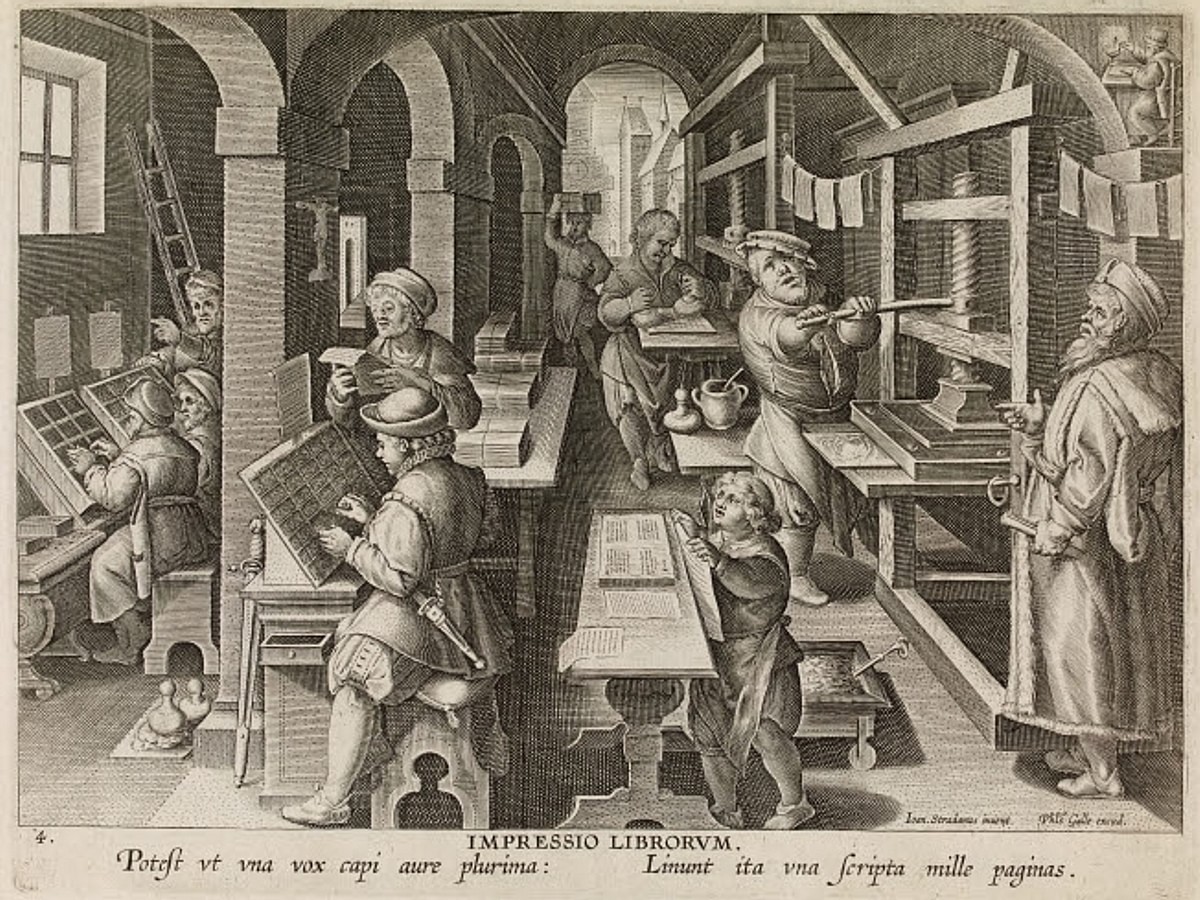
Before achieving literary fame, Balzac experimented with various ventures within the publishing world. In the mid-1820s, he took significant risks by establishing himself as a printer and even ventured into type-founding. In 1826, he acquired printing equipment and started operations in Paris, publishing books, pamphlets, and newspapers. Despite his ambitious efforts, these commercial enterprises proved unsuccessful and financially draining. The harsh realities of the business world, coupled with the volatile nature of the press, left Balzac with a deep-seated skepticism towards the industry.
These early experiences not only influenced his personal finances but also provided him with firsthand insight into the contradictions and corruption embedded within the journalistic world. The challenges he faced in the business of printing and publishing are reflected in his later works, where he dissects the nature of the media with a critical, almost disdainful, eye.
Direct Criticism in His Works
Balzac's literary works serve as an outlet for his criticisms of the press. Among his most notable texts is "La Peau de chagrin", wherein he introduces a critical commentary on the transformative power of commerce and the press over individual destinies. However, it is in "Illusions perdues" that Balzac unmistakably lays bare his contempt for the media. In this novel, he offers a nuanced and expansive criticism of the Parisian press, portraying it as a corrupt and manipulative force capable of swaying public opinion and inflicting personal ruin.
Through his vivid narrative, Balzac dissects the inner workings of the press. He exposes how commercial interests, sensationalism, and the unbridled pursuit of profit compromise journalistic integrity. His depiction is not merely a personal venting of frustration; it is a detailed commentary on how the media industry’s practices could distort social realities and individual aspirations.
Analyzing the Media Critique in "Illusions perdues"
Thematic Exploration of Media Manipulation
In "Illusions perdues", Balzac constructs a world where the press operates as an influential and often destructive force. He illustrates how the newspapers' pursuit of sensationalism leads to biased storytelling, ultimately undermining truth and justice. The narrative depicts journalists and publishers as agents driven by greed, always ready to reshape reality to fit their commercial needs. This portrayal is reflective of a broader societal disillusionment with the press during the early 19th century, a time when the media was increasingly intertwined with emerging capitalist values.
Balzac’s critical perspective is underscored by his skillful use of irony and satire. By framing the press as an almost monstrous entity, he not only comments on the unethical practices prevalent in journalism but also questions the broader cultural and ethical implications of a society that prioritizes profit over truth.
Comparative Criticism Across His Works
While "Illusions perdues" is often highlighted for its incisive critique, Balzac's critical stance is also evident in other writings. "La Peau de chagrin", for example, touches upon the allure and eventual destructiveness of commercial success as mediated through the press. Additionally, his work "Monograph of the Paris Press" explicitly addresses the deficiencies and inherent corruption that he observed in the media landscape.
Through these texts, Balzac emerges not merely as a storyteller but as a social commentator. His ambitious critique goes beyond the confines of narrative fiction and serves as a broader reflection on the media's role in shaping public discourse, ultimately questioning the ethical responsibilities of journalists.
Reception and Influence of Balzac’s Critique
Critical Reception During and After His Lifetime
The critical reception of Balzac’s depiction of journalism has evolved considerably over time. During his lifetime and in the years immediately following his death, his works were both celebrated for their realism and challenged for their unflinching portrayals of a corrupt society. His observations on the press resonated with contemporaries who were increasingly aware of the growing influence of media in everyday life. Critics from various ideological backgrounds found the skepticism and disdain embedded in his work to be both timely and justified.
Over the decades, scholars have revisited Balzac’s literary oeuvre, analyzing his approach to media criticism within the context of evolving journalistic practices. European and British critics have expounded upon his prescient observations, noting how his work mirrors modern concerns about media manipulation and fake news. Feminist critics, in particular, have scrutinized how the portrayal of the press in Balzac’s work intersects with his depiction of gender roles, drawing parallels between the exploitation in the media and the subjugation of women in society.
Influence on Political Discourse
Balzac’s critical perspectives have not only influenced literary criticism but have also had lasting repercussions on political discourse. His exploration of the press’s manipulative power make clear that journalism is intricately linked with the mechanisms of power and social control. By denouncing the press’s duplicitous and self-serving nature, Balzac indirectly called for greater accountability and transparency in media practices—an ideal that has endured through generations.
Political movements in 19th-century France, particularly those aligned with the sentiments of the 1848 revolution, found echoes of their own struggles against authoritative power in Balzac’s exposés of the press. His writings were instrumental in framing the media as part of a broader critique of societal structures centered on inequity and selfishness.
Balzac’s Relationship with Critics and the Press
Engagement with Critics
Beyond his direct commentary on journalism, Balzac’s interactions with critics highlight another dimension of his relationship with the media. One of the most fascinating episodes was his correspondence with an anonymous critic, whose noted criticisms of his work eventually led to a personal relationship. This episode not only illustrates Balzac's willingness to engage with criticism but also underscores the blurred line between media critique and personal experience. His desire to connect with those who scrutinized his work further illuminates the reciprocal dynamics of critique and creation—a relationship that fueled much of his literary exploration.
Additionally, Balzac’s consultation with critics extended to reflective studies of his own career in the press, as seen in later academic and literary assessments. His life and work continue to inspire modern scholarly investigations into the role of the press in shaping both literature and society.
The Dual Role: Critic and Practitioner
A unique aspect of Balzac’s legacy lies in his dual role as both a critic and a practitioner of the press. His brief yet intensive engagements in printing and publishing allowed him to experience firsthand the pitfalls and limitations of the media industry. These experiences enriched his fictional portrayals and provided him with a solid foundation for his critical assessments.
Balzac’s involvement in journalism and publishing provides a compelling backdrop to his literary critiques. In his depiction of a chaotic and morally ambiguous press, he draws upon real experiences of financial failure, bureaucratic inefficiency, and the moral compromises necessary to sustain a publication in a rapidly industrializing society. This dual perspective strengthens his arguments and continues to resonate with readers who are skeptical of the modern media landscape.
A Comparative View: Balzac and Modern Media Criticism
Media Ethics and the Pursuit of Truth
Although Balzac’s critiques were rooted in the 19th-century context, many of his observations remain strikingly relevant today. Modern discussions of media ethics often center on similar themes: sensationalism, the distortion of truth, and the exploitation of media for profit. Balzac’s work prefigures many modern arguments about the dehumanizing aspects of contemporary media, especially in an era characterized by rapid digital transformation and pervasive information overload.
Contemporary media critics frequently invoke Balzac’s portrayal of the press as an institution driven by self-interest. His insights into how journalism can become an instrument of manipulation continue to provide valuable historical context for current debates on media responsibility, regulation, and the need for investigative integrity.
Table: Comparison of Balzac’s Critique with Modern Media Issues
| Aspect | Balzac’s Perspective | Modern Media Criticism |
|---|---|---|
| Sensationalism | Depicts the press as driven by the lure of sensational headlines over truth. | Modern outlets often prioritize clicks and views, sometimes at the expense of accuracy. |
| Commercial Influence | Shows the detrimental impact of profit motives on journalistic integrity. | Advertiser pressures and market forces continue to influence content quality today. |
| Manipulation of Public Opinion | Highlights the press's power to shape narratives and control societal perceptions. | Algorithms and social media platforms now play similar roles in influencing public opinion. |
| Ethical Compromises | Critiques the lack of consistent ethical standards among journalists of his time. | Ongoing debates focus on the erosion of ethical journalism practices in the digital age. |
Synthesis and Broader Implications
Enduring Relevance of Balzac's Criticism
Balzac’s incisive commentary on the press transcends the specifics of his era. It encapsulates a timeless skepticism concerning the power structures embedded within the media industry. His depiction of a press driven by avarice and eager to manipulate public opinion has found echoes in modern critiques, demonstrating that while technology and platforms have evolved, the fundamental tensions between profit, ethics, and the pursuit of truth remain.
In synthesizing his personal experiences and literary critiques, Balzac presents a multifaceted view of journalism—one that intertwines the allure of media power with the corruption it often engenders. This critical framework invites modern audiences to question not only the veracity of contemporary news but also the socio-political contexts that shape media narratives.
Impact on Literary Criticism and Modern Scholarship
The extensive academic attention given to Balzac, particularly regarding his critiques of the press, underscores the enduring influence of his ideas. Scholars have revisited his works to explore themes such as media manipulation, the interplay between journalistic enterprise and literary creation, and the broader societal implications of a press that operates without moral constraint.
This rich vein of analysis has contributed significantly to the fields of media studies and literary criticism. Balzac’s complex views serve as a bridge between historical media practices and contemporary challenges, offering a framework through which the evolution of journalism can be critically assessed.
Conclusion and Final Thoughts
Honoré de Balzac remains a compelling figure not only for his profound contributions to literature but also for his unyielding critique of the press. His acute observations, drawn from both his personal misadventures in the publishing world and his literary insights, continue to resonate with critiques of modern media. By portraying the press as a corrupt and manipulative force, Balzac highlighted the ethical dilemmas inherent in the commercial pursuit of news and public influence.
His writings provide a valuable historical perspective that informs contemporary debates on media ethics, accountability, and the pervasive influence of journalism in society. The synthesis of his personal experiences and artistic vision culminated in a robust framework for understanding not only the 19th-century press but also the complexities that continue to define media today. As the digital age further transforms how information is produced and consumed, Balzac’s critiques serve as an essential reminder of the enduring need for media integrity, transparency, and accountability.
In contemplating Balzac’s legacy as a press critic, one recognizes a persistent caution against the unregulated power of the media. His work invites both literary enthusiasts and media analysts to critically examine the contemporary relevance of historical media practices and to challenge the ethical boundaries within modern journalism.
References
- Illusions perdues - Wikipedia
- Honoré de Balzac - Wikipedia
- Balzac and the Press - History of Information
- The Balzac Review - Classiques Garnier
- Balzac and British Criticism - Cairn.info
- Balzac and Feminist Criticism - Cairn.info
Recommended Queries

 literaturesalon.wordpress.com
Last updated February 25, 2025