
Unlocking Banana Crop Potential: Key Insights for Nutrient Recommendation Apps & QA
A deep dive into critical factors and quality assurance focal points for applications advising on banana plant nutrition based on soil analysis.
Essential Insights: Highlights
- Accurate Soil Analysis is Paramount: The application's reliability hinges on correctly interpreting soil data (pH, nutrient levels, texture) and understanding their impact on nutrient availability for bananas.
- Banana-Specific Nutrient Needs: Bananas have high nutrient demands, especially for Potassium (K) and Nitrogen (N), and require a careful balance of macronutrients (N, P, K, Ca, Mg, S) and micronutrients.
- Comprehensive QA is Crucial: Quality Assurance must rigorously test for data accuracy, regional adaptability, handling of nutrient imbalances, user experience, and adherence to agricultural best practices.
Core Considerations for Nutrient Recommendation Applications
Developing an effective application to recommend nutrients for banana crops based on soil samples requires a multifaceted approach. Several critical elements must be considered to ensure the advice provided is accurate, actionable, and leads to improved crop yields and health.
1. Precision in Soil Analysis Interpretation
Understanding Soil Sample Data
The foundation of any nutrient recommendation app is its ability to accurately interpret soil analysis data. This involves several key parameters:
- Soil pH: Bananas typically thrive in a soil pH range of 5.5 to 6.5 (some sources extend this to 7.0 or 7.5). The application must flag pH values outside this optimal range, as extreme pH can affect nutrient availability (e.g., low pH can increase aluminum and manganese toxicity, hindering nutrient uptake). Recommendations for pH adjustment (e.g., liming for acidic soils) are essential.
- Nutrient Levels: The app must assess levels of essential macronutrients (Nitrogen, Phosphorus, Potassium, Calcium, Magnesium, Sulfur) and micronutrients (Iron, Manganese, Zinc, Copper, Boron). It should compare these against established optimal ranges for bananas.
- Soil Texture and Structure: Loamy soils are often ideal, but the app should account for variations (sandy, clayey). Soil texture influences water retention, drainage, and nutrient-holding capacity, impacting fertilizer type and application frequency.
- Organic Matter: Higher organic matter content generally improves soil structure, water retention, and nutrient cycling. The app should consider this in its recommendations.
- Electrical Conductivity (EC): High EC indicates salinity, which can be detrimental to banana growth. The app should check EC levels and advise accordingly.
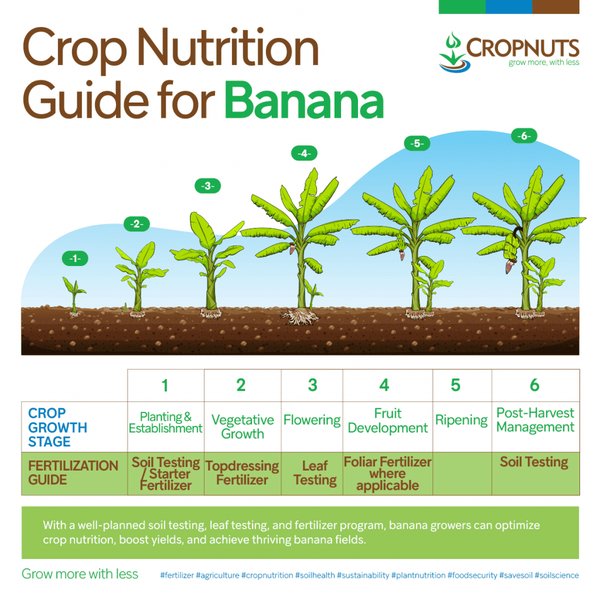
Visual guide to banana crop nutrition.
2. Banana-Specific Nutritional Demands
Meeting High Nutrient Requirements
Banana plants are heavy feeders and have specific nutritional needs that the application must address:
- High Demand for N and K: Nitrogen is crucial for vegetative growth, while Potassium is vital for fruit development, yield, and quality. Bananas remove significant amounts of K from the soil with each harvest (e.g., around 4.33 kg K₂O per tonne of fruit).
- Nutrient Balance: The ratio between certain nutrients, particularly Calcium (Ca), Magnesium (Mg), and Potassium (K), is critical. An imbalance, even if individual levels are adequate, can hinder nutrient uptake and affect fruit quality (e.g., excess K can antagonize Ca and Mg uptake).
- Growth Stage Variations: Nutrient requirements change throughout the banana plant's lifecycle, from planting through vegetative growth to fruiting. The application should tailor recommendations to the specific growth stage. For instance, plant crops (first cycle) may have higher N needs early on compared to ratoon crops (subsequent cycles from suckers), which benefit from nutrient recycling.
- Nutrient Removal: The app should factor in the amount of nutrients removed by the harvested fruit to calculate replenishment needs for subsequent crops.
3. Environmental and Agronomic Context
Adapting to Local Conditions
- Climate Factors: Rainfall, temperature, and humidity significantly impact nutrient availability and plant uptake. Heavy rainfall can lead to leaching of mobile nutrients like N and K, especially in sandy soils. The app might suggest split applications or slow-release fertilizers in such conditions.
- Soil Health Indicators: Beyond basic NPK, the app should consider broader soil health indicators, including microbial activity. A healthy soil micro-ecological environment can enhance nutrient availability and plant resilience.
- Fertilizer Application Methods & Timing: Recommendations should include guidance on appropriate application methods (e.g., broadcasting, banding, fertigation) and timing, coinciding with plant needs and favorable climatic conditions. Split applications are generally recommended to improve nutrient use efficiency and reduce losses.
- Organic and Biofertilizers: The application could integrate options for using organic manures (e.g., FYM, coir pith) and biofertilizers (e.g., AM fungi, Azospirillum) to supplement mineral fertilizers, improve soil health, and promote sustainable practices.

Fertilization is key in banana cultivation.
4. User Interface (UI) and User Experience (UX)
Clarity and Actionability
The recommendations must be presented in a clear, understandable, and actionable format for farmers, who may have varying levels of technical expertise. This includes specifying nutrient types, amounts per plant or per area, and application schedules.
Industry-Specific QA Focal Points
Quality Assurance for such an application is paramount to ensure its reliability and effectiveness in real-world farming scenarios. QA teams should be acutely aware of the following industry-specific aspects:
1. Data Accuracy and Interpretation
Validating Inputs and Algorithms
- Soil Test Calibration: Verify that the application correctly interprets data from various calibrated soil testing methods and handles different units of measurement (e.g., ppm, meq/100g, kg/ha).
- Nutrient Interaction Logic: Test scenarios with diverse nutrient ratios to ensure the app correctly identifies and addresses imbalances (e.g., Ca:Mg:K ratios), not just absolute deficiencies or sufficiencies.
- Edge Cases and Outliers: Ensure the system gracefully handles incomplete, borderline, or unusual soil data without providing erroneous or misleading recommendations.
2. Regional and Cultivar Adaptability
Accounting for Local Nuances
- Geographical Variations: Banana cultivation spans diverse climates and soil types. QA must test if the application can adapt its recommendations to different regional conditions (e.g., high rainfall leading to leaching, specific soil deficiencies common in certain areas) or allows for customization.
- Cultivar Differences: Different banana cultivars may have slightly varying nutrient requirements. While a basic app might generalize, QA should be aware if the system claims to support specific cultivars and test accordingly.
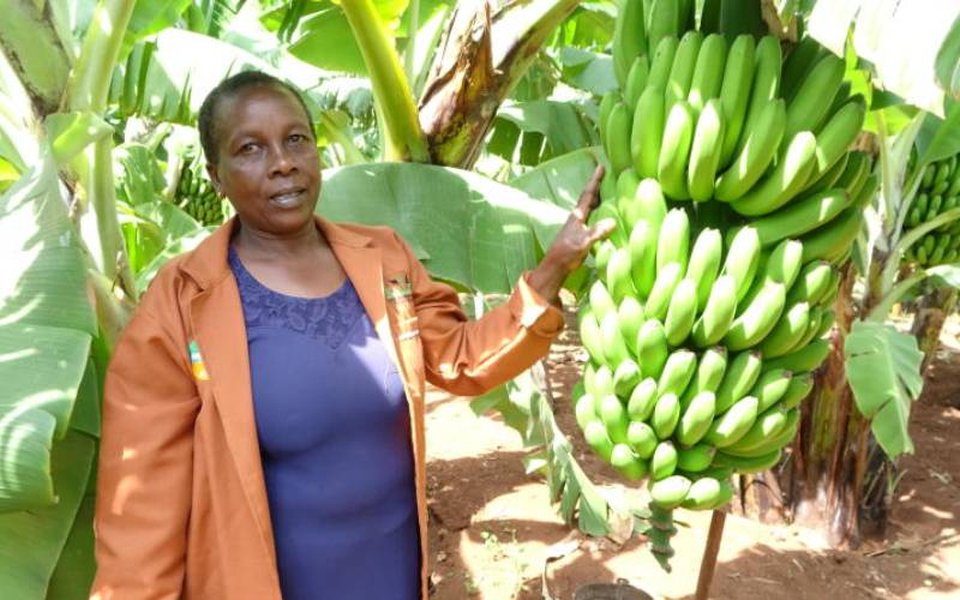
Soil testing is a fundamental step for tailored nutrient recommendations.
3. Agronomic Best Practices
Aligning with Farming Realities
- Plant vs. Ratoon Crops: Nutrient management differs significantly between the initial plant crop and subsequent ratoon crops. QA must ensure the application provides distinct and appropriate recommendations for each.
- Integration with Leaf Analysis: While soil-based, the app might acknowledge or suggest complementary leaf analysis, which is a common practice for fine-tuning nutrient management. QA should check how this is handled if mentioned.
- Practicality of Recommendations: Recommendations should be economically viable and practical for farmers to implement. This includes considering the availability and cost of recommended fertilizers.
- Compliance with Guidelines: The application's advice should align with established agricultural extension guidelines and research findings from reputable institutions.
4. Application Functionality and Usability
Ensuring a Robust and User-Friendly Tool
- Clarity of Recommendations: Test that the output is clear, providing specific advice on fertilizer types, quantities, and application timing/methods. Alerts for critical imbalances or toxicities should be prominent and understandable.
- Performance and Scalability: The app should deliver recommendations promptly and be able to handle data from multiple samples, especially for larger farms.
- Update Mechanisms: Agricultural science evolves. QA should verify that there's a mechanism for updating the app's knowledge base with new research and recommendations.
- Handling of Environmental Factors: If the app claims to consider factors like rainfall or irrigation, QA needs to test how these inputs modify the nutrient recommendations.
Visualizing Key Factors in Banana Nutrient Management
The following chart illustrates the relative importance of various factors that an intelligent nutrient recommendation system for banana crops should consider. The scores are qualitative, representing an opinionated assessment of their impact on successful banana cultivation and the complexity of their integration into a recommendation algorithm.
This radar chart emphasizes that accurate assessment of soil pH and macronutrient levels (especially N, P, K) are highly critical. Furthermore, achieving the correct balance between Calcium, Magnesium, and Potassium, adapting recommendations to specific crop stages, and considering leaching risks are also vital components for an effective system.
Mindmap: Nutrient Recommendation Process Flow
This mindmap illustrates the interconnected components involved in generating nutrient recommendations for banana crops, from initial soil sampling to the final advice provided to the farmer.
(Cultivar, Growth Stage)"] id2b["Nutrient Interaction Models
(e.g., Ca:Mg:K ratio)"] id2c["Regional Data
(Climate, Soil Types)"] id2d["Fertilizer Database
(Types, Nutrient Content)"] id2e["Agronomic Best Practices"] id3["Farmer Inputs"] id3a["Crop Stage (Planting, Vegetative, Fruiting)"] id3b["Plant Crop vs Ratoon Crop"] id3c["Farm Location (Optional for regional adjustments)"] id3d["Previous Harvest Yield (Optional for nutrient removal calc)"] id4["Generated Recommendations"] id4a["Specific Fertilizer Types"] id4b["Dosage Rates (per plant/area)"] id4c["Application Timing & Frequency"] id4d["Application Method Suggestions"] id4e["Warnings (e.g., imbalances, pH correction)"] id5["QA & Validation Layer"] id5a["Data Integrity Checks"] id5b["Algorithm Validation"] id5c["Usability Testing"] id5d["Compliance Checks"]
The mindmap showcases how soil sample data, processed through the application's logic (which includes databases on banana needs, nutrient interactions, and regional factors), combined with farmer inputs, leads to tailored recommendations. A crucial QA layer ensures the system's accuracy and reliability.
Essential Nutrients for Banana Crops
Understanding the role of each nutrient is vital for effective fertilization. The table below summarizes key macronutrients and micronutrients essential for healthy banana growth and productivity.
| Nutrient | Symbol | Primary Role(s) in Banana Plants | Common Deficiency Symptoms |
|---|---|---|---|
| Nitrogen | N | Promotes vegetative growth (leaves, stem); essential component of chlorophyll and proteins. | Stunted growth, pale green or yellowish leaves (chlorosis), especially older leaves. |
| Phosphorus | P | Crucial for root development, flower initiation, fruit set, and energy transfer. | Poor root growth, delayed maturity, purplish discoloration on older leaves (less common in bananas). |
| Potassium | K | Essential for fruit size, quality, and quantity; enzyme activation; water regulation; disease resistance. Highest demand nutrient. | Yellowing/scorching of older leaf margins, weak stems, small or poor-quality fruit bunches. |
| Calcium | Ca | Cell wall structure, cell division, membrane function; improves fruit firmness and shelf life. | Deformed new leaves ("spike leaf"), internal fruit breakdown, poor root development. |
| Magnesium | Mg | Central component of chlorophyll; enzyme activation; involved in nutrient uptake. | Interveinal chlorosis (yellowing between veins) on older leaves, often with a "Christmas tree" pattern. |
| Sulfur | S | Synthesis of amino acids and proteins; enzyme activation. | Uniform yellowing of younger leaves, similar to N deficiency but affects new growth first. |
| Zinc | Zn | Enzyme activation, hormone (auxin) synthesis, carbohydrate metabolism. | Narrow, pointed, and chlorotic young leaves ("little leaf"), rosetting, stunted internodes. |
| Boron | B | Cell wall formation, pollen viability, sugar transport, hormone activity. | Brittle leaves, distorted fruit, death of growing points, poor fruit set. |
This table highlights that each nutrient plays a distinct and critical role. The application should aim to ensure an adequate and balanced supply of all these nutrients based on soil analysis and crop needs.
Featured Video: Nutrient Management Planning
Effective nutrient management is a cornerstone of successful banana farming. The video below provides valuable insights into planning nutrient strategies for banana growers, touching upon aspects that an intelligent recommendation application would aim to support and automate.
This video, "Nutrient Management Planning for banana growers," discusses the importance of strategic nutrient application. While the application focuses on soil sample-based recommendations, understanding the broader context of nutrient planning, including timing and long-term soil health, is crucial. An intelligent app should provide recommendations that fit into a comprehensive nutrient management plan, considering factors like crop cycle, soil type, and sustainable practices. QA for such an app should ensure that its recommendations are consistent with these broader agronomic principles.
Frequently Asked Questions (FAQ)
What is the ideal soil pH for banana cultivation?
Bananas generally prefer slightly acidic to neutral soil, with an optimal pH range typically between 5.5 and 6.5. Some sources may extend this slightly to 7.0 or even 7.5. Soil pH outside this range can significantly impact nutrient availability. For example, very acidic soils (pH < 5.0) can lead to increased solubility of aluminum and manganese, which can be toxic to banana plants and hinder the uptake of other essential nutrients.
Why is Potassium (K) particularly important for banana crops?
Potassium is the nutrient required in the largest quantity by banana plants. It plays a crucial role in many physiological processes, including enzyme activation, photosynthesis, water regulation (stomatal opening/closing), and carbohydrate transport. Most importantly for commercial growers, potassium is vital for fruit development, influencing bunch size, fruit weight, quality (e.g., sugar content, ripening), and overall yield. Significant amounts of K are removed from the field with each harvest, making regular replenishment essential.
Should leaf analysis be used in conjunction with soil analysis?
Yes, for optimal nutrient management in commercial banana production, leaf analysis is often recommended to complement soil analysis. Soil analysis indicates what nutrients are present in the soil and their availability, while leaf analysis reflects the actual nutrient uptake by the plant. Together, they provide a more complete picture of the plant's nutritional status, helping to fine-tune fertilizer programs and diagnose deficiencies or excesses that soil tests alone might not reveal.
How do nutrient requirements differ between plant crops and ratoon crops?
Plant crops (the first crop cycle from a newly planted sucker or corm) and ratoon crops (subsequent crops from follower suckers) can have different nutrient needs. Plant crops generally require adequate nutrients for establishing a strong root system and vigorous early growth, sometimes with a higher emphasis on nitrogen in the initial stages. Ratoon crops can benefit from the decomposition of organic matter from the previous crop cycle (mother plant residues), which recycles some nutrients back into the soil. However, ratoon crops still have high demands, especially for K, to support successive bunch development. Fertilizer programs should be adjusted accordingly.
What are common mistakes in banana fertilization that an app can help avoid?
Common mistakes include:
- Over- or under-application of nutrients: Applying too much fertilizer can be costly, harm the environment through runoff, and even cause nutrient toxicities or imbalances. Too little leads to deficiencies and poor yields. An app using soil data aims for precision.
- Incorrect nutrient ratios: Focusing on one nutrient (e.g., N) while neglecting others (e.g., K or Mg) can lead to imbalances that negatively affect growth and fruit quality.
- Poor timing of application: Applying nutrients when the plant doesn't need them or when they are likely to be lost (e.g., before heavy rain) reduces efficiency.
- Ignoring soil pH: Fertilizing without considering soil pH can mean that applied nutrients are not available to the plant. An app should highlight the need for pH correction if necessary.
Recommended Further Exploration
- How does soil texture affect nutrient leaching and fertilizer recommendations for bananas?
- What are the specific nutrient requirements for different banana cultivars like Cavendish or Plantain?
- Explore the role of biofertilizers and organic amendments in sustainable banana nutrient management.
- How can remote sensing or precision agriculture techniques be integrated with soil sample data for banana fertilization?
References
Last updated May 9, 2025