
The Effectiveness of Banana Peel in Creating Eco-Friendly Teaching Materials
Exploring Sustainable Innovations in Educational Resources
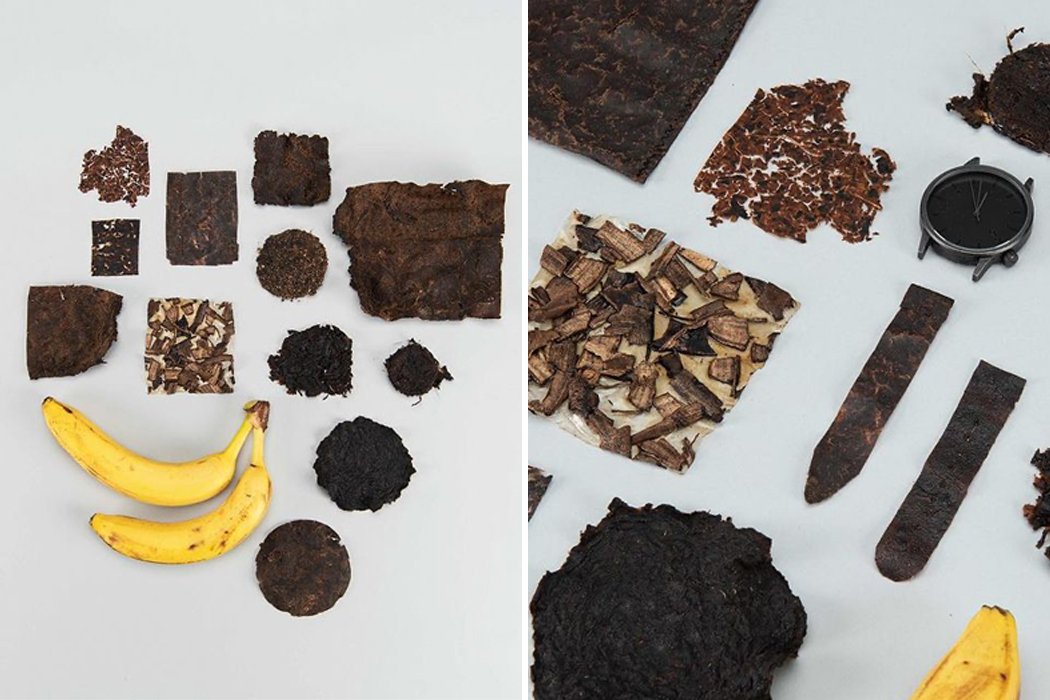
Key Insights
- Biodegradable Alternatives: Banana peels offer viable pathways for creating eco-friendly composites, papers, and films.
- Sustainability in Education: Integrating banana peel-derived materials can enhance practical learning on recycling and waste reduction.
- Cost-Effectiveness and Innovation: Low-cost production coupled with hands-on educational opportunities drives inspiration for greener practices.
Introduction
In an era where sustainability and innovative educational approaches are paramount, researchers and educators have turned their attention toward reimagining common waste materials. Banana peels, often discarded as mere organic waste, present significant untapped potential for creating eco-friendly teaching materials. Their remarkable properties as a renewable resource have led to a surge in research exploring the transformation of banana peels into biodegradable alternatives. This discussion will cover various dimensions including material properties, production processes, practical applications in educational settings, and potential limitations.
Material Potential and Environmental Benefits
Biodegradable Composites and Films
One of the most promising aspects of banana peels in eco-friendly teaching is their conversion into biodegradable composites and films. The high cellulose content in banana peels makes them an attractive alternative to synthetic plastics. Through controlled processing, including the extraction and purification of natural polymers, banana peels can be converted into:
- Bioplastic Films: These films are not only flexible and robust but also break down naturally after their useful life. They can be employed as protective covers for textbooks or packaging materials for educational tools.
- Bio-composite Sheets: Combining banana peel derivatives with other organic materials like cassava starch creates sheets that are strong and durable, suitable for making folders, notebooks, or even portable whiteboard surfaces.
The transition to biodegradable teaching materials mitigates reliance on traditional plastics, lowers the environmental footprint, and furthers a comprehensive understanding of ecological balance in a classroom setting.
Handmade Paper and Natural Dyes
Repurposing banana peels into handmade paper is another innovative approach that can be particularly engaging in educational projects. By processing banana peels to form a pulp, educators and students can form high-quality paper. This sustainable alternative is excellent for crafting educational posters, worksheets, or artistic creations. In addition, natural dyes extracted from banana peels can be used in art classes, emphasizing the value of plant-based pigments and the importance of natural resources.
The transformation of banana peels into paper products not only highlights waste reduction but also offers a tactile, hands-on learning experience that emphasizes ecological awareness and resourcefulness.
Educational Impact and Practical Applications
Hands-On Experiments and Curriculum Integration
Integrating banana peel-based materials into the curriculum provides a unique opportunity for experiential learning. Students can explore both the scientific principles and environmental benefits through direct manipulation of these materials. Practical classroom applications include:
- Science experiments: Projects can illustrate the decomposition process and methane emissions by placing banana peel samples in controlled experimental setups. These experiments help students grasp the concept of organic degradation and its environmental impact.
- Bioplastic production: Students can follow guided procedures to transform banana peel extracts into films or composites. This process demystifies the fabrication of bioplastics, fostering a deeper understanding of chemistry and material science.
- Art and design projects: The production of handmade paper and natural dyes from banana peels encourages creativity while simultaneously highlighting sustainable practices in everyday items.
This direct application in classrooms not only meets academic objectives but also instills environmental ethics by demonstrating a practical, renewable alternative to single-use materials.
Research, Innovation, and Low-Cost Production
The abundance and low cost of banana peels make them a favored candidate for innovative educational material development. Banana peels are routinely sourced as a byproduct in the banana industry, making them an economically viable raw material for both research and practical application. Several experimental projects have shown that:
- Cost-effectiveness: The use of banana peels reduces the overall production cost of educational materials compared to conventional resources.
- Innovation: Encouraging students to transform a common waste element into high-value teaching resources promotes creative problem-solving skills.
- Environmental sustainability: By reducing the dependence on fossil fuel-based polymers, educators advocate for a lower carbon footprint and a circular economy model.
With an emphasis on research and field trials, future studies are likely to optimize the extraction and processing methods, thereby improving the mechanical properties and affordability of banana peel-based products.
Technological Process and Manufacturing Considerations
Extraction and Processing Techniques
The conversion of banana peels into usable teaching materials involves several technical steps, each critical for preserving the natural properties of the material while ensuring functionality:
1. Pre-Treatment
The process begins with washing and sterilizing the banana peels to remove contaminants. Once cleaned, the peels are cut into smaller pieces to facilitate further processing.
2. Extraction of Cellulose
Cellulose is extracted using methods such as chemical treatment or enzymatic processes. The objective is to dissolve unwanted components and isolate the cellulose fibers necessary for forming bioplastic films.
3. Formation of Materials
After cellulose extraction, the fibers are combined with other natural additives—like cassava starch—to form a composite mix. This mix is then molded or cast into specific shapes, ranging from thin films to thicker composite sheets.
The resultant materials are then subjected to controlled drying and curing processes. Each stage must be carefully monitored to ensure that the final product remains biodegradable while simultaneously meeting the structural requisites of educational tools.
Quality and Performance Metrics
For banana peel-derived materials to be effectively used in educational settings, consistency in quality and performance is crucial. Several performance metrics are considered during production:
| Parameter | Measurement | Educational Usage |
|---|---|---|
| Biodegradability | Decomposition time under composting conditions | Eco-friendly disposal post-use |
| Mechanical Strength | Tensile and impact resistance | Durability in notebooks, folders, and covers |
| Transparency and Flexibility | Measured by light permeability and bend tests | Applicability in films for packaging and protective coverings |
| Chemical Resistance | Evaluation against water and common solvents | Robustness in various classroom environments |
| Cost Efficiency | Production cost per unit | Sustainable production without financial strain on institutions |
Monitoring these parameters helps ensure that the products not only meet environmental standards but also maintain the necessary quality required for repetitive use in educational scenarios.
Challenges and Future Directions
Scalability and Production Consistency
While the prospects of banana peel-based educational materials are promising, a few challenges remain. Among the chief obstacles is the scalability of production. Although banana peels are abundant and low-cost, refining the extraction and production processes to a commercially viable scale presents technical and logistical challenges:
- Technological Infrastructure: Small-scale experiments in academic settings must evolve into industrial-scale production methods without compromising the material’s eco-friendly properties.
- Consistency and Quality Control: Ensuring batch-to-batch consistency is a critical factor. Variations in the raw material quality can affect the biodegradability, strength, and usability of the final product.
- Cost Efficiency: Even though banana peels themselves are a low-cost resource, the processing technology must be optimized to compete with conventional materials in both cost and performance.
Addressing these challenges will involve multi-disciplinary collaboration among chemists, material scientists, and educators. Future research is likely to focus on refining these processes to achieve a balance between cost, quality, and environmental impact.
Educational Innovation and Sustainability Awareness
The adoption of banana peel-derived teaching materials goes beyond the realm of material science; it also plays an influential role in educating future generations about sustainability. Incorporating such materials in everyday learning environments fosters a culture of environmental consciousness. Students engaged in hands-on projects learn the value of repurposing waste and the significance of sustainable practices, leading to:
- A deeper understanding of renewable resources and waste management.
- Enhanced critical thinking and creativity through experimental learning.
- The motivation to explore similar sustainable solutions in various facets of society.
Furthermore, as global awareness of environmental issues grows, incorporating eco-friendly innovations into educational infrastructures can inspire communities to adopt greener practices across multiple sectors.
Real-World Applications and Case Studies
Practical Implementations
Several case studies and research initiatives have been undertaken, especially in regions where sustainability is a priority. Schools and universities have experimented with integrating banana peel-based products into their curriculum, demonstrating the following advantages:
- Low-cost Educational Materials: Institutions have reported a reduction in spending by using biodegradable materials derived from banana peels. These materials offer an eco-friendly solution that minimizes waste.
- Community Engagement and Awareness: Involving students in the process of creating teaching materials from banana peels has been a successful tool for community education on sustainable practices.
- Interdisciplinary Learning: The projects combine principles from chemistry, environmental science, art, and engineering, thus providing a comprehensive learning experience.
These case studies underline the transformative potential of repurposing organic waste into practical, everyday educational tools while promoting environmental stewardship.
Ongoing Research and Development Opportunities
The field remains dynamic, with ongoing research aimed at optimizing the efficacy of banana peel-derived materials. Areas of active inquiry include:
- The improvement of extraction techniques to yield higher purity cellulose.
- Innovations in processing methods to enhance the durability of bio-composites.
- Comparative studies of banana peel-based materials with traditional teaching supplies to gauge long-term effectiveness and ease of use.
With rising interest from both academic and commercial sectors, we can expect rapid advancements that align material innovation with the increasing demand for sustainable products within educational contexts.
References
- Using Banana Peel Films as an Eco-Friendly Answer to Plastic Pollution - Environment Energy Leader
- Valorization of Banana Peels in Bio-Composites - Frontiers in Sustainability
-
Renewable Additives in Construction Using Banana Peels - Science Direct
-
Exploration of Banana Peel Valorization - NIH PMC
-
Effectiveness of Banana Peel Based Materials - AAJMRA
Recommended Next Steps
Last updated March 13, 2025