
Unveiling Nature's Armor: The Fundamentals of Plant Resistance to Insects
An undergraduate introduction to how plants defend themselves against insect herbivores and its importance in agriculture.
Plants, though seemingly passive, are engaged in a constant, silent battle for survival against a myriad of threats, including insect herbivores. Over millions of years, they have evolved sophisticated defense systems to deter, repel, or tolerate insect attacks. Understanding these mechanisms, known as plant resistance, is crucial not only for appreciating the intricacies of ecological interactions but also for developing sustainable agricultural practices that minimize reliance on synthetic pesticides. This lecture explores the fundamental concepts, mechanisms, and applications of plant resistance to insects.
Essential Insights: Key Takeaways
- Plant resistance encompasses heritable traits that allow a plant variety to suffer less damage from insects compared to other varieties under similar conditions.
- The three primary mechanisms of resistance are Antixenosis (non-preference), Antibiosis (adverse effects on insect biology), and Tolerance (plant recovery/compensation).
- Host plant resistance is a cornerstone of Integrated Pest Management (IPM), offering an environmentally sound and sustainable approach to controlling insect pests.
The Concept of Host Plant Resistance (HPR)
Defining the Plant's Ability to Defend
Host Plant Resistance (HPR) refers to the inherent ability of certain plant varieties to limit damage caused by insect pests. It encompasses all heritable characteristics that result in a plant being less damaged than a susceptible counterpart. This isn't about a single plant becoming immune overnight; rather, it's about populations of plants (cultivars, varieties) possessing genetic traits that confer an advantage against specific pests.
Resistance isn't necessarily absolute immunity. It exists on a spectrum:
- Immunity: The plant is never injured by a specific pest. (Rare)
- High Resistance: Allows only a low level of pest damage.
- Moderate Resistance: Sustains more damage than highly resistant varieties but less than susceptible ones.
- Low Resistance: Offers only slight protection compared to susceptible varieties.
- Susceptibility: The plant is unable to effectively limit pest damage.
HPR is a fundamental component of Integrated Pest Management (IPM), providing built-in, preventative control that can synergize with other management tactics like biological control and cultural practices.
A Dynamic Co-evolutionary Dance
The relationship between plants and insects stretches back hundreds of millions of years. This long history has resulted in a dynamic co-evolutionary "arms race." Plants evolve defenses (like toxins or thorns), and insects evolve counter-adaptations (like detoxification mechanisms or behavioral avoidance). Understanding this ongoing interaction is key to appreciating why resistance isn't always permanent and why pests can sometimes overcome previously resistant plant varieties.
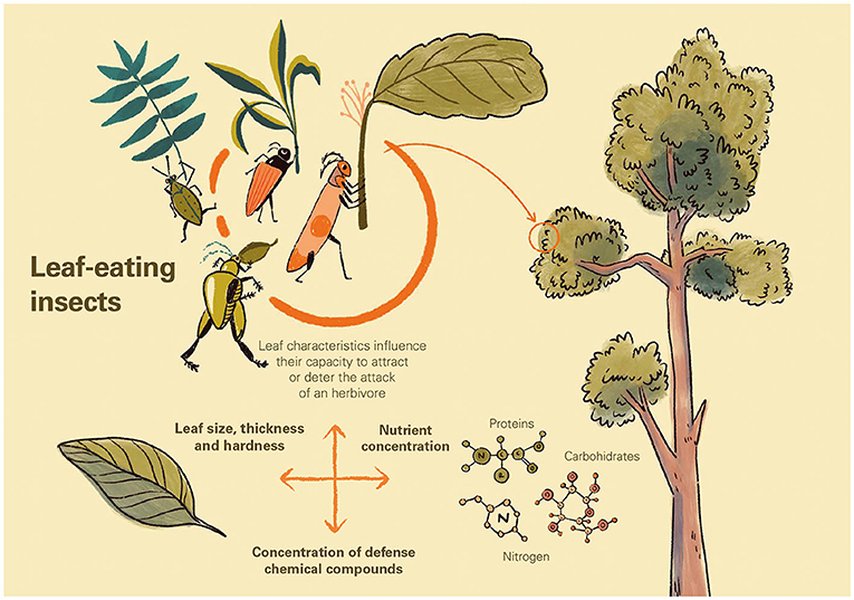
Plants employ a diverse arsenal of physical and chemical defenses against herbivores.
Mechanisms of Resistance: The Plant's Toolkit
Plant resistance isn't a single phenomenon but rather a collection of strategies. These are broadly categorized into three main mechanisms:
1. Antixenosis (Non-preference)
Making the Plant Unattractive
Antixenosis (meaning "against strangers") describes plant traits that deter an insect from using the plant for food, shelter, or oviposition (egg-laying). The insect isn't necessarily harmed; it simply finds the plant undesirable and is likely to leave in search of a more suitable host. This mechanism affects insect behavior.
- Chemical Factors:
- Presence of repellent compounds (e.g., certain volatile organic compounds).
- Absence of attractants or feeding stimulants that the insect normally seeks.
- Morphological/Physical Factors:
- Color/Visual Cues: Leaf or flower colors that are unattractive to specific insects.
- Trichomes (Leaf Hairs): Dense hairs can impede insect movement, feeding, or egg-laying. Glandular trichomes can also release sticky or toxic substances.
- Surface Waxes: Thick or slippery wax layers can make it difficult for insects to walk, attach, or feed.
- Spines/Thorns: Obvious physical deterrents.
- Tissue Toughness: Thick cell walls or high silica content can make plant tissues difficult to chew or penetrate.

Morphological features like trichomes and spines serve as physical barriers (Antixenosis).
2. Antibiosis
Harming the Attacker
Antibiosis occurs when a plant, despite being fed upon, adversely affects the biology of the insect pest. This mechanism directly harms the insect after it attempts to use the plant.
Effects on the insect can include:
- Reduced survival rates (lethality).
- Slowed growth and development.
- Decreased size or weight.
- Reduced fecundity (reproduction).
- Increased mortality of offspring.
Antibiosis is typically mediated by biochemical factors:
- Toxic Secondary Metabolites: Plants produce a vast array of chemicals (alkaloids, terpenes, phenolics, glucosinolates) that are poisonous or deterrent to insects. Nicotine in tobacco is a classic example.
- Nutritional Deficiency: The plant may lack essential nutrients required by the insect.
- Digestive Interference: Compounds like proteinase inhibitors can block the action of insect digestive enzymes, hindering nutrient absorption. Lectins can bind to the insect gut lining.
- Induced Defenses: Plants can often ramp up production of defensive chemicals specifically in response to insect feeding (wounding response), often regulated by signaling hormones like jasmonic acid.
3. Tolerance
Withstanding the Attack
Tolerance is the plant's ability to withstand or recover from insect damage that would cause significant injury or yield loss in a susceptible plant. Unlike antixenosis and antibiosis, tolerance doesn't directly affect the insect's behavior or survival; the insect population might thrive, but the plant compensates for the damage.
Mechanisms of tolerance include:
- Increased Vigor: Rapid growth allows the plant to outpace the damage.
- Compensatory Growth: Ability to regrow damaged tissues (leaves, stems) quickly.
- Photosynthetic Compensation: Undamaged parts of the plant may increase their photosynthetic rate to compensate for lost tissue.
- Resource Reallocation: Shunting resources to produce more flowers or seeds despite foliage damage.
- Damage Compartmentalization: Limiting the physiological impact of localized damage.
Often, a resistant plant variety will utilize a combination of these mechanisms, providing more robust and durable protection.
Comparing the Core Resistance Mechanisms
The three primary mechanisms of plant resistance offer different strategies for dealing with insect pests. The table below summarizes their key features:
| Mechanism | Definition | Effect on Insect | Basis | Examples |
|---|---|---|---|---|
| Antixenosis (Non-preference) | Plant traits deter insect feeding, shelter, or oviposition. | Behavioral: Insect avoids or leaves the plant. | Morphological (trichomes, waxes, color) or Chemical (repellents, lack of attractants). | Hairy leaves deterring aphids, certain leaf colors repelling specific beetles. |
| Antibiosis | Plant traits adversely affect insect biology after feeding. | Physiological: Reduced survival, growth, or reproduction. | Biochemical (toxins, inhibitors, nutritional deficiencies). | Nicotine in tobacco killing insects, proteinase inhibitors in beans impairing digestion. |
| Tolerance | Plant withstands or recovers from damage without significant yield loss. | Minimal direct effect; insect population may persist. | Physiological (rapid regrowth, compensation, resource allocation). | Maize varieties that regrow quickly after stem borer damage, plants increasing photosynthesis in remaining leaves. |
Visualizing Plant Resistance Concepts
This mindmap provides a structural overview of the key concepts covered in plant resistance to insects, linking definitions, mechanisms, and applications.
The Genetic Foundation and Development of Resistance
Genes at the Helm
Plant resistance is fundamentally genetic. The traits conferring resistance are heritable, passed down through generations.
- Vertical Resistance: Often controlled by one or a few major genes (R-genes). It typically provides high resistance but only against specific insect biotypes (races) possessing corresponding avirulence genes. It can be powerful but may break down quickly if the pest evolves to overcome that specific gene (gene-for-gene relationship).
- Horizontal Resistance: Controlled by multiple minor genes (polygenic). It usually provides partial or moderate resistance against a broader range of pest biotypes. While perhaps less dramatic than vertical resistance, it is generally considered more durable and less likely to be completely overcome by pest evolution.
Finding and Breeding Resistance
Developing insect-resistant crop varieties is a major goal of plant breeding programs.
- Sources: Resistance traits are often found in wild relatives of crop plants, landraces (traditional farmer-selected varieties), or identified through screening large germplasm collections.
- Conventional Breeding: Involves identifying resistant plants and crossing them with high-yielding or otherwise desirable varieties, followed by generations of selection to combine resistance with good agronomic traits.
- Molecular Breeding: Uses DNA markers linked to resistance genes (Marker-Assisted Selection - MAS) to speed up the selection process.
- Genetic Engineering (Biotechnology): Allows the transfer of specific resistance genes, sometimes even from other organisms, into crops. The most famous example is Bt crops (e.g., cotton, maize), which contain a gene from the bacterium Bacillus thuringiensis, enabling the plant to produce an insecticidal protein toxic to certain pests like caterpillars. Other approaches include RNA interference (RNAi) technology designed to silence essential genes in the target pest.
This video discusses the importance and methods of breeding plants for insect resistance:
Developing resistant crop varieties is key to sustainable pest management.
Challenges in Resistance Development
Despite successes, developing and deploying resistant varieties faces challenges:
- Identifying Sources: Finding effective resistance for all major pests can be difficult.
- Resistance Breakdown: Insects constantly evolve, potentially overcoming existing resistance mechanisms.
- Linkage Drag: Undesirable traits (like lower yield) can sometimes be genetically linked to resistance genes and difficult to separate through breeding.
- Multiple Pests: Breeding for resistance to one pest might inadvertently increase susceptibility to another.
- Complexity: Resistance mechanisms, especially horizontal resistance, can be complex and difficult to manipulate.
Evaluating Different Resistance Strategies
Different approaches to achieving plant resistance have varying characteristics in terms of effectiveness, durability, development cost, and specificity. This radar chart provides a conceptual comparison of these aspects for the main mechanisms and breeding approaches. Note that these are generalized assessments and specific cases can vary widely.
This chart highlights the trade-offs involved. For instance, vertical resistance and transgenic approaches offer high initial effectiveness and specificity but may face challenges with durability due to pest adaptation. Tolerance and horizontal resistance tend to be more durable but might offer lower initial pest suppression compared to highly specific mechanisms.
Integrating Resistance into Pest Management
A Foundation for IPM
Host plant resistance is rarely a standalone solution, but it forms a crucial foundation for Integrated Pest Management (IPM) programs. IPM aims to manage pests effectively, economically, and with minimal risk to human health and the environment. Resistant cultivars contribute significantly by:
- Providing a baseline level of pest suppression.
- Reducing the need for, or frequency of, insecticide applications.
- Making other control tactics (like biological control) more effective by slowing pest population growth.
- Enhancing the ecological stability of agricultural systems.
- Being inherently compatible with environmental protection goals.
Striving for Durability
A key goal is achieving durable resistance – resistance that remains effective over long periods and diverse environments, even as pest populations evolve. Strategies to enhance durability include:
- Pyramiding/Stacking Genes: Incorporating multiple different resistance genes (acting via different mechanisms) into a single cultivar. It's much harder for a pest to simultaneously overcome multiple hurdles.
- Using Horizontal Resistance: Relying on polygenic traits often provides more stable, albeit sometimes partial, resistance.
- Cultivar Mixtures/Mosaics: Planting mixtures of varieties with different resistance profiles can slow the selection pressure for pests to adapt.
- Integrated Resistance Management (IRM): Combining resistant varieties with other IPM tactics (refuges for susceptible pests in Bt crop systems, crop rotation, biological control) to reduce selection pressure.
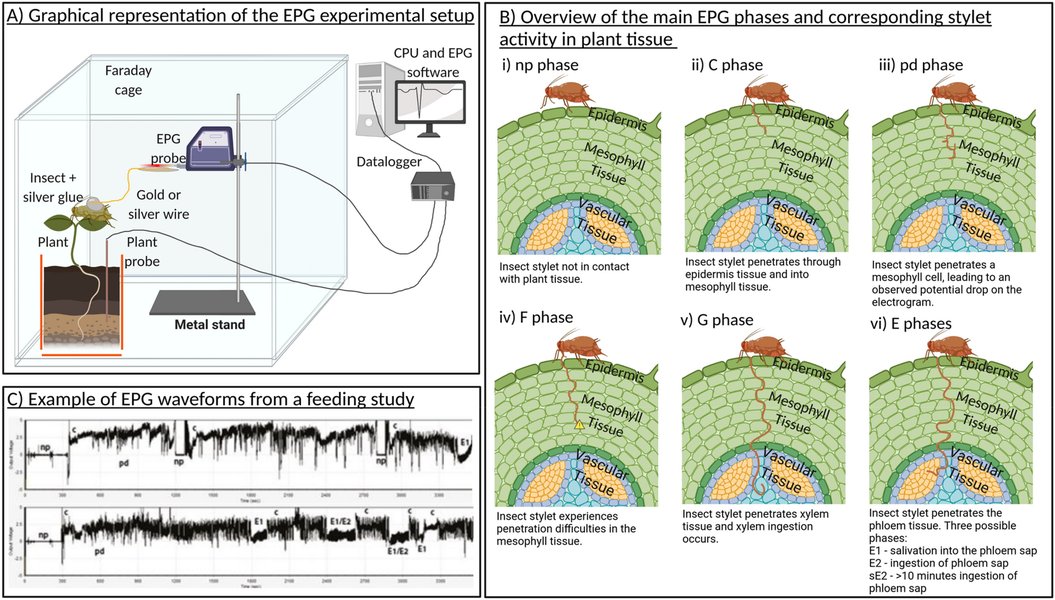
Understanding the complex signaling pathways involved in plant defense helps in developing durable resistance strategies.
Future Perspectives
Research into plant resistance is continually evolving, driven by advances in genetics, molecular biology, and ecology. Future directions include:
- Engineering Multimechanistic Resistance: Designing plants that deploy multiple resistance strategies simultaneously.
- Advanced Genomics and Omics: Using genomics, transcriptomics, proteomics, and metabolomics to identify novel resistance genes and understand complex defense networks.
- Precision Breeding: Utilizing tools like CRISPR gene editing for faster and more precise development of resistant varieties.
- Understanding Climate Change Impacts: Investigating how changing environmental conditions affect plant-insect interactions and resistance durability.
- Exploiting Induced Resistance: Developing ways to artificially trigger plant defenses before pests arrive.
Frequently Asked Questions (FAQs)
What's the main difference between Antibiosis and Antixenosis?
Antixenosis affects the insect's behavior – the plant has traits that make it unattractive or physically difficult for the insect to feed, rest, or lay eggs, causing the insect to avoid it. Antibiosis affects the insect's biology – the plant contains compounds or lacks nutrients that harm the insect after it starts feeding, reducing its survival, growth, or reproduction.
Is Tolerance really a form of resistance if it doesn't harm the insect?
Yes, tolerance is considered a mechanism of resistance because the outcome is reduced crop damage or yield loss compared to a susceptible variety under the same level of insect infestation. While it doesn't directly reduce the insect population on the plant, it protects the plant's productivity, which is the primary goal from an agricultural perspective.
Can insects overcome plant resistance?
Yes, insects can evolve adaptations to overcome plant resistance mechanisms, especially vertical resistance based on single genes. This is part of the co-evolutionary arms race. Pests may develop detoxification pathways for plant toxins, behavioral adaptations to avoid defenses, or changes in receptors targeted by plant compounds. This is why developing durable resistance strategies and integrating resistance with other IPM tactics is crucial.
Are genetically engineered resistant crops (like Bt crops) safe?
Genetically engineered (GE) crops, including insect-resistant Bt crops, undergo extensive regulatory review for environmental and food safety before commercialization. Decades of research and use have generally shown them to be safe for consumption and to provide environmental benefits by reducing broad-spectrum insecticide use. However, ongoing monitoring for non-target effects and managing insect resistance evolution (e.g., through refuge strategies) are important considerations for their sustainable use.
Recommended Further Exploration
- How do plant hormones like jasmonic acid and salicylic acid regulate insect defense responses?
- Compare the durability of vertical resistance versus horizontal resistance in crops.
- What are the mechanisms behind Bt crop resistance and how do insects evolve to overcome it?
- Explore examples of successful integration of host plant resistance in IPM programs for major crops.
References

Last updated May 2, 2025