
Holy Basil Chips: A Unique Crispy Delight
Discover the aromatic and crunchy world of basil chips
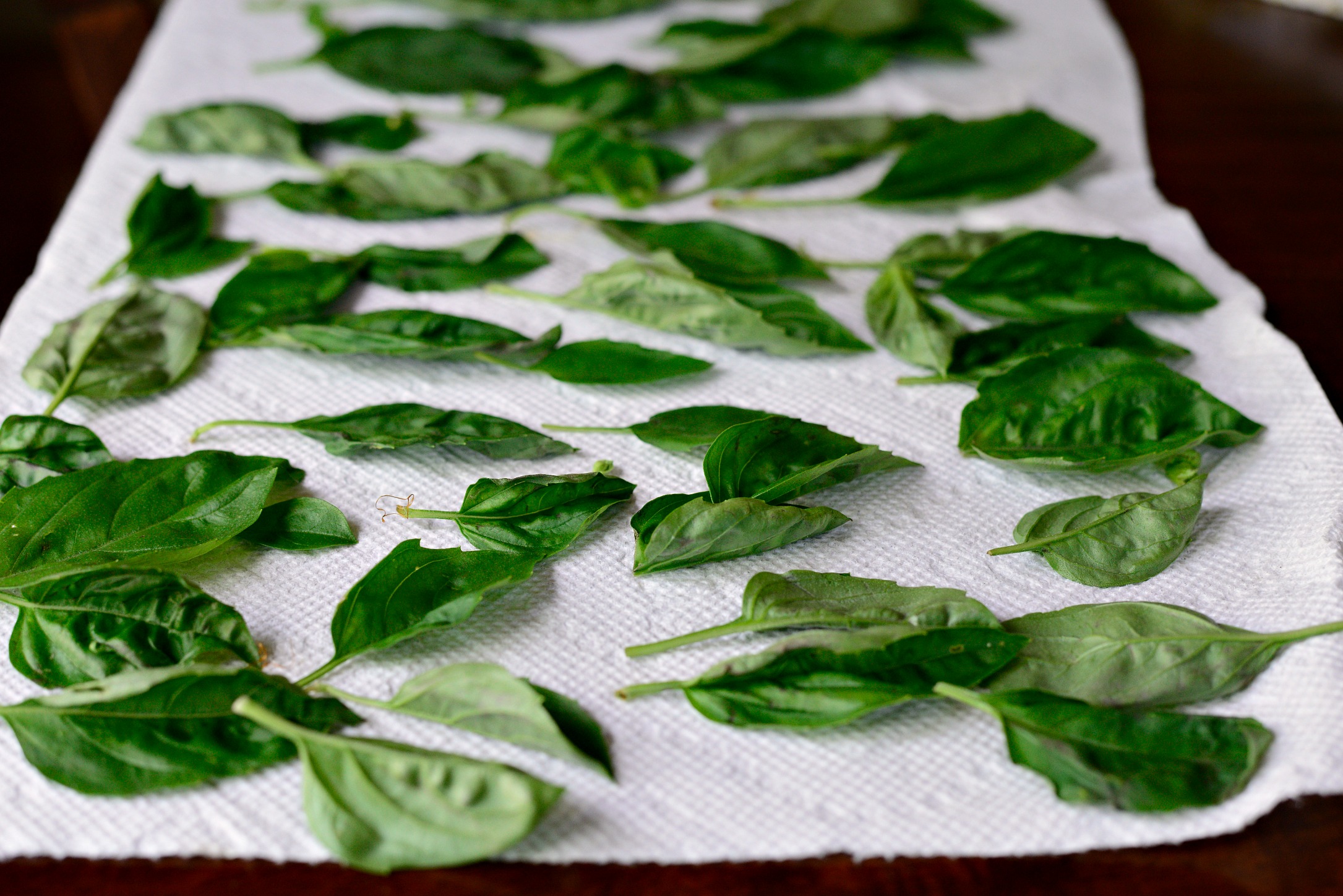
Key Highlights
- Versatile Preparation: Holy basil chips can be baked or fried with various seasonings.
- Nutritional Benefits: Holy basil is known for its medicinal properties including stress relief and anti-inflammatory benefits.
- Innovative Recipes: From classic crisp basil chips to unique commercial versions like Lay's Sweet Basil Chips, there are many creative approaches to this snack.
Introduction to Holy Basil Chips
Holy basil chips represent a fascinating fusion of traditional herbal remedies with contemporary snack trends. Derived from holy basil, also known as Tulsi, these chips combine the aromatic, slightly spicy, and intensely flavorful notes of basil with the satisfying crunch expected of a chip. Whether prepared at home or sold commercially, these chips showcase a unique approach to using basil in innovative ways.
Traditionally, holy basil has been revered in many cultures—especially within Thai and Indian cuisines—for its health benefits. It is celebrated not only for its distinctive flavor but also for properties known to combat stress, reduce inflammation, and offer a host of dietary nutrients. By transforming holy basil leaves into chips, culinary enthusiasts harness these benefits while enjoying an unconventional, guilt-free snack.
Methods of Preparation
There are several key methods to prepare these fragrant chips. Each technique offers a slightly different texture and flavor profile. The two main approaches involve baking and frying.
Baked Holy Basil Chips
Ingredients & Preparation
The baked version is favored by those seeking a healthier alternative to traditional fried snacks. The essential requirements include fresh holy basil leaves, olive oil, sea salt, and optional ingredients such as garlic or other spices. It is critical to dry the basil leaves thoroughly after washing. Any residual moisture can lead to sogginess during the baking process.
After drying, toss the leaves gently with a smallamount of olive oil to ensure they are evenly coated. A light dusting of sea salt enhances the flavor, and adding minced garlic or chili flakes can introduce an extra punch if desired. Once seasoned, spread the basil leaves out in a single layer on a baking sheet lined with parchment paper.
Baking is typically done at a low temperature—around 250°F to 300°F (120°C to 150°C)—to allow the leaves to dehydrate slowly, ensuring they crisp up without burning. The baking process can take anywhere from 20 to 30 minutes, but periodically checking on the leaves is vital as oven temperatures can vary. The result should be a crisp, delicate chip that carries the full aromatic profile of basil.
Fried Holy Basil Chips
Ingredients & Preparation
For those who enjoy a richer, more indulgent snack, frying is an attractive alternative. Fried holy basil chips typically involve a quick deep-frying process. In this method, the basil leaves are either fried on their own or in combination with other ingredients like potato slices for added texture.
Start with ensuring the basil leaves are completely dry, as water can cause dangerous splattering when introduced to hot oil. The leaves can be quickly dipped in a light coating of potato starch or flour to help them maintain structure during the high-temperature frying process.
Heat oil in a deep pan to approximately 350°F (175°C). In small batches, fry the basil leaves for just a few seconds until they become translucent and crispy. Once removed, the fried chips should be rinsed on absorbent paper to remove any excess oil. The final product is a delightfully crunchy treat, with the basil flavor intensified by the frying process.
Commercial Variations: Lay’s Sweet Basil Chips
In addition to homemade basil chips, commercial products also provide a fascinating twist. Lay’s, a globally recognized brand, has ventured into flavor experimentation with offerings that include sweet basil-flavored potato chips. Unlike the pure holy basil chips made at home, these commercially produced chips use the basil flavor as a seasoning on a potato chip base.
Lay's Sweet Basil Chips from Thailand, for example, are notable for their balanced flavor profile that is both savory and slightly spicy. In these chips, the basil seasoning blends perfectly with the natural saltiness of the potato chip, offering a unique snack option that stands out in a crowded market.
Although the basil flavor in these commercial chips is subtler compared to a purely basil-based chip, the overall concept underlines the versatility of basil as a flavor enhancer. It serves as an example of how traditional herbs can be integrated into modern snacks, merging the line between healthful ingredients and indulgent treats.
Nutritional and Medicinal Benefits of Holy Basil
Holy basil is not only valued for its aromatic properties but also for its impressive array of health benefits. Historically, this herb has been used in Ayurvedic medicine to promote wellness. The transformation of basil into chips allows you to enjoy these benefits in a modern snack form.
Key nutritional benefits associated with holy basil include:
- Antioxidant Properties: Holy basil is rich in compounds that help neutralize free radicals and protect the body from cellular damage.
- Anti-inflammatory Effects: Regular consumption may help lower inflammation in the body, beneficial for overall health.
- Stress Relief: Traditional use of holy basil in herbal remedies is known to help combat stress and promote a sense of calm.
- Immune Support: The herb’s natural vitamins and minerals contribute to improving immune function.
- Digestive Aid: Holy basil is known to support digestion and help in maintaining a healthy gastrointestinal tract.
While turning holy basil into a chip may slightly reduce some of its nutrient content due to heat exposure during cooking, many of the bioactive compounds remain intact. As a snack, these chips can be a beneficial addition to your diet, especially when consumed in moderation as part of a balanced nutritional plan.
Comparing Baked vs. Fried Basil Chips
To help you decide which method might suit your tastes or dietary preferences best, here is a comparative breakdown of the two primary methods for preparing holy basil chips:
| Aspect | Baked Chips | Fried Chips |
|---|---|---|
| Health Factor | Lower in fat, less oily, retains more nutrients. | Higher in fat content, richer flavor but more caloric. |
| Texture | Crisp and delicate; careful baking needed to avoid sogginess. | Extra crunchy and sometimes slightly heavy due to the oil. |
| Preparation Time | Longer due to slow baking process (20-30 minutes). | Quicker overall process but requires careful monitoring during frying. |
| Flavor Profile | Mild basil flavor with the efficient infusion of seasonings. | Intensified basil flavor, often enriched with optional coatings such as garlic. |
| Cooking Control | More predictable results; less risk of burning if properly monitored. | Requires careful attention; slight risk of overcooking or undercooking the leaves. |
This table provides a clear comparison to help you decide which method aligns best with your culinary goals. While baking is ideal for those who value health and a subtler taste, frying is perfect for those who crave an intense flavor and additional crunch.
Creative Applications and Variations
Holy basil chips are versatile and can be incorporated into a wide range of culinary creations. Beyond being enjoyed as a standalone snack, they serve as a unique garnish or topping for various dishes. Here are some creative ideas:
Salads and Sandwiches
Chip Toppings
Adding crunchy basil chips to salads or sandwiches provides a delightful texture contrast. Their aromatic flavor pairs well with fresh greens and hearty sandwich ingredients, offering an unexpected twist on a familiar dish. For instance, sprinkle baked basil chips over a mixed greens salad to add both a burst of flavor and visual appeal.
Fusion Dishes
Incorporating Into Main Courses
Innovative chefs have experimented with integrating basil chips into traditional stir-fries and curries. For example, a pork stir-fry dish might be enhanced by the addition of crispy basil chips, enriching the dish’s texture and imparting an extra layer of flavor. Additionally, some recipes even include basil chips as a garnish for Thai basil beef stir-fry, where the herb is already a central component.
Dipping Sauces and Spreads
Snack Pairings
Complement your basil chips with a variety of dipping sauces. A yogurt-based dip with a hint of lemon, or even a garlic aioli, can accentuate the herbal notes of the basil while providing a refreshing counterpoint to the savory crunch. These pairings make for an excellent appetizer or a party snack that is both healthy and gourmet.
Integrating Commercial and Homemade Approaches
The availability of commercially produced basil-flavored chips, such as Lay’s Sweet Basil Chips from Thailand, highlights the growing popularity of this flavor profile among snack enthusiasts worldwide. While commercial chips provide convenience and consistency, homemade basil chips offer the flexibility to adjust ingredients, ensuring maximum freshness and the ability to tailor the flavor to your specific tastes.
When preparing your homemade version, consider experimenting with additional herbs and spices. For instance, tossing in a pinch of crushed red pepper or a sprinkle of garlic powder can further elevate the basil’s natural aroma. You might even combine basil chips with other healthy snacks, like vegetable crisps or nuts, to create a sophisticated snack platter that dazzles with both flavor and nutritional benefits.
Recipes and References at a Glance
Below is a quick reference guide summarizing some popular recipes and resources where you can find more details for both baked and fried holy basil chips:
| Recipe/Resource | Details | Link |
|---|---|---|
| Oven-Roasted Basil Leaves | A healthier baked chip recipe with olive oil and sea salt. | Visit Page |
| Crispy Baked Basil Chips | A straightforward guide to baking basil chips to perfection. | Visit Page |
| Crispy Garlic Basil Chips | This recipe adds an extra hint of garlic to intensify the flavor. | Visit Page |
| Fried Basil & Fresh Potato Chips | An alternative method combining basil frying with crispy potato chips. | Visit Page |
| Lay's Sweet Basil Chips | Commercially available chips with a unique basil twist. | Visit Page |
These resources offer valuable insights into different methods of preparing basil chips, whether for routine home cooking or specialized commercial production. They serve as both inspiration and practical guides for culinary enthusiasts aiming to experiment with the bold flavors of holy basil.
Economic and Cultural Relevance
The evolution of basil chips from traditional culinary uses of holy basil to a modern snack option mirrors larger trends in food innovation. Today’s consumers are increasingly conscious of diet and health while still desiring unique and flavorful snacks. As such, integrating herbs like holy basil into everyday foods aligns with both nutritional awareness and culinary experimentation.
In cultures where holy basil is traditional, such as in many Asian countries, its transformation into a snack form showcases the adaptability of regional ingredients to global snack trends. Meanwhile, in western contexts, the rising popularity of superfoods and whole food diets contributes to the appeal of basil chips as a more nutrient-dense alternative to ordinary potato chips.
Moreover, this innovation opens up new markets for artisanal snack producers and established brands alike. The blend of health benefits with culinary creativity allows for a diverse range of products, from small-batch, homemade recipes to mass-produced options that still capture the essence of basil's robust flavor.
Practical Tips for Perfecting Your Chips
Whether you choose to bake or fry your holy basil chips, a few practical tips can elevate the final product:
- Ensure Dryness: Always wash and pat the basil leaves dry completely prior to cooking to avoid sogginess.
- Appropriate Oil Use: Use high-quality olive oil for baking to enrich the flavor without overwhelming the natural basil taste; ensure oil temperature is optimal when frying.
- Uniform Seasoning: Toss the leaves thoroughly with seasonings so that every chip has a consistent flavor.
- Monitor Cooking: Whether baking or frying, frequently check the chips to avoid burning and maintain that perfect crisp texture.
- Experiment with Variations: Don’t hesitate to incorporate additional spices like garlic, chili flakes, or even lime zest to create a distinctive twist on the classic recipe.
These tips help in achieving a balanced combination of flavor and texture, ensuring that each chip is a satisfying, gourmet experience.
Final Thoughts on Holy Basil Chips
Holy basil chips are more than just an experimental snack—they represent an intersection of culinary art, health consciousness, and cultural heritage. Whether you opt for the delicate crunch of baked chips or the bold zest of fried versions, you are indulging in a snack that encapsulates centuries of herbal tradition and modern culinary innovation.
As you explore the diverse ways to enjoy holy basil chips, consider the broader implications: you are enjoying a snack that not only satisfies your taste buds but also taps into a legacy of natural healing and vibrant flavors. Experimenting with these chips in your daily meals can lead to a deeper appreciation of how traditional ingredients can be reinvented for contemporary palates.
References
- Oven-Roasted Basil Leaves - White Bison
- Crispy Baked Basil Chips - Simply Scratch
- Crispy Garlic Basil Chips - Cooking with a Wallflower
- Crispy Fried Basil & Fresh Potato Chips - Gotham Greens
- Lay’s Sweet Basil Chips - Pop Snax
Recommended Related Queries
 adjacentengels.wordpress.com

 whitebison.wordpress.com
Last updated March 13, 2025