
Exploring the Role of Electrolysis in Battery Functionality
A detailed exploration of how electrolysis governs rechargeable battery processes
Key Highlights
- Electrolysis as a Charging Mechanism: An external voltage reverses chemical reactions in the battery.
- Electrolyte's Pivotal Role: The electrolyte facilitates ion movement crucial for energy storage and release.
- Practical Impact: Efficient charging and maintenance in batteries such as lead-acid and lithium-ion are deeply reliant on proper electrolysis management.
Understanding Electrolysis in Batteries
Electrolysis in a battery refers to the process of using an externally applied voltage to drive a non-spontaneous chemical reaction that reverses the discharge process. In rechargeable batteries, this process is essential because it restores the cell’s chemical composition, thereby replenishing its capacity to store electrical energy. This response delves into the mechanics behind electrolysis during battery charging, the role of electrolytes, differences between cell types, and applications found in modern energy solutions such as lead-acid and lithium-ion batteries.
Basic Principles of Electrolysis
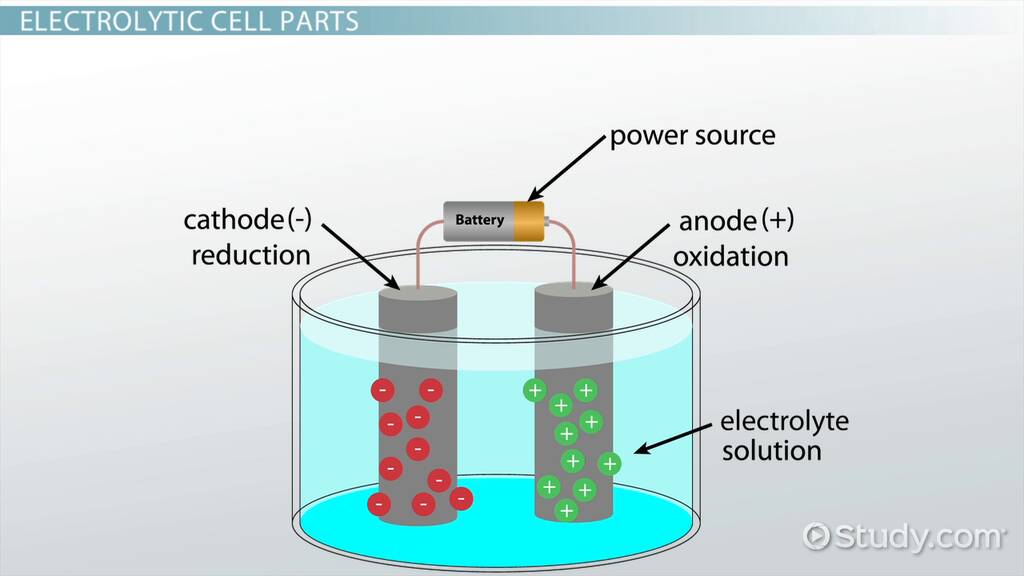
At the heart of the electrolysis process in a battery is the principle of converting electrical energy into chemical energy. Unlike galvanic cells that operate spontaneously (producing electrical energy from chemical reactions), electrolytic cells require an external voltage source to drive reactions in the reverse direction. This reversal of reactions reconstitutes active materials at the electrodes that had been altered during the previous discharge cycle. Essentially, charging a rechargeable battery transforms it temporarily into an electrolytic cell.
Role of External Voltage
During the charging phase, the external voltage forces the non-spontaneous reaction to proceed. In a typical scenario, the applied voltage counteracts the natural flow of electrons that occurs during discharge. For instance, in a lead-acid battery, when the battery discharges, lead dioxide (PbO₂) and sponge lead (Pb) react with sulfuric acid to form lead sulfate (PbSO₄) and water, releasing electrical energy. When the charging voltage is applied, the reverse reactions occur, converting PbSO₄ back into its original constituents and regenerating the electrolyte.
Ion Movement and Electrochemical Reactions
Central to the electrolysis process is the movement of ions through the electrolyte—a liquid or gel medium that contains dissolved ions providing internal conductivity. In lithium-ion batteries, for example, lithium ions are mobilized from the cathode to the anode during charging. This ion movement is accompanied by redox reactions at the electrode surfaces:
- Oxidation (Anode): Loss of electrons occurs at the anode during charging.
- Reduction (Cathode): Gain of electrons occurs at the cathode as ions are re-incorporated into the electrode material.
Electrolyte Function and Gas Production
The electrolyte plays a dual role in battery electrolysis. It not only assists in the conduction of ions between the electrodes but also participates in the chemical transformations during charging. In lead-acid batteries, typically containing sulfuric acid, the charging process can lead to partial electrolysis of water in the electrolyte. This side process results in the formation of hydrogen and oxygen gases. If unchecked, gas bubble formation can cause water loss and, in worst-case scenarios, create conditions conducive to gas explosions. Hence, careful control of the charging voltage and proper battery maintenance is essential.
Battery Maintenance and Safety Aspects
The management of electrolytic processes is not only critical for ensuring efficient energy storage but also for maintaining the longevity and safety of a battery. Excessive or uncontrolled electrolysis can damage internal components. In lead-acid batteries, for instance, overcharging induces significant water electrolysis, leading to a gradual loss of water. Regular checks and adherence to recommended charging protocols help in mitigating these risks, optimizing both battery performance and lifespan.
Integrating Electrolysis in Different Battery Types
Although the fundamental mechanism of electrolysis is similar across different battery typologies, its specific role and implications vary:
Lead-Acid Batteries
Lead-acid batteries serve as a classical example of electrolysis in action during charging. The chemical reactions involve lead compounds and sulfuric acid, where the external voltage drives the conversion of lead sulfate back into lead dioxide and sponge lead. However, these batteries are particularly susceptible to the effects of water electrolysis, which, if not managed by proper charging techniques, can lead to decreased performance and potential hazards from hydrogen gas.
Lithium-Ion Batteries
In lithium-ion batteries, while the basic concept remains similar, the focus shifts from managing water electrolysis to the controlled movement of lithium ions. When charging, the lithium ions migrate from the cathode to the anode, storing energy as chemical potential. This movement is carefully regulated by the battery’s design along with sophisticated battery management systems (BMS). The suppression of side reactions is crucial in these batteries to maintain high energy density and safety.
Applications and Broader Implications
The electrolysis process not only governs the charging and discharging cycles in batteries but also lays the groundwork for broader applications in energy storage technologies. Many renewable energy systems, including solar and wind power installations, rely on batteries that use efficient electrolysis processes either directly or indirectly through advanced battery management systems to store intermittently generated energy. By improving understanding of these processes, engineers and scientists continue to innovate, making batteries safer, longer-lasting, and more efficient.
Practical Considerations in Battery Design
Design considerations in battery manufacturing include preventing excessive water electrolysis, especially in lead-acid batteries, and ensuring that the electrolyte concentration remains optimal throughout the battery's life cycle. Manufacturers often integrate sensors and automated systems to monitor electrolyte levels and gas production. In addition, improved separator technologies help in mitigating any potential risks posed by gas bubble formation. These integrated safety measures highlight the advanced understanding of electrolysis in modern energy-storage solutions.
Environmental and Economic Aspects
Efficient electrolysis in rechargeable batteries has significant environmental and economic benefits. By optimizing the charging process, the overall lifespan of batteries is extended, reducing waste and promoting sustainability. On an economic level, improved battery performance reduces operational costs in applications ranging from consumer electronics to large-scale renewable energy installations.
Comparative Summary Table
| Battery Type | Electrolyte Composition | Key Electrolysis Process | Ion Movement | Gas Production | Notable Challenges |
|---|---|---|---|---|---|
| Lead-Acid | Sulfuric Acid | Reversal of PbSO₄ formation | Movement of H⁺ and SO₄²⁻ ions | Hydrogen and Oxygen | Water loss, gas buildup |
| Lithium-Ion | Organic electrolytes with lithium salts | Migration of lithium ions | Lithium ions (Li⁺) between electrodes | Minimal side gas production | Suppressing side reactions, thermal stability |
| Other Rechargeables | Varies (e.g., NiMH uses alkaline solutions) | Redox manipulations | Ion exchange processes | Specific gas production may vary | Maintenance of electrolyte balance |
Electrolysis Implications on Battery Technology and Maintenance
The understanding of electrolysis in batteries informs both theoretical and practical aspects of battery technology. From a theoretical standpoint, the electrolysis process provides insight into non-spontaneous chemical reactions driven by an external voltage. This concept is pivotal not only in battery charging but also in other fields such as electroplating and various chemical syntheses. On the maintenance side, monitoring electrolyte status, understanding gas evolution, and ensuring controlled charging prevent desecration of active materials while prolonging battery life.
Enhanced Battery Management Systems (BMS)
Modern rechargeable batteries are equipped with sophisticated Battery Management Systems (BMS) that closely monitor cell temperatures, voltage levels, and electrolyte conditions. These systems are designed to counteract the potential downsides of electrolysis. For example, in lead-acid batteries the BMS may regulate charging currents to minimize undue water electrolysis and hydrogen gas formation; whereas in lithium-ion batteries, the BMS ensures controlled lithium ion migration to prevent overheating and maintain cell integrity. The integration of such systems not only enhances battery performance but also addresses safety concerns related to the uncontrolled nature of the electrolysis process.
Industrial and Consumer Applications
From automotive to consumer electronics, electrolysis underpins the efficiency of battery recharge cycles. Electric vehicles, for instance, rely on robust battery systems where controlled electrolysis processes allow for rapid recharging without degrading battery life. Similarly, in portable devices, a well-managed charge cycle ensures longevity and dependable performance. With the increasing demand for renewable energy storage, improvements in managing electrolysis effects will further elevate the effectiveness and safety of energy storage technologies.
References
-
Electrolysis in Commercial Batteries - Chemistry LibreTexts
- 10.2 Batteries and Electrolytic Cells - Chemistry LibreTexts
- Electrolysis in Energy Storage Technologies - TutorChase
- Maintaining Battery Electrolyte Levels - Engineers Edge
- Electrolysis - Wikipedia
Recommended Searches for Deeper Insights
Last updated March 24, 2025