
Unlock Lasting Recall: Visualizing Your BDS Journey to Success!
Transform abstract BDS concepts into memorable images for enhanced understanding and retention.
Navigating the Bachelor of Dental Surgery (BDS) program involves understanding several key processes and milestones. Instead of relying solely on text, leveraging visual metaphors can significantly enhance memory and comprehension. This guide provides imaginative and impactful image ideas to help you easily recall crucial aspects of your BDS path.
Key Visual Strategies at a Glance
- Process Visualization: Use images like pathways or funnels to depict the journey through the iteration process for program selection.
- Growth Representation: Employ upward-trending graphs, growing plants, or ladders to illustrate increases in CGPA and interview scores.
- Prioritization Imagery: Visualize ranking choices with numbered lists, pyramids, or tiered podiums to emphasize order and preference.
Crafting Memorable Visuals for Core BDS Concepts
To make complex information more digestible and memorable, associating concepts with simple, evocative images is highly effective. Below are tailored visual suggestions for the key points you've highlighted, designed to be clear, engaging, and easy to recall.
1. Securing a Scheme/Programme Through Iteration
Concept Explained
The statement "All BDS students can secure a departmental scheme/individual programme through the iteration process" refers to a system where students, through one or more cycles of application, ranking, and matching, eventually find a placement. This iterative nature implies a structured process with multiple opportunities or pathways.
Visual Metaphor: The "Iterative Pathway Funnel"
Imagine a dynamic visual that combines a multi-stage pathway with a funnel.
- **The Pathway:** Depict a winding or branching path labeled "Iteration Journey." Along this path, icons of students are shown. Some might pause at certain points (representing an iteration cycle), then continue.
- **The Funnel:** The pathway leads into the wider opening of a funnel. As students (represented by small, stylized figures) move through the narrowing funnel (labeled "Selection & Matching Rounds"), they are guided towards various distinct exits at the bottom.
- **The Exits:** Each exit is clearly labeled, representing different "Departmental Schemes" or "Individual Programmes," with a student successfully emerging from each, signifying placement.
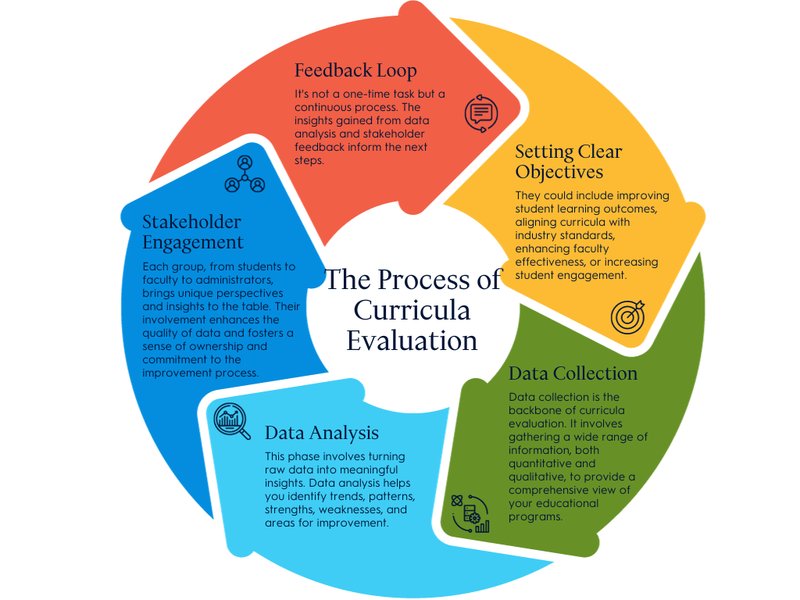
A process infographic illustrating a structured flow, analogous to the iteration process.
Why it's Memorable
The pathway and funnel combination is intuitive. Pathways suggest a journey with steps, while funnels are commonly understood as filtering or channeling mechanisms leading to a specific outcome. This makes the abstract idea of "iteration" concrete and suggests a guided, successful conclusion for all.
2. Visualizing Cumulative Grade Point Average (CGPA) Increase
Concept Explained
An increase in CGPA reflects academic improvement and dedication over time. This is a quantifiable measure of a student's consistent effort and growing mastery of their coursework.
Visual Metaphor: The "CGPA Growth Staircase & Bar Chart"
Combine two strong visuals:
- **Ascending Staircase:** Show a staircase where each step is labeled with a progressively higher CGPA increment (e.g., 2.5, 2.8, 3.0, 3.2, 3.5+). A student figure is shown climbing these stairs. Icons representing study tools (books, laptop, focused mind) can be placed on the steps.
- **Dynamic Bar Chart:** Alongside or integrated with the staircase, display a bar chart where each bar represents a semester or academic year. The height of the bars clearly trends upwards, visually demonstrating the CGPA growth. The final, tallest bar could be highlighted or have a star on top.
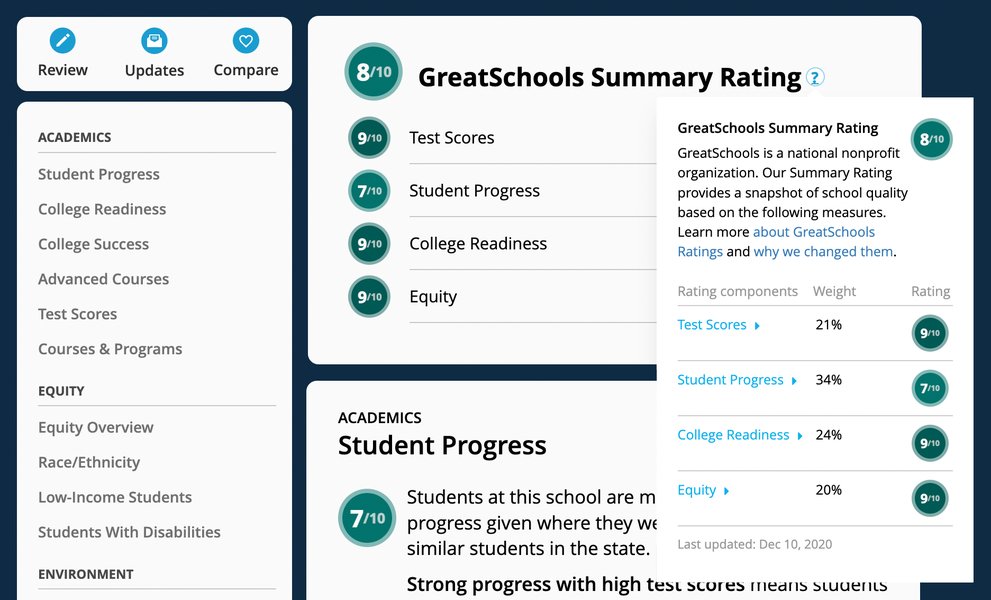
A visual representation of progress through ratings, akin to CGPA improvement.
Why it's Memorable
Staircases are classic symbols of step-by-step progress and effort leading to a higher level. Bar charts are universally understood for showing quantitative change. Combining these provides both a qualitative sense of effort (climbing stairs) and a clear quantitative representation of improvement.
This video, "How to Efficiently Grow your CGPA & Get better Grades in 2025," offers practical strategies that complement the visual metaphor of CGPA growth by outlining actionable steps for academic improvement.
3. Illustrating Interview Score Increase
Concept Explained
An increase in interview scores signifies improved communication skills, confidence, and preparation. It's about showcasing one's suitability for a program more effectively through practice and refinement.
Visual Metaphor: The "Interview Performance Meter" or "Confidence Ladder"
- **Performance Meter:** Visualize a gauge or meter, similar to a car's speedometer, but labeled "Interview Score." The needle starts at a lower score (e.g., "Developing") and visibly moves towards a higher score (e.g., "Proficient," "Excellent"). Small icons representing preparation (e.g., mock interview, research, self-reflection) could be shown influencing the needle's rise.
- **Confidence Ladder:** Alternatively, depict a ladder where each rung represents a stage of interview skill development.
- Bottom rungs: "Initial Nerves," "Basic Answers" (with a slightly hesitant figure).
- Middle rungs: "Practiced Responses," "Clear Communication," "Active Listening" (figure looking more composed).
- Top rungs: "Confident Delivery," "Strong Impression," "High Score!" (figure smiling, perhaps shaking hands or receiving a positive nod from an interviewer icon).

Elements symbolizing key aspects of successful interviewing, reflecting score improvement.
Why it's Memorable
Meters provide an immediate visual cue of progress towards a target. Ladders, like with CGPA, effectively symbolize growth achieved through distinct steps. Associating these with emotional and skill-based milestones (nervousness to confidence, basic to articulate answers) makes the improvement journey relatable and memorable.
4. Depicting Ranking Scheme/Programme Choices
Concept Explained
"Rank your Scheme/Programme Choices for the Iteration Process" involves students prioritizing their preferred programs. This is a critical strategic step where students list their choices in descending order of preference, which then influences the matching algorithm.
Visual Metaphor: The "Tiered Priority Podium" or "Interactive Checklist"
- **Tiered Priority Podium:** Show a winner's podium with three (or more) tiers: 1st, 2nd, 3rd, etc. On each tier, place a card or plaque representing a "Programme Choice." The top tier (1st) would display "Top Choice Programme," and subsequent tiers would show "2nd Choice," "3rd Choice," and so on. A student icon could be shown thoughtfully arranging these cards onto the podium.
- **Interactive Checklist/Drag-and-Drop Interface:** Visualize a stylized computer screen or clipboard showing a list of available programs. Beside each program, there are interactive elements like draggable number icons (1, 2, 3...) or up/down arrows, suggesting the act of ordering and reordering. A prominent "Submit Ranking" button could be at the bottom.
Why it's Memorable
Podiums are universally associated with ranking and achievement, making the concept of "1st choice, 2nd choice" immediately clear. An interactive checklist or drag-and-drop visual is relatable to modern digital interfaces, emphasizing the active decision-making and ordering process involved in ranking.
Comparative Analysis of BDS Program Progression Factors
The journey through the BDS program and its subsequent specialization pathways involves several key factors that students must manage. The radar chart below offers a comparative visualization of how an average BDS student might focus on these factors versus how a high-achieving student might distribute their attention for optimal outcomes. The factors include Strategic Ranking of program choices, dedication to CGPA Improvement, honing Interview Prowess, thoroughly understanding the Iteration Process, and maintaining Program Adaptability (willingness to consider various options). Scores are on a scale of 1 to 10, where 10 indicates maximum focus/effectiveness.
This chart highlights that while average students address these areas, high-achievers tend to exhibit a more pronounced and strategic focus, particularly in areas like strategic ranking and interview preparation, alongside consistent academic performance. Understanding these nuances can help students refine their approach to the BDS program's challenges.
Interconnected Strategies for BDS Success: A Mindmap
The four key concepts discussed are not isolated; they are interconnected components of a successful journey through the BDS program and its subsequent specialization or scheme selection. This mindmap illustrates how these elements relate to each other and contribute to the overarching goal of securing a desired program.
This mindmap shows that achieving success in the BDS program and securing a scheme involves a holistic approach. Improving CGPA and interview scores enhances a student's profile for the iteration process, while strategic ranking ensures that these improved credentials are put to best use in securing a preferred program.
Summary of Visual Metaphors for BDS Key Concepts
To consolidate these ideas, the following table summarizes the suggested visual metaphors, their rationale for memorability, and potential simple icons that could be used in a presentation slide.
| Concept | Visual Metaphor Idea | Rationale for Memorability | Example Icon(s) |
|---|---|---|---|
| All BDS students secure a scheme/program through iteration | Iterative Pathway Funnel | Combines journey (pathway) with guided selection (funnel), implying a process with a definite, positive outcome for all. | 👣 (footsteps), 🌀 (funnel/spiral), 🚪 (door/exit) |
| Cumulative Grade Point Average (CGPA) increase | CGPA Growth Staircase & Bar Chart | Stairs represent step-by-step effort; bar chart clearly shows quantifiable progress. | 📈 (graph), 🪜 (ladder/stairs), ⭐ (star for achievement) |
| Interview score increase | Interview Performance Meter / Confidence Ladder | Meter shows direct score improvement; ladder shows skill progression and confidence building. | 🎙️ (microphone), 💬 (speech bubble), 👍 (thumbs up) |
| Rank Scheme/Programme Choices | Tiered Priority Podium / Interactive Checklist | Podium clearly denotes ranking; checklist implies active ordering and decision-making. | 🥇 (1st place medal), #️⃣ (number sign), ✅ (checkmark) |
Using these visual metaphors can transform a text-heavy slide into an engaging and memorable learning aid, helping BDS students quickly grasp and retain key information about their academic and career progression.
Frequently Asked Questions (FAQ)
Why are visual metaphors important for memory? ▼
Visual metaphors help bridge the gap between abstract concepts and concrete understanding. Our brains are wired to process and remember images more effectively than text alone (this is known as the Picture Superiority Effect). By associating a complex idea (like an iteration process) with a relatable image (like a funnel or pathway), it becomes easier to encode, store, and retrieve that information. Visuals engage more parts of the brain, creating stronger neural pathways for memory.
How does the "iteration process" generally work in program selection? ▼
An iteration process in program selection, like those for residency or specialized schemes, typically involves several rounds or cycles. Students rank their preferred programs, and programs rank their preferred applicants. An algorithm then attempts to match students to programs based on these mutual preferences. If a student doesn't match in an initial round, their application may be considered in subsequent rounds (iterations) for remaining available spots, often requiring adjustments to their ranked list or application strategy. The goal is to maximize the number of successful matches based on the highest possible preferences for both parties.
Can small improvements in CGPA really make a difference? ▼
Yes, even seemingly small improvements in CGPA can make a significant difference, especially in competitive environments. A higher CGPA can:
- Open doors to more program options or more prestigious institutions.
- Meet minimum eligibility criteria that might otherwise exclude an applicant.
- Be a deciding factor when programs compare candidates with similar profiles.
- Demonstrate an upward academic trajectory, showing growth and perseverance.
What's more important: a high CGPA or a good interview score? ▼
Both CGPA and interview scores are crucial, and their relative importance can vary by program and institution.
- CGPA often acts as an initial screening tool. A strong CGPA demonstrates consistent academic performance and foundational knowledge.
- Interview Score assesses communication skills, personality fit, professionalism, critical thinking, and motivation – qualities not easily measured by grades. A good interview can significantly boost an applicant's chances, sometimes even compensating for a slightly lower CGPA. Conversely, a poor interview can undermine an excellent academic record.
Recommended Further Exploration
- What are effective strategies for improving CGPA in dental school?
- How can I best prepare for BDS program or residency interviews?
- Can you explain the matching algorithm used in medical and dental program selections?
- What are common mistakes to avoid when ranking program choices for BDS specializations?
References
Last updated May 13, 2025