
Comprehensive Beach Improvement Recommendations
Innovative ideas for ecological preservation and enhanced visitor experiences
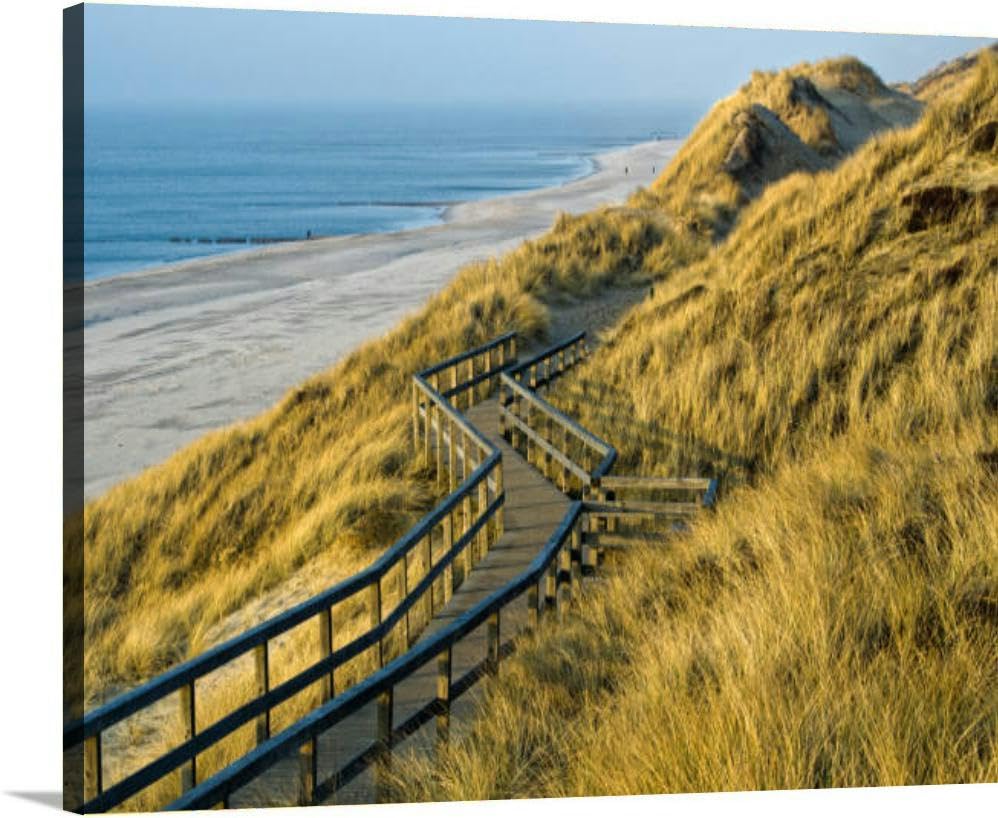
Key Highlights
- Ecological Restoration: Integrating beach nourishment, dune restoration, and living shorelines to protect habitats and mitigate erosion.
- Infrastructure & Amenities: Developing accessible pathways, benches, changing rooms, and eco-friendly structures to encourage visitor comfort and reduce erosion.
- Community Engagement: Involving local communities through educational programs, beach cleanups, and sustainable practices to foster stewardship.
Introduction
Improving beach environments is a multifaceted endeavor that spans from ecological restoration to the enhancement of visitor amenities. The integration of sustainable practices, along with community involvement and proper planning, leads to thriving beach ecosystems that can both protect natural habitats and provide valuable recreational opportunities. Combining physical improvements with ecosystem maintenance not only safeguards the integrity of the coastal environment but also enriches coastal experiences across multiple dimensions.
Ecological Restoration & Environmental Considerations
Beach Nourishment and Ecosystem Restoration
One of the cornerstone strategies for beach improvement is beach nourishment, which involves adding sand that matches the natural composition to eroded areas. This technique serves multiple functions: it prevents further erosion, helps restore habitats for various species including birds, shellfish, and sea turtles, and enhances the physical landscape of the beach. The process typically involves the careful selection of sand and its strategic placement in nearshore zones, allowing natural wave action to distribute the materials and create a robust, dynamic shoreline.
Dune and Living Shoreline Restoration
Dune restoration is another critical aspect of ecological improvement. Planting native vegetation that thrives in sandy soils helps stabilize dunes and provides essential habitat for local wildlife. Installing sand fencing can further protect these areas from the impact of strong winds and storm surges. Furthermore, living shorelines offer a nature-based solution to erosion control. These approaches incorporate repurposed rock revetments and native plantings to buffer the coast while maintaining its natural aesthetics and ecological integrity.
Mitigating Environmental Stressors
To enhance the resilience of beach ecosystems, reducing environmental stressors is vital. Improvements in water quality through the reduction of pollutants such as trash, plastics, and chemical runoff can lead to a healthier marine environment. It is also important to enhance habitat connectivity by ensuring that the beach and adjacent ecosystems such as wetlands and dunes are not isolated. This connectivity supports wildlife migration, breeding, and sustenance in the face of climate change and human interference.
Infrastructure and Recreational Enhancements
Improving Accessibility and Visitor Amenities
Enhancing beach infrastructure is essential not only for visitor convenience but also for maintaining the natural dunes and reducing erosion. Key suggestions include the installation of benches and changing rooms near the water, which cater to families and frequent beachgoers. Well-planned boardwalks and paths allow visitors to traverse the beach without causing undue damage to the natural landscape, thereby preserving the beach's delicate balance.
Design and Landscape Integration
Thoughtful design integration plays a prominent role in improving aesthetics and functionality across beach areas. Simple yet effective measures such as using light, airy color palettes, incorporating coastal-inspired accessories, and designing natural transition zones between water and land can dramatically enhance the overall experience. Landscape enhancements like native vegetation not only add to the visual charm of the beach but also serve as a natural defense against erosion and harsh weather conditions.
Summary of Infrastructure Enhancements
| Improvement Category | Key Recommendations |
|---|---|
| Visitor Amenities | Benches near water, changing rooms, picnic tables, shaded areas, and outdoor shower pavilions |
| Access and Safety | Constructing ADA-compliant paths, installing boardwalks, and creating safe zones for personal belongings |
| Ecological Integration | Restoration of dunes with native vegetation, planting salt-tolerant plants, and building living shorelines |
| Sustainable Signage & Education | Install informational signs, display guidelines for preserving wildlife, and promote community-led cleanups |
Sustainable Practices and Community Engagement
Promoting Eco-friendly Practices
Sustainable beach improvements rely heavily on practices that minimize harmful impacts on the environment. This involves incorporating eco-friendly materials in construction projects such as natural wood and recycled components. Ensuring that cleanup efforts are regularly organized to manage trash and litter prevents the accumulation of debris, thereby safeguarding ecosystems. Moreover, developing waste management plans including adequate recycling and trash disposal systems contribute significantly to preserving water quality and overall beach health.
Community Involvement and Educational Outreach
Community engagement is a pillar of long-lasting beach improvements. Initiatives like community beach cleanups and environmental education programs enable local residents and visitors to take an active role in nurturing the coastal environment. Hosting workshops and installing educational signage help inform the public about the importance of preserving the delicate beach ecosystem and encourage practices such as proper waste disposal and sustainable recreation. This collaborative approach not only builds a sense of local stewardship but also provides valuable data and feedback for ongoing and future beach maintenance projects.
Policy and Funding: Public-Private Partnerships
Engaging local governments and private entities through public-private partnerships is crucial for funding large-scale restoration and improvement projects. By harnessing collective resources, these partnerships can lead to more robust beach management strategies including enhancements in infrastructure, ecological restoration, and safety measures. Municipal planning processes that incorporate environmental impact studies and adaptation strategies for sea level rise ensure that both natural and constructed elements of a beach can be maintained over time.
Design and Functionality: A Glimpse into Future Beach Aesthetics
Aesthetic Considerations and Functional Spaces
The future of beach design involves merging aesthetics with functionality. Developers and planners are now considering not only the beauty of the natural landscape but also the usability of the space. Coastal design elements such as natural textures, a combination of white and blue color palettes, and the incorporation of local art and cultural motifs can transform a beach into a lively, yet serene public space. Functional spaces designated for relaxation, leisure, and community events are also being designed to be harmonious with the natural environment, ensuring that the human footprint is both minimal and beneficial.
Innovative Technologies in Beach Management
Emerging technologies are increasingly being integrated into beach management strategies. From high-resolution mapping of erosion patterns to sensor-based water quality monitoring systems, these innovations open up new avenues for real-time management of coastal areas. Technology plays a significant role in adaptive management practices by enabling environmental scientists and local authorities to forecast changes, track restoration progress, and implement the most effective improvement measures.
Using Data-Driven Insights
Data-driven decision making has become crucial in beach management. Ecological data, visitor usage patterns, and structural assessments contribute to developing effective beach enhancement plans. For example, periodic surveys and scientific evaluations inform planners about the success of nourishment projects and help in the adjustment of restoration strategies. Additionally, feedback from community engagements and recreational usage can further tailor infrastructure projects to meet both ecological and usability standards.
Implementation Strategies and Best Practices
Step-by-Step Guide to Beach Improvement Implementation
Successful beach improvements entail careful planning, design, and execution. The following phased approach outlines best practices:
Phase 1: Assessment and Planning
Begin with an in-depth assessment of the current beach conditions to identify areas of erosion, pollution, and infrastructural deficits. Stakeholder consultations involving local communities, environmental experts, and government agencies are essential for determining priorities. Develop a comprehensive master plan that includes budget estimates, timelines, and measurable objectives for each component of the project.
Phase 2: Ecological and Structural Restoration
Implement beach nourishment and dune stabilization projects concurrently with infrastructure development. Utilize sustainable materials and eco-friendly practices during construction to ensure minimal ecological disruption. Initiate water quality improvement systems and install necessary protective barriers to ensure that nourishment projects are effective and long lasting.
Phase 3: Community Engagement and Long-term Monitoring
As improvements begin to take effect, organize educational outreach and community cleanup events to foster local stewardship. Deploy monitoring systems to gather real-time data on erosion rates, habitat health, and visitor interactions. Use this data to adapt and fine-tune the strategies, ensuring that both ecological and recreational objectives are met in the long run.
Best Practices for Sustainable Beach Management
Integrating best practices in beach management can greatly enhance project results. These include establishing protocols for periodic maintenance, using locally sourced sustainable materials, and ensuring that all construction work follows strict environmental guidelines. Engaging with successful case studies of beach restoration and adapting their methodologies can further streamline the process and ensure that the projects are both resilient and cost-effective. In addition, ensuring that visitors are aware of and adhere to designated pathways and clean-up efforts can make a significant difference in keeping beaches pristine.
Conclusion
In summary, improving beach environments requires a well-integrated approach that balances ecological restoration with necessary infrastructural enhancements and community engagement. From the restoration of natural sand and stabilization of dunes to the development of accessible pathways and recreational amenities, every aspect plays a vital role. The integration of sustainable practices, whether through eco-friendly materials or innovative technology-driven monitoring systems, further underscores the importance of protecting these vital ecosystems while meeting the recreational needs of the community. By adopting a phased implementation strategy that begins with comprehensive assessments, followed by careful planning and execution, stakeholders can ensure that beach improvement projects deliver long-term benefits both environmentally and socially. The success of these efforts hinges on the continuous engagement of local communities and adaptive management practices that evolve based on real-time data and feedback. Each step not only revitalizes the coastal area but also lays the foundation for a future where both nature and humanity thrive in unison.
References
- Beach Ecosystem Restoration - U.S. Army Corps of Engineers
- Beach Nourishment - Explore Beaches
- Water Quality Improvement - Imperial Beach
- Lake Beach Improvement Ideas - Reddit
- Best Practices for Beach Planning - Explore Beaches
- Practical Beach House Improvement Ideas - Waterfront Central
- 7 Design Ideas to Enhance Your Shoreline - Watershed Co
Recommended Further Searches
Last updated February 26, 2025