
Beans in European and Asian Cuisine
Explore the diverse benefits, challenges, and culinary uses of popular beans
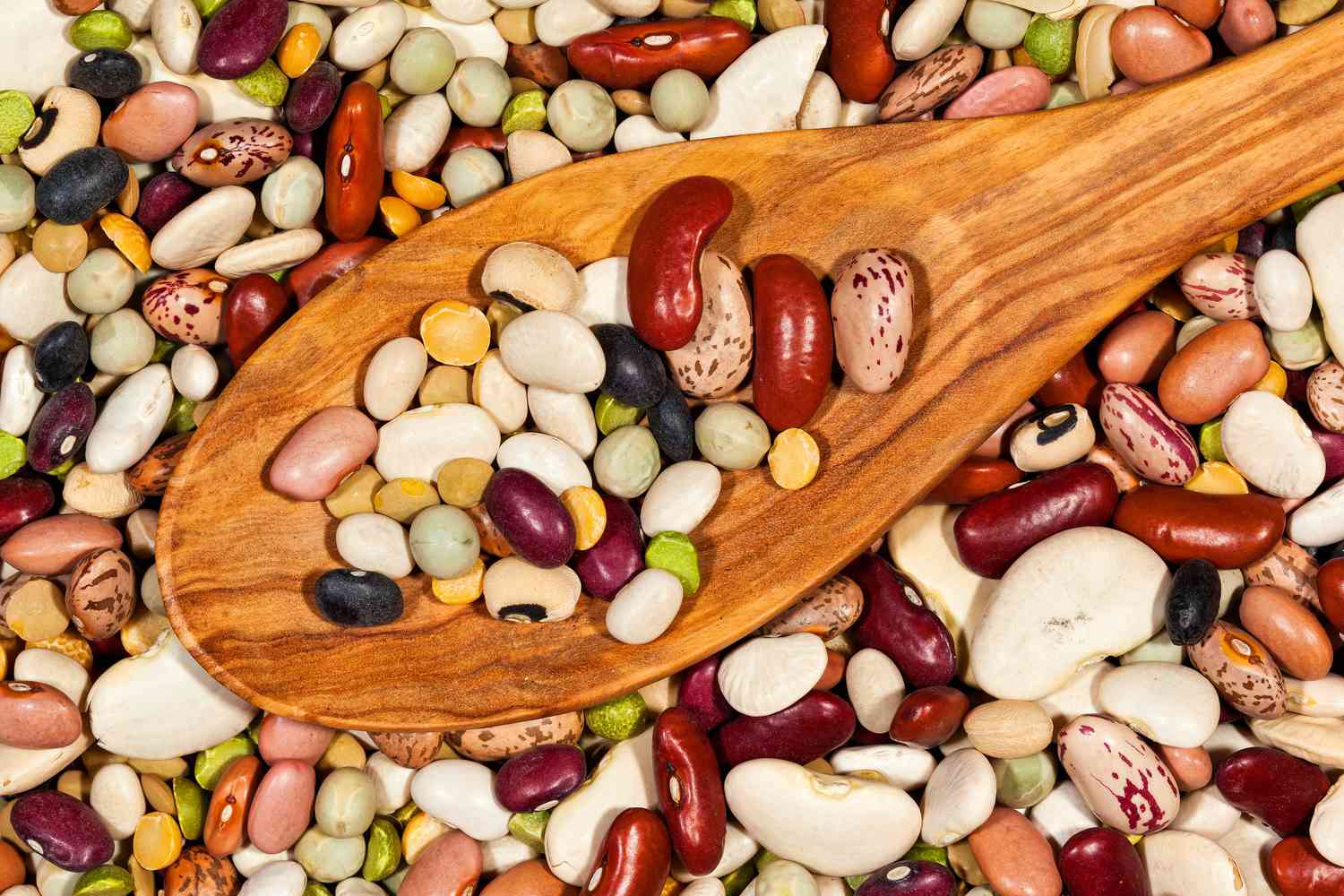
Key Highlights
- Nutrition and Versatility: Beans are a superb source of protein, fiber, and essential nutrients, making them vital for diverse dietary needs.
- Culinary Diversity: From tofu and tempeh in Asian cuisine to minestrone and cassoulet in European fare, each bean type brings unique flavors and textures to dishes.
- Preparation Considerations: While incredibly nutritious, proper cooking techniques are crucial to reduce digestive issues and neutralize potential anti-nutrients.
Comprehensive Bean Comparison
The table below summarizes the pros, cons, and usages of various beans commonly incorporated in European and Asian culinary traditions. This detailed comparison highlights nutritional benefits, preparation challenges, and traditional food applications for each bean type.
| Bean Type | Pros | Cons | Usage in Cuisine |
|---|---|---|---|
| Soybeans (Asia) |
- High-quality protein and rich in fiber - Versatile: used in tofu, tempeh, soy milk, miso, and soy sauce - Contains essential vitamins and minerals |
- Requires processing for most products - Can cause allergies and digestive discomfort in some individuals |
- Central to many Asian dishes including tofu, tempeh, soy milk, miso, and stir-fried dishes |
| Mung Beans (Asia) |
- High in protein, antioxidants, and dietary fiber - Versatile in both savory and sweet preparations |
- May cause digestive upset - Requires soaking and careful cooking |
- Widely used in Asian desserts, noodles, soups, and as sprouts in salads |
| Adzuki Beans (Asia) |
- Sweet, nutty flavor and high in protein - Rich in fiber and ideal for dessert applications |
- Needs proper soaking and extended cooking time - May be less accessible in certain regions |
- Commonly prepared as red bean paste and used in sweet soups and desserts in Asia |
| Fava Beans (Europe & Asia) |
- Nutty flavor with a high protein content - Versatile in both hearty stews and salads |
- Labor-intensive preparation - Can be toxic if not cooked properly |
- Featured in European dishes like cassoulet and Mediterranean stews; also used in certain Asian dal recipes |
| Cannellini Beans (Europe) |
- Meaty texture that holds shape well - Excellent for adding substance to soups and stews |
- Requires long soaking and cooking time for optimal texture | - Main ingredient in Italian minestrone, salads, and other hearty European stews |
| Chickpeas (Europe & Asia) |
- High in protein and fiber - Versatile and heart healthy |
- Can produce gas and bloating - Risk of drying out if overcooked |
- Used globally in hummus, falafel, curries, stews, and salads, with variations across Mediterranean, Middle Eastern, and some Asian cuisines |
| Kidney Beans (Europe) |
- Rich in protein, fiber, and antioxidants - Supports heart health |
- Must be cooked thoroughly to avoid toxicity - Can be challenging for digestion |
- Common in chili, salads, and casseroles in European and North American dishes |
Detailed Analysis by Cuisine
Asian Cuisine
Beans serve as a cornerstone in Asian cooking. Soybeans, for example, are indispensable for producing tofu, tempeh, miso, and soy milk, offering high-quality protein and a host of nutrients while maintaining low levels of saturated fat. Additionally, mung beans and adzuki beans are celebrated for their versatility. Mung beans are processed into desserts, noodles, and sprouts while requiring proper cooking to avoid digestive issues. Adzuki beans, on the other hand, add a distinct sweetness to desserts such as red bean paste and sweet soups. In many Asian cuisines, beans not only complement meat-based dishes but also stand alone in vegetarian and vegan recipes.
Cooking Considerations
Proper soaking and cooking techniques are essential for maximizing the nutritional benefits of beans and reducing potentially adverse effects. In many traditional recipes, beans are soaked overnight and cooked gradually to neutralize anti-nutritional factors such as lectins and phytic acid. This process not only enhances digestibility but also locks in vital vitamins and minerals, ensuring that every meal is both flavorful and nourishing.
European Cuisine
In European cooking, beans are predominantly featured in savory dishes. Cannellini beans, known for their meaty texture, are ideal for minestrone soups and stews where they maintain their shape and absorb rich broths. Fava beans, with their distinctive nutty flavor, are central to regional delicacies like cassoulet. Kidney beans, while nutritionally robust, require meticulous cooking to ensure safety and optimal texture. Meanwhile, chickpeas have found a global audience, bridging the gap between European and Middle Eastern culinary traditions, often featured in hearty stews and salads.
Traditional Versus Modern Uses
Traditional European dishes often rely on long-established recipes that emphasize the proper soaking and slow cooking of beans, ensuring maximum flavor and safety. Modern kitchens, however, have embraced shortcuts such as canned beans to deliver efficiency. Despite these technological advances, the fundamental benefits that beans provide remain consistent across all preparation methods. The choice between traditional and modern techniques often depends on the desired texture and flavor profile, with many chefs opting to use a mix of both to achieve optimal results.
Nutritional Advantages and Health Considerations
Health Benefits
Beans are acclaimed for their impressive nutritional profile. A single cup of many bean varieties can provide up to 15 grams of protein and nearly 13 grams of dietary fiber, making them ideal for supporting heart health, controlling hunger, and assisting in weight management. Additionally, beans are naturally low in fat and cholesterol-free, which helps to mitigate risks for cardiovascular diseases. The high fiber content not only aids digestion but also contributes to a steady release of energy, rendering beans a practical option for both vegetarians and meat-eaters alike.
Potential Drawbacks
Despite these benefits, some individuals may experience gastrointestinal discomfort, such as gas and bloating, particularly if the beans are not properly cooked or if the individual has a sensitivity to certain compounds found in the beans. Moreover, beans contain naturally occurring substances such as lectins and phytic acid, which can interfere with nutrient absorption if consumed excessively without proper preparation. Thus, while beans remain a dietary staple, mindful cooking and consumption are as essential as the nutritional advantages they offer.
References
- Pros and Cons of Asian Diet - ProsPlusCons
- Pros and Cons of Beans - Ablison
- 6 Wholesome Asian Legumes - Asian Inspirations
- The Disadvantages of Eating Beans - Livestrong
- Asian Legumes - TasteAtlas
Recommended Queries
Last updated March 9, 2025