
Dried Beans and Peas: A Visual and Culinary Guide
Explore the diverse world of dried beans and peas used in cooking
Key Highlights
- Understanding Varieties: Learn about the unique characteristics, in taste and texture, for each type of bean and pea.
- Visual Resources: Discover trusted resources and detailed guides to view high-quality images alongside descriptions.
- Culinary Uses: Gain insights on how these dried legumes enhance dishes from various world cuisines.
Overview of Dried Beans and Peas
Dried beans and peas have long been dietary staples and culinary treasures in diverse cuisines across the globe. They are celebrated not only for their nutritional value but also for their ability to transform simple dishes into hearty, flavor-rich meals. With their myriad shapes, colors, and textures, each type of bean or pea offers a distinct culinary profile suited for specific recipes. This guide dives into the range of dried beans and peas used in cooking, details the unique characteristics of each, and suggests resources where you can view high-quality images, albeit indirectly.
Comprehensive Descriptions and Image Resources
While it is not possible to display images directly in this response, we can provide detailed descriptions of each type of dried bean and pea along with recommendations on where to find single images of these varieties. The following table summarizes the main types of dried beans and peas often encountered in culinary practices. Each entry in the table is accompanied by a brief description, common culinary uses, and guidance on where to locate representative images.
Visual Guide Table
| Type | Description | Culinary Uses | Image Resources |
|---|---|---|---|
| Black Beans | Small, shiny beans with a creamy texture and deep black skin. | Used in soups, stews, Latin American dishes, and refried beans. | The Spruce Eats |
| Kidney Beans | Large, kidney-shaped red or white beans with firm texture. | Common in chilis, salads, and rice dishes; require proper cooking due to lectins. | Cully's Kitchen |
| Pinto Beans | Tan with distinctive speckles, known for their mottled appearance. | Frequently used in Mexican cuisine, notably in burritos and refried beans. | Live Eat Learn |
| Chickpeas (Garbanzo Beans) | Round, beige beans with a nutty flavor. | Main ingredient in hummus, also used in salads and stews. | America's Test Kitchen |
| Mung Beans | Small green beans often used for sprouting; known for versatility in Asian cuisine. | Used in desserts, soups, and sprouted in salads. | The Spruce Eats |
| Adzuki Beans | Small, red beans with a sweet flavor, popular in East Asian sweets. | Frequently used in making red bean paste and dessert dishes. | Cully's Kitchen |
| White Beans (Cannellini, Navy, Great Northern) | Various white beans with subtle flavors and creamy textures. | Essential in Italian dishes (Cannellini), baked beans (Navy), and soups (Great Northern). | Live Eat Learn |
| Fava Beans | Broad, oval-shaped green beans that become creamy when cooked. | Popular in Latin American and Mediterranean dishes with robust flavors. | iStock - Variety of Beans |
| Green Peas (Whole/Split) | Sweet and tender, available as whole peas or split peas. | Used in soups like split pea soup, salads, and side dishes. | Getty Images |
| Yellow Split Peas | Bright yellow and split to enable quicker cooking. | Main ingredient in hearty soups and stews with a distinct earthy flavor. | Shutterstock |
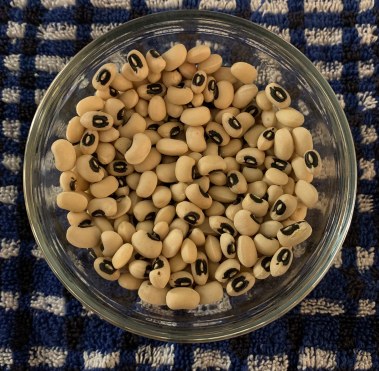
| Black-Eyed Peas | Small cream-colored peas with a distinctive black spot. | Staple in Southern and African dishes; often used in salads and stews. | Pulses.org |
| Lentils (Red, Green, Brown) | Small, lens-shaped legumes available in a variety of colors. | Versatile in salads, soups, and side dishes, often cooked quickly due to their size. | America's Test Kitchen |
Detailed Descriptions of Notable Varieties
Dried Beans
Dried beans are renowned for their robust flavors and multifaceted textures. The process of drying concentrates both the flavor and nutrients, making them an essential ingredient in many traditional recipes. Let’s explore some of the key varieties:
Black Beans
Characterized by their shiny, deep black skin, black beans maintain a firm texture even when cooked. They are a favorite in Latin American cuisine, frequently featured in soups, stews, and the popular dish known as refried beans. High in protein and fiber, they support a variety of heart-healthy recipes. For a visual reference and more detailed culinary tips, explore online stock photo repositories such as Getty Images or the guide available on The Spruce Eats.
Kidney Beans
Kidney beans, especially the vibrant red variety, earn their name due to their distinctive shape. They are hearty beans with a firm texture ideal for chili and rice dishes. It is critical to ensure these beans are properly cooked to neutralize natural toxins. Trusted sources like Cully's Kitchen and America's Test Kitchen provide not only excellent culinary guidance but also visual references to guarantee you identify them correctly.
Pinto Beans
Pinto beans have a mottled appearance with a combination of tan and pink specks. They are integral to many Mexican and Southwestern recipes—most notably refried beans and burritos. Their creamy texture after slow cooking not only adds flavor but also blends beautifully into sauces and mashed bean dishes. For visuals, stock image sites can offer high-resolution photographs showing their characteristic pattern.
Chickpeas (Garbanzo Beans)
Chickpeas are round, beige legumes known for a subtly nutty flavor. They are the cornerstone of dishes such as hummus and falafel, and they add substantial nutrition to salads, stews, and curries. Though not typically used as a sprout, the dense yet smooth texture after cooking invites creative culinary applications. Many high-quality images that capture their essence can be found through culinary websites or stock photo platforms like iStock.
Mung Beans
These small, green beans are highly adaptable. Commonly sprouted to enhance dishes or used in traditional Asian desserts and soups, mung beans offer an interesting contrast in flavor and texture. Their visual appeal increases when they transition from their dried state to sprouted form, making them an intriguing subject for culinary photography. Online guides like those found on The Spruce Eats clearly showcase their distinct characteristics.
Adzuki Beans
Often used in East Asian sweets, adzuki beans are prized for their mildly sweet flavor and striking red hue. They are central to making red bean paste—a common ingredient in many traditional desserts—demonstrating that even seemingly simple legumes can lend elegance to culinary creations. Check culinary blogs and image repositories for crisp, colorful images perfect for visual identification.
White Beans (Cannellini, Navy, Great Northern)
White beans come in several varieties, each with a subtle difference in texture and flavor. Cannellini beans, for example, are popular in Italian cuisine due to their creamy quality and nutty taste. Navy beans are typically smaller and are perfect for hearty stews and baked bean dishes. Great Northern beans provide a balanced flavor perfect for soups. These beans are often showcased in culinary articles that not only celebrate their taste but also highlight their visual appeal through high-resolution imagery.
Fava Beans
Fava beans are broad and oval-shaped, making them instantly recognizable. They require special preparatory steps, as their flavor intensifies significantly after the outer skins are removed. Popular in Mediterranean and Latin American recipes, fava beans have a distinctive earthy flavor profile that benefits from slow cooking. Detailed photographs from reputable culinary sources help in identifying their unique appearance.
Dried Peas
Dried peas—both split and whole—offer a delightful balance of sweetness and earthiness, making them perfect for various comforting dishes and hearty soups. They pack a punch of protein and fiber, and their versatile nature means that they can be enjoyed in a wide range of recipes.
Green and Yellow Split Peas
Split peas, available in both green and yellow varieties, are a common ingredient in traditional soups. They cook relatively quickly compared to other dried legumes and have a naturally sweet flavor that deepens with slow simmering. Whether used as the main ingredient in split pea soup or as an enriching addition to other recipes, their appearance can be easily recognized by one uninterrupted split, which is ideal for scanning detailed images provided by sites like Getty Images or Shutterstock.
Whole Green Peas
Whole green peas have a naturally vibrant color and a tender texture once cooked. They are often used in salads or as a garnish in various side dishes. Their fresh appearance is well captured by stock photography, making them a reliable subject when searching for crisp images that detail their structural nuances.
Black-Eyed Peas
With their small, creamy bodies and a characteristic black spot, black-eyed peas are visually distinctive at a glance. They serve as essential components in Southern American and African cuisines, often featured in dishes on festive occasions. The combination of image-rich culinary guides and food photography websites provides plenty of options for viewing a clear, representative image of these peas.
Browsing for Images: Practical Tips
Since images cannot be displayed directly here, exploring external resources is a practical way to view high-quality photographs of each type of dried bean and pea. When searching for images, consider the following tips:
Utilize Trusted Culinary Websites
Websites such as The Spruce Eats, Live Eat Learn, America's Test Kitchen, and Cully's Kitchen are excellent starting points. These sites often include extensive articles complete with high-definition images and detailed descriptions. They are especially helpful for understanding the subtle visual differences between similar beans such as kidney beans and white beans.
Explore Stock Photo Repositories
Platforms like Getty Images, Shutterstock, and iStock are valuable resources for finding crisp, professional photographs of dried beans and peas. By entering specific search queries like “black beans cooking” or “dried split peas close-up,” you will likely find a wide array of images that accurately represent the ingredient. These images not only assist with visual learning but also inspire culinary creativity with their rich details.
Search by Type Name
For each dried bean or pea listed in the table above, a targeted search using its exact name will yield highly specific results. For example, searching “Chickpeas high-resolution image” or “Cannellini bean culinary photography” can lead you directly to quality visuals curated by professional photographers. This method ensures that you see a singular, representative image for each type, confirming both their appearance and their distinctive culinary roles.
In addition to these methods, utilizing reverse image searching or dedicated culinary databases can further enhance your exploration. These avenues often reveal additional related images and recipes, deepening your overall knowledge and appreciation for these versatile ingredients.
Practical Culinary Insights
The significance of dried beans and peas extends far beyond their visual appeal. They embody an intersection of nutrition, culinary tradition, and agricultural history. Here are some practical insights into their culinary uses:
Nutritional and Health Benefits
Dried beans and peas are rich sources of plant-based protein, dietary fiber, vitamins, and minerals. They are low in fat and have a low glycemic index, making them an excellent choice for balanced diets and for those managing conditions such as diabetes or cardiovascular diseases. Incorporating a variety of beans and peas into your meals can contribute to improved digestion and sustained energy levels throughout the day.
Versatility in Cooking
Cooking with dried beans and peas offers a canvas for creativity. Whether you are preparing a warming soup, a hearty stew, or a refreshing salad, these legumes adapt seamlessly to a wide range of flavors and spices. They absorb the nuances of herbs, spices, and broths, transforming dishes with their rich, earthy taste. This versatility is celebrated in global cuisines, from Latin American black bean dishes to Indian lentil curries and Mediterranean bean salads.
Preparation and Cooking Tips
It is important to prepare dried beans and peas correctly to achieve the best texture and flavor. Most dried legumes require soaking—either overnight or using a quick-soak method—to reduce cooking times and help eliminate substances that can cause discomfort. Slow cooking is often preferred to ensure that the beans break down gently, retaining their shape or melding into a creamy consistency as desired. Paying attention to the cooking times is crucial, as overcooking can lead to a mushy texture, while undercooking may result in a bit too much firmness.
Utilize resources from culinary experts to perfect your soaking and cooking techniques. Detailed guides found on websites like Live Eat Learn and America's Test Kitchen are excellent for step-by-step instructions that complement the visual resources outlined in the table above.
Enhance Your Visual and Culinary Exploration
While this guide comprehensively outlines the characteristics, culinary applications, and visual resources for dried beans and peas, the journey of exploration doesn’t stop here. For a richer learning experience, you are encouraged to follow the links provided, experiment with different recipes, and even share your culinary creations with others.
Whether you’re a culinary professional or a home cook, learning about the diversity of dried beans and peas can elevate everyday cooking into something truly special. These ingredients have a storied history and remain central to traditions around the world. They serve as a reminder that even the simplest ingredients can be transformed into dynamic, nutritious, and delicious dishes when given the right preparation and a little culinary imagination.
References
-
A Helpful Guide to Every Type of Dried Bean - Cully's Kitchen
- 25 Types of Dried Beans and How to Use Them - America's Test Kitchen
- 29 Types Of Beans From A to Z (With Photos!) - Live Eat Learn
- A Helpful Guide to Every Type of Bean - The Spruce Eats
- Dried Peas Photographs - Getty Images
Recommended Queries for Further Exploration
Last updated March 9, 2025