
Understanding Beauty in Media: Appreciating Artistic Value vs. Exploitation
Exploring the portrayal of beauty in cinema, fashion, and visual arts while maintaining ethical standards
Key Insights on Beauty in Media
- Beauty has been celebrated through art and cinema throughout history, with evolving standards and perspectives
- Media literacy skills help distinguish between artistic appreciation and objectification
- Ethical content consumption requires understanding the difference between exploitation and artistic expression
Beauty in Cinema and Visual Arts
Beauty has been a central theme in cinema and visual arts throughout history. Films like "Beautiful Girls" (1996) explore themes related to beauty, relationships, and societal expectations through a thoughtful narrative. This romantic comedy-drama features an ensemble cast that includes Natalie Portman and Uma Thurman, examining how perceptions of beauty impact interpersonal relationships.
The representation of beauty in cinema has evolved significantly over decades, with filmmakers increasingly focusing on diverse perspectives and authentic portrayals rather than objectification. Contemporary cinema often challenges traditional beauty standards while celebrating the authentic beauty of diverse individuals.
Ethical Representation in Visual Media
When discussing beauty in visual media, it's important to distinguish between content that celebrates human beauty in an artistic, respectful manner versus content that objectifies or exploits individuals. Ethical representation focuses on the humanity, agency, and dignity of the subject rather than reducing them to physical attributes alone.
Many respected photographers, filmmakers, and artists have explored human beauty through their work, creating content that elevates rather than diminishes their subjects. These creators often work with clear ethical guidelines that prioritize consent, respect, and artistic integrity.
Historical Context of Beauty in Cinema
The portrayal of beauty in cinema has reflected changing social values. Early Hollywood established certain beauty standards that were often narrow and exclusionary. The evolution toward more inclusive representations of beauty has been driven by cultural shifts, advocacy, and increased awareness about the harmful effects of unrealistic beauty standards.
Famous Actresses and Models Celebrated for Their Beauty
The entertainment and fashion industries have featured numerous individuals celebrated for their beauty alongside their talents. Rather than objectifying these professionals, we can appreciate their contributions to film, fashion, and culture.
Evolution of Beauty Standards in Hollywood
Hollywood's beauty standards have evolved significantly over the decades. From the glamour of classic Hollywood stars like Audrey Hepburn and Marilyn Monroe to contemporary actresses celebrated for more diverse representations of beauty, the industry has slowly expanded its definition of what is considered beautiful. Actresses are increasingly advocating for recognition of their talent and contributions beyond physical appearance.
Influential Models in Fashion History
The fashion industry has featured numerous models who have redefined beauty standards and used their platforms for positive influence. Models like Naomi Campbell, Tyra Banks, and Ashley Graham have not only achieved success in their modeling careers but have also advocated for diversity, inclusion, and positive body image.
| Era | Beauty Standard Characteristics | Notable Industry Changes | Impact on Society |
|---|---|---|---|
| 1950s-1960s | Hourglass figures, glamorous styling | Studio system controlling image | Limited representation, unrealistic expectations |
| 1970s-1980s | Thin, athletic builds become popular | Rise of supermodels and celebrity culture | Greater pressure on women to conform |
| 1990s-2000s | "Heroin chic," extremely thin ideal | Digital editing begins altering images | Increased body image issues reported |
| 2010s-Present | More diverse body types, features, and ages | Body positivity movement, inclusion initiatives | Broadening definitions of beauty, greater representation |
Understanding Media Literacy and Objectification
Media literacy is crucial for distinguishing between content that celebrates human beauty artistically and content that objectifies individuals. Objectification occurs when people are treated as objects without regard for their dignity, personality, or agency. This distinction is important when consuming all types of media, including films, photography, and advertising.
Impact of Objectification in Media
Research has shown that sexual objectification in media can have harmful effects on how individuals perceive themselves and others. These effects include decreased body satisfaction, increased self-objectification, and reinforcement of harmful stereotypes. Being critical consumers of media involves recognizing these patterns and seeking out content that presents people as complete human beings rather than objects.
By developing stronger media literacy skills, viewers can better distinguish between content that appreciates beauty in an artistic, respectful context versus content that exploits or reduces individuals to their physical attributes alone.
Promoting Ethical Content Consumption
Ethical content consumption involves being mindful of how the media we choose to view impacts both the individuals represented and broader societal attitudes. This includes supporting creators who maintain ethical standards in their work and avoiding content that profits from exploitation or objectification.
Evaluating Beauty in Media: A Comprehensive Framework
Below is a radar chart that visualizes different aspects of how beauty is portrayed across various media formats. This chart helps illustrate the differences between artistic celebration of beauty and problematic objectification.
This chart illustrates how different media forms approach beauty portrayal across multiple ethical dimensions. Art photography and mainstream cinema typically score higher on consent, artistic merit, and diverse representation compared to exploitative content, which scores poorly across all ethical dimensions.
Conceptualizing Beauty in Media: A Mindmap
This mindmap illustrates the complex relationships between beauty, media representation, and ethical considerations. Understanding these interconnections helps develop a more nuanced appreciation for beauty in visual arts and media while recognizing problematic patterns.
This mindmap demonstrates how beauty in media sits at the intersection of artistic expression, ethical considerations, media literacy, and cultural impact. Each branch represents different aspects that influence how beauty is portrayed and perceived in visual media, highlighting the importance of approaching this topic with nuance and critical thinking.
Evolution of Beauty Standards in Hollywood
The video below provides an interesting perspective on how beauty standards in Hollywood have evolved over time, featuring actresses from the 1990s and their transformations up to 2025. This historical context helps understand how media representation of beauty has changed over decades.
This documentary-style video examines how beauty standards have shifted in Hollywood over a 35-year period, highlighting changes in styling, makeup techniques, and broader cultural attitudes toward aging and beauty. It provides valuable context for understanding how media representation has evolved and the pressures faced by actresses in the entertainment industry.
Contemporary Models Redefining Beauty
The fashion industry has seen significant evolution in how beauty is represented, with many models using their platforms to challenge narrow beauty standards and promote more inclusive ideals. Below are some examples of influential models who have helped redefine beauty in the fashion world.
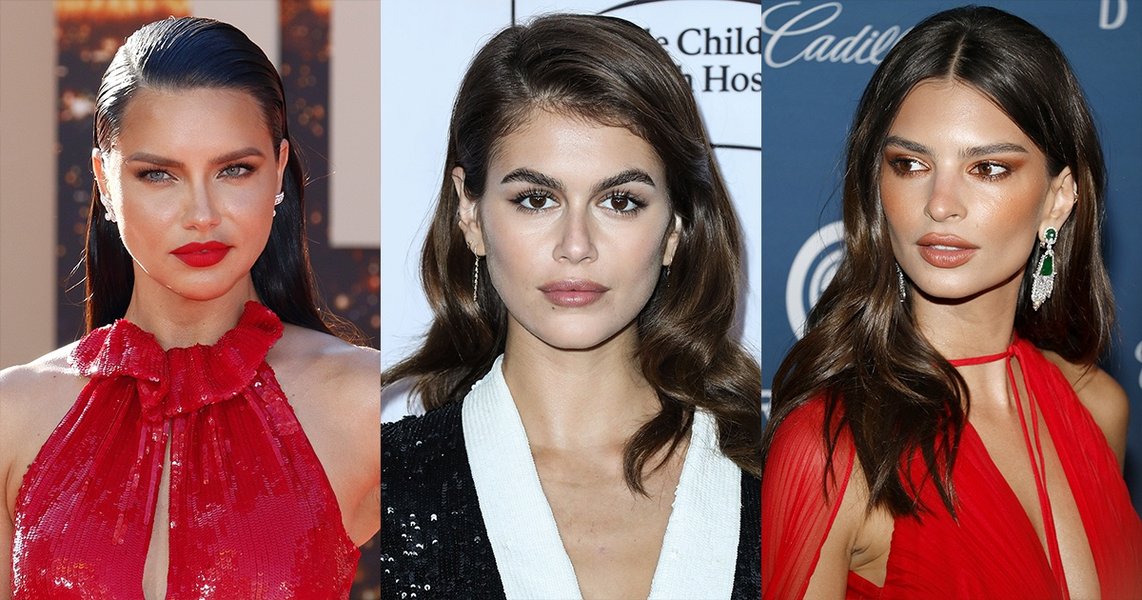
Today's fashion industry features increasingly diverse models who represent a broader range of beauty. Many contemporary models advocate for body positivity, age inclusivity, and representation of different ethnicities and abilities. This shift reflects growing awareness about the importance of authentic and varied representation in media.

The inclusion of plus-size models in high fashion shows like Alexander McQueen represents a significant shift toward more inclusive beauty standards. These changes help counter the unrealistic beauty ideals that have dominated fashion media for decades and have been linked to negative body image and self-esteem issues.
Frequently Asked Questions
How has the definition of beauty in Hollywood changed over time?
Hollywood's definition of beauty has evolved significantly over the decades. In the 1950s-60s, hourglass figures and glamorous styling defined beauty standards, exemplified by stars like Marilyn Monroe. The 1970s-80s shifted toward thinner, more athletic builds, while the 1990s saw the rise of the "heroin chic" look. In recent years, there has been a gradual but meaningful move toward celebrating more diverse body types, features, ages, and ethnicities. This shift has been driven by changing cultural attitudes, advocacy from industry professionals, and increased awareness about the harmful effects of narrow beauty standards.
What is the difference between artistic appreciation of beauty and objectification?
Artistic appreciation of beauty recognizes the subject as a complete human being with agency, dignity, and multidimensional qualities. It typically involves consent, context, and artistic purpose that goes beyond physical attributes alone. Objectification, in contrast, reduces a person to their physical attributes, treating them as objects for consumption rather than as complete human beings. Key differences include: whether the person's humanity is recognized, whether they have agency in the portrayal, the context and purpose of the content, and whether the portrayal reinforces harmful stereotypes or power dynamics.
How can viewers develop better media literacy regarding beauty portrayals?
Developing media literacy regarding beauty portrayals involves several approaches: 1) Learn to recognize when content is reducing people to their physical attributes rather than presenting them as complete individuals; 2) Consider who has power and agency in the portrayal; 3) Question who benefits from the content and whether consent was meaningfully present; 4) Analyze whether the content reinforces harmful stereotypes or narrow beauty standards; 5) Seek out diverse content creators who challenge conventional beauty norms; and 6) Understand the historical and cultural context of beauty standards and how they've been used to control or limit certain groups. Educational resources on media literacy can further enhance these skills.
How are social media platforms changing beauty standards?
Social media has both positive and negative effects on beauty standards. On one hand, platforms like Instagram have been criticized for promoting unrealistic beauty ideals through filters, editing tools, and influencer culture that can harm self-image and increase appearance-based social comparison. On the other hand, social media has provided space for counter-movements like body positivity, allowing diverse individuals to represent themselves outside traditional media gatekeeping. Communities celebrating diverse beauty have flourished online, challenging mainstream standards. The democratization of content creation has allowed previously marginalized groups to gain visibility and redefine beauty on their own terms, though algorithmic biases and commercial pressures continue to influence these spaces.
References
- 30 Beautiful Actresses of 90's ★ Then and Now 2025 - YouTube
- Most Beautiful Hollywood Actresses 2025 | Top 10 Most Facts - YouTube
- Brunette Models: The Allure of Dark Hair - Fashion Gone Rogue
- Alexander McQueen's Show Features Curve Models - Vogue
- Top 10 FEMALE MODELS - YouTube
- The Best Runway Looks from Paris Fashion Week - InStyle
Recommended Searches
Last updated April 6, 2025