
Unlock Your Potential: Charting the Course to Your Best Self
Embark on a transformative journey of personal growth through actionable strategies and mindful practices.
Highlights: Key Insights for Your Journey
- Authenticity is Your Compass: Define your "best self" based on your unique values and aspirations, not external expectations.
- Consistency Fuels Transformation: Small, consistent daily habits compound over time to create significant, lasting change.
- Embrace Growth Through Challenges: Stepping outside your comfort zone and adopting a growth mindset are crucial for unlocking potential.
Embarking on the path to becoming the "best version of yourself" is not about chasing an elusive state of perfection or comparing yourself to others. Instead, it's a deeply personal, continuous journey of self-discovery, growth, and aligning your actions with what truly matters to you. It involves nurturing various facets of your life – from mental and physical well-being to personal development and relationships. This guide synthesizes effective strategies to help you navigate this rewarding process.
Define Your Authentic North Star
The foundation of becoming your best self lies in understanding who you are at your core and where you want to go.
Uncover Your Core Values and Aspirations
Know Thyself
Your best self is intrinsically linked to your personal values, passions, and deepest desires. It's crucial to move beyond societal pressures or external ideals and connect with what genuinely motivates and fulfills you. Take dedicated time for introspection:
- Reflect: What principles guide your decisions? What activities make you feel most alive and authentic?
- Journal: Write down your thoughts on what success, happiness, and fulfillment mean to *you*.
- Identify Your 'Why': Understanding the deeper purpose behind your goals provides resilience and enduring motivation.
This self-awareness acts as your compass, ensuring your efforts are directed towards a version of yourself that feels genuine and meaningful.
Craft Your Vision with Clear Goals
Set SMART Objectives
Once you have a clearer sense of your values and aspirations, translate them into actionable goals. Vague intentions rarely lead to concrete results. Employ the SMART framework to provide structure and clarity:
- Specific: Clearly define what you want to achieve.
- Measurable: How will you track progress and know when you've succeeded?
- Achievable: Are your goals realistic given your current resources and circumstances?
- Relevant: Do these goals align with your core values and overall vision for your best self?
- Time-bound: Set deadlines to create a sense of urgency and structure.
Break down larger, long-term goals into smaller, manageable steps. This makes the journey less overwhelming and allows you to celebrate milestones along the way.
Cultivate Empowering Daily Practices
Your daily actions and routines are the building blocks of your transformation. Consistency in nurturing positive habits is paramount.
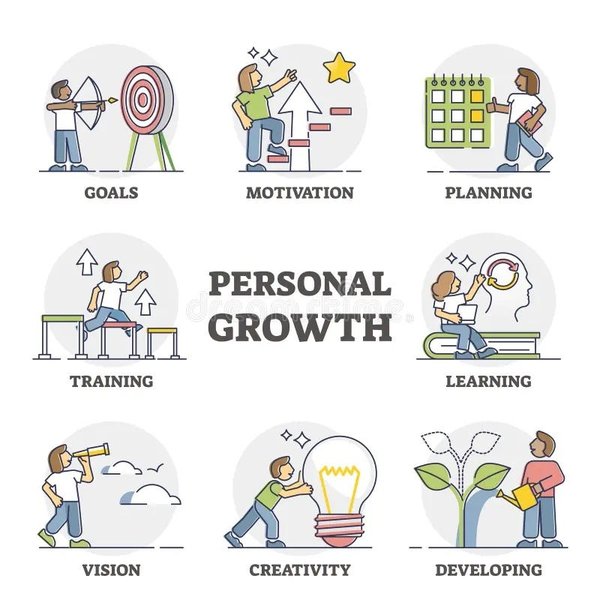
Cultivating daily habits is like assembling a toolkit for personal growth.
Build Foundational Habits for Well-being
Prioritize Physical Health
Your physical state profoundly impacts your mental clarity, energy levels, and emotional resilience. Integrate these core habits:
- Quality Sleep: Aim for 7-8 hours of consistent, restful sleep per night. It's essential for cognitive function, emotional regulation, and physical recovery.
- Regular Exercise: Engage in physical activity you enjoy, whether it's walking, running, yoga, or team sports. Exercise boosts mood, reduces stress, and improves overall health.
- Balanced Nutrition: Fuel your body with whole foods that provide sustained energy. Pay attention to hydration as well.
Nurture Mental Clarity and Emotional Resilience
Mindfulness and Self-Reflection
Developing self-awareness is crucial for understanding your thoughts, emotions, and reactions. Practices like mindfulness and journaling help cultivate this inner clarity:
- Mindfulness & Meditation: Even a few minutes daily can reduce stress, improve focus, and help you stay present. Techniques include deep breathing or guided meditations.
- Journaling: Regularly writing down your thoughts, feelings, successes, and challenges provides valuable insights and helps track progress. It’s a powerful tool for self-reflection.
- Gratitude Practice: Consciously acknowledging things you are thankful for can shift your perspective towards positivity and enhance overall well-being.
Embrace Continuous Learning and Curiosity
Expand Your Mind
Commitment to lifelong learning keeps your mind sharp, opens new perspectives, and fuels personal growth. Make learning a regular part of your life:
- Read books or articles on diverse topics.
- Take online courses or workshops to acquire new skills.
- Engage in hobbies that challenge you intellectually or creatively.
- Stay curious about the world and ask questions.
Expand Your Horizons and Build Resilience
True growth often occurs at the edge of your comfort zone. Developing resilience helps you navigate challenges effectively.
Step Beyond Your Comfort Zone
Embrace Discomfort for Growth
Staying within familiar boundaries limits your potential. Intentionally challenge yourself by:
- Trying new experiences or activities.
- Taking on tasks that seem slightly intimidating.
- Speaking up or sharing your ideas even when it feels uncomfortable.
Each step outside your comfort zone builds confidence, adaptability, and resilience.
Develop a Growth Mindset and Embrace Imperfection
Learn from Setbacks
Adopt a growth mindset – the belief that your abilities and intelligence can be developed through dedication and hard work. This contrasts with a fixed mindset, which assumes abilities are static.
- View Challenges as Opportunities: See difficulties not as roadblocks, but as chances to learn and improve.
- Learn from Failure: Understand that setbacks are a natural part of the learning process. Analyze what went wrong and how you can approach it differently next time.
- Practice Self-Compassion: Be kind to yourself, especially during difficult times. Acknowledge your efforts and imperfections without harsh judgment. Embrace the concept of *wabi-sabi* – finding beauty in imperfection and accepting the natural cycle of growth and decay.
Mindmap: Key Areas of Self-Improvement
This mindmap visualizes the interconnected areas involved in the journey towards becoming your best self. It highlights the core themes of self-definition, daily cultivation, expansion, connection, and action.
(Sleep, Exercise, Nutrition)"] id2b["Mental Clarity
(Mindfulness, Meditation)"] id2c["Emotional Resilience
(Journaling, Gratitude)"] id2d["Continuous Learning"] id3["Expand & Grow"] id3a["Step Outside Comfort Zone"] id3b["Develop Growth Mindset"] id3c["Embrace Imperfection
(Self-Compassion, Wabi-Sabi)"] id4["Connect & Leverage"] id4a["Foster Positive Relationships"] id4b["Effective Time Management"] id4c["Accountability & Reflection"] id5["Act Consistently"] id5a["Small, Daily Steps"] id5b["Track Progress"] id5c["Celebrate Wins"]
Leverage Your Environment and Track Your Journey
Your surroundings and your ability to monitor progress significantly influence your path.
Foster Supportive Relationships
Choose Your Circle Wisely
The people you surround yourself with can either uplift or hinder your growth. Cultivate connections with positive, encouraging individuals who support your journey. Nurture these relationships through active listening, empathy, and mutual respect. Consider seeking mentors or coaches who can provide guidance and perspective.
Implement Effective Time Management
Make Time for What Matters
Becoming your best self requires intentional allocation of time. Use techniques like prioritization (e.g., identifying your most important tasks) or time-blocking to ensure you dedicate sufficient focus to your goals and self-care routines. Techniques like the Pomodoro Technique (working in focused bursts) can enhance productivity.
Stay Accountable and Reflect on Progress
Monitor Your Growth
Regularly assessing your journey is vital for staying on track and making necessary adjustments. Consider:
- Tracking Habits: Use apps or journals to monitor consistency with your desired habits.
- Weekly/Monthly Reviews: Set aside time to reflect on successes, challenges, and lessons learned.
- Accountability Partners: Share your goals with a trusted friend, family member, or coach who can offer support and encouragement.
Radar Chart: Assessing Your Self-Improvement Dimensions
This radar chart offers a visual representation of different facets of personal growth. It compares a hypothetical "Current Self-Assessment" against an "Ideal Best Self" target across key areas. Use this as inspiration to reflect on your own progress and identify areas for focus. Scores are illustrative, ranging from 4 (Needs Focus) to 10 (Thriving).
The Power of Action and Consistency
Understanding the principles is important, but progress comes from putting them into practice consistently.
Small Steps, Big Impact
Don't feel pressured to overhaul your entire life overnight. Focus on incorporating small, manageable changes into your routine. These small steps build momentum and compound over time, leading to significant long-term growth. Consistency is more powerful than intensity.
Celebrating Progress
Acknowledge and celebrate your achievements, no matter how small. Recognizing your progress reinforces positive behaviors and keeps you motivated on your journey. Treat yourself kindly and appreciate the effort you're putting in.
Summary Table: Key Strategies and Actions
This table summarizes the core strategies discussed and provides actionable examples to help you integrate them into your life.
| Strategy Area | Key Principle | Actionable Examples |
|---|---|---|
| Self-Awareness & Definition | Understand your values and define your "best self." | Journaling, value identification exercises, creating a vision board. |
| Goal Setting | Set clear, actionable targets aligned with your values. | Use the SMART framework, break down large goals, set deadlines. |
| Habit Formation | Build consistent routines that support well-being. | Establish a morning/evening routine, practice daily meditation, schedule exercise. |
| Physical Health | Prioritize sleep, nutrition, and exercise. | Aim for 7-8 hours sleep, eat balanced meals, find enjoyable physical activities. |
| Mental & Emotional Well-being | Cultivate mindfulness, resilience, and positivity. | Practice mindfulness, journal regularly, practice gratitude, manage stress. |
| Continuous Learning | Commit to expanding knowledge and skills. | Read books, take courses, pursue hobbies, stay curious. |
| Growth Mindset | Embrace challenges and learn from setbacks. | View failures as learning opportunities, practice self-compassion. |
| Comfort Zone Expansion | Seek growth through new experiences. | Try new activities, take calculated risks, volunteer for challenging tasks. |
| Positive Relationships | Surround yourself with supportive people. | Nurture healthy connections, seek mentorship, limit negative influences. |
| Accountability & Reflection | Track progress and stay committed. | Use habit trackers, conduct regular reviews, find an accountability partner. |
Visualizing Your Journey: Habits for Self-Improvement
Building positive habits is a cornerstone of becoming your best self. This video explores ten powerful habits that can significantly impact your life and motivate you on your self-improvement journey. It emphasizes the practical application of principles discussed, showing how small, consistent actions can lead to meaningful change.
The habits discussed often align with core themes like mindfulness, continuous learning, physical health, and positive mindset, offering practical starting points or reinforcements for your own personal development plan.
Frequently Asked Questions (FAQ)
How do I know what the "best version" of me looks like?
The "best version" isn't a universal standard but is unique to you. It's defined by your core values, aspirations, and what brings you authentic fulfillment. Engage in self-reflection (journaling, thinking about what makes you feel alive) to understand what truly matters to you. It's less about achieving perfection and more about aligning your life with these personal principles and continually striving for growth in areas you deem important.
Is it necessary to change everything at once?
No, and trying to do so is often counterproductive. The most sustainable approach involves making small, consistent changes over time. Focus on incorporating one or two new habits or working towards one specific goal at a time. Once these become integrated, you can build upon them. Small, steady steps lead to significant long-term progress.
What if I fail or face setbacks?
Failures and setbacks are inevitable parts of any growth journey. The key is to adopt a growth mindset: view these challenges not as reflections of your inadequacy, but as valuable learning opportunities. Practice self-compassion, analyze what happened without harsh judgment, adjust your approach if necessary, and keep moving forward. Resilience is built by navigating difficulties, not by avoiding them.
How long does it take to become my best self?
Becoming your best self isn't a destination with a finish line; it's an ongoing, lifelong process. There will be periods of intense growth and others of maintenance or reflection. Focus on the journey of continuous improvement, celebrating progress along the way, rather than aiming for a fixed endpoint. It's about consistently striving to live in alignment with your values and potential.
Recommended Next Steps
Continue your exploration with these related queries:
- How can I set personal growth goals that I will actually stick to?
- What are practical techniques for building resilience when facing life's challenges?
- What are the specific benefits of mindfulness and meditation for daily self-improvement?
- How can I actively cultivate a growth mindset to better handle setbacks and learning?
References

Last updated May 5, 2025