
Unlock the Secret to Unforgettable Stories: Your Guide to Becoming a Master Storyteller
Transform your communication and connection by mastering the art and craft of narrative.
Highlights
- Connect Deeply: Understand your audience and inject authentic emotion and vulnerability to build trust and empathy.
- Structure for Impact: Craft stories with a clear beginning, middle, and end, incorporating conflict and resolution to keep listeners engaged.
- Practice Makes Perfect: Regularly rehearse, seek constructive feedback, and observe skilled storytellers to continuously refine your technique.
Why Storytelling Matters and How You Can Improve
Storytelling is more than just recounting events; it's a fundamental human skill that shapes how we connect, communicate, persuade, and inspire. Whether in a professional presentation, a casual conversation, or creative writing, the ability to tell a compelling story can significantly enhance your impact. Fortunately, becoming a better storyteller is not an innate talent reserved for a few, but a skill that can be cultivated through understanding core principles and dedicated practice.
Understanding Your Foundation: Audience and Purpose
Before you even begin crafting your narrative, two elements are crucial: knowing who you're talking to and why.
Know Your Audience
Tailoring your story is key. Consider their background, interests, and expectations. Are they looking for technical details, emotional connection, or entertainment? Adjust your tone, language complexity, and content accordingly. An anecdote that resonates with colleagues might fall flat with family members. Understanding your listeners allows you to choose stories and delivery styles that will genuinely connect.
Clarify Your Purpose
What do you want your story to achieve? Are you aiming to inform, persuade, entertain, motivate, or build rapport? Having a clear objective guides your choices throughout the storytelling process, from selecting the right narrative to emphasizing specific points. A story meant to inspire action will differ significantly in structure and emotional tone from one intended purely for amusement.
Crafting Compelling Narratives
Once you understand your audience and purpose, you can focus on building the story itself. Effective narratives often share common structural and content elements.
Choosing the Right Story and Structure
Select Meaningful Content
The most impactful stories often come from personal experience, as they convey authenticity and allow for genuine emotion. Look for moments of transformation, learning, or connection in your own life or the lives of others. Don't shy away from vulnerability; stories about struggles overcome are often more relatable and inspiring than tales of effortless success. Avoid making yourself the sole hero; focus on universal themes and relatable experiences.
Build a Clear Structure
A fundamental rule is to give your story a clear beginning, middle, and end.
- Beginning: Set the scene, introduce the main characters or context, and establish the initial situation. Consider starting with a hook – a question, a surprising statement, or an intriguing image – to grab immediate attention.
- Middle: Introduce conflict, obstacles, or challenges. This is where tension builds. Detail the events, the struggles faced, and the rising action. This part drives engagement and keeps the audience invested.
- End: Provide resolution. Describe the outcome, the lessons learned, or the transformation that occurred. A satisfying conclusion leaves a lasting impression and reinforces your message.
Engaging Your Audience: Techniques for Immersion
A good story doesn't just present facts; it immerses the audience in an experience. Several techniques can help you achieve this:

Engaging delivery is crucial for effective storytelling in public speaking.
Raise Questions and Build Suspense
Pique curiosity early on. Pose implicit or explicit questions that make the audience wonder, "What happens next?" Introduce obstacles, twists, or surprising information strategically to maintain tension. A sense of urgency, perhaps through a "time crunch" element, can also heighten engagement.
Show, Don't Just Tell
This is a cornerstone of powerful storytelling. Instead of stating facts or emotions directly, use vivid descriptions, sensory details, and actions to let the audience experience them.
- Describe Actions: Instead of saying "He was angry," describe him slamming his fist on the table or his face flushing red.
- Use Sensory Details: Engage multiple senses. What did the scene look, sound, smell, taste, or feel like?
- Incorporate Dialogue: Conversation brings characters to life, reveals personality, and advances the plot more naturally than exposition.
Infuse Emotion and Relatability
Connect with your audience on an emotional level. Share the feelings and thoughts of the characters (or yourself). Vulnerability, when appropriate, can foster deep connection and trust. Focus on universal human experiences – joy, fear, hope, disappointment – that resonate widely.
Mastering Your Delivery
How you tell the story is as important as the story itself. Your delivery can significantly enhance or detract from your narrative's impact.
Vocal Variety and Pacing
Your voice is a powerful tool. Vary your pace, pitch, and volume to match the story's mood and emphasize key moments. Speak clearly and audibly. Strategic pauses can be incredibly effective – use them to build suspense before a reveal, underscore an important point, or give the audience a moment to reflect.
Body Language and Presence
Non-verbal cues communicate volumes. Use natural gestures that complement your words. Maintain appropriate eye contact with your audience to create connection. Facial expressions should reflect the emotions of the story. Your overall posture and presence should convey confidence and engagement.
Refining Your Craft Through Practice and Feedback
Becoming a better storyteller is an ongoing process that requires deliberate effort and refinement.
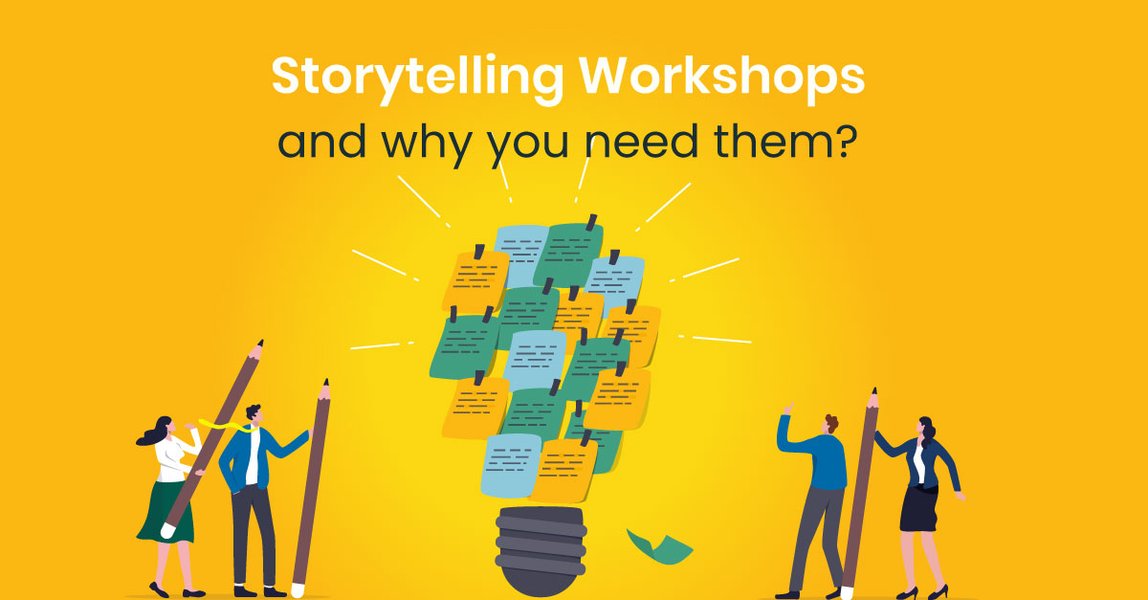
Workshops and practice groups provide valuable opportunities for feedback and improvement.
Preparation and Rehearsal
Good storytelling often looks effortless, but it usually involves preparation. Outline your story, perhaps writing it out fully or using bullet points. Practice telling it aloud – this helps you internalize the flow, refine phrasing, and perfect your timing. Memorizing key points, rather than a rigid script, allows for a more natural and adaptable delivery.
Seek and Embrace Feedback
Share your stories with trusted friends, colleagues, or mentors. Ask for specific, constructive criticism: Was the message clear? Where did their attention lag? Did the emotional beats land? Be open to feedback and use it to iterate on your story. Recording yourself can also provide valuable, objective insights into your delivery and content.
Simplify and Edit
Often, less is more. Ruthlessly cut unnecessary details or tangents that don't serve the story's core message or purpose. Ensure your narrative is focused and flows logically. Clarity is paramount; avoid jargon or overly complex sentences that might confuse your audience.
Learn from the Masters
Pay attention to skilled storytellers around you – in TED Talks, podcasts, books, films, or even conversations. Analyze their techniques: How do they structure their narratives? How do they build suspense or evoke emotion? How do they use language and delivery? Reading widely across different genres can also expand your understanding of narrative possibilities.
Visualizing Storytelling Effectiveness
Different storytelling techniques contribute uniquely to the overall impact of a narrative. This chart provides a comparative view of how various methods might score across key dimensions like audience engagement, emotional connection, clarity, memorability, and persuasive power. These scores are illustrative, representing potential impact rather than precise data.
Mapping the Path to Better Storytelling
Improving your storytelling involves developing skills across several key areas. This mindmap outlines the core components and practices involved in becoming a more effective and engaging storyteller.
(Inform, Persuade, Entertain)"] id2["Content & Structure"] id2a["Choose Meaningful Stories
(Personal, Relatable)"] id2b["Clear Structure
(Beginning, Middle, End)"] id2c["Incorporate Conflict/Obstacles"] id2d["Show, Don't Tell
(Sensory Details, Actions)"] id2e["Use Dialogue"] id3["Engagement Techniques"] id3a["Strong Hook"] id3b["Build Suspense/Raise Questions"] id3c["Evoke Emotion"] id3d["Inject Authenticity/Vulnerability"] id4["Delivery Skills"] id4a["Vocal Variety
(Pace, Tone, Volume)"] id4b["Use Pauses Effectively"] id4c["Body Language & Gestures"] id4d["Eye Contact"] id5["Refinement Process"] id5a["Practice Regularly (Aloud)"] id5b["Seek Constructive Feedback"] id5c["Record & Review"] id5d["Simplify & Edit Ruthlessly"] id5e["Learn from Others
(Observe, Read)"]
Key Storytelling Techniques Summarized
Mastering storytelling involves employing various techniques strategically. This table summarizes some essential methods, their primary purpose, and brief examples to illustrate their application.
| Technique | Purpose | Example Application |
|---|---|---|
| Know Your Audience | Tailor content, tone, and complexity for maximum resonance. | Using simpler language for a general audience vs. technical terms for experts. |
| Clear Structure (Beg/Mid/End) | Provide logical flow and ensure the audience can follow the narrative easily. | Starting with context, building to a challenge, and concluding with the resolution/lesson. |
| Show, Don't Tell | Create immersive experiences using sensory details and actions instead of direct statements. | Describing trembling hands instead of saying "She was nervous." |
| Raise Questions / Build Suspense | Keep the audience engaged and eager to know what happens next. | Ending a section with a cliffhanger or posing a rhetorical question early on. |
| Incorporate Conflict/Obstacles | Create tension, make the story more interesting, and highlight character growth or resilience. | Detailing the challenges faced in achieving a goal. |
| Use Dialogue | Reveal character personality, advance the plot naturally, and add realism. | Including direct quotes from people involved in the story. |
| Inject Authenticity/Vulnerability | Build trust, empathy, and deeper connection with the audience. | Sharing a personal struggle or moment of doubt related to the story's theme. |
| Vocal Variety & Pacing | Enhance emotional impact, maintain interest, and emphasize key points. | Slowing down and lowering volume for a serious moment, speeding up for excitement. |
| Practice & Seek Feedback | Refine content, timing, and delivery for greater effectiveness. | Rehearsing in front of a mirror or friends and asking for specific input. |
Video Insights: Quick Storytelling Improvement
Sometimes, seeing and hearing advice can make it click. This video offers practical tips condensed into a short format, focusing on actionable steps you can take to immediately enhance your storytelling abilities. It covers core concepts discussed here, offering a dynamic perspective on applying these techniques.
Frequently Asked Questions (FAQ)
How do I find good stories to tell?
Look for stories in your everyday life and personal experiences. Think about moments of change, challenges overcome, surprising events, lessons learned, or strong emotions felt. Consider experiences related to your values, goals, or work. Even seemingly mundane moments can become compelling stories if they reveal something relatable or insightful about human nature. Keep a journal or note down potential story ideas as they occur to you.
How important is it to be authentic and vulnerable?
Authenticity is crucial for building trust and connection. Audiences respond positively to genuineness. Vulnerability, when shared appropriately, can be very powerful. It makes you relatable and human, fostering empathy. However, vulnerability should serve the story and the connection with the audience, not be gratuitous or uncomfortable. Share struggles and imperfections thoughtfully, focusing on the relatable aspects and lessons learned rather than just seeking sympathy.
What's the ideal length for a story?
The ideal length depends entirely on the context, audience, and purpose. A story in a casual conversation might be brief (a minute or two), while a keynote presentation might feature a longer, more developed narrative. The key is to keep it concise and focused, removing any elements that don't serve the main point. Pay attention to your audience's engagement – if you sense restlessness, it might be too long. Always aim for impact over duration.
How can I practice storytelling if I'm shy or nervous?
Start small and in low-stakes environments. Practice telling stories to yourself, recording them, or sharing them with a trusted friend or family member first. Focus on preparation – knowing your story well can boost confidence. Join a supportive group like Toastmasters or a local storytelling club where you can practice in a structured, encouraging setting. Remember that nervousness is normal; even experienced speakers feel it. Focus on your message and connecting with one friendly face in the audience.
Recommended
- What are common storytelling mistakes to avoid?
- How can I use storytelling in business presentations?
- Explore different narrative structures beyond beginning-middle-end.
- Find exercises for improving vocal delivery in storytelling.
References

Last updated April 28, 2025