
Achieving Millionaire Status at 37: A Comprehensive Guide
Strategic Steps to Financial Independence and Wealth Accumulation
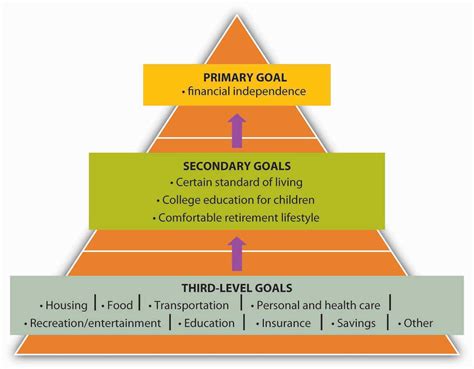
Key Takeaways
- Assess and Optimize Your Financial Health: Understanding your net worth and setting clear, achievable financial goals are foundational steps.
- Maximize Income and Minimize Expenses: Implementing effective budgeting, reducing unnecessary costs, and exploring multiple income streams accelerate wealth building.
- Invest Strategically and Leverage Compound Interest: Diversified, growth-oriented investments combined with consistent contributions can significantly enhance your financial portfolio.
1. Assess Your Current Financial Situation
Understand Your Net Worth
Begin by calculating your net worth, which is the difference between your total assets and total liabilities. Assets include cash savings, investments, real estate, and personal property, while liabilities encompass debts such as mortgages, student loans, and credit card balances. This calculation provides a clear picture of your financial standing and highlights areas that require improvement.
Set Clear and Specific Financial Goals
Define what being a millionaire means to you. Is it having a net worth of $1 million, $1 million in liquid assets, or $1 million in retirement savings? Additionally, establish a timeline for achieving this goal. For instance, aiming to reach millionaire status by age 57 provides a 20-year horizon. Setting specific, measurable, attainable, relevant, and time-bound (SMART) goals enhances focus and motivation.
2. Create a Budget and Reduce Expenses
Track Your Spending
Utilize budgeting tools or apps to monitor your income and expenditures meticulously. Categorize your spending into essentials (housing, utilities, groceries) and discretionary items (entertainment, dining out). This practice helps identify patterns and areas where you can cut back.
Cut Unnecessary Costs
Evaluate your discretionary spending and reduce expenses that do not contribute significantly to your quality of life. This might include reducing subscription services, limiting dining out, or finding more affordable alternatives for entertainment. Redirect the savings toward investments and debt repayment.
Increase Your Savings Rate
Aim to save at least 20-30% of your income. The higher your savings rate, the more capital you can allocate to investments. Automate your savings to ensure consistency and reduce the temptation to spend.
3. Maximize Income Streams
Advance Your Career
Seek opportunities for promotions, negotiate salary increases, or consider transitioning to higher-paying roles. Investing in education and acquiring new skills can make you more marketable and open doors to better-paying positions.
Develop Side Hustles
Explore additional income sources such as freelancing, consulting, or starting a small business. Side hustles not only supplement your primary income but also diversify your revenue streams, providing financial stability.
Establish Passive Income Streams
Invest in assets that generate passive income, such as dividend-paying stocks, rental properties, or royalties from creative work. Passive income can provide a steady cash flow without requiring active involvement, accelerating your path to millionaire status.
4. Invest Aggressively and Smartly
Start Early and Benefit from Compound Interest
Time is a critical factor in wealth accumulation. The earlier you start investing, the more you can take advantage of compound interest, where your investments generate earnings that are reinvested to generate their own earnings.
Diversify Your Investment Portfolio
Spread your investments across various asset classes, including stocks, bonds, real estate, and alternative investments. Diversification reduces risk and enhances potential returns by balancing volatile assets with more stable ones.
Utilize Low-Cost Index Funds and ETFs
Investing in low-cost index funds or exchange-traded funds (ETFs) that track broad market indices like the S&P 500 provides exposure to a wide range of companies, ensuring steady, long-term growth with minimal fees.
Maximize Tax-Advantaged Accounts
Contribute to tax-advantaged accounts such as 401(k)s, IRAs, or Roth IRAs. These accounts offer tax benefits that can significantly enhance your investment growth over time.
5. Leverage Compound Interest
Consistent Contributions
Regularly investing a fixed amount, regardless of market conditions, ensures continuous growth. Even small, consistent contributions can accumulate significantly over time due to the power of compounding.
Reinvest Earnings
Reinvest dividends and interest earned from your investments to accelerate growth. This strategy maximizes the compounding effect, enhancing your overall returns.
Maintain a Long-Term Focus
Avoid withdrawing funds prematurely. Allowing your investments to grow uninterrupted over the long term ensures you fully benefit from compound interest.
6. Avoid Debt and Build an Emergency Fund
Eliminate High-Interest Debt
Prioritize paying off debts with high interest rates, such as credit card balances or personal loans. Reducing debt frees up more of your income for savings and investments.
Establish an Emergency Fund
Save 3-6 months’ worth of living expenses in a readily accessible account. An emergency fund acts as a financial safety net, preventing you from dipping into investments during unforeseen circumstances.
7. Stay Disciplined and Patient
Stick to Your Financial Plan
Avoid making impulsive financial decisions based on short-term market fluctuations. Maintain consistency in your investment strategy, adhering to your long-term goals.
Regularly Review and Adjust Your Strategy
Annually assess your financial progress and adjust your strategies as needed. This might involve reallocating investments, increasing savings rates, or recalibrating your goals based on life changes.
Continuously Educate Yourself
Stay informed about personal finance and investment principles. Utilize books, online courses, seminars, and financial news to enhance your financial literacy and make informed decisions.
8. Define Your Timeline and Adjust for Inflation
Set a Clear Timeline
Determine by when you want to achieve millionaire status. A 20-year timeline (age 37 to 57) is common, but adjusting this based on your financial capacity and goals is essential.
Account for Inflation
Inflation erodes the purchasing power of money over time. Aim for a slightly higher target to ensure that $1 million in the future retains its value relative to today’s dollars.
9. Monitor Progress and Adjust Your Plan
Track Your Financial Milestones
Regularly monitor your net worth, savings, and investment performance. Tools like financial tracking software or spreadsheets can provide a clear overview of your progress.
Adjust Based on Life Changes
Life events such as marriage, children, career changes, or unexpected expenses can impact your financial plan. Be prepared to adjust your strategies to accommodate these changes while staying aligned with your long-term goals.
10. Expand Financial Literacy
Educate Yourself Continuously
Enhance your understanding of personal finance, investment strategies, and economic principles. Resources like books, online courses, webinars, and financial blogs can provide valuable insights.
Utilize Financial Advisors When Necessary
Consulting with financial advisors can offer personalized strategies and help optimize your investment portfolio. Professional guidance ensures that your financial decisions are informed and aligned with your goals.
11. Optimize Your Lifestyle for Financial Growth
Live Below Your Means
Adopting a modest lifestyle, regardless of income increases, ensures that more funds are available for saving and investing. Avoiding lifestyle inflation is crucial for long-term wealth accumulation.
Minimize Major Expenses
Focus on reducing significant costs such as housing and transportation. This might involve choosing more affordable living arrangements, refinancing loans, or opting for cost-effective transportation methods.
Value-Based Spending
Prioritize spending on experiences and items that align with your values and contribute to your well-being. This intentional approach to spending fosters financial discipline and satisfaction.
Network with Financially Successful Individuals
Surrounding yourself with like-minded, financially savvy individuals can provide motivation, support, and valuable insights. Networking can also open doors to new opportunities and collaborations.
12. Example Saving and Investing Strategies
| Age | Goal | Investment Plan | Estimated Completion |
|---|---|---|---|
| 37 | $1 Million by 57 | $1,466 monthly in diversified portfolio (8% ROI) | 57 (20 years) |
| 37 | $1 Million by 52 | $3,500 monthly in diversified portfolio (7% ROI) | 52 (15 years) |
| 37 | $1 Million by 60 | $1,000 monthly in diversified portfolio (8% ROI) | 60 (23 years) |
Conclusion
Becoming a millionaire starting at the age of 37 is a formidable yet achievable objective. It requires a multifaceted approach encompassing a clear understanding of your current financial situation, disciplined budgeting, income maximization, strategic investing, and continuous financial education. By adhering to these principles, maintaining consistency, and exercising patience, you can significantly enhance your financial trajectory and achieve millionaire status within your desired timeframe.
References
Last updated January 18, 2025