
Group 1 Research Title: A Study on the Challenges of Bed Bathing Among Practical Nursing Students
Exploring difficulties, training gaps, and innovative solutions in nursing education
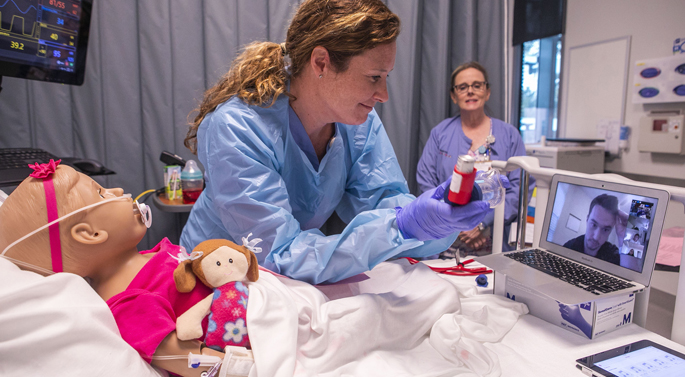
Key Highlights
- Emotional and Physical Strains: Nursing students often face significant emotional discomfort and physical challenges while performing bed baths.
- Technical and Implementation Gaps: There are notable issues with translating theoretical practice into effective, safe, and culturally sensitive procedures.
- Innovative Training Approaches: Simulation scenarios, targeted surveys, and observational studies help in overcoming these challenges to improve patient care.
Introduction
Bed bathing is an essential component of nursing care. It is a practice that ensures hygiene and comfort for patients who are unable to manage their personal cleanliness due to illness, injury, or immobility. However, for practical nursing students who are just embarking on their careers, bed bathing encompasses a range of challenges that span emotional, technical, physical, and logistical domains. This research study focuses on identifying these challenges and proposing effective strategies to support nursing students as they develop this crucial skill.
Background and Rationale
Bed bathing is more than a routine hygienic practice; it is an intimate care procedure that demands sensitivity towards patient dignity, comfort, and cultural nuances. Nursing students, during their pre-clinical training, are expected to learn and master the core competencies required to perform this task efficiently. Nonetheless, the transition from classroom knowledge to practical application in busy clinical environments often presents a multitude of challenges. The primary rationale behind this research is to bridge the gap between theoretical instruction and actual clinical practice, ensuring that future nurses are well-equipped to handle the complexities of patient care.
Key Challenges in Bed Bathing
Emotional Discomfort and Psychological Stress
One of the primary challenges faced by nursing students is the emotional burden associated with bed bathing. Several factors contribute to this emotional distress:
Exposure and Privacy Issues
Nursing students often experience significant anxiety when they are required to expose and touch intimate parts of a patient’s body. This discomfort can hinder their ability to perform bed baths empathetically and correctly. The fear of not maintaining patient dignity adds to the psychological pressure.
Pre-Clinical Inexperience
With limited exposure to real-life clinical scenarios, many students feel unprepared for the interpersonal aspect of patient care. The sensitive nature of personal hygiene procedures can exacerbate feelings of anxiety, making it imperative that educational interventions address these issues early in training.
Technical Skills and Implementation Difficulties
Mastering the technique of bed bathing requires a blend of theoretical knowledge and practical skills. However, several obstacles may impede this learning process:
Inadequate Practical Application
Although nursing curricula provide comprehensive instruction, there is often a disconnect between classroom techniques and their application in clinical settings. Educators note that procedures taught in academic institutions are not always fully implemented in clinical practice. This gap can result in nursing students developing a hesitancy to perform bed baths confidently.
Risk of Infection and Poor Technique
Proper hygiene is critical during a bed bath, not only for patient comfort but also for infection control. Nursing students may struggle with detailing each step adequately—ensuring comprehensive cleaning of different body sites, maintaining proper infection control, and preserving the integrity of the patient’s skin. Insufficient practice in this aspect can lead to procedural errors.
Physical Demands and Safety Concerns
Beyond the emotional and technical hurdles, bed bathing is physically demanding. The physical aspects that pose challenges include:
Musculoskeletal Risks
The repetitive motions and awkward postures often adopted during bed baths can lead to musculoskeletal strain. Nursing students, due to limited experience in safe patient handling techniques, are at an increased risk of sustaining injuries. This concern underlines the need for incorporating ergonomics and safe movement strategies within training protocols.
Time Constraints in Clinical Settings
In busy hospital wards, time management becomes crucial. Nursing students may have to complete bed baths rapidly, which can compromise the quality of care. Rushing through the procedure not only undermines the sanitation and thoroughness of the process but also increases the risk of patient discomfort and potential injury.
Cultural Sensitivity and Personal Preferences
Every patient brings with them unique cultural and personal preferences regarding hygiene and care. Nursing students must be prepared to manage these nuances in a respectful manner:
Respecting Privacy and Dignity
Patients from diverse cultural backgrounds may have specific protocols related to personal hygiene. Students must ensure that their approach respects these traditions. This often involves adapting the standard bed bathing procedure to accommodate varying levels of exposure and intimacy. Inadequate attention to these cultural specifics may lead to patient dissatisfaction and can hinder the development of trust.
Personal Health and Comfort
Some patients might have unique health conditions that require modifications to the standard bed bathing process. Understanding individual patient needs—whether it involves sensitivity to water temperature or the careful selection of cleaning materials—is crucial. Nursing students often need guidance in customizing their approach to strike a balance between efficient care and personal comfort.
Communication and Feedback
Establishing effective communication is vital during intimate care procedures. Nursing students are frequently challenged in:
Obtaining Consent and Explaining Procedures
The process of bed bathing involves explaining the procedure to the patient while ensuring their consent and cooperation. Students must find ways to communicate respectfully and clearly, especially when dealing with patients who may be apprehensive or have cognitive impairments. Inadequate communication can result in misunderstandings, leading to compromised care.
Receiving Constructive Criticism
Effective feedback is an essential component of the learning curve in clinical practice. However, not all students feel comfortable receiving or acting on feedback from instructors and peers. The fear of judgment or failure can diminish their confidence, making it more challenging to refine their techniques over time.
Research Methodology
The study on the challenges of bed bathing among practical nursing students adopts a multifaceted research approach that incorporates both qualitative and quantitative methods. Carefully designed to capture the depth and breadth of challenges, the methodology is divided into three primary components:
Surveys and Interviews
A comprehensive survey is deployed among nursing students to capture their perceptions and firsthand experiences with bed bathing. The questionnaire covers various aspects, including emotional discomfort, technical challenges, physical risks, and communication issues. Additionally, one-to-one interviews with both experienced nurses and students provide qualitative insights that help further elaborate on the difficulties encountered.
Observational Studies
Observational studies in clinical settings allow researchers to witness bed bathing procedures in real-time. This involves:
- Documenting how students interact with patients during bed baths.
- Assessing the practical application of hygiene protocols and patient handling techniques.
- Recording instances of non-compliance with established care standards.
The resulting data provide a clear picture of the gap between classroom training and actual patient care, highlighting areas where modifications or additional training may be required.
Literature and Retrospective Data Analysis
A thorough review of existing literature, including peer-reviewed journals, educational studies, and clinical reports, offers a robust backdrop to the research. Key points gathered from past studies include:
- The psychological impact of performing intimate care procedures.
- Implementation challenges and discrepancies between theory and practice.
- Physical safety concerns, including musculoskeletal risks and time impediments.
This literature review not only validates the challenges noted during empirical research but also provides recommendations for improved educational practices. The combination of surveys, direct observations, and literature data ensures that the study covers every facet of the bed bathing procedure.
Training Strategies and Educational Interventions
In light of the challenges identified, the study aims to propose targeted training strategies and interventions that enhance the clinical competencies of practical nursing students. These interventions include:
Simulation-Based Training
One of the most promising approaches is simulation-based training. This involves creating controlled environments that mimic real-life clinical settings. Within these simulation labs, students can:
- Practice bed bathing techniques using manikins and standardized patients.
- Work under realistic time constraints to enhance efficiency without compromising patient care.
- Receive immediate feedback from instructors, which is vital for rapid skill development.
Simulations not only help alleviate the anxiety students face in real ward situations but also offer a platform to refine both technical and communication skills.
Incorporating Ergonomic Training
To address the significant physical demands of bed bathing, ergonomic training is a crucial intervention. This involves:
- Teaching proper body mechanics and safe patient-handling techniques.
- Demonstrating methods to prevent musculoskeletal injuries throughout the procedure.
- Providing students with information on compatible tools and aids that minimize physical strain.
Providing this level of detailed training helps ensure that students not only deliver quality patient care but also protect their own health during clinical duties.
Cultural and Communication Sensitivity Training
Given the sensitive nature of bed bathing, teaching cultural competency is vital. Training modules that include role-playing and patient simulations can enhance students' ability to navigate personal boundaries and preferences. Key components of cultural and communication sensitivity training include:
- Strategies to obtain informed consent and explain procedures clearly.
- Approaches for addressing patient discomfort and varying cultural expectations.
- Guidance on building rapport, thereby helping students foster a trusting relationship with patients.
Such training not only improves the quality of care but also enhances the overall educational experience by preparing students for the complexities of real-world clinical practice.
Data Presentation and Analysis
To provide clarity on the various challenges and corresponding solutions, the study includes a detailed data table that summarizes key points of difficulty along with suggested interventions:
| Challenge | Description | Proposed Intervention |
|---|---|---|
| Emotional Discomfort | Anxiety over exposing patients and performing intimate tasks. | Simulation-based training and guided debriefing sessions. |
| Technical Skills Gap | Difficulty in translating theoretical knowledge to clinical practice. | Enhanced practical training modules and supervised clinical practice. |
| Musculoskeletal Strain | Physical demands and improper technique risk injury. | Ergonomic training and proper use of patient-handling equipment. |
| Time Constraints | Rushing the procedure can lead to compromised care. | Time management training and workflow simulation exercises. |
| Communication Challenges | Difficulty in obtaining consent and explaining procedures. | Role-play, cultural sensitivity training, and mentorship. |
Future Directions and Recommendations for Nursing Education
This research indicates that while the challenges of bed bathing are multifaceted, strategic educational interventions can significantly improve practical outcomes. It is recommended that nursing curricula incorporate the following elements to better prepare students:
- Enhanced Simulation Methodologies: Regular and varied simulation exercises focusing on bed bathing scenarios will help students build confidence and technical competence before entering the clinical environment.
- Integrated Ergonomic and Safety Training: Preventative measures and training on proper body positioning during patient care can reduce the risk of musculoskeletal injuries.
- Cultural Competence Modules: Tailoring training to include cultural norms and communication strategies can greatly improve patient-nurse interactions and reinforce ethical care practices.
- Feedback-Driven Improvements: Establishing robust feedback loops between instructors and students ensures that learning from practical experiences is continuous and reflective.
- Real-World Practice Integration: Encouraging partnerships between educational institutions and healthcare facilities allows new graduates to bridge the gap between theory and practice smoothly.
By incorporating these recommendations, educational institutions can play a pivotal role in shaping the future of patient-centric care. Nursing students, armed with practical skills and an empathetic understanding of patient needs, will be better prepared to address the complexities of bedside care.
References
- Bed Bath and Hygiene Care - Nurseslabs
-
Challenges in Bed Bathing - ScienceDirect
- Patient-Centric Bed Bathing - Nursing Times
-
Bed Bathing Challenges - NCBI
- Detailed Guide on Bed Bath - NursingNotes
Recommended
Last updated March 9, 2025