
Unveiling the Nuances of Bedroom Camera Footage: From Discreet Surveillance to Content Creation
Exploring the multifaceted world of bedroom cameras, including hidden devices, privacy implications, and legitimate recording applications.
Key Insights into Bedroom Camera Use
- Hidden Camera Technology: Modern hidden cameras for bedrooms are designed for discreet surveillance, often disguised as everyday objects and featuring high-resolution video, night vision, and motion detection.
- Legal and Ethical Considerations: Recording individuals in private spaces like bedrooms without consent is largely illegal and a severe invasion of privacy. Consent is paramount for any form of recording.
- Diverse Applications: Beyond security, bedroom cameras can be used for legitimate purposes such as monitoring children, home security, or even for creative content creation like live streams or musical recordings, provided all parties consent.
The term "video op cam bedroom" can encompass a wide range of meanings, from concerns about discreet surveillance to legitimate uses for recording in private spaces. This comprehensive overview delves into the technical aspects of hidden cameras, critical legal and ethical considerations, and various applications, ensuring a clear understanding of this complex topic.
The World of Discreet Bedroom Surveillance
Understanding Hidden Camera Technology and Its Implications
Hidden cameras, often referred to as "spy cameras" or "nanny cams," are designed to blend seamlessly into a bedroom environment, making them difficult to detect. These devices are typically small, portable, and can be disguised as common household items. Their primary purpose is often surveillance, whether for security, monitoring, or, in some illicit cases, for non-consensual recording.
Key Features of Modern Hidden Cameras
Modern hidden cameras come equipped with advanced features that enhance their discreet operation and recording capabilities:
- High-Resolution Video: Many models offer 1080p to 4K HD video, ensuring clear and detailed footage, even in varying light conditions. This high resolution is crucial for identifying subjects or capturing specific details.
- Night Vision: Essential for bedroom use, night vision capabilities allow cameras to record in complete darkness without emitting visible light. This is achieved through infrared (IR) technology.
- Motion Detection: This feature allows the camera to begin recording only when movement is detected, conserving battery life and storage space. It also alerts users to activity, making it a valuable security feature.
- Wi-Fi Connectivity and Remote Viewing: Most contemporary hidden cameras can connect to a home Wi-Fi network, enabling remote viewing of live feeds via a smartphone app from anywhere with an internet connection.
- Disguised Designs: To maintain discretion, these cameras are often built into everyday objects such as USB chargers, smoke detectors, alarm clocks, power banks, or even decorative items like flower pots.
- Battery Life and Power Options: While some models are battery-powered for portability, offering extended battery life (up to 100 days in some advanced models), others are designed to plug into standard outlets for continuous operation.
- Local Storage: Many hidden cameras include built-in DVRs or support microSD cards for local storage, allowing users to record footage without relying solely on cloud services.
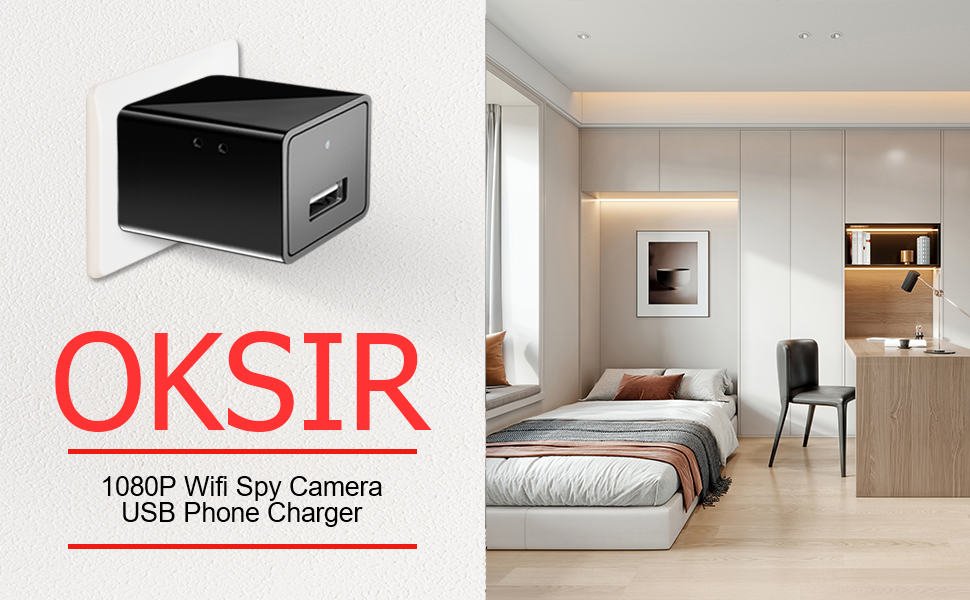 A common design for a hidden camera, disguised as a USB charger.
Navigating the Ethical and Legal Landscape of Bedroom Recordings
The Critical Importance of Consent and Privacy Rights
The use of cameras, particularly hidden ones, in private spaces like bedrooms raises significant legal and ethical concerns. An individual has a fundamental expectation of privacy in their bedroom. Recording or sharing videos of people without their explicit knowledge and permission in such intimate settings is illegal in most jurisdictions and constitutes a severe invasion of privacy.
Privacy and Legal Implications
- Non-Consensual Recording: Filming someone without their consent in a private space is often classified as voyeurism or illegal surveillance, carrying severe legal penalties, including fines and imprisonment.
- Jurisdictional Laws: Laws regarding consent for recording vary by location. "One-party consent" laws allow recording if at least one party in the conversation or interaction consents. However, "all-party consent" laws require everyone involved to agree to the recording. For video in a private setting like a bedroom, "all-party consent" is generally the expectation, and non-consensual recording is almost universally illegal.
- Data Security: Even with consent, storing and sharing video footage requires careful consideration of data security to prevent unauthorized access or misuse.
It is crucial for anyone considering using cameras in private spaces to be fully aware of and comply with all local, state, and national laws concerning privacy and surveillance. Ethical use dictates transparency and explicit consent from all individuals who might be recorded.
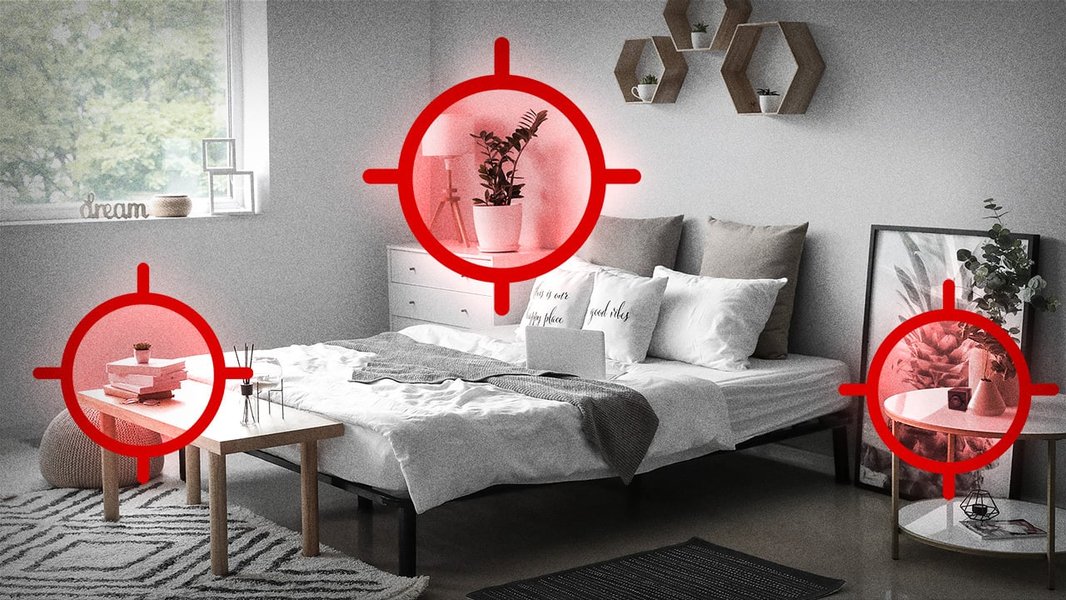 An individual using a flashlight to check for hidden cameras in a hotel room, highlighting the importance of privacy.
Diverse Applications of Bedroom Cameras: Beyond Surveillance
From Home Security to Creative Content and Monitoring Dependents
While hidden cameras are often associated with surveillance, cameras in bedrooms can serve various legitimate and beneficial purposes. These applications range from enhancing home security to creative pursuits and ensuring the well-being of family members, all while emphasizing the necessity of consent and ethical practices.
Legitimate Uses and Ethical Considerations
- Home Security and Monitoring:
- Deterring Theft: Visible or discreet cameras can act as a deterrent to potential intruders, and recorded footage can provide crucial evidence in case of a break-in.
- Monitoring Entry Points: Cameras can be strategically placed to monitor bedroom doors or windows, alerting homeowners to unauthorized access.
- Child and Dependent Monitoring (with Consent):
- Nanny Cams: When parents are away, cameras can help monitor the care of children by nannies or babysitters, providing peace of mind. This use requires transparent communication and consent from the caregiver.
- Elderly Care: Similarly, cameras can help monitor elderly family members, especially those requiring supervision, ensuring their safety and well-being. This must be done with the explicit consent of the elderly individual or their legal guardian.
- Content Creation and Streaming:
- Live Stream Setup: Many content creators, musicians, and influencers use their bedrooms as studios for live streams, video blogs, and musical performances. This requires proper lighting, sound equipment, and high-quality cameras.
- Tutorials and Vlogging: Bedrooms often serve as a convenient and private backdrop for creating educational tutorials, product reviews, or personal vlogs for platforms like YouTube, TikTok, or Instagram.
- Artistic and Musical Recordings: Artists often record demos or even full tracks in their bedrooms, using cameras to document their creative process or produce "live bedroom recording" videos for fans.
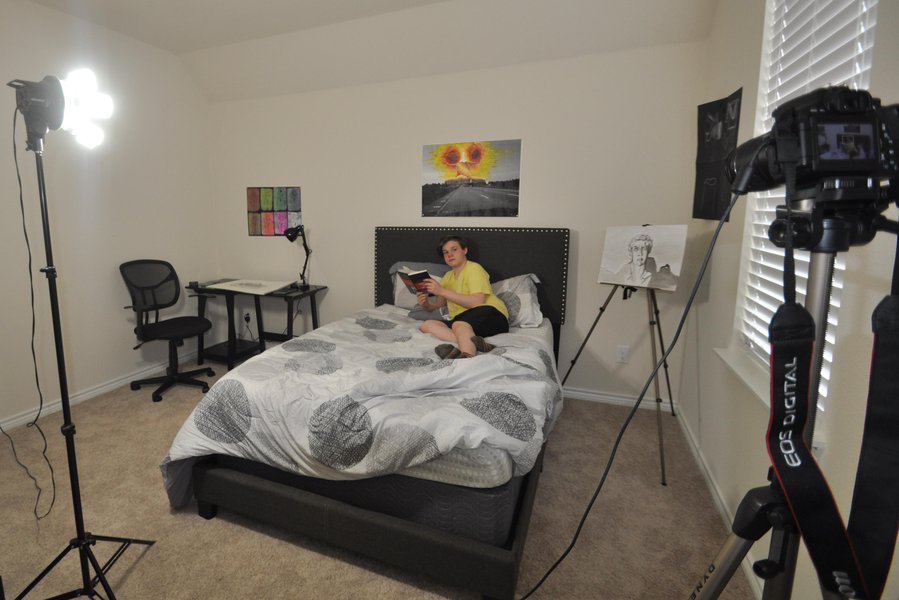 A bedroom transformed into a film set, illustrating the use of cameras for creative purposes.
The Technical Landscape of Recording Devices
Understanding the technical specifications of cameras used in bedrooms, whether for surveillance or content creation, is essential for optimal performance and ethical deployment. The following table summarizes key technical aspects:
| Feature | Description | Relevance for Bedroom Use |
|---|---|---|
| Resolution (1080p, 4K) | Measures the clarity and detail of video footage. 1080p (Full HD) is standard, while 4K offers superior detail. | Crucial for capturing clear facial features or intricate details, whether for security identification or high-quality content production. |
| Night Vision (IR) | Allows recording in low-light or no-light conditions using infrared illumination. | Essential for 24/7 monitoring in a bedroom without disturbing occupants or revealing the camera's presence. |
| Motion Detection | Camera begins recording only when movement is detected, saving storage and battery. | Ideal for surveillance, as it focuses on relevant events and avoids recording empty spaces, triggering alerts for activity. |
| Wi-Fi Connectivity | Enables wireless connection to a home network for remote viewing via smartphone apps. | Facilitates live monitoring and remote access to footage, allowing users to check in from anywhere. |
| Disguise/Form Factor | How the camera is physically designed to blend into its environment (e.g., clock, charger, smoke detector). | Crucial for discreet surveillance, making the camera virtually undetectable, or for seamlessly integrating into a home studio. |
| Field of View (Wide-Angle) | The extent of the area that the camera can capture. Wider angles cover more of a room. | Important for covering larger areas like a whole bedroom for security, or capturing a wide shot for content creation. |
| Audio Recording | Ability to capture sound along with video footage. | Adds a layer of information for surveillance (e.g., detecting voices or noises) or for recording dialogues and music in content creation. |
Comprehensive Analysis of Camera Capabilities
Evaluating Performance Across Diverse Scenarios
To provide a clearer understanding of how different camera features weigh in various applications, consider the following radar chart. It illustrates the perceived importance of several camera capabilities across different use cases: general home security, discreet bedroom surveillance, and professional content creation. Each spoke represents a specific camera feature, and the points on the web indicate its relevance on a scale, with higher values meaning greater importance.
Understanding Bedroom Camera Ecosystems
A Mindmap of Key Considerations and Relationships
The following mindmap visually organizes the various aspects involved in the discussion of bedroom cameras, including different types of usage, essential features, and the critical ethical and legal frameworks that govern their deployment. It highlights the interconnectedness of these elements.
Diving Deeper into Bedroom Recording for Content Creation
Insights from "HOW TO RECORD VIDEO IN BEDROOM"
Beyond surveillance, bedrooms often transform into personal studios for content creators. The YouTube video titled "HOW TO RECORD VIDEO IN BEDROOM - Lights Camera..." by Lights Camera Studio offers practical advice for setting up a functional recording space within a bedroom. This video is highly relevant as it directly addresses how to create high-quality video content in a bedroom setting, providing guidance on lighting, camera angles, and overall setup to achieve professional-looking results for various platforms like Instagram, YouTube, and TikTok.
The video provides actionable tips for maximizing a small bedroom space for filming. It covers crucial aspects such as optimizing natural light, using artificial lighting solutions effectively, choosing appropriate camera equipment (even smartphone cameras), and positioning for optimal framing. This perspective is vital for individuals who want to leverage their bedroom as a creative hub for vlogging, live streaming, or producing other digital media, offering a stark contrast to the discreet nature of hidden cameras.
Frequently Asked Questions (FAQ)
What are the primary reasons people use cameras in bedrooms?
Is it legal to use hidden cameras in a bedroom?
What features should I look for in a hidden camera for security?
Can I use a regular camera to record videos in my bedroom for social media?
What are the ethical considerations when using cameras in private spaces?
Conclusion
The discussion surrounding "video op cam bedroom" reveals a complex intersection of technology, privacy, and personal use. Whether referring to discreet surveillance devices or setups for creative content, the core principles of legality and ethics remain paramount. While hidden cameras offer advanced features for security and monitoring, their deployment in private spaces mandates explicit consent from all individuals involved to uphold privacy rights and avoid severe legal repercussions. Conversely, using cameras for legitimate purposes like content creation or monitoring dependents requires transparent communication and adherence to ethical guidelines. Understanding these diverse applications, coupled with a strong emphasis on consent and legal compliance, ensures that camera technology is used responsibly and effectively in any bedroom setting.
Recommended Searches
- Explore the best hidden cameras for general home security applications.
- Understand the legal ramifications of recording individuals in private spaces without consent.
- Learn how to set up a bedroom for high-quality video recording for YouTube and other platforms.
- Delve into individual privacy rights concerning surveillance in private residences.
Referenced Search Results
 amazon.com
 pexels.com
amazon.com
amazon.com
pexels.com
amazon.com
amazon.com