
Understanding Iron Content in Beef
A detailed look at the variations and significance of iron in 100g of beef
Key Highlights
- Variability in Iron Content: Depending on the cut and preparation, beef generally contains about 2.65 mg to 3.5 mg of iron per 100g.
- Heme Iron Benefits: Beef is a rich source of heme iron, which is absorbed more effectively compared to non-heme iron from plant sources.
- Dietary Considerations: Including beef in your diet can help prevent iron deficiency, particularly when paired with vitamin C-rich foods for improved absorption.
Overview of Iron in Beef
Beef is widely recognized as a significant source of dietary iron due to its content of heme iron—a form of iron that exhibits high bioavailability in the human body. When discussing the iron content in 100 grams of beef, the values are typically reported to lie between approximately 2.65 mg and 3.5 mg. The range in these figures is influenced by factors such as the specific cut of beef, the method of preparation, and even the nutritional history of the animal.
Understanding Heme Iron
Heme iron is distinct from non-heme iron, which is primarily found in plant-based foods. The key advantages of heme iron include:
- Enhanced Absorption: The human body absorbs heme iron at a much higher rate—approximately 25% to 30%—compared to non-heme iron.
- Dietary Synergy: Consumption of beef not only supplies iron but also improves the absorption of non-heme iron when consumed with plant-based foods, a phenomenon often referred to as the "meat factor."
Iron Content by Beef Cut
Different cuts of beef vary in nutritional composition, including the amount of iron. Below is an analysis of the iron content based on common beef cuts:
Typical Iron Values
Across general beef cuts, the average iron content is reported to be around 3.5 mg per 100g. Variability is noted depending on the cut:
- General Lean Cuts: Many lean cuts provide between 2.7 mg to 3.5 mg of iron per 100g.
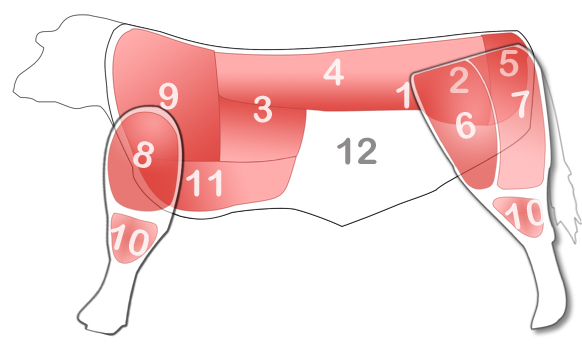
- Beef Steak Variants: Cuts such as ribeye or top sirloin typically range between approximately 1.6 mg to 3.6 mg per 100g. For example, rib cuts may offer closer to 3.6 mg, while other variants might be lower.
- Organ Meats: Beef liver is notably higher in iron, with approximately 6.5 mg per 100g, making it one of the richest sources of dietary iron.
Specialty Cuts and Products
Some specialty beef products, such as processed meats like cured luncheon meats or beef jerky, show slight variations in their iron content due to their specific processing methods. However, these differences generally remain close to the standard values found in lean cuts.
Factors Influencing Iron Content and Absorption
Cut and Preparation
The iron content in beef is not uniform across all its forms due to several influencing factors:
- The Specific Cut: Tougher cuts or those with a higher fat content might have slightly different iron measurements. For example, raw ground beef might be lower in iron compared to leaner, more refined cuts.
- Processing Techniques: Cooking methods, whether grilling, boiling, or frying, can affect both the measured iron content and its bioavailability. Cooking can sometimes decrease moisture content, modifying the concentration of iron.
- Animal Diet and Breed: The diet and breed of the cattle can contribute to the nutritional composition of the beef, leading to variations in the mineral content.
Dietary Synergy with Other Nutrients
Iron absorption is not solely dependent on the iron source but also on the presence of enhancing or inhibiting compounds:
- Vitamin C Interaction: Consuming vitamin C-rich foods (such as citrus fruits, tomatoes, or bell peppers) alongside beef can significantly enhance the absorption of iron.
- Meat Factor: Beef can promote the absorption of non-heme iron from other foods, thereby contributing to a well-rounded approach in preventing iron deficiency.
- Balanced Diet: Integrating both animal-based and plant-based sources of iron ensures that the body receives a steady supply of both heme and non-heme iron, benefiting overall health.
Physiological Importance of Iron
Iron plays a crucial role in the human body, contributing to several vital functions such as:
- Oxygen Transport: Iron is a core component of hemoglobin, the protein in red blood cells that carries oxygen from the lungs to the rest of the body. Adequate iron levels ensure that tissues receive sufficient oxygen.
- Energy Metabolism: Iron helps in the production of energy at the cellular level, essential for maintaining muscle and neurological functions.
- Immune Function: Proper iron levels support the immune system, helping the body to fight infections and other illnesses.
- Cognitive Function: Iron is involved in the development and functioning of the brain; deficiencies can lead to fatigue and impaired cognitive performance.
Detailed Nutritional Comparison Table
The following table summarizes nutritional differences among various beef cuts, highlighting their iron content alongside other notable nutritional benefits:
| Beef Cut | Approx. Iron (mg/100g) | Special Characteristics |
|---|---|---|
| General Lean Beef | 2.7 - 3.5 | Balanced nutrient profile, good for overall diet |
| Beef Steak (Rib/Top Sirloin) | 1.6 - 3.6 | Varies by cut, often paired with vitamin C foods |
| Raw Ground Beef | 1.8 | Common in many recipes; quality varies with fat content |
| Beef Liver | 6.5 | Exceptionally high in iron and other micronutrients |
| Processed Beef Products | Approximately 3.0 | May contain additional seasonings or curing agents |
Nutritional Recommendations and Considerations
Role of Beef in a Balanced Diet
Including beef in your diet can be a strategic choice to ensure adequate iron intake, particularly for populations vulnerable to iron deficiency such as women of reproductive age, growing children, and individuals with certain medical conditions. Furthermore, the heme iron in beef is typically more effectively absorbed than iron from plant sources. To maximize this benefit, it is advisable that meals incorporating beef also include components that are high in vitamin C.
Combining Nutrients for Optimal Absorption
Research indicates that combining heme and non-heme iron sources can have a synergistic effect on overall iron absorption. While beef supplies readily absorbable iron, non-heme iron from vegetables and legumes benefits from the presence of vitamin C. A well-designed meal that includes both could be a powerful strategy to maintain effective iron levels.
Practical Dietary Tips
- Meal Planning: Incorporate lean beef in balanced recipes such as salads, stews, or stir-fries where a variety of vegetables rich in vitamin C can be included.
- Diverse Protein Sources: For optimal health, include a mix of protein sources in the diet to ensure a wide range of nutrients are ingested.
- Monitoring and Moderation: While beef is a great source of iron, it is essential to consider overall dietary balance. Moderation and diversity in food consumption are key principles of a healthy diet.
Additional Insights on Iron Content in Beef
Scientific Context
Scientific studies have consistently highlighted the high bioavailability of iron from beef, which serves as an essential factor for maintaining proper iron levels in the bloodstream. The high absorption rate of heme iron means that even moderate servings of beef can make significant contributions towards meeting the daily iron requirements.
Population-Specific Considerations
The dietary iron requirement typically differs among various population groups:
- Women: Particularly during menstruation, women may require higher levels of iron. Including beef as part of a balanced diet can help combat and prevent iron deficiency anemia.
- Men and Older Adults: Although the needs are typically lower than for women, ensuring an adequate intake can still play a role in overall health and energy metabolism.
- Athletes: Individuals with higher physical demands may benefit from the constant supply of readily available iron to sustain energy levels and enhance physical performance.
Culinary Perspectives
From a culinary perspective, understanding the nutrient composition of beef can also influence cooking decisions. Chefs and home cooks alike can choose specific cuts based on their nutrient profiles to create meals that are both delicious and nutritious. The use of beef liver, for instance, can be an excellent strategy to increase iron intake in those needing it, though its taste and texture may require creative culinary techniques.
References
- Beef Nutrition Facts - Healthline
- Foods High in Iron - WebMD
- Iron Fact Sheet - Nutrition Australia
- Nutritional Qualities of Beef - BeefResearch.ca
- Food Sources of Iron - Dietary Guidelines
- Iron in Beef - Diet and Fitness Today
- Iron in Beef Steak - The Kitchen Today
-
Iron in Lean Beef - Daily Iron
- Iron Nutritional Information - Nutritionix
-
Food Sources of Iron - Nutrition.gov
Recommended Related Queries
Last updated March 1, 2025