
Behavioral Finance in Schools
Empowering young minds for smarter financial decisions
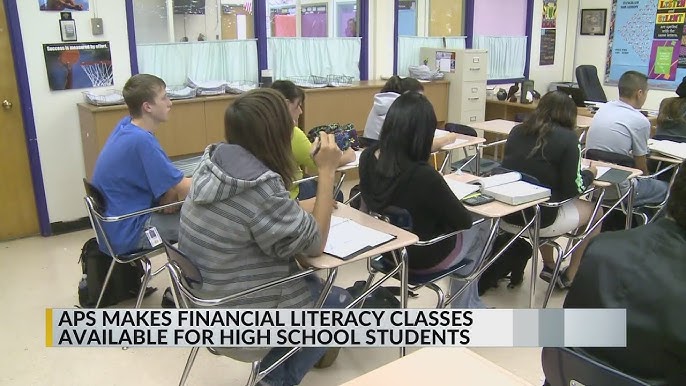
Key Highlights
- Early Financial Socialization: Introducing behavioral finance early nurtures sound financial habits.
- Enhanced Decision-Making: Understanding cognitive biases aids in making rational financial choices.
- Practical Financial Literacy: Integrating real-life scenarios bridges theory with everyday financial management.
Introduction to Behavioral Finance
Behavioral finance is a specialized field combining principles of psychology and finance to understand how individuals make financial decisions. Unlike traditional models that assume rational behavior, behavioral finance acknowledges that emotions, cognitive biases, and social influences often drive our financial choices. Teaching these principles at the school level equips students with a practical toolkit to navigate complex financial landscapes. Early exposure to these ideas can foster a generation of financially resilient and informed citizens.
Rationale for Including Behavioral Finance in School Curricula
Understanding Psychological Biases
One of the core objectives of introducing behavioral finance in schools is to help students recognize and understand psychological biases that influence financial decisions. Biases such as overconfidence, loss aversion, herd mentality, and framing effects often lead to irrational financial behaviors. Educating students about these biases is critical not only for personal finance management but also for cultivating critical thinking skills that extend into other areas of life.
Identifying Cognitive Biases
Students learn to identify tendencies like overconfidence, where excessive self-assurance might lead to risky investments, or loss aversion, where the fear of losses may prevent individuals from taking beneficial risks. By understanding these phenomena, learners can develop strategies to mitigate them in their decision-making processes.
Promoting Financial Literacy and Critical Thinking
Financial literacy encompasses more than just mathematical skills; it involves understanding the underlying psychological aspects that can influence spending, saving, and investing decisions. Behavioral finance enhances traditional economic education by emphasizing the emotional and psychological dimensions of financial decisions, ultimately promoting critical thinking.
Students exposed to these concepts tend to exhibit improved financial habits, better risk management, and enhanced planning skills. Integrating these lessons in early education can have lasting long-term benefits, such as improved credit behaviors, increased savings, and a more robust understanding of market dynamics.
Preparation for Real-life Financial Scenarios
Financial decisions impact every aspect of adult life, from managing personal budgets to planning for retirement. Incorporating behavioral finance in the curriculum prepares students for real-life challenges by bridging theoretical concepts with practical applications. For example, understanding diversification, risk management, and the importance of long-term investing can empower students to make sound investments in the future.
Moreover, by engaging with real-world case studies and interactive simulations, learners can develop the ability to critically analyze market trends and apply behavioral insights in practical contexts such as managing student loans, budgeting household expenses, or even entrepreneurial ventures.
Challenges and Considerations
Abstract Nature of Financial Concepts
One of the challenges in implementing behavioral finance in school curricula is the abstract nature of many financial concepts. In today’s age of digital transactions and virtual currencies, money can appear disconnected from physical reality, making it more challenging for young learners to grasp. Instructors must design curricula that translate these abstract principles into tangible lessons through practical activities and relatable scenarios.
Effectiveness of Education Programs
While there is significant promise in teaching behavioral finance, there are concerns about whether current financial education programs consistently lead to enduring behavioral changes. Studies have shown mixed results regarding the long-term effectiveness of traditional financial literacy programs. This insight calls for innovative teaching methods that not only present theoretical knowledge but also incorporate interactive and experiential learning modules to ensure that the lessons have a lasting impact.
Integration with Practical Experiences
For behavioral finance education to be truly effective, it must extend beyond classroom lectures. Schools should integrate practical experiences, such as simulations of financial markets, budgeting exercises, and problem-solving workshops, where students can apply the concepts learned. By doing so, learners not only understand the theory behind financial decision-making but also gain hands-on experience that better prepares them for future financial challenges.
Educational Approaches and Curriculum Design
Curriculum Framework
Designing an effective curriculum for behavioral finance requires a multi-disciplinary approach that combines elements of psychology, economics, and practical finance. The curriculum should be structured to gradually introduce complex concepts, starting with basic financial literacy and moving towards deeper explorations of behavioral dynamics.
Module 1: Foundations of Financial Literacy
This introductory module could cover essential topics such as budgeting, saving, and investing. It should lay the groundwork for understanding finance from a quantitative perspective while also highlighting the importance of behavioral factors.
Module 2: Psychological Foundations
In this module, students are introduced to cognitive biases and psychological insights that affect financial decisions. Topics like overconfidence, risk perception, and emotional influences can be explored through case studies and interactive exercises.
Module 3: Application to Real-World Scenarios
The final module should focus on applying accumulated knowledge to real-life financial issues. This could include personal finance management workshops, investment simulations, and discussions on current financial trends. Integrating technology, such as digital simulation tools, can enrich the learning process and offer practical experience.
Role of Educators and Financial Professionals
Educators, along with financial professionals, play a vital role in delivering an engaging curriculum that integrates behavioral finance topics effectively. Training teachers to grasp both the theoretical and practical aspects of financial decision-making is crucial. Financial professionals, such as advisors, can serve as guest speakers or mentors, offering real-world insights and reinforcing the practical applicability of the concepts taught.
Comparative Overview Table
The table below provides a consolidated overview of different facets of behavioral finance education, highlighting key themes, opportunities, and challenges.
| Aspect | Description | Benefits | Challenges |
|---|---|---|---|
| Understanding Biases | Study of cognitive biases like overconfidence, loss aversion, and herd behavior. | Improved decision-making and self-awareness. | Complexity in explaining abstract psychological concepts. |
| Financial Literacy | Comprehensive financial education that includes budgeting, saving, investing, and risk management. | Empowers students to manage finances responsibly. | Ensuring long-term retention of practical skills. |
| Practical Application | Use of simulations, real-life scenarios, and interactive modules. | Bridges theory with real-world applications. | Requires additional resources and technology integration. |
| Critical Thinking | Encouraging analytical and reflective learning about personal financial habits. | Fosters better problem-solving and decision-making skills. | Demands curriculum adjustments and teacher training. |
| Enhanced Real-life Preparedness | Preparing students for real-world financial scenarios through hands-on activities. | Reduces financial mistakes in adulthood. | Balancing theory with practical engagements. |
Broader Implications for Society
Integrating behavioral finance into school curricula may yield substantial benefits beyond individual financial well-being. With a more financially literate population, society as a whole could experience:
- Economic Stability: An informed citizenry is better equipped to make wise financial decisions that contribute to market stability and reduce susceptibility to economic bubbles.
- Enhanced Public Policy: Improved financial literacy can inform public discussions and policy-making, potentially leading to more effective financial regulations and consumer protection measures.
- Reduced Financial Inequality: Early education on financial management has the potential to narrow the gap between those who manage finances effectively and those who face recurring financial challenges.
- Innovation in Financial Education: As financial education becomes a more integrated part of the school system, innovative teaching methods and curricular frameworks are likely to flourish, further enhancing the overall quality of education.
References
- Why Financial Professionals Should Learn Behavioral Finance - Kaplan Financial
- The Case for Improving Personal Finance Education in Schools - MoneyFit
- Understanding Behavioral Finance: A Comprehensive Guide - William & Mary
-
Behavioral Finance Research - ScienceDirect
- Personal Finance Education Impact - ERIC
Recommended Queries for Further Exploration
Last updated March 16, 2025