
Decoding On-Site Technical Service Costs in Belgium: A B2B Expert's Guide to Invoicing Packaging Machine and Electronics Repairs
Your essential roadmap to understanding invoicing practices, hourly rates, and the financial drivers shaping technical service charges in Belgium.
For businesses relying on the seamless operation of packaging machinery and electronic systems, understanding the costs associated with on-site technical repairs in Belgium is paramount. This report offers an in-depth analysis of how these service costs are structured and invoiced, providing clarity on typical hourly rates and the multifaceted financial factors that influence final pricing. As Belgium transitions towards new digital invoicing standards, staying informed is key to effective budgeting and vendor management.
Highlights: Key Insights into Belgian Technical Service Invoicing
- Mandatory E-Invoicing on the Horizon: From January 1, 2026, Belgium will enforce structured electronic invoicing (e-invoicing) for all B2B transactions via the Peppol network. Businesses must be capable of receiving e-invoices as early as January 2025, marking a significant shift in billing processes.
- Hourly Rates Driven by Expertise and Urgency: On-site technical service hourly rates typically range from €60 to €150. This variation depends heavily on the technician's specific skills, the complexity of the repair (packaging machinery vs. intricate electronics), the urgency of the service, and geographical location.
- A Multi-Layered Cost Structure: The final invoice for technical services is a composite of several elements. Beyond direct labor, costs include travel expenses, parts and materials (often with a markup), the use of specialized diagnostic equipment, administrative overheads, and the standard Belgian VAT rate of 21%.
The Evolving Landscape of Invoicing in Belgium
Belgium's invoicing practices for technical services are undergoing a significant transformation, primarily driven by digitalization and regulatory updates. Understanding these changes is crucial for both service providers and their clients.
The Impending Shift to Mandatory E-Invoicing
The most impactful change is the move towards compulsory electronic invoicing for B2B transactions. This initiative aims to streamline administrative processes, combat VAT fraud, and align with broader European Union directives.
Key Aspects of E-Invoicing Implementation:
- Timeline and Scope: Structured e-invoicing becomes mandatory for all B2B transactions between Belgian VAT-liable businesses from January 1, 2026. Importantly, businesses must be equipped to receive electronic invoices starting from January 2025.
- Technical Standards: Invoices must be in a structured, machine-readable format, compliant with the European Norm (EN) 16931. The Peppol BIS 3.0 format is designated as the standard, typically exchanged via the Peppol (Pan-European Public Procurement Online) network. A simple PDF invoice will no longer suffice as legally compliant for these transactions.
- Support Mechanisms: To facilitate the transition, particularly for businesses lacking extensive IT resources, the Belgian government offers platforms like "Hermes." However, the adoption of commercial Peppol-certified service providers is encouraged.
- Impact on Foreign Companies: Foreign businesses with a permanent establishment in Belgium will also be subject to these e-invoicing requirements for transactions falling under the Belgian VAT Code.
- B2G E-Invoicing: For Business-to-Government transactions, mandatory e-invoicing for public contracts has already been introduced in phases, depending on contract value.
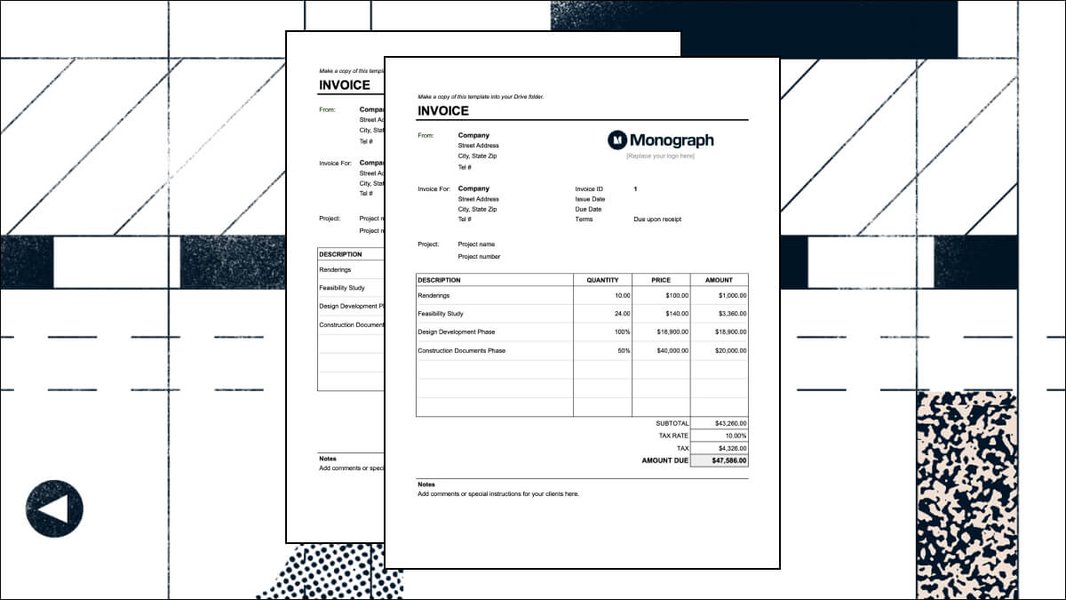
Illustrative example of an invoice structure, soon to be digitized via e-invoicing platforms.
Prevailing Invoicing Models
While e-invoicing standardizes the format, the underlying billing models for technical services generally remain consistent:
- Time and Materials (T&M): This is the most common model for on-site repairs of packaging machines and electronics, given the often unpredictable nature of the work. Clients are billed for the actual hours of labor plus the cost of any parts and materials used.
- Fixed/Flat Fee: Occasionally used for highly standardized and predictable repair tasks or as part of routine maintenance contracts.
- Service Level Agreements (SLAs): Common for ongoing support, SLAs often stipulate pre-defined fees, response times, and may include penalties or bonuses based on performance metrics like equipment uptime.
Essential Components of a Service Invoice
Regardless of the model, a compliant and transparent service invoice in Belgium will typically detail:
- Service provider and client information (including VAT numbers).
- Invoice date and unique invoice number.
- Clear description of services rendered (e.g., "On-site repair of XYZ packaging machine").
- Date and location of service.
- Breakdown of charges:
- Labor: Number of hours and the applicable hourly rate.
- Parts and Materials: Itemized list with costs.
- Travel Costs: If billed separately (mileage, travel time).
- Special Equipment Usage Fees: If applicable.
- Emergency Call-Out Surcharges: If relevant.
- Subtotal of charges.
- Value Added Tax (VAT): The standard VAT rate of 21% applied to the services.
- Total amount due.
- Payment terms.
Unpacking Hourly Rates for Technical Specialists
The hourly rate charged for on-site technical services is a critical component of the overall cost. These rates are not arbitrary but reflect a combination of market conditions, technician expertise, and service characteristics.
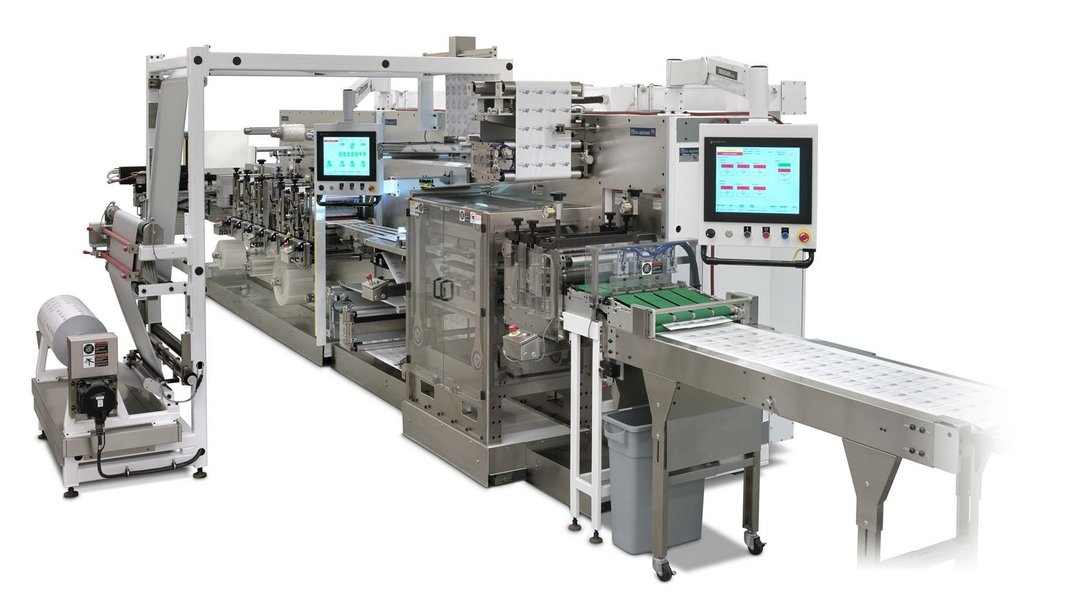
Specialized technicians are essential for maintaining complex packaging machinery.
Typical Hourly Rate Ranges
While exact figures can vary by provider and specific circumstances, general market observations in Belgium indicate the following typical billing rates charged to clients:
- Packaging Machine Technicians: Generally between €60 and €100 per hour. For highly specialized machinery, complex repairs, or emergency interventions, rates can climb to €130 per hour or more.
- Electronics Repair Technicians/Engineers: Typically in the range of €70 to €120 per hour. Services requiring advanced diagnostic skills, intricate component-level repair, or expertise in niche electronic systems may command rates at the higher end, potentially reaching up to €150 per hour.
It's important to distinguish these client billing rates from the technician's direct salary. The invoiced rate incorporates the technician's wage plus employer contributions, overheads, equipment costs, travel time considerations, and a profit margin for the service company.
Key Factors Influencing Hourly Rates
Technician's Experience and Qualifications
Highly experienced technicians with specialized certifications (e.g., specific manufacturer training, certifications like IPC 610A for electronics assembly quality) command higher rates. Education level (e.g., Bachelor's vs. Master's degree in engineering) also plays a role.
Complexity and Specialization of Repair
Repairs on sophisticated, high-tech packaging lines or complex electronic control systems naturally incur higher rates than simpler, more routine fixes due to the advanced skills and knowledge required.
Urgency and Response Time
Emergency call-outs, after-hours service, or requests requiring immediate response often come with a surcharge, potentially increasing the standard hourly rate by 20% to 50%. This compensates for the disruption to scheduled work and potential overtime.
Geographical Location
Service rates can be higher in major urban centers like Brussels and in the Flanders region compared to more rural areas, reflecting differences in the cost of living and operating businesses.
Contractual Agreements
Businesses with ongoing service contracts or Service Level Agreements (SLAs) may benefit from preferential or discounted hourly rates in exchange for a guaranteed volume of work or long-term commitment.
Minimum Call-Out Fees
Many service providers implement a minimum call-out fee (e.g., €100 - €200) to cover the basic cost of dispatching a technician, regardless of the repair duration. This is especially common for on-site visits.
The Anatomy of Service Costs: Key Financial Drivers
The final price a business pays for on-site technical service is an aggregation of various direct and indirect costs. Understanding these components provides a clearer picture of the value received.
Direct Labor Costs
This is often the most significant cost component. It includes:
- Salaries and Wages: The gross earnings of the field service engineers and technicians. Average annual salaries for Field Service Engineers in Belgium can range from approximately €42,000 to over €73,000, depending on experience.
- Employer Contributions: Belgian employers pay substantial social security contributions (often 30-35% or more of the gross salary), plus costs for insurance and other employee benefits.
- Training and Certification: Ongoing investment in training to keep technicians updated on new technologies, specific machinery, and safety standards.
Travel and Transportation Expenses
For on-site services, travel is an unavoidable cost:
- Mileage or Fixed Trip Fees: Companies may charge per kilometer traveled (e.g., €0.35 - €0.50/km) or a flat fee per service call (e.g., €50 - €150), depending on distance and policy.
- Travel Time: Some companies bill for the technician's travel time, often at the standard or a reduced hourly rate.
- Accommodation and Per Diems: For lengthy repairs or remote locations requiring overnight stays, these costs are typically passed on to the client.
Parts and Materials
- Cost of Components: The actual purchase price of any replacement parts, components, or consumables (lubricants, cleaning agents) used during the repair.
- Markup: Service providers typically add a markup to the cost of parts, commonly ranging from 15% to 30%, to cover sourcing, handling, and inventory costs.
Equipment and Tool Usage
- Specialized Diagnostic Tools: The use of sophisticated diagnostic equipment, calibration tools, or specialized repair apparatus can incur separate fees or be factored into the hourly rate.
- Amortization and Maintenance: The cost of purchasing, maintaining, calibrating, and amortizing these tools contributes to the overall service pricing, sometimes representing an additional 5-15% on top of labor costs.
Overhead Costs
These are the indirect costs of running the service business, allocated across all jobs:
- Administrative and Office Expenses: Rent, utilities, administrative staff salaries, IT infrastructure, software licenses.
- Insurance: Liability insurance and other business insurances.
- Marketing and Sales: Costs associated with acquiring customers.
VAT and Taxation
- Value Added Tax (VAT): Technical repair services in Belgium are subject to the standard VAT rate of 21%. This is added to the net cost of the service on the final invoice.
- Tax Support for E-Invoicing: The Belgian government is offering tax incentives to support the transition to e-invoicing, such as increased investment allowances for digital investments (e.g., up to 20% for digital tools from 2025) and increased expense deductions for invoicing software subscriptions (e.g., 120% deduction for certain periods like 2024-2027).
Market Dynamics and Other Influences
- Market Demand and Competition: High demand for skilled technicians, particularly in growing sectors like high-tech packaging (pharma, food) and advanced electronics, can drive rates up. The level of competition among service providers also influences pricing strategies.
- Supply Chain Issues: Disruptions in the supply chain for spare parts can lead to delays and increased costs.
- Warranty and Guarantees: If the repair service includes a warranty, the potential cost of future follow-up visits or part replacements under warranty is factored into the initial pricing.
- Compliance Costs: Adhering to industry standards (e.g., quality assurance like ISO 9001, technical standards like IPC 610A Class II for electronics) and regulatory mandates (like e-invoicing) requires investment, which can indirectly affect service costs.
- Economic Factors: Inflation, labor market shortages, and general economic conditions can influence both operational costs for service providers and the pricing sensitivity of clients.
Visualizing Cost Components: Relative Impact
To better understand how different financial factors contribute to the final invoice price for on-site technical services, the following radar chart illustrates their relative impact across different service scenarios. The values are indicative and serve to show proportional differences rather than absolute monetary amounts.
This chart demonstrates that while labor consistently forms a major part of the cost, the impact of factors like parts, specialized equipment, and urgency premiums can vary significantly depending on the nature of the service call. VAT remains a constant percentage applied to the subtotal.
Mapping the Service Cost Ecosystem
The various elements influencing on-site technical service costs in Belgium are interconnected. The mindmap below provides a visual overview of this ecosystem, from overarching regulatory changes to specific cost drivers and pricing factors.
Invoicing in Belgium"] inv["Invoicing Practices"] einv["Mandatory E-Invoicing
(Jan 1, 2026 via Peppol)"] mod["Common Billing Models
(Time & Materials Dominant,
Fixed Fee, SLAs)"] comp["Essential Invoice Components
(Detailed Labor, Parts, Travel, VAT)"] hr["Hourly Rates (€60-€150+)"] range["Typical Ranges by Specialization
(Packaging vs. Electronics)"] infl["Influencing Factors
(Expertise, Complexity, Urgency,
Location, Contract Type)"] minfee["Minimum Call-Out Fees"] cf["Core Cost Factors"] lab["Labor Costs
(Salaries, Social Security,
Training, Certifications)"] trav["Travel & Transportation
(Mileage/Trip Fees, Travel Time,
Accommodation if applicable)"] part["Parts & Materials
(Acquisition Cost + Markup 15-30%)"] equip["Equipment & Tool Usage
(Specialized Diagnostics, Amortization,
Calibration, 5-15% of labor)"] over["Business Overheads
(Administrative, Office, Utilities,
Insurance, Marketing)"] reg["Regulatory & Market Context"] vat["Standard VAT Rate @ 21%"] einreg["E-Invoicing Standards
(EN 16931, Peppol BIS 3.0)"] supp["Tax Support Measures
(Investment Allowances for Digital Tools)"] mkt["Market Dynamics
(Demand, Competition, Supply Chain,
Economic Factors, Warranties)"]
This mindmap illustrates how regulatory mandates like e-invoicing, the specifics of hourly rate determination, and the array of direct and indirect cost factors all converge to shape the final invoice for technical services in Belgium.
Illustrative Breakdown of Service Charges
To provide a practical perspective, the following table outlines common cost elements and their typical approximate charges or impact on the final invoice for on-site technical services in Belgium. These are indicative and can vary based on the service provider and specific circumstances.
| Cost Element | Description | Typical Charge / Impact (EUR) |
|---|---|---|
| Standard Labor Rate (per hour) | Technician's time on-site during regular hours. | €60 - €120 |
| Emergency/After-Hours Labor Surcharge (on hourly rate) | Premium for urgent or out-of-hours service. | +20% - 50% |
| Travel Fee (per km) | Cost per kilometer for technician travel. | €0.35 - €0.50 |
| Travel Fee (fixed per trip) | Alternative to per km, a flat rate for the visit. | €50 - €150 |
| Minimum Call-Out Fee | Base charge for dispatching a technician. | €100 - €200 |
| Parts & Materials | Cost of components used. | Actual Cost + 15%-30% Markup |
| Specialized Equipment Usage | Fee for use of advanced diagnostic or repair tools. | Variable, or 5-15% surcharge on labor |
| Value Added Tax (VAT) | Standard tax applied to total net service cost. | 21% |
This table highlights the multiple layers of costs that contribute to the total service charge, emphasizing the need for clear and itemized invoicing from service providers.
Navigating the Transition to E-Invoicing
The upcoming mandate for B2B e-invoicing in Belgium represents a significant operational shift. Businesses, both service providers and their clients, need to prepare for this transition. Understanding the Peppol network and the requirements of structured electronic invoices is crucial.
The following video provides an overview of the mandatory B2B e-invoicing in Belgium, which can help businesses understand the context and implications:
Key considerations for businesses include:
- Assessing Current Systems: Evaluating existing accounting and invoicing software for compatibility with e-invoicing standards (Peppol BIS 3.0, EN 16931).
- Choosing a Solution: Deciding whether to upgrade internal systems, use a government-provided platform like Hermes (if eligible and suitable for long-term needs), or engage a certified Peppol service provider.
- Training Staff: Ensuring finance and administrative teams understand the new processes for sending, receiving, and processing e-invoices.
- Communicating with Partners: Discussing the transition with suppliers and customers to ensure smooth adoption across the business network.
- Leveraging Support: Exploring available tax incentives and support measures offered by the Belgian government to mitigate the costs of adoption.
Early preparation will be key to a seamless transition and to harnessing the potential benefits of e-invoicing, such as reduced administrative burden, faster payment cycles, and improved data accuracy.
Frequently Asked Questions (FAQ)
When does mandatory e-invoicing start in Belgium for B2B technical services?
Mandatory structured electronic invoicing for all B2B transactions between Belgian VAT-liable businesses, including technical services, will commence on January 1, 2026. Businesses must also be capable of receiving e-invoices from January 2025.
What is the standard VAT rate for technical repair services in Belgium?
The standard Value Added Tax (VAT) rate applicable to most technical repair services for packaging machines and electronics in Belgium is 21%. This tax is added to the net cost of the service on the invoice.
How much can I expect to pay per hour for an on-site packaging machine technician in Belgium?
Typical hourly billing rates for on-site packaging machine technicians in Belgium generally range from €60 to €100. This can increase to €130 or more for highly specialized work or emergency call-outs. Rates for electronics technicians can be slightly higher, often between €70 and €120, potentially reaching €150 for complex issues.
Are travel costs usually included in the hourly rate for on-site repairs?
Travel costs are typically not included in the standard hourly labor rate. They are often billed separately, either as a per-kilometer charge (e.g., €0.35-€0.50/km), a fixed trip fee (e.g., €50-€150), or sometimes the technician's travel time is billed. It's important to clarify this with the service provider beforehand.
What is Peppol and why is it important for invoicing in Belgium?
Peppol (Pan-European Public Procurement Online) is a secure international network that enables businesses to exchange electronic documents, including e-invoices, with other registered entities. It's important for invoicing in Belgium because the upcoming mandatory B2B e-invoicing system will primarily use the Peppol network and its associated standards (like Peppol BIS 3.0) for the exchange of structured electronic invoices.
Recommended Further Exploration
To deepen your understanding of related topics, consider exploring these queries:
- What are the best Peppol service providers in Belgium for small to medium-sized enterprises preparing for e-invoicing?
- How is the adoption of remote diagnostic technologies affecting the overall cost and frequency of on-site technical service calls in the Belgian manufacturing industry?
- What are key considerations when negotiating Service Level Agreements (SLAs) for packaging machine maintenance to optimize costs and ensure service quality in Belgium?
- How does VAT apply to cross-border B2B technical repair services provided between Belgian companies and those in other EU member states?
References
This report synthesized information from various expert sources, including:
Last updated May 19, 2025