

Key Insights into the Benefits of Basic Culinary Training
- Enhanced Health and Nutrition: Learning fundamental cooking techniques directly correlates with improved dietary habits, increased consumption of fruits and vegetables, and better weight management, leading to long-term health benefits.
- Increased Self-Efficacy and Confidence: Acquiring cooking skills significantly boosts confidence in the kitchen, fostering a sense of accomplishment and empowering individuals to prepare diverse, healthy meals from scratch.
- Economic and Social Advantages: Home cooking often proves more cost-effective than eating out, and developing culinary skills can foster social connections and improve family well-being through shared meal preparation and healthy eating.
The study "Enhancing the Art of Fundamental Cooking: Developing Basic Culinary Techniques for Beginners" highlights the profound and multifaceted benefits experienced by individuals who engage in structured culinary education. Beyond the obvious goal of learning to prepare food, mastering basic cooking techniques empowers beginners with essential life skills that positively impact their health, confidence, economic well-being, and social interactions. This comprehensive approach to culinary education moves beyond mere recipes, focusing instead on foundational methods that provide a transferable skill set, fostering a deeper understanding of food and nutrition.
The Core Pillars of Culinary Education for Beginners
Effective culinary education for beginners emphasizes a curriculum that builds confidence and practical skills. This involves more than just following recipes; it's about understanding the "why" behind cooking methods and developing a versatile toolkit that can be applied to a myriad of dishes.
Foundational Cooking Methods and Techniques
At the heart of beginner culinary training are essential cooking methods. These techniques dictate how food develops in texture, flavor, and appearance. Mastering them provides a solid groundwork for any aspiring cook.
Dry-Heat Cooking Techniques
Dry-heat methods involve cooking food without the addition of liquid, often relying on hot air, fat, or direct heat to create desirable textures and flavors.
- Sautéing: This quick cooking method uses a small amount of fat in a hot pan to rapidly cook foods like vegetables, meats, and seafood, achieving browning and complex flavors.
- Roasting/Baking: Cooking in an oven at high temperatures (roasting) or lower temperatures (baking) allows for even cooking and the development of rich flavors, particularly for meats and vegetables.
- Frying: Immersing food in hot oil or fat, whether shallow or deep, creates a crisp exterior while maintaining moisture. Stir-frying, a Chinese technique, involves cooking ingredients rapidly in a wok with minimal oil.
- Grilling/Broiling: Cooking food over direct high heat (grilling) or under a heat source (broiling) imparts smoky flavors and char.
Moist-Heat Cooking Techniques
Moist-heat methods involve cooking food in liquid or with steam, which helps tenderize ingredients and retain moisture.
- Boiling: Perhaps the simplest method, boiling involves cooking food in hot liquid at 212°F, often used for pasta, grains, and some vegetables.
- Simmering: A gentle technique where liquid is kept just below boiling, ideal for stews, soups, and tenderizing tougher cuts of meat.
- Steaming: One of the healthiest methods, steaming cooks food with gentle, constant heat from trapped steam, preserving nutrients and delicate flavors.
- Poaching: Submerging delicate ingredients like fish or eggs in a liquid kept just below boiling point ensures tender results.
- Braising: A combination cooking method that involves searing food and then simmering it in liquid, perfect for tenderizing tough meats and root vegetables.
The integration of these techniques into a beginner's curriculum not only imparts practical skills but also builds an intuitive understanding of how different ingredients react to heat and moisture, which is crucial for culinary creativity and adaptation.
Who Benefits from Basic Culinary Training?
The beneficiaries of a study focused on "Enhancing the Art of Fundamental Cooking" are broad and diverse, extending far beyond aspiring professional chefs to include anyone seeking to improve their daily lives. The impact is felt across various demographics and life stages.
Individuals Seeking Health and Wellness
A primary beneficiary group comprises individuals motivated by health and nutritional goals. Studies consistently show a strong link between cooking skills and healthier eating habits.
- Improved Dietary Quality: Those with better cooking skills tend to consume more fruits, vegetables, and whole grains, and fewer processed foods. This leads to reduced caloric intake and better overall nutrition.
- Weight Management: Frequent home cooking is associated with lower rates of obesity and a healthier Body Mass Index (BMI).
- Disease Prevention: By enabling healthier food choices, cooking skills contribute to preventing chronic diet-related diseases such as type 2 diabetes and cardiovascular disease.
- Understanding Food: Learning basic techniques fosters an appreciation for fresh ingredients and an understanding of how food reacts during cooking, which promotes healthier food choices.
Beginner Cooks and Those Lacking Confidence
Many individuals simply lack the foundational knowledge and confidence to cook regularly. This study specifically targets this group, providing them with the tools to overcome common kitchen anxieties.
- Overcoming Fear of Cooking: For those who literally never cook, learning basic techniques like frying an egg or saucing pasta provides an accessible entry point into the culinary world.
- Building Self-Efficacy: Practical, hands-on training directly improves perceived cooking skills and confidence, which is crucial for sustained engagement in home cooking.
- Transition to Independent Living: Young adults moving out of their parents' homes particularly benefit from acquiring essential cooking skills, which can predict better nutrition-related outcomes a decade later.
The ability to confidently prepare meals at home significantly reduces reliance on less healthy, more expensive convenience foods and restaurant meals.
Families and Children
The benefits of culinary education ripple through households, positively impacting family dynamics and the eating habits of children.
- Encouraging Healthy Eating in Children: Involving children in meal preparation from a young age significantly increases their likelihood of trying new foods, especially fruits and vegetables, and fosters less picky eaters.
- Strengthening Family Bonds: Cooking together can be a social activity that improves family connections and overall well-being.
- Passing Down Skills: Parents who possess cooking skills are better equipped to pass these essential life skills on to their children, promoting lifelong healthy eating habits.
Community and Public Health Initiatives
At a broader level, studies on cooking skills benefit public health efforts by informing interventions designed to improve community nutrition and reduce food insecurity.
- Food Security Programs: Cooking programs like "Cooking Matters" teach participants to shop smarter, budget for groceries, and prepare affordable, healthy meals, which is vital for families experiencing low incomes.
- Addressing Dietary Disparities: Understanding how cooking skills correlate with dietary behaviors helps tailor interventions for vulnerable populations, such as older adults or those facing food deserts.
- Promoting Sustainable Food Practices: A deeper understanding of cooking methods can encourage the use of fresh, basic ingredients, reducing reliance on processed foods and potentially decreasing food waste.
The transfer of knowledge from formal culinary training to practical application in daily life is a central theme, empowering individuals to make informed food choices and prepare nourishing meals.
This mindmap visually represents the interconnected benefits and diverse groups that stand to gain from basic culinary technique education.
The Far-Reaching Impact of Culinary Proficiency
The benefits extend beyond the immediate act of cooking, influencing various aspects of an individual's life and contributing to broader societal well-being.
Psychological and Emotional Well-being
Cooking is not just a physical act; it also has significant psychological and emotional benefits.
- Stress Reduction: Engaging in cooking can be a mindful and therapeutic activity, helping to reduce stress and improve mental well-being.
- Creativity and Expression: Culinary skills provide an outlet for creativity, allowing individuals to experiment with flavors and presentation.
- Sense of Accomplishment: Successfully preparing a meal from scratch fosters a sense of pride and accomplishment.
- Socialization: Cooking can be a shared experience, strengthening social bonds whether through cooking classes or preparing meals for loved ones.
Practical and Economic Advantages
Beyond health, practical cooking skills offer tangible economic benefits and foster independence.
| Benefit Category | Description | Impact for Beginners |
|---|---|---|
| Cost Savings | Home-cooked meals are generally more affordable than restaurant or convenience foods. | Empowers individuals to budget effectively and stretch their food dollars, especially for those on limited incomes. |
| Reduced Food Waste | Understanding ingredients and cooking methods helps in meal planning and utilizing leftovers. | Leads to more efficient use of groceries and less waste, contributing to economic and environmental sustainability. |
| Dietary Control | Ability to control ingredients, portion sizes, and cooking methods for specific dietary needs or preferences. | Crucial for managing allergies, health conditions, or personal dietary goals (e.g., vegetarian, low-sodium). |
| Skill Transferability | Foundational techniques are universal and can be applied to diverse cuisines and dishes. | Provides a versatile skill set that encourages culinary exploration and adaptation. |
The table above summarizes the practical and economic advantages derived from basic culinary training, highlighting how these skills contribute to a more self-sufficient and financially savvy lifestyle.
Empowering the Next Generation: Teaching Kids to Cook
The importance of passing on culinary skills to younger generations cannot be overstated. Studies show that involving children in the kitchen has profound positive effects on their health, development, and future relationship with food.
This video, "The Power of Teaching Kids to Cook" by Katie Kimball, delves into the myriad benefits of involving children in culinary activities. It emphasizes that teaching kids to cook instills valuable life skills, fosters a healthier relationship with food, and promotes family bonding. Kimball argues for teaching skills over just recipes, aligning with the core philosophy of the study on fundamental cooking techniques.
Teaching children to cook is a long-term investment in their health and well-being. It moves beyond merely telling them what to eat and instead equips them with the ability to prepare healthy meals themselves. This hands-on experience demystifies food preparation, making healthy eating a natural and enjoyable part of their lives rather than a chore or a restriction.
The Path to Culinary Mastery: From Beginner to Beyond
The journey from a complete novice to a confident home cook involves consistent practice and a willingness to apply learned techniques. The initial training provides the essential building blocks upon which more complex culinary skills can be developed.
Practice Makes Perfect
Just like any skill, cooking proficiency improves with repetition. Applying learned techniques to various recipes helps solidify understanding and build muscle memory. Starting with simple, enjoyable dishes and gradually expanding one's repertoire is key.
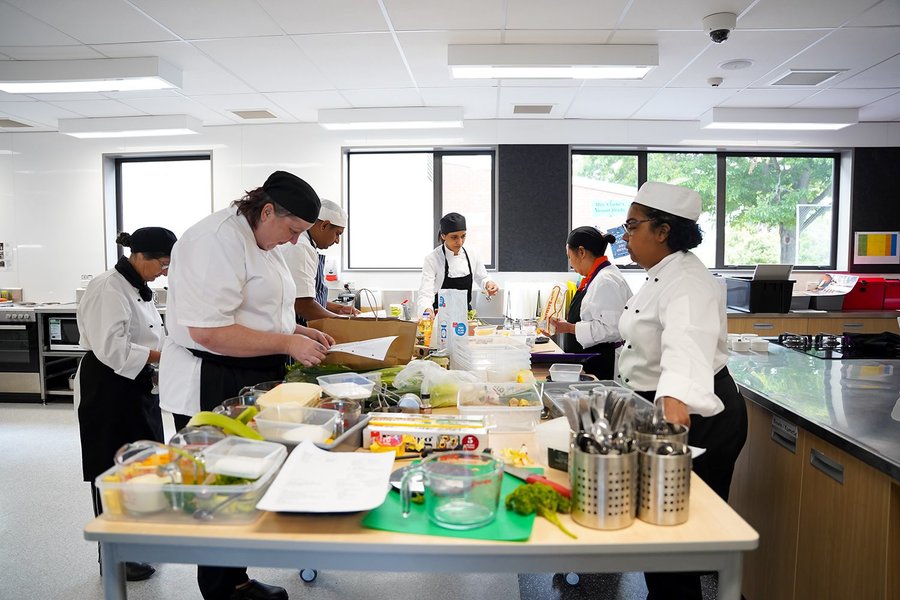
Students engaged in a hands-on cooking class, practicing fundamental techniques.
From Recipes to Intuition
While recipes are excellent guides for beginners, the ultimate goal of mastering techniques is to develop culinary intuition. This allows cooks to adapt recipes, substitute ingredients, and even create dishes from scratch without strict adherence to a written guide. Understanding how different cooking methods affect ingredients empowers this intuitive approach.
Frequently Asked Questions
What are the most essential basic cooking techniques for beginners?
How does learning to cook impact overall health?
Can cooking skills help with food budgeting?
At what age should someone start learning to cook?
Is it better to learn recipes or techniques first?
Conclusion
The study "Enhancing the Art of Fundamental Cooking: Developing Basic Culinary Techniques for Beginners" underscores the indispensable value of culinary education. It reveals that mastering basic cooking techniques extends far beyond the kitchen, profoundly benefiting individuals and communities by fostering healthier lifestyles, boosting self-confidence, enhancing economic stability, and strengthening social bonds. By shifting the focus from merely following recipes to understanding core methods, this approach equips beginners with transferable skills that empower them to navigate the culinary world with competence and creativity. Investing in fundamental cooking education is an investment in holistic well-being, paving the way for a more nourished, confident, and connected society.
Recommended Further Exploration
- How do culinary skills contribute to improved mental well-being?
- What are effective community cooking interventions for promoting healthy eating habits?
- Why is teaching children to cook considered a crucial life skill?
- Explore the economic advantages and cost savings associated with consistent home cooking.