
Unlock Research Success: Why Defining Your Problem is Non-Negotiable
Discover the foundational benefits of meticulously formulating a research problem for impactful and rigorous investigation.
Embarking on a research journey without a clearly defined problem is like setting sail without a map or destination. Formulating a research problem is arguably the most critical initial step in any scholarly or scientific investigation. It's the bedrock upon which the entire study is constructed, influencing every subsequent stage, from literature review and methodology selection to data analysis and conclusion drawing. A research problem isn't just a question; it's a specific issue, difficulty, contradiction, or gap in knowledge that you aim to address through your research. Neglecting this crucial phase can lead to vague objectives, methodological inconsistencies, wasted resources, and ultimately, findings that lack impact or relevance. Conversely, investing time and intellectual effort in carefully formulating a research problem yields substantial benefits, ensuring the research is focused, purposeful, rigorous, and contributes meaningfully to its field.
Key Takeaways: The Power of a Well-Defined Problem
Essential insights into formulating your research foundation.
- Provides Unwavering Focus: A clear research problem acts as a compass, guiding every decision and ensuring the study remains targeted and avoids irrelevant tangents.
- Justifies the Entire Endeavor: It articulates the 'why' behind the research, highlighting its significance, potential contributions, and relevance to existing knowledge or real-world issues, crucial for securing support and validation.
- Dictates Methodological Appropriateness: The nature of the formulated problem directly informs the most suitable research design, data collection techniques, and analytical methods required to effectively address it.
Steering the Ship: Providing Direction and Focus
How a clear problem statement charts the course for research.
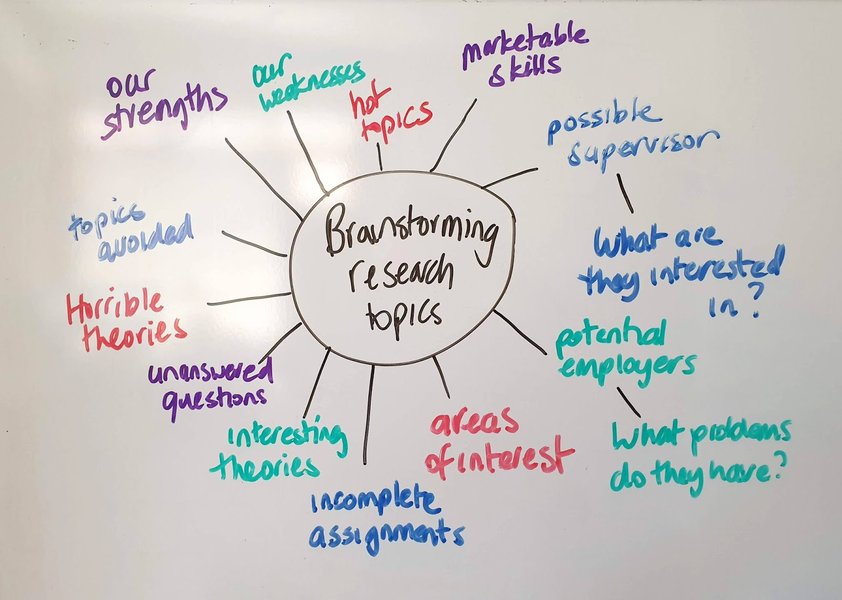
Navigating the Research Landscape
One of the most significant benefits of formulating a research problem is the clarity and direction it provides. Think of it as the North Star for your investigation. Without a well-defined problem, research can easily become diffuse, unfocused, and overwhelming, leading researchers down unproductive paths. A precise problem statement acts as a guiding framework, helping to:
- Narrow the Scope: It transforms a broad area of interest into a manageable and specific subject of inquiry, preventing the study from becoming too ambitious or unwieldy (Scribbr, 2023).
- Define Boundaries: It clearly delineates what the research will cover and, just as importantly, what it will exclude. This prevents 'scope creep' and keeps the investigation focused on its core objectives.
- Establish Emphasis: It highlights the central question or issue that the research aims to address, ensuring all efforts are concentrated on finding relevant answers or solutions (CleverX, 2024).
- Prevent Aimlessness: It provides a clear sense of purpose, ensuring the research process is systematic and logical, moving coherently from one stage to the next (QuickTakes, n.d.).
This focus is crucial for efficient resource allocation (time, funding, effort) and increases the likelihood of producing coherent, meaningful results. It helps researchers stay on track, avoiding the collection of unnecessary data or the exploration of tangential issues.
Building the Case: Justification, Relevance, and Significance
Demonstrating the 'Why' behind your research.
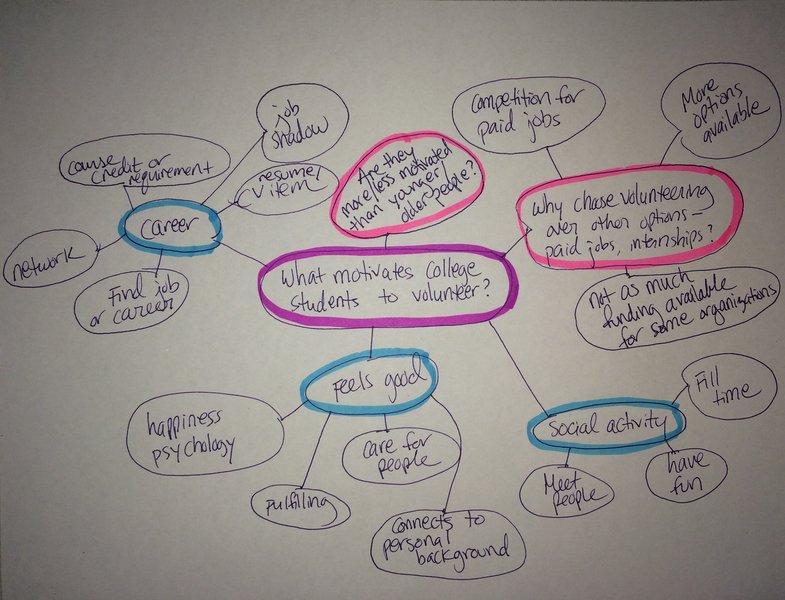
Grounding Research in Purpose
Formulating a research problem forces researchers to articulate the significance and relevance of their proposed study. It answers the critical "so what?" question. By clearly stating the problem, researchers can:
- Identify Knowledge Gaps: The process highlights areas where existing knowledge is lacking, contradictory, or insufficient, positioning the research as a necessary step to fill these voids (Social Work Methods, 2024; Shinde, 2020).
- Demonstrate Importance: It allows researchers to explain why the problem matters – whether to advance theoretical understanding, address a practical issue in society or a specific profession, or inform policy decisions (Researcher.Life, 2023).
- Justify the Study's Value: A compelling problem statement is essential for convincing funding bodies, ethics committees, supervisors, and peers of the research's merit and potential impact (CleverX, 2024). It underscores the potential benefits and contributions, making a stronger case for support.
- Ensure Relevance: It connects the research to larger intellectual conversations or real-world concerns, ensuring the findings will be pertinent and valuable to a specific audience or the broader community (Medium, 2024).
Without this justification, research risks being seen as trivial, redundant, or disconnected from meaningful contexts. A well-formulated problem ensures the study aims to make a tangible contribution.
Choosing the Right Tools: Guiding Methodology and Design
How the problem shapes the 'How' of the investigation.

Selecting the Appropriate Approach
The nature of the research problem profoundly influences the methodological choices a researcher makes. It serves as a crucial determinant for the overall research design and specific methods employed. Formulating the problem helps to:
- Inform Research Approach: Whether the problem requires exploring experiences, understanding phenomena in-depth (suggesting qualitative methods), measuring relationships between variables (suggesting quantitative methods), or a combination (mixed methods), is dictated by the problem's formulation (QuickTakes, n.d.).
- Guide Data Collection: The specific questions stemming from the research problem determine what kind of data is needed (e.g., numerical, textual, observational) and the most appropriate tools to collect it (e.g., surveys, interviews, experiments, archival analysis) (PMC, 2019).
- Determine Analytical Strategy: The problem statement and associated research questions shape the analytical techniques required to make sense of the collected data and adequately address the inquiry.
- Optimize Resource Allocation: By clarifying the methodological requirements early on, researchers can plan more effectively and allocate resources (time, budget, personnel) efficiently (Indeed, 2023).
This alignment between the problem and methodology is fundamental to ensuring the research is rigorous, systematic, and capable of generating valid and reliable findings. A mismatch can undermine the entire study.
Sharpening the Mind: Fostering Critical Thinking
Developing analytical prowess through problem formulation.
The very act of identifying, refining, and articulating a research problem is an intensive intellectual exercise that cultivates critical thinking and analytical skills. This process demands that researchers:
- Engage Deeply with Literature: Researchers must critically review existing studies to understand the current state of knowledge, identify inconsistencies, and pinpoint gaps (Social Work Methods, 2024).
- Analyze Complex Issues: Formulating a problem requires breaking down broad topics into specific, researchable components, analyzing relationships, and identifying key variables or concepts.
- Question Assumptions: It encourages researchers to challenge existing paradigms and assumptions within their field, fostering intellectual curiosity and innovation.
- Develop Problem-Solving Abilities: Defining the problem is the first step in solving it. This process hones the ability to approach complex issues systematically and devise appropriate strategies for investigation (Researcher.Life, 2023).
These cognitive benefits extend beyond the specific research project, enhancing the researcher's overall intellectual capacity and preparedness for tackling complex challenges in any domain.
Assessing the Impact: Benefits Across the Research Lifecycle
A visual comparison of how problem formulation influences research stages.
Formulating a research problem offers distinct advantages that resonate throughout the research process, from the initial conceptualization to the final dissemination of findings. The radar chart below illustrates the perceived impact of a well-defined research problem on various crucial aspects of a study. Higher scores indicate a stronger positive influence. This visualization helps appreciate the multifaceted role of the problem statement in ensuring research quality and effectiveness.
As shown, aspects like 'Focus & Direction' and 'Identifying Knowledge Gaps' are heavily influenced in the early stages, while 'Methodological Guidance' and 'Ensuring Feasibility' are crucial during execution. Ultimately, 'Relevance & Justification' and 'Structuring Reporting' significantly impact the quality and reception of the final output.
Keeping it Real: Ensuring Feasibility and Manageability
Defining achievable boundaries for your research.
Beyond focus and direction, formulating a research problem is essential for assessing and ensuring the feasibility of the study. A grand idea is useless if it cannot be realistically investigated. This step helps researchers to:
- Define a Manageable Scope: It forces a consideration of practical constraints, such as time limits, budget availability, access to data or participants, and the researcher's own expertise (Indeed, 2023).
- Identify Potential Limitations: Articulating the problem helps anticipate challenges and limitations inherent in the study's scope or context.
- Set Realistic Expectations: It ensures that the research objectives derived from the problem are achievable within the given constraints (Monash University, 2023).
Attempting to tackle a problem that is too broad, complex, or impractical given the available resources is a common pitfall. Careful formulation helps ground the research in reality, increasing the chances of successful completion.
Telling the Story: Establishing a Framework for Reporting
Structuring the narrative of your research findings.
Finally, a well-defined research problem provides a natural framework for organizing and reporting the research findings. It sets the stage and provides the context against which the results are interpreted and discussed. This benefit manifests in several ways:
- Provides Context: The problem statement introduces the issue being addressed, helping the reader understand the background and rationale for the study (Social Work Methods, 2024).
- Ensures Coherence: It acts as a central thread that ties the different sections of the research report together – from the introduction and literature review to the results and discussion.
- Focuses Reporting: It ensures that the presentation of findings directly addresses the initial problem and research questions, avoiding irrelevant details and maintaining clarity.
- Facilitates Interpretation: By constantly referring back to the problem, researchers can better interpret the significance of their findings and discuss their implications effectively.
This structure makes the research output more accessible, understandable, and impactful for the intended audience, ensuring the key messages derived from addressing the problem are communicated clearly.
Mapping the Benefits: An Interconnected View
Visualizing the synergistic advantages of problem formulation.
The benefits of formulating a research problem are not isolated advantages; they are interconnected and mutually reinforcing. A clear focus aids in methodological selection, which in turn enhances feasibility. Justifying the research helps in securing resources, while critical thinking improves the quality of the problem itself. This mindmap provides a visual overview of these core benefits and how they relate to the central task of formulating a robust research problem.
a Research Problem"] id1["Provides Focus & Direction"] id1a["Narrows Scope"] id1b["Sets Boundaries"] id1c["Prevents Aimlessness"] id1d["Guides Objectives"] id2["Justifies the Research"] id2a["Demonstrates Significance"] id2b["Highlights Contribution"] id2c["Attracts Funding/Approval"] id2d["Ensures Relevance"] id3["Guides Methodology"] id3a["Informs Research Design (Qual/Quant/Mixed)"] id3b["Dictates Data Collection Needs"] id3c["Determines Analysis Strategy"] id3d["Optimizes Resources"] id4["Enhances Quality & Rigor"] id4a["Addresses Knowledge Gaps"] id4b["Ensures Pertinence"] id4c["Generates Valuable Insights"] id4d["Improves Validity"] id5["Fosters Critical Thinking"] id5a["Sharpens Analytical Skills"] id5b["Encourages Problem-Solving"] id5c["Deepens Understanding"] id5d["Stimulates Innovation"] id6["Ensures Feasibility"] id6a["Defines Manageable Scope"] id6b["Considers Constraints"] id6c["Sets Realistic Goals"] id7["Structures Reporting"] id7a["Provides Context"] id7b["Ensures Coherence"] id7c["Focuses Narrative"] id7d["Aids Interpretation"]
This visualization underscores how the initial act of problem formulation radiates outwards, influencing and improving virtually every aspect of the research process, leading to a more coherent, impactful, and successful study.
Benefit Breakdown: Impact on the Research Process
A summary table of key advantages and their outcomes.
To further clarify the practical implications, the following table summarizes the core benefits of formulating a research problem, outlining their direct impact on the research process and the resulting positive outcomes for the study.
| Benefit | Impact on Research Process | Outcome |
|---|---|---|
| Focus and Direction | Narrows scope, sets clear goals, prevents deviation, guides literature search. | Targeted, efficient, and coherent study; avoids wasted effort. |
| Relevance and Justification | Highlights significance, identifies gaps, justifies value, connects to broader context. | Meaningful contribution, stronger case for funding/support, addresses real issues. |
| Methodological Guidance | Informs appropriate design (qualitative/quantitative/mixed), methods, data needs, and analysis plan. | Robust, valid, and reliable findings; methodological rigor. |
| Critical Thinking | Stimulates analysis of literature, evaluation of assumptions, and systematic problem-solving. | Deeper understanding, innovative approaches, enhanced researcher skills. |
| Feasibility | Defines manageable boundaries, considers resource constraints (time, budget, access). | Achievable project within practical limits; increased chance of completion. |
| Framework for Reporting | Provides context, structures narrative, ensures relevance of results and discussion. | Clear communication of significant results; logical and persuasive report. |
This table reinforces that meticulously defining the research problem is not merely a preliminary task but a strategic imperative that pays dividends throughout the entire research lifecycle.
Understanding the Concepts: Problem vs. Problem Statement
Clarifying key terms in research formulation.
Understanding the distinction between a research problem and a problem statement is fundamental. The following video provides a clear, plain-language explanation of these related concepts, emphasizing their role in guiding academic research and ensuring studies are well-grounded and purposeful. It covers how to articulate an interest as a researchable problem and translate that into a concise, effective problem statement – essential skills highlighted by the benefits discussed throughout this essay.
As the video explains, the research problem is the broader issue or gap, while the problem statement is the specific, focused articulation of that problem which the research will directly address. Both are integral, and properly defining them unlocks the benefits of focus, justification, and methodological clarity previously discussed.
Frequently Asked Questions (FAQs)
Quick answers to common queries about research problem formulation.
What distinguishes a research *problem* from a research *topic*?
A research topic is a broad subject area of interest (e.g., "climate change impacts," "social media use among adolescents," "renewable energy technologies"). A research problem, however, is a specific issue, question, difficulty, or gap within that broader topic that needs investigation. It pinpoints a particular aspect that is not well understood, is controversial, or presents a challenge requiring a solution. For example, within the topic "climate change impacts," a research problem could be "the specific effects of rising sea levels on mangrove ecosystems in Southeast Asia" or "the disparity in climate change adaptation resources between urban and rural communities." The problem is focused, specific, and implies a question that needs answering through research.
What are the key characteristics of a *good* research problem?
A good research problem typically exhibits several characteristics (often remembered by the acronym FINER or SMART principles adapted for research):
- Feasible: It can be realistically investigated within the available time, resources, and expertise.
- Interesting: It holds intellectual interest for the researcher and potentially for others in the field.
- Novel: It addresses a gap, extends previous findings, or looks at an old issue in a new way. It confirms or refutes previous findings or offers new insights.
- Ethical: The research can be conducted in a way that respects participants and avoids harm.
- Relevant: It has significance for theory, practice, policy, or future research. It addresses a current issue or contributes meaningful knowledge.
- Specific/Clear: It is clearly articulated, unambiguous, and focused enough to guide the research design.
Where can researchers find inspiration for formulating a research problem?
Inspiration for research problems can come from various sources:
- Existing Literature: Identifying gaps, contradictions, or unanswered questions mentioned in published studies (often in the discussion/future research sections).
- Theory: Testing the applicability or limitations of existing theories in new contexts or populations.
- Practical Experience: Observing problems or challenges encountered in professional practice or daily life.
- Societal Issues: Addressing current events, social trends, or pressing problems facing communities or the world.
- Personal Interest: Exploring topics that genuinely intrigue the researcher, provided they can be framed as a researchable problem.
- Discussions: Engaging in conversations with colleagues, mentors, experts, or stakeholders who might highlight areas needing investigation.
- Previous Research: Building upon one's own prior work or the work of others in a specific area.
How specific does a research problem need to be?
A research problem needs to be specific enough to be manageable and researchable within the constraints of the study, but not so narrow that it becomes trivial or lacks broader relevance. The level of specificity often depends on the type of research (e.g., exploratory research might start with a slightly broader problem than hypothesis-testing research). Generally, it should clearly identify the key variables or concepts, the population or context of interest, and the particular aspect of the phenomenon being investigated. It should be precise enough to guide the formulation of specific research questions and the choice of methodology. A common process involves starting with a broader problem and gradually refining it to achieve the right balance of focus and significance.
References
Sources consulted for this discussion (Harvard Style).
- CleverX (2024) Research Problem Formulation: Methodology Guide. CleverX Blog.
- Medium (2024) What is a Research Problem? Definition, Importance and Research Problem Solving Techniques. Medium.
- Monash University (2023) Developing research questions. Monash University Library.
-
PMC (National Center for Biotechnology Information) (2019) Formulation of Research Question – Stepwise Approach. Journal of Practical Cardiovascular Sciences. [Accessed: 15 April 2025] (Note: Original article by Shinde, S. cited in Answer D refers to this PMC entry)
- Researcher.Life (2023) What is a Research Problem? Characteristics, Types, and Examples. Researcher.Life Blog.
- Scribbr (2023) How to Define a Research Problem | Ideas & Examples. Scribbr.
- Social Work Methods (2024) Research Problem: Importance and Steps in Formulation. Social Work Methods.
Recommended Further Exploration
Dive deeper into related research concepts.
Last updated April 15, 2025