
Creating an Image of Benevolence
A Comprehensive Guide on Visualizing Kindness and Generosity
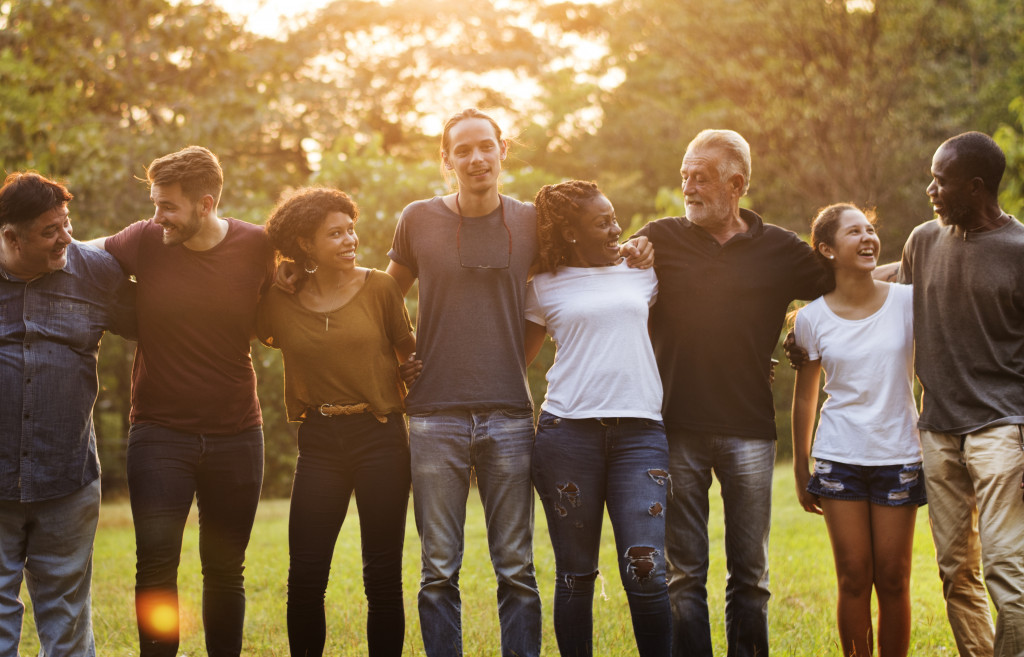
Key Highlights
- Visual Composition: Strategic use of color, lighting, and composition to evoke warmth and kindness.
- Resources and Tools: Recommendations for stock image websites and graphic design software to create or find stirring images.
- Concept Realization: Practical guidance on conceptual elements including kindness, generosity, and compassion.
Understanding Benevolence Through Visuals
Benevolence, by definition, is the act of doing good with an underlying passion for helping others. The concept goes beyond surface-level representation; it encapsulates the spirit of kindness, generosity, and empathy. When designing or searching for an image that represents benevolence, one must first understand the connotations of the term. Benevolence is often portrayed through symbols, interactions, and environments that evoke warmth, trust, and community spirit.
Conceptual Elements
An image that resonates with benevolence should ideally incorporate a variety of elements that reflect warmth and genuine care. Let’s explore these conceptual elements:
Kindness
Kindness in imagery can be captured through intimate gestures, empathetic expressions, or the act of lending a hand. For example, consider a scene where one person helps another in a moment of need by sharing a meal, offering a comforting embrace, or even a simple smile that bridges differences. These visual cues are powerful representations of human connection and the willingness to help, which are fundamental aspects of benevolence.
Generosity
Generosity goes hand in hand with benevolence. Visual elements such as giving gifts, sharing resources, or participating in community activities like volunteering are some of the ways generosity can be depicted. An image might show a group of people engaged in a charity event, emphasizing the shared joy of giving. The use of open spaces, warm lighting, and harmonious colors can enhance the perception of generosity.
Goodwill
Goodwill emphasizes the spirit of peace and unity. Visual narratives that revolve around forgiveness, reconciliation, and shared joy effectively embody this quality. Consider a design where differences fade away in a harmonious setting—a symbolic portrayal might include interlocked hands, a shared light, or even abstract art that ignites feelings of universal understanding.
Visual Composition: The Art of Conveying Benevolence
To transform these abstract values into a compelling visual narrative, attention to visual composition is critical. Consider the following aspects when aiming to create an image of benevolence:
Color Palette
The choice of colors plays a significant role. Warm and inviting hues such as oranges, yellows, and greens not only symbolize the vibrancy of life but also evoke feelings of warmth and positivity. For instance, the color orange often signifies energy and compassion, while green can represent growth and renewal. Integrating these can amplify the message of benevolence, making the image feel inviting and reassuring.
Lighting Techniques
Utilizing soft and natural lighting can accentuate the themes of care and unity. Natural light creates a gentle aura, softening features and highlighting the emotional depth behind every interaction. This kind of lighting is particularly effective in close-up portraits or scenes where facial expressions are important, as it reveals subtle nuances in emotion.
Composition and Framing
The arrangement of elements in the image determines how the narrative is perceived. A well-composed image will direct the viewer’s attention to the focal aspects of kindness and generosity. Consider using techniques such as leading lines or rule-of-thirds to emphasize human interactions and central themes. For example, a scene capturing a volunteer's heartfelt interaction with a beneficiary can be framed in a way that highlights both the giver and the receiver, reinforcing the impact of benevolence.
| Resource | Description | Link |
|---|---|---|
| Shutterstock | A vast collection of stock images, vectors, and illustrations focused on benevolence and other positive themes. | Visit Shutterstock |
| iStock | High-quality, royalty-free images that capture acts of kindness and communal support. | Visit iStock |
| VectorStock | Offers royalty-free vectors associated with benevolent expressions and community themes. | Visit VectorStock |
| Adobe Stock | A diverse range of high-definition images and illustrations suitable for both personal and commercial creativity. | Visit Adobe Stock |
| Getty Images | Authentic stock photos emphasizing real-life expressions of benevolence and goodwill. | Visit Getty Images |
Resource and Creation Tools
Although visualizing benevolence can appear straightforward in theory, the process of creating an impactful image requires a blend of technical tools and creative vision. Here are some methods and resources to assist you:
Utilizing Stock Image Platforms
For many, the fastest route to obtain an image that embodies benevolence is to search in stock image libraries. Websites like Shutterstock, iStock, VectorStock, Adobe Stock, and Getty Images provide a wide array of visuals. These platforms allow you to:
- Search for high-resolution images or vector art related to benevolence.
- Use filters to narrow down images focusing on interpersonal interactions, community scenes, or symbolic representations of kindness.
- Access both free and premium options, depending on your project requirements.
In practice, initiating your search with keywords like “benevolence,” “kindness,” or “generosity” on these platforms can lead to a curated selection of visuals that fall in line with your desired concept.
Graphic Design Software Tools
If you wish to create a custom image or enhance an existing one, software tools such as Adobe Photoshop and Adobe Illustrator provide the perfect groundwork for advanced editing. Here are some tactics you can apply:
Layering and Collage Techniques
Collage techniques allow you to combine multiple images or elements to construct a unique story. For instance, layering an image of a warm smiling face over a background that symbolizes community events (like a bustling community center or a peaceful park) can effectively cement the idea of benevolence. Using masks, blended modes, and opacity variations can help unify the elements, lending authenticity to the overall image.
Color Correction and Enhancement
Adjusting brightness, contrast, and saturation is crucial when trying to emphasize certain moods. Warmer tones can be enhanced to develop an inviting and comforting atmosphere, lending a more defined feel of benevolence to the visual art.
Digital Illustration
For those inclined towards digital art, creating vector illustrations that incorporate benevolent symbols, such as hearts, helping hands, or unity symbols, can be another highly effective approach. These illustrations can also be scaled without loss of quality, making them versatile for multiple applications.
AI-Generated Images and Creative Collaboration
While I am unable to create images directly, advancements in artificial intelligence now encompass tools designed specifically for AI-generated imagery. Platforms like DALL·E, Midjourney, and Stable Diffusion can generate captivating visuals based on textual descriptions. If you have a specific vision, you can input descriptive phrases like “warm community sharing under sunlight” or “a compassionate volunteer helping in a serene park” to obtain unique images that showcase benevolence. You might also consider collaborating with a graphic designer to transform your conceptual ideas into a polished final product.
Experimenting with Image Creation Tools
The progression from concept to creation involves experimenting with different visual tools until you achieve the desired aesthetic. Here is an example workflow:
- Start with a detailed sketch or digital mockup outlining your vision.
- Refine the elements of the composition using vector tools or high-resolution stock images.
- Adjust layering and color balances to ensure that the theme of benevolence is clearly communicated. Emphasize elements such as soft lighting and warm hues to evoke a welcoming atmosphere.
- Iterate until the edits capture the intended mood of compassion and unity.
Practical Guidance for Image Customization
Creating an image that embodies the spirit of benevolence is as much about technical know-how as it is about emotional impact. Below are pragmatic steps to help you refine an image:
Step-by-Step Process
Step 1: Define Your Vision
Clearly articulate what benevolence means in the context of your project. Write down key sentiments or visual motifs—such as inclusivity or acts of service—that you want the image to depict.
Step 2: Source Your Materials
Based on your defined vision, search for components across various stock imagery sites. Download multiple images or vectors that resonate with your theme, ensuring they are of high quality and suitable for digital enhancement.
Step 3: Conceptual Design and Layout
Using software like Adobe Photoshop, create a layout that thoughtfully integrates the sourced elements. Focus on proper framing and ensure that key areas which represent benevolence are centrally highlighted.
Step 4: Edit and Enhance
Apply color corrections, soft filters, and light adjustments to enhance the mood. Consider using techniques such as gradients or overlays to pool together diverse elements. The goal is to achieve a seamless fusion where every component reinforces the concept of benevolence.
Step 5: Final Touches
Review the art for emotional consistency and technical precision. Seek feedback from peers or experts if possible, and be open to reconciling minor adjustments until the final artwork fully communicates the essence of benevolence.
Additional Creative Ideas and Inspirations
Beyond technical execution, creative interpretation plays a significant role. Consider these inspirational ideas:
- Photograph community events or local gatherings that naturally exude warmth and cooperation.
- Create a layered digital collage combining portraits, nature imagery, and symbolic motifs like hearts, helping hands, or even intertwining vines, all of which convey growth and unity.
- Explore abstract art forms where color transitions and soft curves suggest the fluidity and compassion inherent in benevolence.
- Incorporate cultural and diverse elements to reflect that benevolence is a universally cherished concept that transcends boundaries.
These creative angles can help diversify your approach and spark imaginative avenues that merge both artistic and conceptual fidelity.
Final Thoughts on Image Creation and Resource Utilization
Although I cannot generate visual images, the rich tapestry of resources available today means you have a plethora of options at your disposal. Relying on reputable stock image platforms, advanced graphic design software, and even cutting-edge AI image generation tools, you can effectively translate the noble concept of benevolence into a compelling visual narrative.
Whether you choose to curate an image from existing photographs or invest time in creating your own, the key lies in thoughtful composition and the powerful interplay between emotion and visual storytelling. Embrace the process as an opportunity to experiment with various creative techniques and technologies—each step contributes to producing an image that not only looks beautiful but also speaks to the universal values of kindness, generosity, and shared humanity.
References
- Benevolence - Shutterstock
- Benevolence Illustrations - iStock
- Benevolence Vectors - VectorStock
- Benevolence Stock Images - Adobe Stock
- Benevolence Photos - Getty Images
Recommended Related Queries
Last updated March 11, 2025