
Comparing Berberine and Metformin: Advantages of Berberine
Exploring why some individuals might favor berberine over metformin
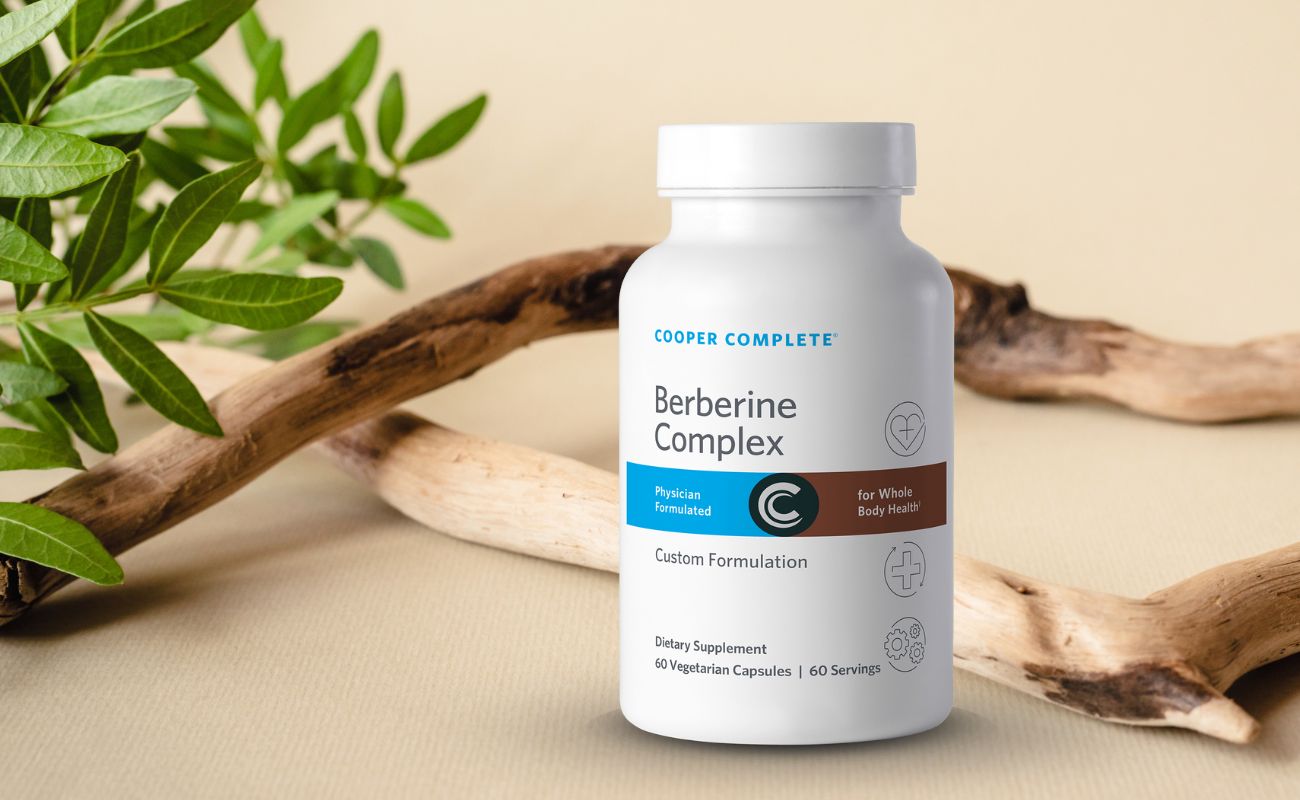
Key Highlights
- Natural Origin and Fewer Side Effects: Berberine is a plant-derived supplement noted for a gentler side effect profile.
- Broader Health Benefits: Beyond blood sugar control, berberine offers additional benefits for cardiovascular health and inflammation.
- Combination and Flexibility: Berberine can be used alone or alongside metformin to optimize treatment regimens.
Introduction
Both berberine and metformin are widely recognized for their role in managing blood sugar levels, particularly for individuals dealing with conditions like type 2 diabetes. While metformin has long been a staple pharmaceutical treatment with an extensive track record, berberine has emerged as a popular alternative thanks to its natural origins and multi-dimensional benefits. This comprehensive analysis discusses why berberine might be considered a better option than metformin for certain patients, highlighting key advantages in terms of side effects, additional health benefits, and overall flexibility in treatment approaches.
Understanding the Basics
What Are Berberine and Metformin?
Berberine is an alkaloid found in several plants, including barberry, goldenseal, and Oregon grape. Used in traditional medicine for centuries, berberine has recently attracted attention for its potential benefits in modern chronic disease management. On the other hand, metformin is a synthetic, FDA-approved medication that has been the cornerstone of type 2 diabetes treatment due to its proven effectiveness in lowering blood sugar levels.
Mechanisms of Action
Both substances modulate blood glucose levels, though through somewhat different pathways. Metformin primarily works by reducing hepatic glucose production and increasing insulin sensitivity. Similarly, berberine activates AMP-activated protein kinase (AMPK), which plays a central role in cellular energy regulation. This activation improves insulin sensitivity, facilitates the uptake of glucose by cells, and helps minimize gluconeogenesis—the production of new glucose in the liver.
Advantages of Berberine Over Metformin
Natural Origin and Appeal
One of the most compelling reasons some individuals may prefer berberine is its natural origin. Derived from a variety of plants, berberine appeals to those who favor natural supplements over synthetic pharmaceuticals. For patients who are inclined toward traditional and herbal medicine or who have concerns about taking chemically synthesized drugs, berberine presents a promising and holistic alternative.
Side Effect Profile
A significant point of differentiation between berberine and metformin is their side effect profiles. Metformin has been consistently associated with gastrointestinal issues such as nausea, diarrhea, and in some cases, abdominal discomfort. Additionally, there is a rare but serious risk of lactic acidosis with metformin, particularly in individuals with certain underlying health conditions.
By contrast, berberine tends to have fewer and milder side effects. While it is not completely devoid of gastrointestinal disturbances—some users may experience issues like gas or mild abdominal discomfort—the severity is generally lower. This can enhance overall tolerability, leading many patients to view berberine as a safer and more comfortable long-term management strategy.
Broad Spectrum of Health Benefits
While both berberine and metformin excel at enhancing insulin sensitivity and controlling blood glucose levels, berberine offers extra health benefits that extend beyond glycemic control:
Cardiovascular Health
Berberine has been noted for its ability to improve cardiovascular health by lowering cholesterol levels and reducing inflammation. These properties can be particularly beneficial for people with metabolic syndrome, who are at increased risk for heart disease. By improving lipid profiles and attenuating inflammatory responses, berberine supports overall cardiovascular wellness.
Anti-inflammatory Effects
Chronic inflammation is a common underlying factor in metabolic disorders such as diabetes, heart disease, and obesity. Berberine has anti-inflammatory properties that may offer protective benefits against these conditions. This anti-inflammatory effect, which is not a primary attribute of metformin, adds another layer of health advantage.
Hormonal Regulation in PCOS
For women with polycystic ovary syndrome (PCOS), berberine has been observed to outperform metformin in regulating hormone imbalances such as elevated testosterone levels. Improved hormonal regulation can lead to more regular menstrual cycles and better overall reproductive health, adding a substantial health benefit for a specific group of patients.
Additional Metabolic Benefits
Berberine may assist with weight loss and exhibit favorable effects on lipid metabolism. As metabolic health is intricately linked to obesity and cardiovascular issues, berberine’s ability to positively influence these areas can be particularly attractive for individuals seeking comprehensive metabolic support.
Flexibility and Combination Therapy
An important advantage of berberine is its flexibility in terms of usage. Unlike metformin, which is strictly regulated and prescribed as a pharmaceutical drug, berberine is available as a dietary supplement. This availability makes it easier for individuals to experiment under medical supervision, sometimes even in tandem with metformin. In combination therapy, berberine may enhance the therapeutic effects of metformin, potentially allowing for lower doses of the drug and thereby reducing the risk of side effects.
Cost and Accessibility
Berberine is often less expensive than metformin when considering the cost of pharmaceutical drugs versus dietary supplements. Although pricing can vary based on brand and region, many patients find that the affordability of berberine enhances its appeal, especially for long-term management of conditions related to blood sugar regulation.
Comparative Overview
To further synthesize the differences and advantages of berberine over metformin, the following table summarizes key comparison points:
| Feature | Berberine | Metformin |
|---|---|---|
| Origin | Natural, plant-derived supplement | Synthetic pharmaceutical |
| Side Effects | Milder gastrointestinal issues (gas, mild abdominal discomfort) | Common gastrointestinal discomfort (nausea, diarrhea, risk of lactic acidosis) |
| Additional Health Benefits | Improves cholesterol, anti-inflammatory, weight loss, hormonal balance in PCOS | Mainly targets blood sugar regulation |
| Regulatory Status | Dietary supplement with variable quality control | FDA-approved medication with extensive clinical data |
| Cost and Accessibility | Generally lower cost and more flexibility in dosing | Can be more expensive due to prescription requirements and insurance factors |
Considerations and Caveats
Safety and Regulatory Status
While berberine shows many promising benefits, it is important to note that it does not replace the extensive research base behind metformin. Metformin is a well-established first-line therapy for type 2 diabetes, with a rigorous regulatory history and long-term safety data that support its use. In contrast, the long-term safety data for berberine, though promising, are not as comprehensive. This means that while berberine may be favored by some patients for its natural origin and broader health benefits, its use should always be carefully considered under the guidance of a healthcare professional.
Effectiveness and Onset of Action
Another important factor is the pace of effectiveness. Metformin is known for its relatively rapid onset, with noticeable improvements within a few days of the initiation of therapy. Berberine, by contrast, often requires longer-term use—typically several weeks to months—to realize its full benefits. This difference can be critical for patients who need immediate glycemic control.
Individual Responses and Personalized Medicine
The decision to choose between berberine and metformin is highly individual. Genetic factors, comorbidities, and personal treatment goals affect which approach is best suited for a given patient. Some individuals may tolerate berberine well and appreciate its multi-targeted effects on metabolism, while others may benefit more from the well-documented efficacy and safety of metformin. In practice, a healthcare provider might recommend combining both therapies to maximize benefits while minimizing potential risks.
Practical Applications and Guidelines for Use
Consultation With Healthcare Providers
Given these differences, the choice between berberine and metformin should be made in consultation with healthcare professionals who can evaluate an individual's comprehensive medical history, current conditions, and overall treatment goals. This individualized approach ensures that patients receive the most effective and safe treatment plan.
Implementing Combination Therapies
In some cases, clinicians may opt for a combination approach. Berberine’s compatibility with metformin allows for combined or alternating therapies that can enhance blood sugar control while mitigating side effects. Such combination strategies are increasingly explored in modern integrative medicine, particularly for those who experience difficulty managing side effects with metformin alone.
Monitoring and Dosage Adjustments
When using berberine as a treatment option, maintaining careful monitoring is crucial. Dosage, spectrum of effects, and potential interactions with other medications must be closely observed. Healthcare providers typically recommend starting with a lower dose to assess tolerance before gradually increasing to therapeutic levels. Regular tracking of blood sugar levels, cholesterol, and inflammatory markers can provide valuable ongoing insights into the patient’s response.
Conclusion
In summary, while metformin remains a robust and clinically established treatment for blood sugar management, berberine offers several distinct advantages that may make it the preferred choice for some individuals. Its natural origin, milder side effect profile, and additional health benefits—such as improved cardiovascular health, anti-inflammatory effects, and hormonal regulation in PCOS—significantly contribute to its appeal over metformin. However, it is crucial to approach the use of berberine with the same diligence as any treatment for chronic conditions. The relative slower onset of action compared to metformin and the less exhaustive long-term safety data underscore the need for personalized medical advice. Patients considering berberine, particularly as a replacement or a complement to metformin, should discuss their options with healthcare professionals to tailor an effective and safe treatment strategy.
Ultimately, the effectiveness of any intervention depends on individual health circumstances and treatment goals. By weighing the pros and cons—and combining natural therapies with conventional drugs when appropriate—patients can achieve a more comprehensive approach to managing their health.
References
- Berberine vs. Metformin – Carolina Thomason
- Metformin vs. Berberine: Similarities and Differences – BuzzRx
- Berberine vs. Metformin – Dr. Ruscio
-
Berberine for Hormone Health – Good Hormone Health
Recommended Further Reading and Queries
Last updated February 27, 2025