
Revitalizing Your PC: Navigating the 120mm AIO Landscape After a Cooler Failure
Finding the Perfect Replacement for Your Corsair H80i V2
Key Insights for Your 120mm AIO Upgrade
- 120mm AIOs are a niche solution: While larger AIOs and high-end air coolers generally offer superior performance, 120mm AIOs remain crucial for compact builds where space is a significant constraint.
- Consider newer, more efficient models: The cooling technology has advanced since the H80i V2. Newer 120mm AIOs like the Enermax LiqMaxFlo SR 120mm and Arctic Liquid Freezer II 120 often provide better thermal performance and noise levels.
- Availability is paramount: The PC cooling market is dynamic, and some highly-rated 120mm AIOs may be discontinued. Focus on currently available models from reputable manufacturers.
The failure of your Corsair H80i V2 cooler presents an opportune moment to explore the current market for 120mm All-In-One (AIO) liquid CPU coolers. The H80i V2, with its extra-thick 49mm radiator and dual SP120L PWM fans, was a robust performer in its time, designed to fit standard 120mm radiator mounts while providing significant heat dissipation for high-performance CPUs. As you seek a replacement, it's essential to identify models that match or exceed its capabilities, particularly in areas like thermal performance, noise levels, and overall value, while also ensuring current market availability.
Understanding 120mm AIOs in Today's Market
In the evolving landscape of PC cooling, 120mm AIOs occupy a specific niche. While larger AIOs (240mm, 280mm, 360mm) and high-end air coolers often deliver superior thermal performance, 120mm AIOs are indispensable for small form factor (SFF) PC cases or systems with limited clearance. They offer the benefits of liquid cooling in a compact footprint, making them ideal when other cooling solutions simply won't fit.
The H80i V2 Legacy and Modern Comparisons
The Corsair H80i V2 was known for its relatively thick radiator (49mm), which allowed for better heat exchange compared to thinner 120mm radiators like the H55 (25mm thick). Its dual fans in a push-pull configuration further enhanced its cooling capabilities. When looking for a modern equivalent or upgrade, consider models that prioritize radiator thickness and efficient fan configurations.
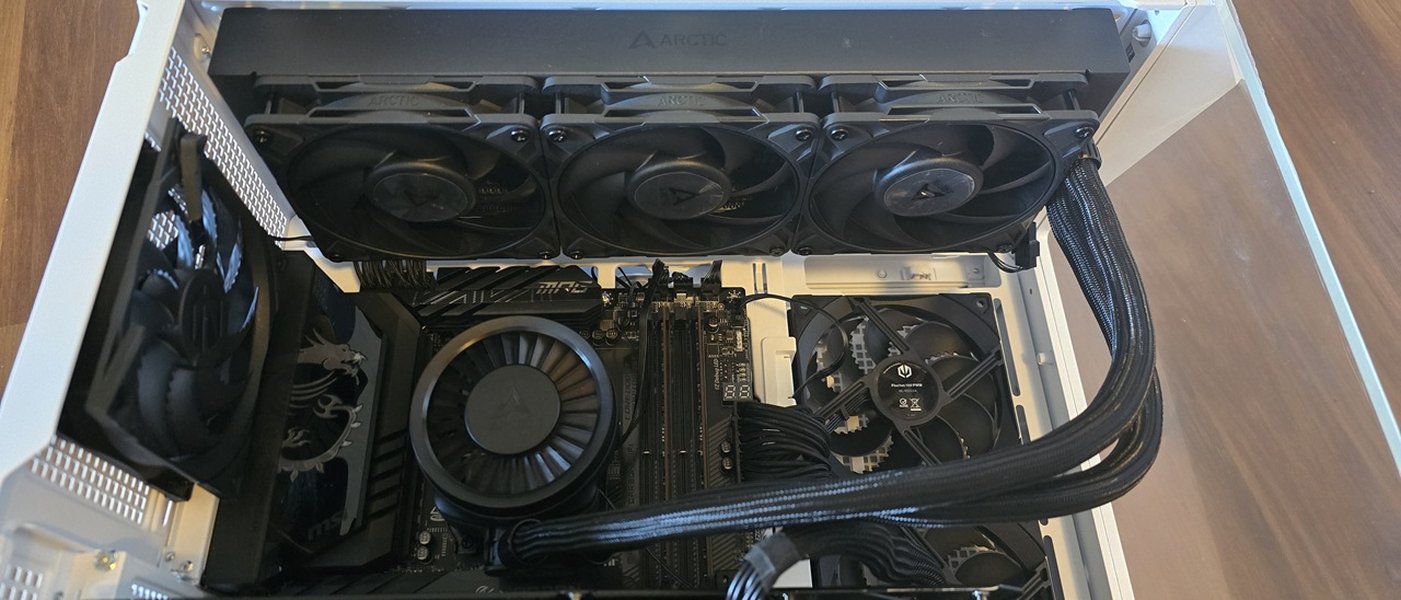
A diverse array of 120mm AIO coolers, showcasing their compact design.
Crucial Metrics for PC Builders
For DIY PC builders, several metrics are paramount when selecting a CPU cooler:
- Thermal Performance: How effectively the cooler dissipates heat from the CPU, impacting stability and overclocking potential.
- Noise Levels: The fan and pump noise produced, which can significantly affect the user experience.
- Compatibility: Ensuring the cooler fits within the case and is compatible with the CPU socket (e.g., Intel LGA1700, AMD AM5/AM4).
- Price-to-Performance Ratio: The value offered by the cooler in terms of its cost versus its cooling efficiency and features.
- Build Quality and Reliability: The durability of components and the manufacturer's warranty.
- Aesthetics and RGB: For many builders, the visual appeal and customizable lighting are important considerations.
Top 120mm AIO Replacements for Your H80i V2
Based on recent market reviews and availability, several 120mm AIOs stand out as strong contenders to replace or even upgrade your Corsair H80i V2. It's important to note that while 120mm AIOs may not always outperform high-end air coolers or larger AIOs, the models listed below are among the best in their specific category, offering a balance of performance and features for compact builds.
Recommended 120mm AIO Models
Enermax LiqMaxFlo SR 120mm
The Enermax LiqMaxFlo SR 120mm is consistently highlighted for its strong thermal performance and relatively low noise levels, making it a compelling option. It also features a unique block-mounted RGB fan that not only adds aesthetic appeal but also helps circulate air around VRMs and RAM, which can be particularly beneficial in tight cases. This cooler offers a balanced package of performance, acoustics, and a thoughtful design feature for space-constrained systems.
Arctic Liquid Freezer II 120
The Arctic Liquid Freezer II series is renowned for its excellent performance, often outperforming many competitors in its class. The 120mm version, with its 38mm thick radiator and high fin density, provides significant cooling capacity. While it might be slightly thicker than some standard 120mm radiators, potentially requiring a bit more clearance, its performance justifies this consideration. Arctic coolers are generally praised for their efficiency and quiet operation under typical loads.
Corsair H60x Elite
For those looking to stick with the Corsair ecosystem or prioritize quiet operation, the Corsair H60x Elite is an excellent choice. It is noted for being one of the quietest 120mm AIOs available, while still offering competitive cooling performance. Corsair's integration with iCUE software allows for comprehensive control over cooling performance, monitoring, and RGB lighting.
Thermalright Aqua Elite 120 V3
The Thermalright Aqua Elite 120 V3 has gained significant attention for its impressive price-to-performance ratio and overall features. It's considered a strong contender for the "best overall" 120mm AIO due to its efficiency and value proposition, particularly for budget-conscious builders.
ROG Strix LC-120 RGB
If aesthetics and RGB lighting are high on your priority list, the ROG Strix LC-120 RGB offers a sleek and stylish design with impressive performance. It boasts wide CPU socket compatibility and comes with pre-applied thermal paste for easier installation. While its noise level at 37.6 dB might be a consideration for some, its overall performance and visual appeal make it a popular choice.
Detailed Comparison of Top 120mm AIOs
To help you make an informed decision, here's a detailed comparison of the recommended 120mm AIOs, focusing on the metrics important to PC builders. Keep in mind that performance can vary based on specific system configurations and ambient temperatures.
| Cooler Model | Radiator Thickness (approx.) | Key Performance Attribute | Noise Level Consideration | Notable Features | Current Availability |
|---|---|---|---|---|---|
| Corsair H80i V2 (Original) | 49mm | Good Thermal Performance | Can be loud, especially with aging fans. | Dual fans, iCUE software, relatively thick radiator. | Discontinued (replacement needed). |
| Enermax LiqMaxFlo SR 120mm | Standard 120mm | Very Good Thermal Performance | Low noise levels. | Unique block-mounted RGB VRM fan, balanced package. | Widely available. |
| Arctic Liquid Freezer II 120 | 38mm | Excellent Thermal Performance | Quiet operation under typical loads. | Thick radiator, high fin density, efficient pump. | Widely available. |
| Corsair H60x Elite | Standard 120mm | Quiet Operation | One of the quietest 120mm AIOs. | Corsair iCUE compatibility, reliable performance. | Widely available. |
| Thermalright Aqua Elite 120 V3 | Standard 120mm | Excellent Price-to-Performance | Competitive noise levels. | Affordable, strong cooling for its price point. | Widely available. |
| ROG Strix LC-120 RGB | Standard 120mm | Strong Performance & Aesthetics | Can be louder (up to 37.6 dB). | RGB lighting, wide socket compatibility, pre-applied thermal paste. | Widely available. |
The Importance of Compatibility and Installation
Regardless of which 120mm AIO you choose, ensuring compatibility with your existing PC components and proper installation are crucial for optimal performance and longevity. Most modern 120mm AIOs are designed to fit standard 120mm fan mounts in PC cases, making them relatively straightforward to install.
Socket Compatibility
Confirm that the new AIO supports your CPU socket. The Corsair H80i V2 was compatible with a broad range of Intel and AMD sockets. Modern 120mm AIOs also offer wide compatibility, typically supporting the latest sockets like Intel LGA1700 and AMD AM5/AM4.
Case Clearance
While 120mm AIOs are chosen for their compact size, it's still wise to measure your case's available space, especially if considering models with thicker radiators like the Arctic Liquid Freezer II 120. Ensure there's adequate clearance for the radiator and fans.
Fan Selection and Optimization
Some users of the H80i V2 opted to replace its stock fans with quieter or more performant alternatives. If noise is a primary concern, or if you wish to maximize cooling, consider upgrading the included fans on your new AIO to high-quality, low-noise models from brands like Noctua or Arctic. This can further enhance thermal performance and reduce overall system noise.
Comparative radar chart illustrating key performance aspects of 120mm AIO coolers.
The radar chart provides a visual representation of how different 120mm AIOs compare across various attributes important to PC builders. Each spoke represents a different metric, with values further from the center indicating better performance or a more favorable characteristic. For instance, a higher score on 'Thermal Performance' means better cooling, while a higher score on 'Noise Levels (Lower is Better)' means quieter operation. This holistic view helps in understanding the trade-offs and strengths of each cooler, allowing you to select the best fit for your specific priorities, whether it's raw cooling power, minimal noise, or overall value.
Looking Ahead: The Future of Compact Cooling
While 120mm AIOs fill a crucial niche, the market continues to evolve. Manufacturers are constantly working on improving pump designs, radiator efficiency, and fan technology to deliver better performance in smaller form factors. The trend towards higher power CPUs also means that even compact cooling solutions need to be more capable.
The "Do 120mm AIOs ACTUALLY Suck?" Debate
A video discussing the effectiveness of 120mm AIOs in current PC builds.
This video delves into a common perception among PC enthusiasts: whether 120mm AIOs are truly effective or if they "suck" compared to larger cooling solutions. The discussion highlights that while larger coolers often offer superior thermal performance, 120mm AIOs are not inherently bad. Their utility is highly dependent on the specific use case, particularly in small form factor builds where space is extremely limited. The video emphasizes that for certain CPU power levels and case constraints, a well-designed 120mm AIO can provide adequate and sometimes even excellent cooling, debunking the myth that they are always inferior. It encourages users to consider their specific needs rather than dismissing this cooler size outright.
Frequently Asked Questions (FAQ)
What is the primary advantage of a 120mm AIO over an air cooler?
Are 120mm AIOs sufficient for high-end CPUs or overclocking?
How does radiator thickness affect 120mm AIO performance?
Can I use my old H80i V2 fans with a new 120mm AIO?
What should I consider regarding pump noise with a new AIO?
Conclusion
Replacing a failed CPU cooler, especially a specific model like the Corsair H80i V2, requires a careful evaluation of modern alternatives. While 120mm AIOs remain a niche solution primarily for space-constrained builds, advancements in design and technology mean there are excellent options available today that can match or exceed the H80i V2's performance. Enermax LiqMaxFlo SR 120mm, Arctic Liquid Freezer II 120, Corsair H60x Elite, and Thermalright Aqua Elite 120 V3 are all strong contenders, offering a balance of thermal efficiency, acoustic performance, and valuable features. Always prioritize current product availability and ensure compatibility with your system to make the best choice for a reliable and cool-running PC.
Recommended Further Exploration
- Explore the best 240mm AIO coolers for compact cases and their performance advantages.
- Delve into a detailed comparison of high-end air coolers versus 120mm AIOs.
- Learn about advanced fan configurations and optimization techniques for AIO liquid coolers.
- Understand how overall case airflow significantly impacts CPU cooling performance.
References

Last updated May 21, 2025