
Unlock the Spectacle: Discover the World's Premier Aurora Viewing Hotspots
Your ultimate guide to witnessing the Northern Lights in 2025, a peak year for solar activity.
The Aurora Borealis (Northern Lights) and Aurora Australis (Southern Lights) are breathtaking natural light shows caused by energetic particles from the sun colliding with Earth's atmosphere. The year 2025 is anticipated to be exceptional for aurora viewing, as the sun approaches its solar maximum, the peak of its 11-year cycle. This means more frequent, intense, and widespread auroral displays. This guide will illuminate the prime locations across the globe to witness this celestial dance.
Essential Insights for Aurora Chasers
- Prime Locations: Focus on high-latitude regions within or near the Arctic Circle (for Northern Lights) and Antarctic Circle (for Southern Lights), directly under the auroral ovals.
- Optimal Timing: The main viewing season for the Northern Lights is from late August to mid-April. The equinoxes (around March and September) often see increased activity.
- Dark & Clear Skies: Minimal light pollution and cloud-free conditions are crucial. Remote locations and new moon phases enhance visibility.
Decoding the Aurora: Key Factors for a Successful Sighting
To maximize your chances of witnessing the ethereal glow of the aurora, several factors must align. Understanding these elements will significantly enhance your planning and experience.
Geographical Sweet Spots
The Auroral Oval
The aurora is most frequently observed in a band around the magnetic poles known as the auroral oval. Locations situated directly beneath this oval offer the highest probability of sightings. For the Northern Lights, this includes regions in Alaska, Canada, Greenland, Iceland, Norway, Sweden, and Finland.
Timing is Everything
Seasonal Brilliance
The best time of year for aurora viewing in the Northern Hemisphere generally spans from late August/early September to mid-April. These months provide the necessary extended hours of darkness. The periods around the spring and autumn equinoxes (typically March and September) are often associated with heightened geomagnetic activity, potentially leading to more vibrant displays.
Nightly Rhythms
While auroras can appear at any time during dark hours, the most intense displays often occur between 10 p.m. and 3 a.m. local time. Patience is key, as activity can ebb and flow throughout the night.
Environmental Conditions
The Quest for Darkness
Light pollution from cities and towns can significantly diminish the visibility of the aurora. Seeking out remote locations, such as national parks or designated dark sky preserves, is highly recommended. The darker the sky, the more brilliant the aurora will appear.
Clarity Above
Clear, cloud-free skies are non-negotiable. Clouds will obstruct your view of the aurora, no matter how intense the display. Check weather forecasts regularly and be prepared to be flexible with your viewing locations if necessary.
Lunar Influence
A bright full moon can wash out the fainter colors of the aurora. Planning your trip around a new moon or crescent moon phase will provide darker skies and better contrast for viewing the subtle hues of the lights.
Strategic Planning
Duration of Your Quest
To increase your odds of witnessing the aurora, it's advisable to dedicate at least three to four nights to your aurora-hunting adventure. This buffer helps account for unfavorable weather or lower auroral activity on any given night.

A stunning display of the Aurora Borealis illuminating a mountain range.
Top Global Destinations for Aurora Borealis (Northern Lights)
The following locations are consistently ranked among the best for experiencing the Northern Lights, offering a combination of high auroral activity, good infrastructure, and unique landscapes.
North America
Fairbanks, Alaska, USA
Fairbanks is widely regarded as one of the premier locations globally for aurora viewing due to its strategic position directly under the auroral oval. It boasts dark skies, minimal light pollution outside the city, and a long viewing season from late August to late April. Accessible via direct flights, Fairbanks offers numerous viewing venues, from cozy cabins and lodges to guided tours taking you to optimal vantage points like Cleary Summit. The aurora can be seen on an average of 243 nights a year here. Activities like dog sledding and visiting hot springs can complement your aurora quest.
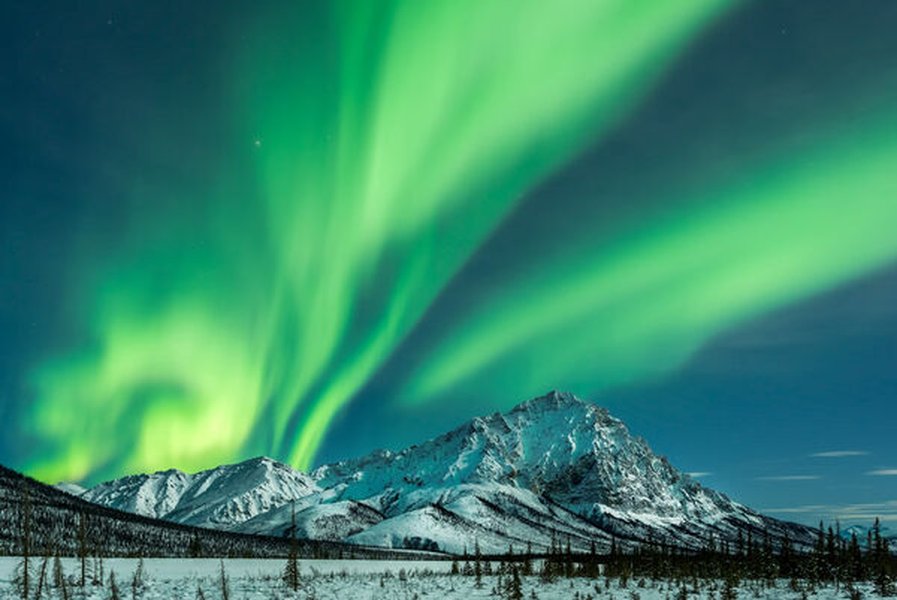
The Northern Lights dancing over the Alaskan wilderness.
Yukon Territory & Northwest Territories, Canada
Regions like Whitehorse in the Yukon and Yellowknife in the Northwest Territories are prime Canadian spots. Yellowknife, in particular, offers a high frequency of clear nights and is located directly under the auroral oval. Churchill, Manitoba, famous for its polar bears, also provides excellent aurora viewing from September to March, often from dedicated 'aurora domes' or heated cabins. Tursujuq National Park in Nunavik, Quebec, offers a remote, dark-sky experience.
Europe
Tromsø, Norway
Situated in the heart of the Norwegian Arctic, Tromsø is a highly accessible and popular base for aurora hunters. Its location at approximately 69 degrees north places it squarely within the auroral oval. The viewing season runs from September to April. Lights can sometimes be seen from the city itself, though tours often venture to nearby fjords or mountains for darker skies. The Lofoten Islands and the Svalbard archipelago (even further north, offering daytime aurora possibilities during polar night) are also exceptional Norwegian locations.
Abisko National Park, Sweden
Swedish Lapland, particularly Abisko National Park, is famed for its "blue hole" – a patch of sky that often remains clear regardless of surrounding weather patterns, thanks to a unique microclimate. This results in a high probability of cloud-free nights. The Aurora Sky Station in Abisko offers a dedicated observatory. The prime season is from September to March. Jukkasjärvi, home to the ICEHOTEL, is another popular Swedish destination.
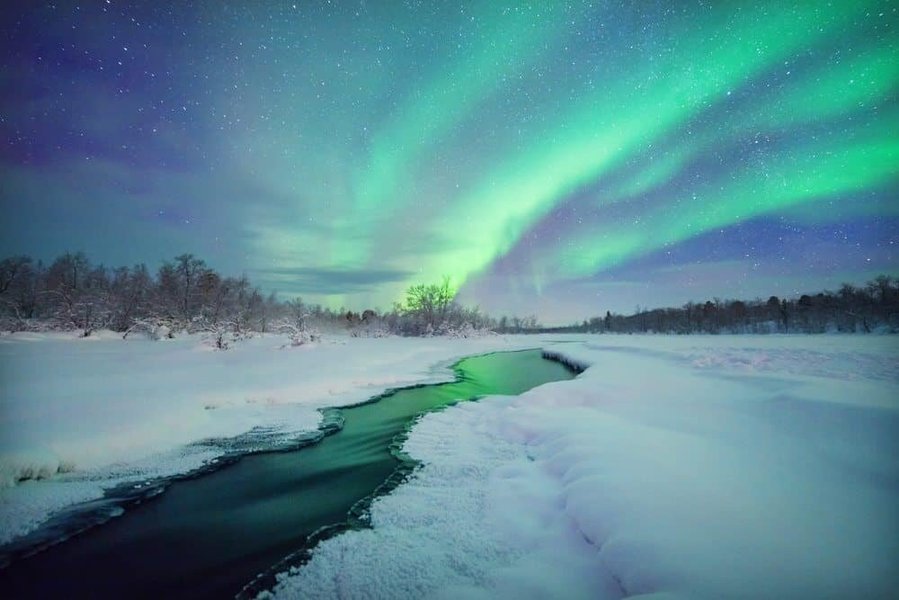
A spectacular aurora display near Kiruna in Swedish Lapland.
Finnish Lapland (Rovaniemi, Nellim, Saariselkä)
The northern reaches of Finland offer magical aurora experiences, often enhanced by unique accommodations like glass igloos or Arctic treehouses designed for aurora viewing. Rovaniemi, the official hometown of Santa Claus, is a good base from September to April. For a more remote experience, Nellim, near the Russian border, provides exceptionally dark skies. The Sámi culture adds another layer to the Lapland experience.
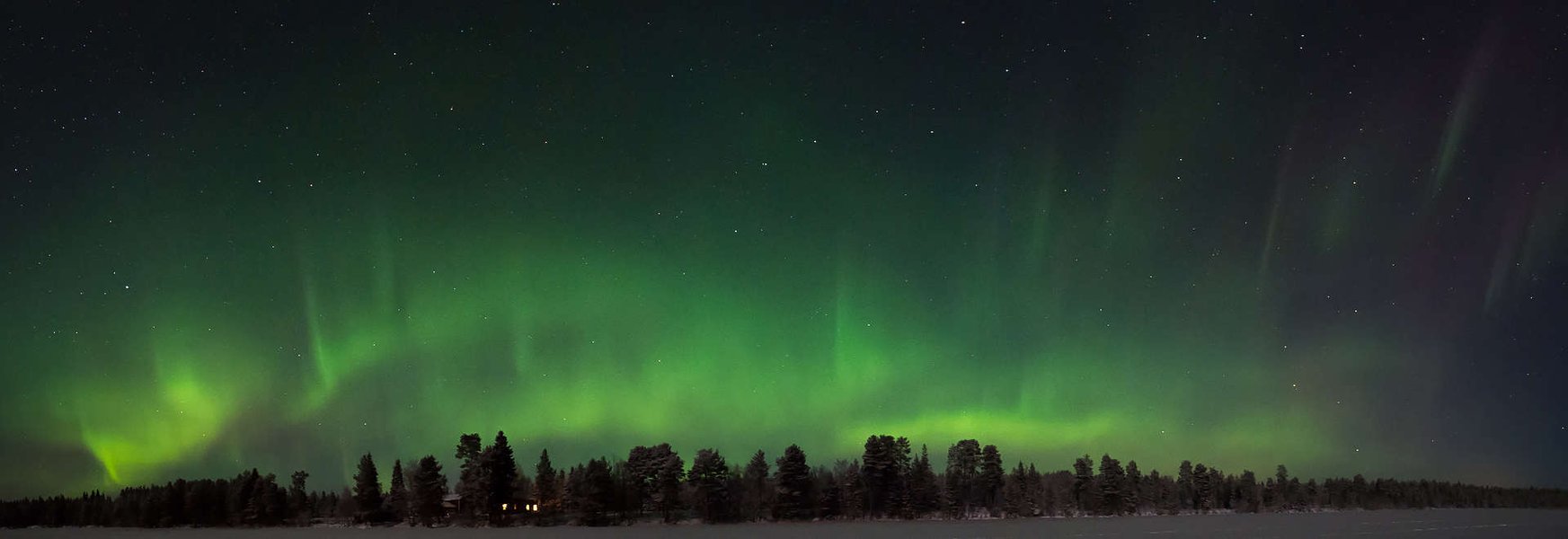
The Aurora Borealis painting the sky green over a wintry Finnish scene.
Iceland
Iceland's dramatic landscapes of volcanoes, glaciers, waterfalls, and black sand beaches provide stunning backdrops for the Northern Lights. The aurora season typically runs from September to April. While Reykjavik offers some viewing, heading to more remote areas like Jökulsárlón Glacier Lagoon, the Snaefellsnes Peninsula, Vik, or Hella significantly improves visibility by reducing light pollution. Numerous tours combine aurora hunting with other Icelandic adventures.
Greenland
As the world's largest island, much of Greenland (Kalaallit Nunaat) offers pristine, dark skies ideal for aurora viewing from September to early April. Locations like Kangerlussuaq (a former US airbase with over 300 clear nights a year), Sisimiut, and Ilulissat (with its UNESCO World Heritage icefjord) are excellent bases. The low population density means minimal light pollution, contributing to vivid displays.
Northern Scotland, UK
While not as consistently active as Scandinavian or North American locations, the northern parts of Scotland, including the Shetland and Orkney Islands, Caithness, the Outer Hebrides (Lewis and Harris), and the northern tip of Skye, offer the UK's best chances to see the "Mirrie Dancers." These regions share similar latitudes with parts of Norway. Cairngorms National Park is another potential spot. Sightings are more likely during periods of strong solar activity.
Aurora Australis (Southern Lights)
Though generally less accessible, the Southern Hemisphere also boasts its own spectacular auroral displays.
Stewart Island (Rakiura), New Zealand
Stewart Island, whose Māori name Rakiura translates to "glowing skies," is a prime location. Much of the island is Rakiura National Park, an International Dark Sky Sanctuary, ensuring minimal light pollution.
Tasmania, Australia
The southern parts of Tasmania, particularly around Hobart and Bruny Island, offer chances to witness the Aurora Australis, especially during strong geomagnetic storms. The further south and away from city lights, the better the view.
Comparing Top Aurora Destinations
To help you choose your ideal aurora adventure, the radar chart below provides a comparative look at several top Northern Lights destinations based on key factors. These are general assessments and can vary based on specific times and conditions.
This chart offers a visual comparison: 'Aurora Frequency' and 'Dark Sky Quality' refer to the likelihood and clarity of sightings. 'Accessibility' covers ease of travel to the location. 'Infrastructure & Tours' reflects the availability of amenities and guided experiences. 'Unique Daytime Activities' considers other attractions. 'Cost' is an inverse scale where higher points mean relatively lower expenses.
Visualizing Your Aurora Journey: A Mindmap
To further aid in understanding the key elements involved in planning an aurora viewing trip, this mindmap outlines the crucial factors and top destination categories.
This mindmap provides a quick overview of what to consider when planning your trip, from the crucial factors for a successful sighting to the premier regions known for their auroral displays.
Expert Insights on Chasing the Aurora
For a deeper understanding of what causes the aurora and how to maximize your chances of seeing it, this video features a NASA expert sharing valuable tips and information. It covers the science behind the phenomenon and practical advice for aspiring aurora viewers.
A NASA expert explains the science and viewing tips for the Northern Lights.
Understanding the interplay of solar winds, Earth's magnetic field, and atmospheric gases can greatly enhance your appreciation of this natural wonder. The expert also touches upon tools and resources for tracking space weather and auroral activity, which are invaluable for planning.
Key Destination Features at a Glance
The table below summarizes essential information for some of the most recommended Northern Lights destinations, helping you compare them based on season, advantages, and typical activities.
| Location | Best Viewing Season | Key Advantages | Popular Activities (besides aurora viewing) |
|---|---|---|---|
| Fairbanks, Alaska, USA | Late August - Late April | Directly under auroral oval, high frequency of clear nights, good infrastructure. | Dog sledding, ice fishing, hot springs, Chena Hot Springs Resort. |
| Tromsø, Norway | September - April | Within auroral oval, accessible, many tour operators, coastal scenery. | Whale watching, fjord cruises, Sami culture, snowmobiling, dog sledding. |
| Abisko, Sweden | September - March | "Blue Hole" microclimate (often clear skies), Aurora Sky Station, minimal light pollution. | ICEHOTEL (nearby Jukkasjärvi), snowmobiling, husky sledding, skiing. |
| Finnish Lapland, Finland | September - April | Unique accommodations (glass igloos), pristine nature, Santa Claus Village (Rovaniemi). | Reindeer sleigh rides, husky safaris, snowshoeing, skiing, meeting Santa. |
| Iceland (Countrywide) | September - April | Stunning volcanic landscapes, geothermal hot springs, accessible from major cities. | Glacier hiking, ice caving, Blue Lagoon, Golden Circle tours, whale watching. |
| Yellowknife, NWT, Canada | Late August - Mid-April | High auroral activity, flat terrain offering wide views, Aurora Village. | Ice fishing, dog sledding, snowmobiling, learning about Indigenous culture. |
| Greenland | September - Early April | Vast wilderness, minimal light pollution, dramatic ice-filled landscapes. | Dog sledding, iceberg cruises, hiking, Inuit cultural experiences. |
Frequently Asked Questions (FAQ)
What exactly causes the Aurora Borealis?
When is the absolute best time of year to see the Northern Lights in 2025?
Do I need special equipment to see the aurora?
How reliable are aurora forecasts?
Can the Northern Lights be seen from cities?
Recommended Further Exploration
- How does the solar cycle affect aurora visibility and intensity?
- What are the best tips for photographing the Northern Lights with a DSLR or smartphone?
- Compare aurora viewing experiences and accessibility in Iceland versus Norway.
- What are the differences in viewing conditions and locations for Aurora Borealis versus Aurora Australis?
References
Last updated May 21, 2025