
Unveiling Earth's Celestial Ballet: Your Ultimate Guide to Witnessing the Aurora in 2025
Discover the premier global destinations and expert tips for experiencing the Northern Lights during a peak solar activity year.
Essential Insights for Your Aurora Adventure
- Peak Solar Activity in 2025: This year is anticipated to be exceptional for aurora viewing due to the ongoing solar maximum, potentially leading to more frequent and intense displays of the Northern Lights.
- Prime Viewing Latitudes: The most reliable sightings occur in high-latitude regions, typically within or near the Arctic Circle (around 65°N to 70°N latitude), often referred to as the "auroral oval."
- Key Factors for Success: Optimal viewing hinges on several crucial elements: seeking out dark skies far from city light pollution, clear weather conditions, planning around the new moon phase to avoid lunar glare, and actively monitoring aurora forecasts.
Why 2025 is a Prime Time for Aurora Chasers
The year 2025 stands out as a particularly promising period for witnessing the aurora borealis. This heightened anticipation is due to the Sun approaching or being at "solar maximum," the peak of its roughly 11-year solar cycle. During solar maximum, the Sun exhibits increased activity, such as more sunspots, solar flares, and coronal mass ejections (CMEs). These powerful solar events send charged particles streaming towards Earth. When these particles interact with gases in our planet's upper atmosphere, they create the mesmerizing light display we know as the aurora. With solar activity expected to be at its zenith, the chances of seeing vibrant, dynamic, and widespread auroras are significantly enhanced, making 2025 an ideal year to embark on an aurora-viewing expedition.
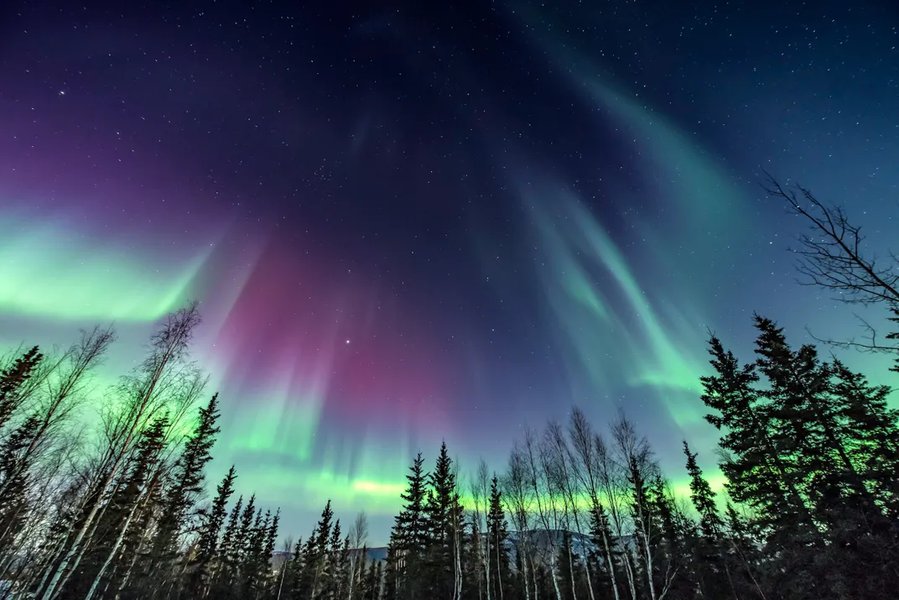
A stunning capture of the aurora borealis illuminating the night sky.
Navigating to the Dazzling Dance: Top Aurora Regions
The quest for the Northern Lights takes travelers to some of the most beautiful and remote corners of the globe. The key is to position yourself under or near the auroral oval, the ring-shaped region around the Earth's magnetic poles where auroras are most frequently observed.
North American Aurora Hotspots
North America boasts several world-class destinations for aurora viewing, particularly in its northernmost latitudes.
Fairbanks, Alaska, USA
Fairbanks is consistently ranked among the best places globally to see the Northern Lights. Its strategic location directly under the auroral oval means a high probability of sightings on clear nights. The city offers a robust tourism infrastructure geared towards aurora chasers, including guided tours, heated viewing lodges, and even alerts from local hotels. Nearby Denali National Park provides a breathtaking wilderness backdrop for the celestial display, away from city lights.
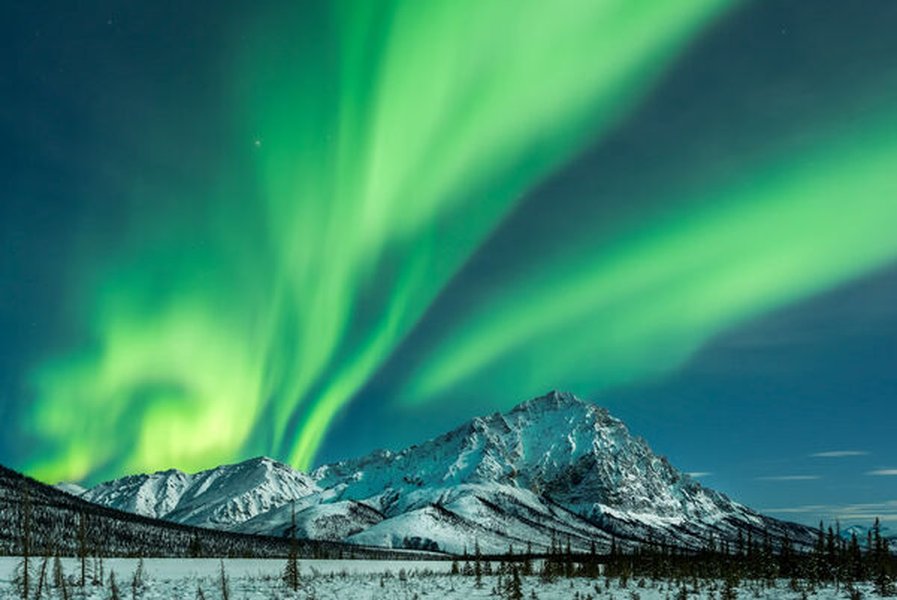
The ethereal glow of the aurora borealis over a serene Alaskan landscape.
Yukon Territory, Canada
Whitehorse, the capital of the Yukon, proudly calls itself Canada's "official Northern Lights capital." Situated at Latitude 60° N, it offers excellent visibility for much of the year. The Yukon provides vast, dark skies and a rugged, pristine wilderness setting. It's also considered one of the more affordable Canadian destinations for aurora viewing, with numerous tour operators offering experiences ranging from cozy cabin stays to adventurous dog sledding under the lights.
Other Notable North American Locations
Beyond Fairbanks and the Yukon, several other North American locations offer good prospects:
- Churchill, Manitoba, Canada: Famous for its unique combination of aurora viewing and polar bear tours, particularly in autumn.
- Northwest Territories, Canada: Offers extremely dark skies and vast, unpolluted wilderness, perfect for uninterrupted viewing in places like Yellowknife.
- Northern US States: During strong solar storms, the aurora can dip further south, becoming visible in states like Wisconsin (Apostle Islands National Lakeshore), Minnesota, Michigan, North Dakota, Montana, Idaho, and Washington. These sightings are less frequent but offer opportunities for those unable to travel further north.
European Aurora Sanctuaries
Northern Europe, particularly Scandinavia and Iceland, is a magnet for aurora enthusiasts, offering dramatic landscapes and well-developed tourism for Northern Lights expeditions.
Iceland: Land of Fire, Ice, and Lights
Iceland's unique geology of volcanoes, glaciers, waterfalls, and geothermal hot springs provides an otherworldly backdrop for the Northern Lights. While Reykjavik offers accessible tours to nearby dark-sky locations, venturing further to places like the Snaefellsnes Peninsula, Jökulsárlón Glacier Lagoon, or remote areas in the Westfjords can lead to even more spectacular and less crowded viewing experiences. Hofdabrekka, near Vik in southern Iceland, is also noted for its uninterrupted viewing potential. The aurora season generally runs from late August to mid-April.
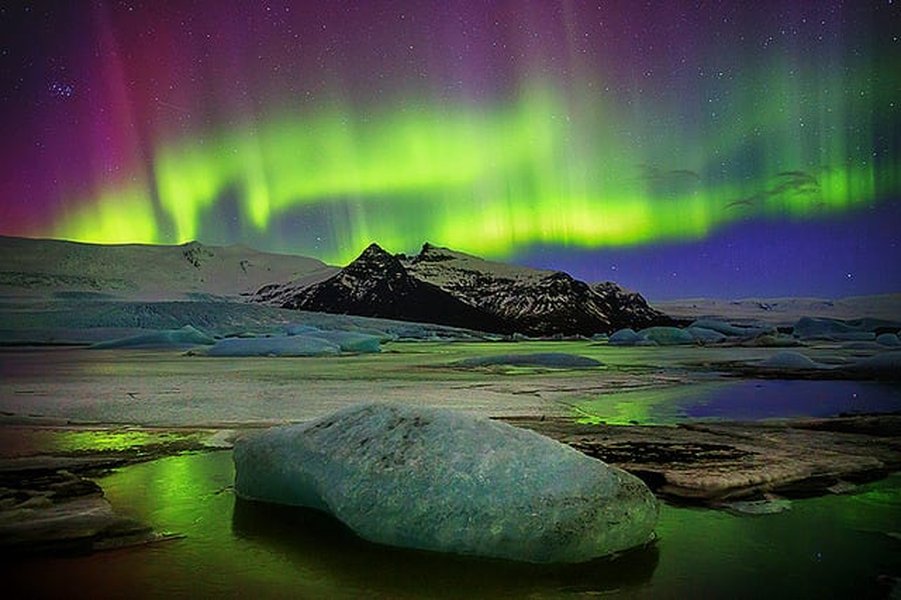
The magical Northern Lights dancing above an iconic Icelandic landscape.
Norway: Arctic Majesty and Auroral Wonders
Norway's extensive northern coastline lies deep within the auroral oval, making it a premier destination.
- Tromsø: Often dubbed the "Gateway to the Arctic," Tromsø is a vibrant city offering excellent aurora viewing from September to April. It's easily accessible and has a wealth of tours and activities.
- Alta: Known as the "City of the Northern Lights," Alta has a long history of aurora research and boasts clear, dry conditions. It features unique accommodations like glass igloos designed for aurora viewing.
- Lofoten Islands: This archipelago offers a stunning combination of dramatic mountain peaks, picturesque fishing villages, and dark skies, creating an unforgettable setting for aurora photography.
Sweden & Finland: Lapland's Luminous Skies
The vast expanse of Lapland, stretching across northern Sweden and Finland, provides exceptional aurora viewing opportunities.
- Abisko, Sweden: Home to the Aurora Sky Station, Abisko is renowned for its "Blue Hole," a patch of sky that often remains clear even when surrounding areas are clouded, thanks to a unique microclimate. Viewing from the frozen Torneträsk lake is a popular option.
- Rovaniemi, Finnish Lapland, Finland: Situated directly on the Arctic Circle, Rovaniemi is not only the official hometown of Santa Claus but also an accessible and magical place for aurora spotting. Finnish Lapland offers numerous wilderness resorts and activities like reindeer and husky sledding under the lights. Luleå in Swedish Lapland also offers views from frozen sea platforms.
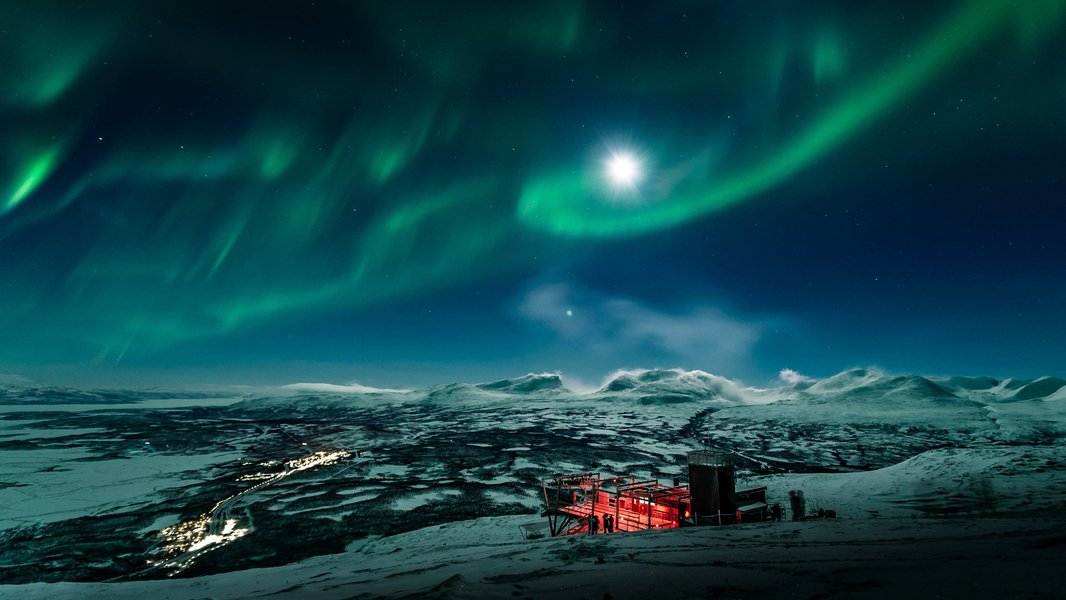
The Northern Lights painting the sky over the pristine snows of Swedish Lapland.
Greenland: Remote Radiance
For a truly off-the-beaten-path aurora experience, South and Central Greenland offer vast, untouched landscapes with minimal light pollution and fewer tourists. The stark beauty of its ice fjords and glaciers, combined with the dancing lights, makes for an unforgettable adventure. Kangerlussuaq is a common access point with good viewing prospects.
Visualizing Aurora Viewing Potential
Choosing the perfect aurora destination involves balancing several factors. The radar chart below offers a comparative glance at five top locations, evaluating them across key criteria relevant to aurora chasers. Each axis represents a different aspect, with points further from the center indicating a stronger performance in that category. This visualization can help you align a destination's strengths with your personal preferences and priorities for an aurora trip.
The criteria explained:
- Auroral Oval Proximity: How consistently the location is under the main zone of aurora activity.
- Dark Sky Quality: The level of natural darkness, free from light pollution, crucial for vibrant aurora views.
- Accessibility & Infrastructure: Ease of travel to the location and the availability of tourist amenities (accommodation, tours).
- Scenic & Unique Experiences: The appeal of the surrounding landscape and other attractions or activities available.
- Viewing Season Length: The number of months typically offering good aurora viewing conditions (dark nights).
Key Considerations for Your Aurora Quest
Planning a successful aurora viewing trip involves understanding several interconnected factors. This mindmap outlines the essential components, from selecting the right regions and optimal conditions to practical planning tips and why 2025 is a particularly auspicious year. Use it as a visual checklist to ensure you cover all bases for an unforgettable experience.
Denali)"] id1a2["Canada (Yukon
NWT, Manitoba)"] id1a3["Northern USA (WI
MN, MI - during strong storms)"] id1b["Europe"] id1b1["Iceland (Reykjavik
Snaefellsnes)"] id1b2["Norway (Tromsø
Alta, Lofoten)"] id1b3["Sweden (Abisko
Luleå)"] id1b4["Finland (Rovaniemi
Lapland)"] id1c["Greenland (South & Central)"] id2["Optimal Conditions"] id2a["Time of Year: Sept - Mid-April"] id2b["Time of Night: Approx. 10 PM - 2 AM"] id2c["Dark Skies (Minimal Light Pollution)"] id2d["Clear Weather (No Clouds)"] id2e["New Moon Phase (Darkest Sky)"] id2f["High Solar Activity (Kp Index)"] id3["Planning Your Trip"] id3a["Monitor Aurora Forecasts (NOAA, etc.)"] id3b["Plan for Multiple Nights"] id3c["Consider Guided Aurora Tours"] id3d["Pack Extremely Warm Clothing"] id3e["Photography Gear (Tripod, Manual Settings)"] id4["Why 2025 is Special"] id4a["Approaching Solar Maximum"] id4b["Increased Geomagnetic Activity Expected"] id4c["Potentially More Frequent & Intense Displays"]
At-a-Glance: Premier Aurora Destinations
To help you quickly compare some of the most highly recommended locations for viewing the Northern Lights, the table below summarizes their key features, geographical context, and typical best viewing months. This can serve as a useful starting point in narrowing down your options based on what each destination uniquely offers.
| Location | Region/Country | Key Features | Best Viewing Months |
|---|---|---|---|
| Fairbanks | Alaska, USA | Directly under auroral oval, Denali National Park nearby, established aurora tourism, high sighting frequency. | September - March |
| Tromsø | Norway | "Arctic Gateway," high latitude within auroral oval, accessible, many tours, scenic fjords. | September - April |
| Reykjavik & Surrounds | Iceland | Unique volcanic landscapes, geothermal spa experiences with aurora potential, good tour infrastructure from the capital. | Late August - Mid-April |
| Abisko | Sweden | Famous "Blue Hole" for consistently clear skies, Aurora Sky Station, Torneträsk lake, Abisko National Park. | September - March |
| Whitehorse | Yukon, Canada | Canada's "official Northern Lights capital," affordable options, vast wilderness, good infrastructure. | August - April |
| Rovaniemi | Finnish Lapland, Finland | Located on the Arctic Circle, Santa Claus Village, diverse winter activities, wilderness lodges. | September - March |
| Churchill | Manitoba, Canada | Unique opportunity to combine aurora viewing with polar bear expeditions (especially in autumn). | August - April (peak aurora often aligns with polar bear season) |
| Lofoten Islands | Norway | Dramatic coastal mountains, picturesque fishing villages, dark skies ideal for photography. | September - April |
| South Greenland | Greenland | Remote, pristine landscapes, minimal light pollution, fewer tourists for an isolated experience. | September - April |
| Apostle Islands National Lakeshore | Wisconsin, USA | Accessible US location for potential viewing during strong geomagnetic storms, dark skies over Lake Superior. | September - March (during strong solar events) |
Maximizing Your Chances: Essential Aurora Viewing Tips
Witnessing the aurora is a magical experience, but it requires patience and preparation. Here are some key tips to enhance your probability of seeing this stunning natural phenomenon:
Timing is Everything
- Best Months: The prime aurora season generally runs from late August/early September to mid-April. During these months, the nights are long and dark enough in high-latitude regions. Peak activity is often noted around the spring and autumn equinoxes (around March 20 and September 22 in 2025).
- Best Time of Night: While auroras can appear at any time during dark hours, the most active displays often occur between 10 p.m. and 2 a.m. local time. However, this can vary, so be prepared to stay out for several hours.
- Moon Phase: A bright full moon can significantly wash out the aurora's fainter colors and details. Plan your trip around a new moon or crescent moon phase for the darkest possible skies.
Location, Location, Location (Dark Skies)
Light pollution is the enemy of aurora viewing. Head far away from city lights to find the darkest possible skies. National parks, remote wilderness areas, or specialized aurora viewing camps are ideal. Even a short drive out of town can make a big difference.
Monitoring the Forecasts
- Weather Forecast: Clear, cloudless skies are absolutely essential. Check local weather forecasts regularly and be prepared to change locations if necessary to find clear patches.
- Aurora Forecasts: Several websites and apps provide real-time and short-term forecasts for auroral activity. Key indicators to watch:
- Kp Index: This planetary index ranges from 0 to 9, indicating geomagnetic activity. A Kp of 3-4 suggests a fair chance of seeing the aurora in prime locations, while Kp 5 or higher indicates a geomagnetic storm and potentially spectacular displays visible at lower latitudes.
- Solar Wind Bz: The direction of the interplanetary magnetic field (Bz component) is crucial. A southward Bz (negative values) allows solar wind energy to more effectively couple with Earth's magnetosphere, triggering auroras.
- Look for resources like the NOAA Space Weather Prediction Center's Aurora Dashboard.
Gear Up for the Experience
- Warm Clothing: Arctic and subarctic nights are cold. Dress in multiple layers, including thermal underwear, insulated outerwear, warm hats, gloves, scarves, and waterproof boots. Hand and toe warmers can be lifesavers.
- Camera Equipment: To photograph the aurora, you'll need a camera with manual settings (DSLR or mirrorless), a sturdy tripod (essential for long exposures), a wide-angle lens with a fast aperture (e.g., f/2.8 or lower), and spare batteries (cold drains them quickly).
- Headlamp: A headlamp with a red light option is useful for navigating in the dark without ruining your night vision (or that of others).
The Benefits of Guided Tours
Consider joining a guided aurora tour, especially if it's your first time. Local guides are experts at tracking weather and aurora conditions, know the best and darkest viewing spots, and can often provide transportation to remote locations. They can also share cultural stories and photography tips, enhancing the overall experience.
Dive Deeper: Understanding Aurora Destinations
To get a better sense of what an aurora adventure entails and the variety of experiences available, visual resources can be incredibly helpful. The video below offers a glimpse into some of the world's top Northern Lights destinations, showcasing their unique appeal and the kind of breathtaking sights that await. It provides a dynamic overview that can inspire and inform your travel planning, highlighting different landscapes and potential activities that can accompany your aurora quest.
This compilation offers perspectives on various locations, which can help you visualize what to expect and choose a destination that resonates most with your travel style and interests, from the icy expanses of the Arctic to the cozy cabins of Lapland.
Frequently Asked Questions About Aurora Viewing
What exactly are the Northern Lights?
The aurora borealis (Northern Lights) and aurora australis (Southern Lights) are natural light displays in the sky, predominantly seen in high-latitude (Arctic and Antarctic) regions. They are caused by collisions between energetic charged particles (mostly electrons and protons) from the sun, travelling along the Earth's magnetic field lines, and atoms in the Earth's upper atmosphere. When these particles strike atoms and molecules of oxygen and nitrogen, they excite them, causing them to emit light of various colors—most commonly green, but also pink, purple, red, and blue.
When is the absolute best time of year to maximize my chances of seeing the aurora?
The prime aurora viewing season is generally from late August/early September to mid-April. During this period, the nights in high-latitude regions are dark enough for the aurora to be visible. Within this season, the months around the spring and autumn equinoxes (March and September) are often cited as having statistically higher auroral activity due to the orientation of Earth's magnetic field relative to the solar wind. However, clear, dark skies are the most critical factor any time within the viewing season.
What is the Kp index and how does it help in aurora hunting?
The Kp index is a global measure of geomagnetic activity, scaled from 0 (very calm) to 9 (extreme geomagnetic storm). Higher Kp values indicate a greater disturbance in Earth's magnetic field, which usually means stronger and more widespread auroras. For locations directly within the auroral oval, a Kp of 2 or 3 might be sufficient for visible aurora. For mid-latitude locations, a Kp of 5 or higher is generally needed. Monitoring Kp forecasts can help you anticipate when auroral activity might be heightened.
Is it necessary to join a guided tour to see the Northern Lights?
No, it's not strictly necessary, but it can be highly beneficial, especially for first-time visitors or those unfamiliar with the local area. Guides are experienced in finding the best dark-sky locations, interpreting weather and aurora forecasts, and often provide transportation suitable for challenging conditions. They can also offer photography assistance and share local knowledge. If you are comfortable driving in winter conditions and researching locations and forecasts yourself, independent viewing is also possible.
Why is 2025 considered a particularly good year for aurora viewing?
The Sun goes through an approximately 11-year cycle of activity, from solar minimum to solar maximum and back. The year 2025 is anticipated to be near or at the peak of the current solar cycle (Solar Cycle 25), known as solar maximum. During this time, the Sun is more active, producing more sunspots, solar flares, and coronal mass ejections. These solar events send more charged particles towards Earth, leading to more frequent and intense geomagnetic storms, which in turn create more spectacular and widespread aurora displays.
How important is the moon phase for seeing the aurora?
The moon phase is quite important. A full moon, or even a bright gibbous moon, can illuminate the sky significantly, making it harder to see fainter auroras or the subtle colors within brighter displays. The moonlight can "wash out" the aurora. For the best viewing experience, aim to plan your trip during the new moon phase or when the moon is a thin crescent and sets early or rises late, ensuring the darkest possible skies for the majority of the night.
Recommended Further Exploration
If you're captivated by the aurora and wish to delve deeper, consider exploring these related topics:
- How does solar activity influence the intensity and colors of the aurora?
- What are the best camera settings for photographing the Northern Lights?
- Are there cultural myths and legends associated with the aurora borealis in different regions?
- What should I pack for a trip to see the Northern Lights in Arctic conditions?
References
Last updated May 6, 2025