
Unveiling Earth's Celestial Dance: Your Ultimate Guide to Witnessing the Aurora
Discover the prime locations and optimal times to experience the breathtaking Northern and Southern Lights, especially as 2025 promises enhanced solar activity.
Highlights of Your Aurora Journey
- Prime Viewing in 2025: Anticipate potentially more frequent and intense aurora displays as we approach a period of heightened solar activity, making it an exceptional time for sightings.
- Key Aurora Zones: Focus your search on high-latitude regions nestled within or near the auroral oval, particularly in Alaska, Northern Canada, Iceland, Norway, Sweden, and Finland.
- Optimal Conditions are Crucial: Maximize your chances by selecting dark, clear nights far from urban light pollution, ideally between late August and April. Always consult aurora forecasts for real-time updates.
The Enchanting Aurora: A Spectacle of Nature
The Aurora Borealis (Northern Lights) and Aurora Australis (Southern Lights) are mesmerizing natural light shows in the sky, predominantly seen in the high-latitude (Arctic and Antarctic) regions. These ethereal displays are the result of collisions between electrically charged particles from the sun that enter the Earth's atmosphere. When these particles, channeled by Earth's magnetic field, collide with gases such as oxygen and nitrogen, they emit photons, creating the vibrant, dancing lights we see. The colors can range from pale green and pink to shades of red, yellow, blue, and violet, depending on the type of gas particles and the altitude of the collision.
The year 2025 is heralded as a particularly promising period for aurora viewing. This is due to the Sun approaching its solar maximum, a phase in its roughly 11-year cycle characterized by increased solar activity, including more frequent and powerful solar flares and coronal mass ejections. These events send a greater number of charged particles towards Earth, potentially leading to more frequent and geographically widespread auroral displays.
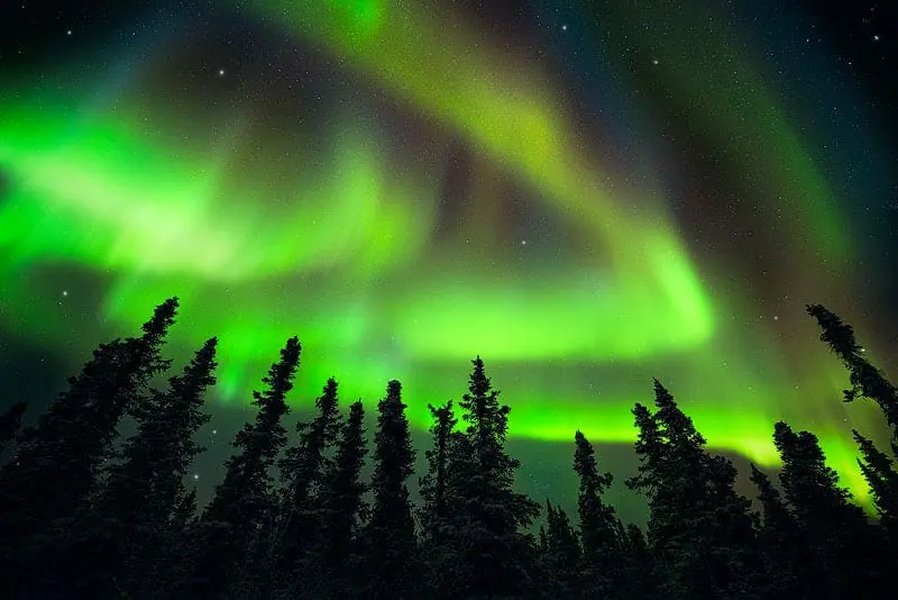
A stunning display of the Northern Lights illuminating a winter scene.
Understanding the Auroral Oval: Where Magic Happens
The key to witnessing the aurora lies in positioning yourself under or near the "auroral oval." This is an elliptical-shaped region that encircles Earth's magnetic poles where auroras are most likely to occur. The ovals expand and contract depending on the intensity of solar activity. During periods of high activity (geomagnetic storms), the ovals can expand to lower latitudes, making the aurora visible in areas where it's not commonly seen. However, for the most consistent and spectacular views, locations situated at latitudes between 65 and 70 degrees North (for Aurora Borealis) are generally considered optimal.
Top Destinations to Witness the Aurora's Splendor
Choosing the right location is paramount for a successful aurora quest. Several destinations around the globe offer exceptional opportunities, combining high auroral activity with accessible viewing spots and minimal light pollution.
North American Hotspots
Fairbanks, Alaska, USA
Often cited as one of the world's premier locations, Fairbanks lies directly beneath the auroral oval. This positioning results in frequent and intense displays, with auroras potentially visible on over 200 nights a year, typically from late August to late April. The region's cold, dry interior climate often leads to clear skies. For optimal viewing, venturing away from city lights into areas like the White Mountains National Recreation Area or Denali National Park and Preserve is highly recommended. Many local operators offer guided tours and specialized lodges with aurora wake-up calls.
Yellowknife, Northwest Territories, Canada
Yellowknife is another prime location situated directly under the auroral oval, renowned for its consistently clear skies and flat terrain, which offers unobstructed panoramic views. The aurora viewing season here typically runs from mid-November to early April. "Aurora Village," with its heated teepees, is a popular spot for tourists. The remote wilderness setting contributes to exceptionally dark skies, enhancing the visibility and vibrancy of the lights.
Other Notable US Locations
While Alaska boasts the most reliable sightings, parts of the contiguous United States can also offer glimpses, especially during strong solar storms. Voyageurs National Park in Minnesota, an International Dark Sky Park, offers some of the best chances due to its remote location and dark skies. Similarly, areas in northern Maine, Michigan's Upper Peninsula, and parts of Montana and North Dakota may experience auroral activity. Denali National Park in Alaska is also a premier destination, offering a majestic wilderness backdrop.
Scandinavian and Nordic Jewels
Tromsø, Norway
Located in the heart of the auroral oval in the Norwegian Arctic, Tromsø is a highly accessible and popular destination. The viewing season stretches from September to April. Its coastal location means milder winter temperatures compared to some inland Arctic regions. Tromsø offers a vibrant city experience combined with numerous guided tours that take visitors to darker, optimal viewing locations away from city lights, often including activities like dog sledding or snowmobiling.
Iceland
The entire island nation of Iceland offers opportunities to see the Northern Lights, typically from September to April. While Reykjavik offers amenities and tours, venturing into the countryside provides darker skies and stunning natural backdrops, such as the Jökulsárlón Glacier Lagoon, the Snæfellsnes Peninsula, or near Vik in southern Iceland. The dramatic landscapes of volcanoes, waterfalls, and glaciers make for truly unforgettable aurora photography. Geothermal hot springs also offer a unique way to await the lights.
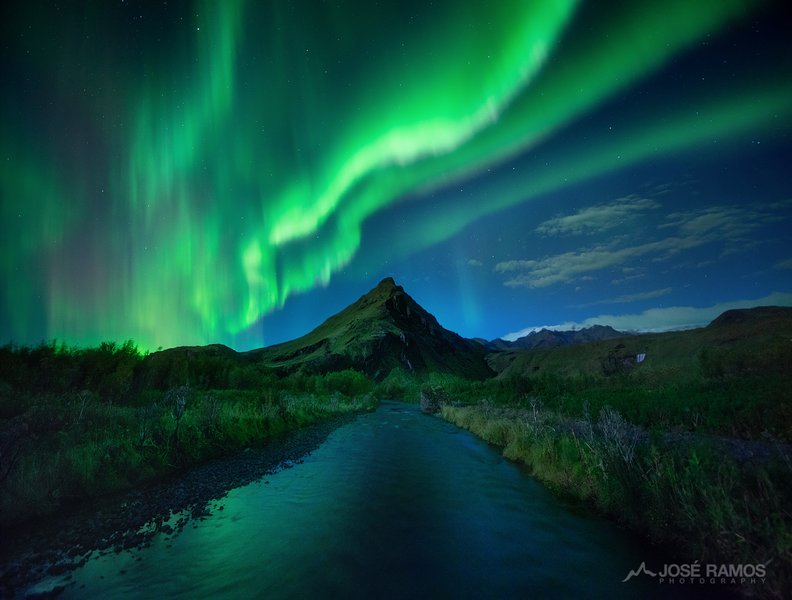
A powerful aurora display captured over Iceland's unique terrain.
Swedish Lapland (Kiruna & Abisko)
Northern Sweden, particularly the area around Kiruna and Abisko National Park, is a fantastic choice. Abisko is famous for its "Blue Hole," a patch of sky that often remains clear even when surrounding areas are cloudy, due to a unique microclimate. The Aurora Sky Station in Abisko offers an elevated viewing platform and is a renowned spot. The season here generally runs from September to March.
Finnish Lapland (Rovaniemi)
Rovaniemi, the official hometown of Santa Claus, is situated on the Arctic Circle in Finnish Lapland. It's an accessible location offering good chances of seeing the aurora from late August to April. The snowy wilderness provides a magical setting, and various accommodations, including glass igloos, are designed specifically for aurora viewing.
Alta, Norway
Known as the "City of the Northern Lights," Alta has a long history of aurora research. Its location benefits from relatively clear skies and dry conditions, favorable for sightings. Unique accommodations, such as the Sorrisniva Igloo Hotel, enhance the experience.
Lofoten Islands, Norway
These picturesque islands offer a dramatic coastal setting with jagged peaks rising from the sea, providing a stunning backdrop for aurora displays. Their latitude within the auroral oval and relatively stable coastal weather make them an excellent choice for photographers and nature lovers from September to April.
The Wilds of Greenland
Ilulissat & South Greenland
For a truly remote and wild Arctic experience, Greenland is unparalleled. Locations like Ilulissat, famous for its UNESCO World Heritage Icefjord, and areas in South Greenland offer incredibly dark skies and a chance to see the aurora against a backdrop of immense icebergs and pristine wilderness. The viewing season aligns with other Arctic locations, typically from late August to April.
Southern Hemisphere: The Aurora Australis
While the Northern Lights often steal the spotlight, the Southern Hemisphere has its own auroral display: the Aurora Australis or Southern Lights. Though generally less intense and viewed by fewer people due to less accessible landmass at optimal latitudes, they can be spectacular. Prime locations include Tasmania (Australia), Stewart Island, and Dunedin (New Zealand), particularly during periods of strong solar activity. The best viewing months are typically March to September.
Comparative Glance at Prime Aurora Hotspots
To help you decide which destination might best suit your preferences, the radar chart below offers a visual comparison of several top aurora viewing locations based on key factors. These are generalized assessments: "Aurora Frequency" refers to the likelihood of seeing the lights; "Dark Sky Quality" indicates how free the area is from light pollution (often requiring travel from settlement centers); "Accessibility" considers ease of travel to the region; "Scenic Backdrop" rates the visual appeal of the surroundings for aurora viewing; and "Tourist Infrastructure" reflects the availability of tours, accommodations, and amenities for aurora chasers.
Optimal Timing: When to Plan Your Aurora Quest
Best Seasons and Months
The prime aurora viewing season in the Northern Hemisphere generally runs from late August to mid-April. During these months, the nights are long and dark enough to see the aurora. The darkest months, from December to March, often offer the longest periods of darkness, increasing viewing opportunities. Interestingly, auroral activity often peaks around the spring and autumn equinoxes (around March 20th and September 22nd). This is thought to be due to the orientation of Earth's magnetic field relative to the solar wind during these times, which can lead to more favorable conditions for geomagnetic storms.
Nightly Rhythms and Lunar Cycles
While auroras can technically appear at any time of night (as long as it's dark), the most common viewing window is typically between 10 p.m. and 2 a.m. local time. However, strong displays can occur earlier or later. It's also crucial to consider the lunar cycle. A bright full moon can significantly wash out fainter auroras, making them harder to see. Therefore, planning your trip around a new moon or crescent moon phase is highly advisable for the darkest possible skies and the best contrast for viewing the lights.
Key Factors for a Successful Aurora Sighting
Witnessing the aurora is a blend of science, patience, and a bit of luck. Several interconnected factors must align for a successful sighting. The mindmap below illustrates these critical elements, followed by a more detailed explanation.
(Minimal Light Pollution)"] id1b["Clear Weather
(No Cloud Cover)"] id1c["Geographic Location
(High Latitude / Auroral Oval)"] id2["Timing & Solar Activity"] id2a["Optimal Season
(Late August - April)"] id2b["Time of Night
(Peak: 10 PM - 2 AM)"] id2c["Solar Activity Levels
(Check Forecasts - Kp-index)"] id2d["Moon Phase
(New Moon or Crescent Best)"] id3["Preparation & Strategy"] id3a["Patience is Key"] id3b["Mobility
(Ability to Chase Clear Skies)"] id3c["Appropriate Gear
(Warm Clothing, Camera)"] id3d["Stay Informed
(Local Alerts, Apps)"] id4["Why 2025 is Promising"] id4a["Approaching Solar Maximum"] id4b["Potential for Increased
Aurora Frequency & Intensity"]
To elaborate:
- Dark Skies: Artificial light from cities and towns drastically reduces the visibility of the aurora. Seek out remote locations, designated Dark Sky Parks, or areas far from urban centers.
- Clear Weather: Clouds will obstruct your view of the aurora, no matter how active it is. Check weather forecasts regularly and be prepared to move if necessary to find clear patches of sky.
- Geographic Location: Being within or near the auroral oval (typically 65-70° N latitude) is crucial for frequent sightings.
- Solar Activity: The strength and visibility of the aurora are directly linked to solar activity. Monitor aurora forecasts (Kp-index) provided by agencies like NOAA's Space Weather Prediction Center or various apps. A higher Kp-index generally means a stronger and more widespread aurora.
Essential Tips for Your Aurora Expedition
Beyond choosing the right place and time, a few practical tips can significantly enhance your aurora viewing experience and chances of success.
At-a-Glance: Top Aurora Destinations Summary
The following table provides a quick summary of some of the best locations, their prime viewing seasons, and standout features to help you in your planning.
| Location | Best Viewing Season | Key Features |
|---|---|---|
| Fairbanks, Alaska, USA | Late Aug - Late Apr | Directly under auroral oval, high frequency, cold/clear nights, access to Denali NP. |
| Tromsø, Norway | Sep - Apr | In aurora zone, easily accessible, coastal setting, numerous guided tours. |
| Iceland (Nationwide) | Sep - Apr | Stunning volcanic/glacial landscapes, Jökulsárlón Glacier Lagoon, geothermal experiences. |
| Yellowknife, NWT, Canada | Mid-Nov - Early Apr | High chance of clear skies, flat terrain for panoramic views, Aurora Village. |
| Rovaniemi, Finnish Lapland | Late Aug - Apr | Arctic Circle location, Santa Claus Village, snowy wilderness, glass igloos. |
| Kiruna/Abisko, Swedish Lapland | Sep - Mar | Abisko NP's "blue hole" microclimate, Aurora Sky Station. |
| Alta, Norway | Sep - Apr | "City of Northern Lights," historical aurora research site, unique igloo hotels. |
| Lofoten Islands, Norway | Sep - Apr | Dramatic coastal mountains, picturesque fishing villages, strong aurora activity. |
| Greenland (e.g., Ilulissat) | Late Aug - Apr | Remote Arctic wilderness, massive icebergs, pristine dark skies. |
| Voyageurs NP, Minnesota, USA | Year-round (darkest in winter) | International Dark Sky Park, best option in contiguous US for dark skies. |
Preparedness and Gear
Viewing the aurora often means spending extended periods outdoors in cold, dark conditions.
- Dress Warmly: Layering is key. Wear thermal underwear, fleece or wool mid-layers, and a windproof/waterproof outer shell. Don't forget insulated boots, warm socks, gloves or mittens, and a hat that covers your ears.
- Photography Gear: If you plan to photograph the aurora, a DSLR or mirrorless camera with manual controls, a wide-angle lens with a fast aperture (e.g., f/2.8 or lower), a sturdy tripod, and spare batteries (cold drains them quickly) are essential. A remote shutter release or self-timer can prevent camera shake.
- Patience and Comfort: Bring a thermos with a hot drink, snacks, and perhaps a portable chair if you'll be waiting for a while. Allow your eyes to adjust to the darkness for at least 15-20 minutes for optimal viewing.
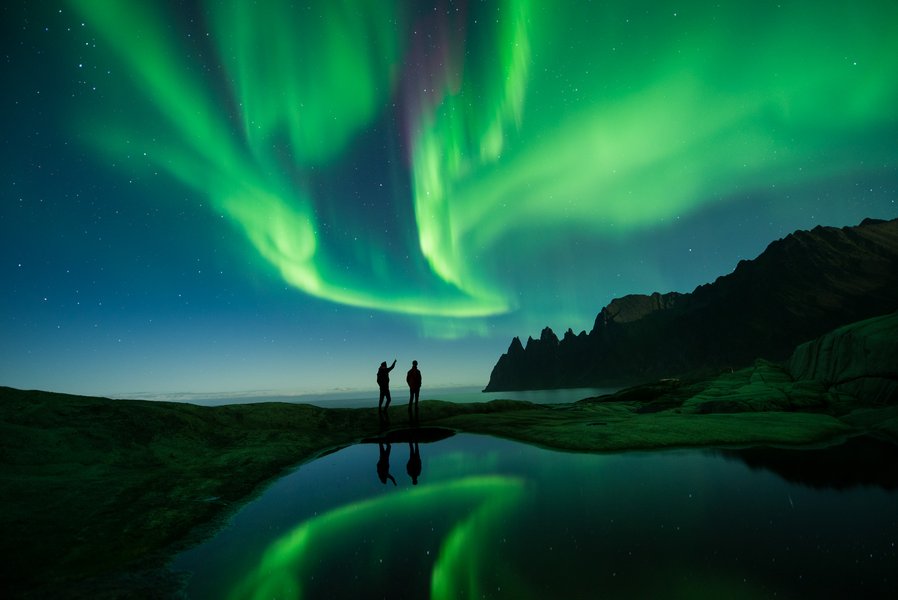
Being well-prepared with warm clothing allows for a comfortable aurora viewing experience.
Utilizing Forecasts and Tours
Stay updated on auroral activity by checking forecasts from sources like NOAA's Space Weather Prediction Center or various dedicated aurora forecasting apps and websites. These provide short-term predictions (often a few hours to a few days in advance) based on solar wind data and geomagnetic conditions. Consider joining guided aurora tours, especially if you're new to an area. Local guides are experts at finding the best dark-sky locations, interpreting weather and aurora forecasts, and often share fascinating local lore and scientific insights. Many lodges in prime aurora regions also offer wake-up call services if the lights appear while you're asleep.
Capturing the Magic: The Aurora Viewing Experience
Witnessing the aurora is often described as a profound and awe-inspiring experience. The silent, majestic dance of light across the night sky can evoke a sense of wonder and connection to the cosmos. While photos and videos can capture its beauty, seeing it with your own eyes is truly unique. The video below offers a glimpse into what awaits and highlights some of the best places to experience this natural wonder.
This video showcases some of the top global destinations for viewing the Northern Lights.
Frequently Asked Questions
Recommended Further Exploration
- How does the Kp-index relate to aurora visibility?
- What are the best camera settings for photographing the Northern Lights?
- Are there specific apps for tracking aurora forecasts in real-time?
- Compare the experience of seeing the Aurora Borealis versus the Aurora Australis.
References
Last updated May 6, 2025