
Best Austrian Potato Types for Red Wine Beef Stew
Choosing the Perfect Potato for a Rich and Hearty Austrian Beef Stew
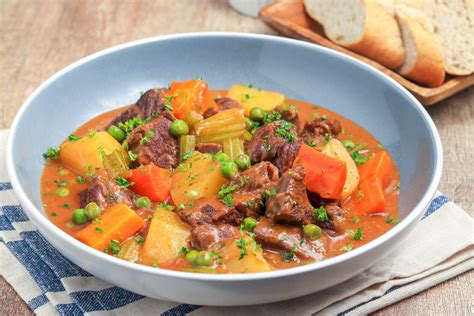
Key Takeaways
- Waxy Potatoes Are Ideal: They maintain their shape and texture during long cooking, ensuring a hearty stew.
- Flavor Compatibility: The buttery and nutty flavors of certain potatoes complement the rich red wine and beef broth.
- Versatile Alternatives: If traditional Austrian varieties are unavailable, Yukon Gold or red potatoes serve as excellent substitutes.
Introduction
Crafting the perfect Austrian red wine beef stew, known locally as Wiener Saftgulasch, hinges significantly on the selection of the right potato. Potatoes not only contribute to the stew's heartiness but also absorb and complement the rich flavors of red wine and beef broth. This comprehensive guide delves into the best potato types suited for this traditional dish, exploring their textures, flavors, and how they enhance the overall culinary experience.
Understanding Potato Varieties
Potatoes come in various types, each with distinct characteristics that influence their performance in different culinary applications. For stews, especially those requiring long cooking times like beef stew, the potato's ability to hold its shape and absorb flavors without disintegrating is paramount.
Waxy Potatoes: The Optimal Choice
Waxy potatoes are highly recommended for Austrian red wine beef stew due to their low starch content and high moisture levels. These qualities ensure that the potatoes remain firm and retain their shape throughout the extended cooking process, avoiding a mushy texture.
Popular Austrian Waxy Potato Varieties
- La Ratte: Known for its elongated shape and firm, buttery flesh, La Ratte potatoes offer a rich flavor that enhances the stew's depth.
- Linzer Delikatess: These potatoes boast a creamy texture and a slightly nutty taste, making them a delightful addition to beef stew.
- Kipfler: Recognized for their yellow flesh and delicate flavor, Kipfler potatoes provide both texture and taste that align with traditional Austrian culinary standards.
- Red Potatoes: With their vibrant skin and creamy interior, red potatoes blend seamlessly into the stew, imparting a mild sweetness without overpowering other flavors.
Why Waxy Potatoes Are Superior for Stews
The primary advantage of using waxy potatoes lies in their ability to absorb the rich flavors of the red wine and beef broth while maintaining structural integrity. Their firm texture prevents them from breaking down excessively, ensuring each bite remains satisfying and consistent.
Yukon Gold Potatoes: A Versatile Alternative
While incorporating traditional Austrian varieties like La Ratte or Linzer Delikatess is ideal, accessibility can sometimes be an issue outside Austria. Yukon Gold potatoes emerge as an excellent substitute, offering a balance between waxy and starchy characteristics.
Characteristics of Yukon Gold Potatoes
- Medium Starch Content: This allows Yukon Golds to hold their shape while contributing a creamy texture to the stew.
- Buttery Flavor: Their natural richness complements the savory elements of the beef and red wine.
- Versatility: Yukon Golds can adapt to various cooking methods, making them suitable for different types of stews and slow-cooked dishes.
Benefits of Using Yukon Gold in Austrian Stew
Yukon Gold potatoes enhance the stew by adding a subtle creamy texture without compromising the dish's overall consistency. Their ability to absorb flavors ensures that each spoonful is infused with the rich red wine and savory beef notes.
Red Potatoes: A Reliable Choice
Red potatoes serve as another excellent option for those seeking a potato variety that marries well with the robust flavors of Austrian beef stew.
Attributes of Red Potatoes
- Firm Texture: Red potatoes maintain their structural integrity, preventing them from disintegrating during prolonged cooking.
- Slight Sweetness: Their inherent mild sweetness complements the tangy and savory elements of the red wine and beef broth.
- Attractive Appearance: The vibrant red skin adds a visual appeal to the stew, making it more appetizing.
Enhancing the Stew with Red Potatoes
The use of red potatoes not only contributes to the stew's texture but also enhances its flavor profile. Their ability to absorb the stew's juices ensures that each bite is flavorful and hearty.
Comparative Analysis of Recommended Potato Types
| Potato Type | Texture | Flavor | Cooking Performance |
|---|---|---|---|
| La Ratte | Firm and buttery | Rich and nutty | Excellent: Holds shape well |
| Linzer Delikatess | Creamy and smooth | Slightly nutty | Excellent: Maintains integrity |
| Kipfler | Firm and delicate | Yellow flesh with subtle flavor | Excellent: Perfect for stews |
| Yukon Gold | Medium starch, creamy | Buttery and slightly sweet | Very Good: Versatile and reliable |
| Red Potatoes | Firm and creamy | Mild sweetness | Very Good: Holds shape, absorbs flavors |
Preparing the Potatoes for Stew
Proper preparation of potatoes is crucial to achieving the desired texture and flavor in your beef stew. Follow these steps to ensure your potatoes contribute positively to the dish:
Washing and Peeling
Begin by thoroughly washing the potatoes to remove any dirt or impurities. Depending on your preference and the potato variety, peeling may be optional. Leaving the skin on can add texture and nutrients to the stew, especially with red potatoes.
Cutting the Potatoes
Cut the potatoes into uniform pieces, typically about 1 to 1.5 inches in size. Uniformity ensures even cooking, preventing some pieces from becoming overcooked while others remain undercooked.
Adding to the Stew
Add the potatoes to the stew towards the latter stages of the cooking process, usually about 30 to 45 minutes before the stew is done. This timing allows the potatoes to absorb the flavors without disintegrating.
Enhancing the Stew with Complementary Ingredients
While the choice of potato is pivotal, pairing them with the right ingredients elevates the stew's overall quality. Here are some complementary ingredients that harmonize with the selected potato types:
- Red Wine: Opt for a full-bodied red wine like Cabernet Sauvignon or Merlot to enrich the stew's depth.
- Beef Cuts: Use chuck or stew beef, which becomes tender and flavorful during long cooking times.
- Vegetables: Incorporate carrots, onions, and celery for added texture and sweetness.
- Herbs and Spices: Thyme, rosemary, bay leaves, and black pepper enhance the stew's aroma and flavor profile.
Cooking Tips for the Perfect Austrian Beef Stew
Achieving the perfect balance of flavors and textures in your beef stew requires attention to detail. Here are some expert tips to ensure success:
Browning the Beef
Before stewing, brown the beef on all sides to develop a rich, deep flavor. This step caramelizes the meat's surface, adding complexity to the stew.
Deglazing the Pot
After browning the beef, deglaze the pot with red wine. This process lifts the flavorful browned bits from the bottom, incorporating them into the stew.
Maintaining a Gentle Simmer
Cook the stew on a low heat to maintain a gentle simmer. High heat can cause the meat to become tough and the potatoes to break down prematurely.
Monitoring Liquid Levels
Ensure that there is enough liquid to cover the ingredients throughout the cooking process. This prevents the stew from drying out and aids in even cooking.
Adjusting Seasonings
Taste the stew periodically and adjust the seasonings as needed. Adding salt and spices incrementally prevents over-seasoning and allows for a balanced flavor profile.
Serving Suggestions
Presenting your Austrian red wine beef stew with the right accompaniments enhances the dining experience. Consider the following serving ideas:
-
Fresh Bread: Serve with crusty bread to soak up the rich broth.
-
Crusty Rolls: Soft rolls provide a perfect contrast to the hearty stew.
-
Green Salad: A fresh salad with a tangy vinaigrette balances the stew's richness.
-
Pickled Vegetables: Add a touch of acidity to cut through the stew's deep flavors.
Storage and Reheating
Proper storage ensures that your beef stew remains delicious for multiple servings. Follow these guidelines for optimal preservation and reheating:
Cooling and Refrigeration
Allow the stew to cool to room temperature before transferring it to airtight containers. Refrigerate promptly to maintain freshness and prevent bacterial growth.
Freezing for Extended Storage
Beef stew freezes well, making it convenient for future meals. Divide the stew into portion-sized containers, leaving space for expansion, and freeze for up to three months.
Reheating Techniques
When reheating, do so gently to preserve the stew's textures. Use a stovetop over low heat, stirring occasionally, or reheat in the microwave. If the stew has thickened too much, add a splash of beef broth or water to reach the desired consistency.
Conclusion
Selecting the right potato is a foundational step in crafting an authentic and flavorful Austrian red wine beef stew. Waxy varieties such as La Ratte, Linzer Delikatess, Kipfler, and red potatoes excel in maintaining texture and absorbing rich flavors, ensuring a hearty and satisfying dish. For those outside Austria, Yukon Gold potatoes offer a versatile and accessible alternative without compromising on quality. By adhering to proper preparation and cooking techniques, you can create a stew that not only honors traditional Austrian culinary practices but also delights the palate with its depth and complexity.
References
Last updated January 17, 2025