
Unlock Your Brain's Potential: Master These Memory-Boosting Secrets
Discover scientifically-backed techniques and lifestyle changes to significantly enhance your recall and retention abilities.
Improving memory is a valuable skill that can enhance various aspects of life, from academic and professional performance to everyday tasks. As of May 16, 2025, a wealth of research points towards a combination of cognitive strategies, lifestyle adjustments, and consistent practice as the most effective path to a sharper memory. This guide synthesizes expert advice and proven methods to help you unlock your memory's full potential.
Essential Memory Boosters: Key Takeaways
- Active Cognitive Engagement: Techniques like mnemonics, the Memory Palace, and chunking actively involve your brain in the learning process, making information more memorable.
- Holistic Lifestyle Approach: A healthy diet, regular physical exercise, sufficient sleep, and stress management are fundamental pillars supporting optimal brain function and memory.
- Consistent Practice and Application: Regularly using memory techniques and maintaining brain-healthy habits are crucial for long-term improvement in memory recall and retention.
Harnessing Powerful Cognitive Techniques
Specific mental strategies, often referred to as mnemonic devices, can dramatically improve your ability to encode and retrieve information. These techniques leverage the brain's natural strengths in visual and spatial processing, as well as its capacity for association.
The Art of Association: Mnemonics and Visualization
Mnemonics are memory aids that transform information into a more easily remembered format. Visualization involves creating vivid mental images to connect with the information you want to retain.
Acronyms and Acrostics
Acronyms use the first letter of each word in a list to form a new, memorable word (e.g., HOMES for the Great Lakes: Huron, Ontario, Michigan, Erie, Superior). Acrostics create a sentence where the first letter of each word corresponds to an item on a list (e.g., "My Very Eager Mother Just Served Us Noodles" for the planets).
Rhymes and Jingles
Information set to a rhyme or a catchy tune is often easier to recall. Think of how easily song lyrics are remembered. This technique taps into auditory memory and can be especially useful for lists or sequences.
Vivid Mental Imagery
Associate new information with striking or unusual mental images. The more distinctive and engaging the image, the more likely you are to remember the associated information. For instance, to remember a person named "Baker," you might vividly imagine them wearing a tall chef's hat and covered in flour.
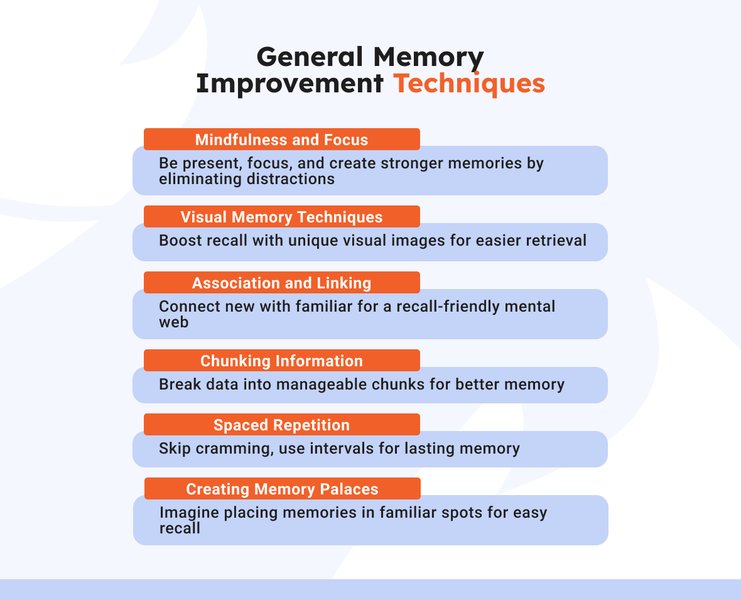
Visualizing connections and associations is key to many powerful memory techniques.
The Memory Palace (Method of Loci): Your Mental Blueprint
This ancient technique involves visualizing a familiar physical space, such as your house or a well-known route, and mentally "placing" items you want to remember at specific locations (loci) within that space. To recall the information, you mentally "walk" through your memory palace, retrieving each item as you encounter its location. This method is highly effective for remembering lists, speeches, and complex sequences, as it leverages our strong spatial memory capabilities. Competitive memorizers often rely heavily on this technique.
Chunking: Breaking Down Complexity
Chunking involves breaking down large pieces of information into smaller, more manageable units or "chunks." Our short-term memory has a limited capacity, typically around 7 (plus or minus 2) items. By grouping information—like a phone number (e.g., 555-123-4567 instead of 5551234567) or a long string of text—you make it easier for your brain to process and store. This "bottom-up" learning process reduces cognitive load and improves working memory capacity.
The Power of Active Recall and Spaced Repetition
These two learning strategies are scientifically proven to significantly enhance long-term memory.
Test Yourself: The Retrieval Practice Advantage
Active recall, or retrieval practice, involves actively trying to retrieve information from your memory rather than passively reviewing it (e.g., re-reading notes). Quizzing yourself, using flashcards, or trying to explain a concept from memory forces your brain to work harder, strengthening the neural pathways associated with that information.
Spacing Out Learning for Long-Term Gains
Spaced repetition involves reviewing information at increasing intervals over time. Instead of cramming information in one long session, distribute your study or practice sessions. For example, you might review material after a day, then a few days later, then a week later, and so on. This method combats the forgetting curve and helps transfer information from short-term to long-term memory more effectively.
Visualizing Memory Strategies: An Interconnected Web
Understanding how different memory improvement strategies relate to one another can provide a clearer picture of how to build a comprehensive approach. The following mindmap illustrates the key categories and techniques for enhancing memory.
This mindmap shows that improving memory isn't about a single trick, but rather a combination of active learning techniques and supportive lifestyle habits that work synergistically.
Comparing Key Memory Enhancement Techniques
Different memory techniques vary in their perceived effectiveness for recall and their ease of integration into daily life. The radar chart below offers a visual comparison of several prominent methods. This is an opinionated analysis based on general understanding, not hard data, where higher scores indicate greater perceived effectiveness or ease.
This chart illustrates that while some techniques like the Memory Palace are perceived as highly effective, they may require more effort to implement compared to foundational habits like quality sleep or simple techniques like chunking. A balanced approach, incorporating various strategies, is often the most beneficial.
Summary of Effective Memory Techniques
To provide a quick overview, the following table summarizes some of the most effective memory techniques, their descriptions, how they work, and practical examples.
| Technique | Description | How it Works | Example |
|---|---|---|---|
| Mnemonic Devices | Memory aids using patterns, letters, ideas, or associations. | Transforms abstract information into a more concrete and memorable format. | Using "ROY G. BIV" to remember the colors of the rainbow (Red, Orange, Yellow, Green, Blue, Indigo, Violet). |
| Memory Palace (Method of Loci) | Associating items to be remembered with specific locations in a familiar place. | Leverages strong spatial memory by creating a mental journey. | Mentally placing items from a shopping list in different rooms of your house. |
| Chunking | Breaking down large pieces of information into smaller, manageable units. | Reduces cognitive load, making it easier for working memory to process. | Remembering a phone number as 123-456-7890 instead of 1234567890. |
| Visualization | Creating vivid mental images to represent information. | Connects abstract concepts to concrete images, making them stickier. | To remember to buy eggs, visualize a giant egg rolling down your street. |
| Active Recall (Retrieval Practice) | Actively retrieving information from memory rather than passively reviewing it. | Strengthens neural pathways associated with the memory. | Using flashcards or trying to explain a concept without looking at notes. |
| Spaced Repetition | Reviewing information at increasing intervals over time. | Combats the forgetting curve and enhances long-term retention. | Studying new vocabulary words on day 1, then day 3, day 7, day 16, etc. |
Lifestyle Adjustments for a Sharper Mind
Your daily habits play a significant role in your brain's ability to form and retain memories. Optimizing these areas can provide a solid foundation for memory improvement.
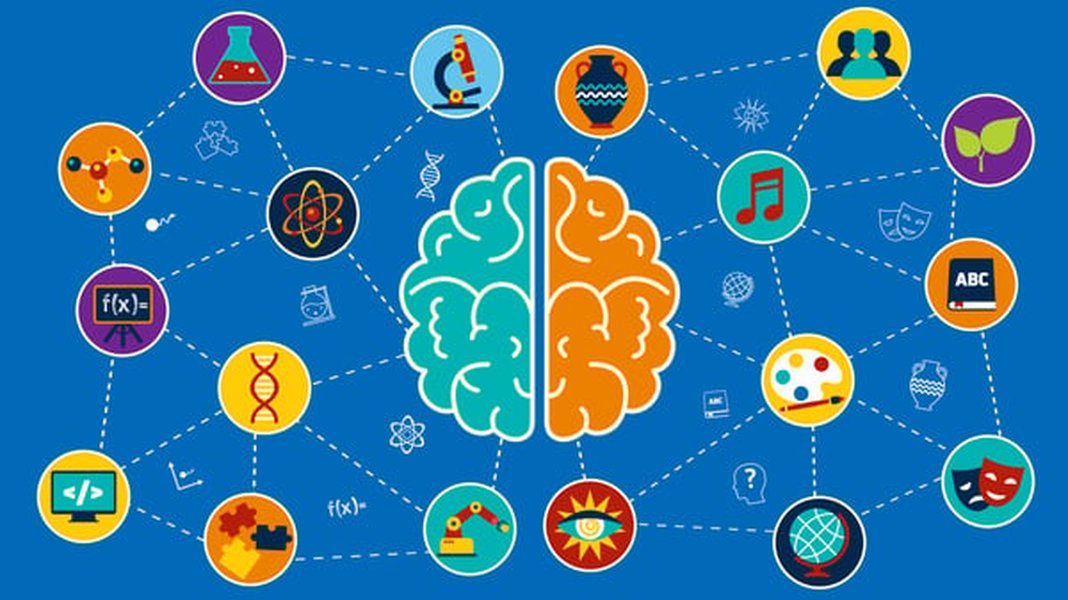
A healthy lifestyle directly contributes to better brain function and memory.
Fueling Your Brain: Diet and Nutrition
A balanced diet rich in brain-boosting nutrients is crucial. Focus on:
- Omega-3 Fatty Acids: Found in fatty fish (salmon, mackerel), flaxseeds, and walnuts, these are vital for brain health.
- Antioxidants: Present in colorful fruits and vegetables (berries, spinach, kale), antioxidants protect brain cells from damage.
- Vitamins and Minerals: B vitamins, Vitamin D, E, and K, and minerals like magnesium and zinc support cognitive functions.
- Limit Unhealthy Foods: Reduce intake of added sugars, refined carbohydrates, and unhealthy fats, which can impair memory and cognitive function.
The Crucial Role of Sleep in Memory Consolidation
Adequate sleep is non-negotiable for good memory. During sleep, particularly deep sleep and REM stages, the brain consolidates memories, transferring them from the hippocampus (short-term storage) to the neocortex (long-term storage). Aim for 7-9 hours of quality sleep per night. Sleep deprivation can severely impair memory formation and recall.
Get Moving: Physical Activity and Brain Health
Regular exercise increases blood flow to the brain, promotes the growth of new neurons (neurogenesis), and releases chemicals that enhance brain health. Aim for at least 150 minutes of moderate-intensity aerobic exercise per week, or 75 minutes of vigorous-intensity exercise, along with muscle-strengthening activities. Even a brisk daily walk can make a difference.
Keep Your Mind Engaged: Mental Stimulation
The brain, like any muscle, benefits from regular workouts. Engage in mentally stimulating activities such as:
- Puzzles (crosswords, Sudoku, jigsaw puzzles)
- Brain-training apps and games
- Learning a new skill (musical instrument, language)
- Reading widely and engaging in thoughtful discussions
- Strategic games like chess or bridge
Managing Stress and Practicing Mindfulness
Chronic stress can damage brain cells and impair memory. Techniques like mindfulness meditation, yoga, deep breathing exercises, and spending time in nature can help manage stress levels. Mindfulness, in particular, can improve focus and attention, which are essential for encoding new memories.
Foundational Principles for Effective Memorization
Beyond specific techniques and lifestyle changes, certain underlying principles govern how effectively we learn and remember.
The Importance of Focused Attention
You can't remember what you don't pay attention to. Many instances of "forgetting" are actually failures of encoding due to lack of focus. Minimize distractions when learning new information. Actively observe and engage with the material.
Understanding Before Memorizing
Information that is understood is far easier to remember than information memorized by rote. Try to grasp the meaning and context of what you're learning. Connect new information to what you already know. This creates a richer network of associations in your brain.
Engaging Multiple Senses
The more senses you involve in the learning process, the stronger the memory trace. For example, reading information aloud (auditory), writing it down (kinesthetic), and visualizing it (visual) can create more robust memories than simply reading silently.
Verbalization: Saying it Aloud
Reading information aloud or explaining it to yourself can improve retention. The act of speaking and hearing the information adds another layer of processing. Stating actions as you do them, like "I am putting my keys on the counter," can also create clearer memories for everyday tasks.
Teaching Others to Solidify Knowledge
Explaining a concept to someone else forces you to organize your thoughts, clarify your understanding, and retrieve the information actively. This process, known as the "protégé effect," is a powerful way to deepen your own learning and memory.
Dive Deeper: Science-Based Memory Tools
For a comprehensive exploration of the mechanisms behind memory and how to leverage science-based tools for improvement, the following video offers valuable insights. It delves into how different types of memories are established and provides actionable advice.
This video discusses various scientific approaches to understanding and enhancing memory.
When to Seek Professional Advice
While these tricks and lifestyle changes can significantly improve memory for most people, it's important to recognize when memory issues might warrant professional attention. If you experience sudden or significant memory loss, or if memory problems interfere with daily activities and seem to be worsening, consult a healthcare provider. They can assess your situation, rule out underlying medical conditions, and offer appropriate guidance or treatment.
Frequently Asked Questions (FAQ)
How quickly can I see improvements in my memory?
The timeframe for seeing memory improvements varies from person to person and depends on the consistency and type of techniques used. Some simple techniques like chunking or focused attention can yield immediate benefits for specific tasks. More complex methods like the Memory Palace or benefits from lifestyle changes (e.g., better sleep, exercise) may take a few weeks to months of consistent practice to show noticeable, sustained improvements.
Are "brain training" games and apps effective for memory improvement?
Brain training games and apps can be engaging and may improve performance on the specific tasks within the games. However, the extent to which these improvements generalize to broader cognitive abilities and everyday memory tasks is still a subject of ongoing research. While they can be a fun way to keep your mind active, they should be part of a broader strategy that includes other proven memory techniques and lifestyle changes.
Can these techniques help with age-related memory decline?
Yes, many of these techniques and lifestyle adjustments can be beneficial in mitigating normal age-related memory decline. Staying mentally active, engaging in physical exercise, maintaining a healthy diet, getting enough sleep, and managing stress are particularly important for preserving cognitive function as we age. Learning and regularly using memory strategies can also help compensate for some age-related changes.
Is it better to focus on one memory technique or use multiple?
A combination of techniques is often most effective. Different strategies are suited for different types of information and learning styles. For example, the Memory Palace might be excellent for lists, while spaced repetition is ideal for long-term retention of facts. Experiment with various methods to find what works best for you and the specific memory challenges you face. Integrating these with healthy lifestyle habits creates a powerful synergistic effect.
Recommended Further Exploration
- How does the Memory Palace technique specifically enhance spatial memory for lists?
- What are the neurological benefits of spaced repetition for long-term learning?
- Which types of physical exercise show the most significant impact on cognitive function and memory?
- Can learning a new language effectively delay or prevent age-related cognitive decline?
References
Last updated May 16, 2025