
Unleash Your Courage: The Science-Backed Blueprint to Conquer Any Fear
Discover proven psychological techniques that transform paralyzing fears into stepping stones for personal growth
Essential Strategies for Conquering Fear
- Gradual exposure to feared situations is the most scientifically validated approach to overcoming fears
- Cognitive reframing techniques help transform limiting thought patterns that perpetuate fear
- Mindfulness and relaxation practices provide powerful tools to manage the physiological symptoms of fear
Fear is a natural survival mechanism that has protected humans throughout evolution. However, when fear becomes excessive or irrational, it can significantly limit personal growth and quality of life. The good news is that psychological research has identified numerous effective strategies for conquering fears of all types—from specific phobias to broader anxieties about failure or rejection.
By understanding the psychology behind fear and implementing proven techniques, you can transform your relationship with fear from one of avoidance to one of acceptance and growth. Let's explore the most effective methods for conquering any fear.
Understanding the Psychology of Fear
Before tackling fear, it's essential to understand what's happening in your mind and body. Fear activates your brain's amygdala, triggering the "fight-or-flight" response that floods your system with stress hormones like adrenaline and cortisol. This biological reaction creates physical sensations such as increased heart rate, rapid breathing, and muscle tension.
The Three Components of Fear
Fear consists of three interconnected elements:
- Cognitive: The thoughts and beliefs about the feared object or situation
- Physiological: The physical sensations experienced during fear
- Behavioral: The actions taken in response to fear (typically avoidance)
Effective fear-conquering strategies address all three components, creating a comprehensive approach to overcoming any fear.
Self-Created vs. Legitimate Fears
An important distinction in conquering fear is recognizing whether your fears are self-created or legitimate. Many fears exist primarily in our imagination, created through anticipation of what might happen rather than what's likely to happen. Identifying self-created fears allows you to challenge their validity and reduce their power over you.
The Science-Backed Methods to Conquer Any Fear
1. Identify and Understand Your Fear
Name Your Fear Specifically
The first step in conquering fear is precisely identifying what you're afraid of. Vague awareness of fear makes it difficult to address. Write down your specific fear, including what triggers it and how it manifests in your thoughts, feelings, and behaviors.
Analyze the Origins of Your Fear
Understanding where your fear originated can help demystify it. Many fears develop from negative past experiences, misinformation, or observed reactions from others. Recognizing these origins helps you separate rational concerns from irrational fears.
2. Exposure Therapy: Face Your Fears Gradually
Create a Fear Hierarchy
Develop a graduated list of fear-inducing situations, ranking them from least to most frightening. This "fear ladder" provides a structured approach to facing your fears incrementally.
Practice Systematic Desensitization
Begin with the least frightening scenario on your hierarchy, staying in that situation until your anxiety significantly decreases. Only then move to the next level. This gradual exposure helps your brain learn that the feared situation isn't actually dangerous.
| Exposure Type | Description | Best For | Example |
|---|---|---|---|
| Imaginal Exposure | Vividly imagining the feared situation | Initial stages; severe fears | Visualizing giving a speech for public speaking fear |
| Virtual Reality Exposure | Using VR technology to simulate feared scenarios | Phobias; situational fears | VR flying simulation for fear of flying |
| In Vivo Exposure | Direct real-life confrontation with feared stimulus | Most effective for lasting change | Actually speaking in front of small groups |
| Interoceptive Exposure | Inducing feared physical sensations | Panic disorder; health anxiety | Spinning to induce dizziness for panic fear |
3. Cognitive Restructuring: Challenge Fear-Based Thoughts
Identify Cognitive Distortions
Recognize irrational thought patterns that fuel your fear, such as catastrophizing (assuming the worst possible outcome), fortune-telling (predicting negative outcomes), or black-and-white thinking (seeing situations as all good or all bad).
Test the Evidence
Challenge fear-based thoughts by examining the evidence for and against them. Ask yourself: "What's the actual likelihood of this feared outcome happening?" and "Have I survived similar situations before?"
4. Mindfulness and Relaxation Techniques
Deep Breathing Exercises
Practice diaphragmatic breathing (breathing deeply into your abdomen rather than shallowly into your chest) to activate your parasympathetic nervous system and reduce the physiological symptoms of fear.
Progressive Muscle Relaxation
Systematically tense and release different muscle groups to reduce physical tension associated with fear and anxiety.
Mindfulness Meditation
Cultivate present-moment awareness by observing your thoughts and feelings without judgment. This practice helps you recognize fear as a temporary state rather than an inherent part of you.
Visual Analysis of Fear Management Techniques
The following radar chart illustrates how different fear management approaches perform across key dimensions, helping you identify which methods might be most effective for your specific situation.
As the chart indicates, exposure therapy shows particularly strong long-term effectiveness and scientific validation, while mindfulness practices excel in ease of implementation and self-directed potential. Medication offers rapid results but has limited self-directed potential. Your optimal approach may involve combining methods based on your specific needs and circumstances.
The Comprehensive Fear Conquering Framework
The following mindmap illustrates how different fear-conquering techniques interconnect and can be combined for a holistic approach:
This mindmap demonstrates how a comprehensive approach to conquering fear involves multiple interconnected strategies. The most effective fear-conquering plans typically incorporate elements from several branches of this framework.
Advanced Strategies for Persistent Fears
1. Accept and Embrace Fear
Radical Acceptance
Instead of fighting against fear, practice accepting its presence without judgment. This paradoxical approach often reduces fear's intensity by removing the secondary struggle against the fear itself.
Use Fear as Motivation
Reframe fear as excitement or an indicator that you're pushing beyond your comfort zone. As Tony Robbins suggests, create a bigger fear of not taking action than the fear of the action itself.
In this insightful TEDx talk, Trevor Ragan explains how fear isn't something to "overcome" but rather to understand and work with. He presents compelling evidence that feeling fear often means you're doing something right—pushing beyond your comfort zone toward growth.
2. Professional Support
Cognitive-Behavioral Therapy (CBT)
CBT is a structured, evidence-based therapeutic approach that helps identify and change negative thought patterns and behaviors associated with fear. A trained therapist can provide personalized strategies for your specific fears.
Medication
For severe anxiety disorders, medication prescribed by a psychiatrist can help manage symptoms while you work on psychological strategies. Medications such as SSRIs or benzodiazepines may provide relief from debilitating fear symptoms.
3. Lifestyle Modifications
Physical Exercise
Regular aerobic exercise naturally reduces anxiety by releasing endorphins and reducing stress hormones. Even 20-30 minutes of moderate activity can have significant anti-anxiety effects.
Limit Stimulants
Reduce consumption of caffeine, alcohol, and other substances that can exacerbate anxiety symptoms. These substances can intensify the physical sensations associated with fear.
Visual Guide to Conquering Specific Fears

Adventure fears often respond well to gradual exposure in controlled environments before attempting the real experience.

Emotional fears like rejection or failure benefit from cognitive restructuring to challenge negative thought patterns.

Existential fears can be addressed through mindfulness practices that ground you in the present moment.
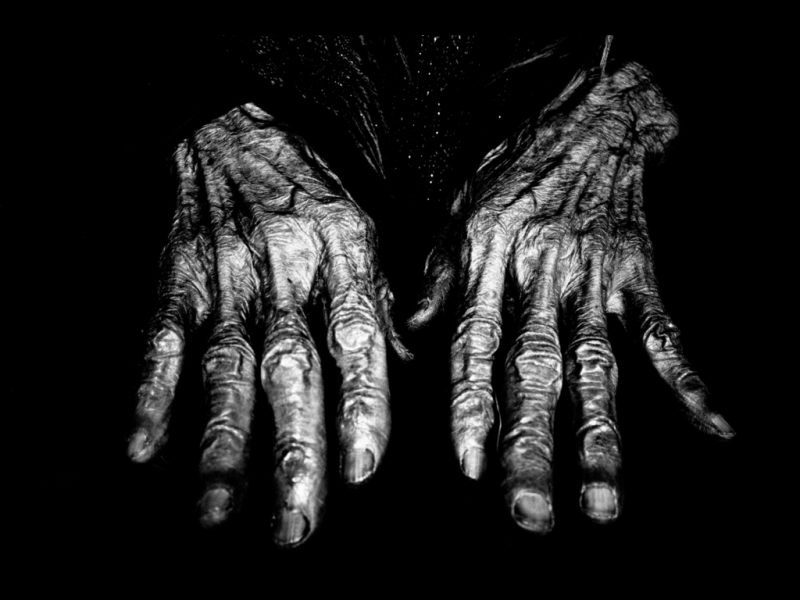
Performance fears respond well to preparation, mental rehearsal, and gradual exposure to increasingly challenging situations.
Common Questions About Conquering Fear
References
- 14 Ways To Conquer Fear - Forbes
- How to Conquer Fear: 4 Mental Tricks - Inc.com
- Tips for Overcoming Fear That You Create - Jack Canfield
- Facing your fears - Every Mind Matters - NHS
- How to manage fear and anxiety - Mental Health Foundation
- How to Overcome Fear: 10 Tips to Conquer Fear - Choosing Therapy
-
Overcome Your Fear, Get Unstuck, and Fuel Your Success - Brian Tracy
Recommended Explorations

Last updated April 4, 2025