
Unlock Financial Freedom: Master These Essential Money-Saving Strategies Today!
Discover practical and effective tips to bolster your savings, manage your expenses, and achieve your financial goals.
Key Takeaways: Your Quick Guide to Saving More
- Budgeting is Fundamental: Understanding your income and expenses through a detailed budget is the cornerstone of effective money management.
- Conscious Spending Transforms Finances: Making deliberate choices about purchases, distinguishing needs from wants, can drastically reduce unnecessary expenditures.
- Automate for Consistency: Setting up automatic transfers to your savings account ensures regular contributions, making saving effortless and consistent.
Foundations of Financial Well-being: Budgeting and Planning
Embarking on a journey to save money begins with a solid understanding of your financial landscape. Effective budgeting and planning are not just about restriction; they are about empowerment and control over your financial destiny.
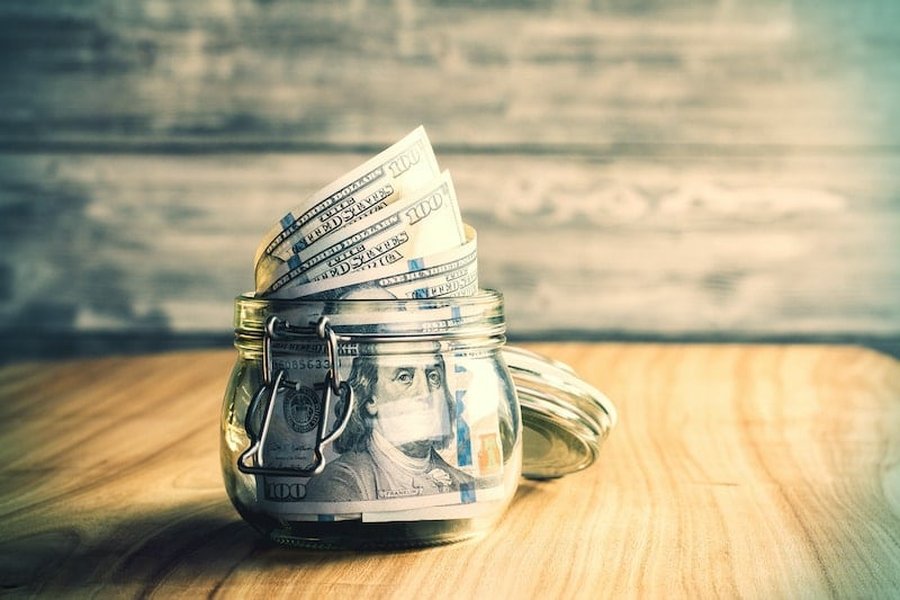
Visualizing savings goals, like with a dedicated fund jar, can significantly boost motivation.
The Power of a Budget: Charting Your Financial Course
A budget is your financial roadmap. It involves meticulously tracking your income and all your expenditures to gain a clear picture of where your money goes. This foundational step, highlighted by nearly all financial experts, allows you to identify areas where you can cut back and redirect funds towards your savings goals. Numerous apps and tools can simplify this process, making it easier to stay on top of your finances.
The 50/30/20 Rule: A Simple Framework for Allocation
A popular and effective budgeting guideline is the 50/30/20 rule. This framework suggests allocating your after-tax income as follows:
- 50% to Needs: Essentials like housing, utilities, groceries, transportation, and healthcare.
- 30% to Wants: Discretionary spending such as dining out, entertainment, hobbies, and shopping for non-essentials.
- 20% to Savings and Debt Repayment: Contributions to savings accounts, investments, emergency funds, and paying off debts (especially high-interest ones).
This rule provides a balanced approach to managing money, ensuring that you cover essentials, enjoy life, and build a secure financial future.
Setting Clear and Achievable Financial Goals
Saving money becomes much more effective when you have specific, measurable, achievable, relevant, and time-bound (SMART) goals. Whether it's a short-term goal like saving for a vacation or a new phone, or a long-term objective like a down payment on a house or retirement, clear targets provide motivation and direction. Write down your goals and regularly review them to stay focused.
Meticulous Expense Tracking: Know Where Your Money Goes
Complementing your budget, diligent expense tracking is crucial. This involves keeping a detailed record of all your purchases and bills. Modern budgeting apps can automate much of this by linking to your bank accounts and credit cards, categorizing transactions, and providing insights into your spending patterns. Even a simple notebook can work. This practice helps identify "spending leaks"—small, often unnoticed expenses that add up significantly over time, like daily coffees or impulse buys.
Cultivating Smart Spending Habits
Once you have a budget and are tracking your expenses, the next step is to cultivate spending habits that align with your savings goals. This involves making conscious decisions every time you spend money.
Mastering the Art of Grocery Shopping
Food expenses often constitute a significant portion of a household budget. Smart grocery shopping can lead to substantial savings:
- Meal Planning: Plan your meals for the week before you shop. This helps you buy only what you need and reduces food waste.
- Shopping Lists: Always shop with a list to avoid impulse purchases.
- Compare Unit Prices: Look at the price per unit (e.g., per ounce or per 100g) to find the best value, especially for items of different sizes.
- Buy in Bulk (Wisely): Purchase non-perishable items or frequently used goods in bulk when they are on sale, but only if you have storage and will use them before they expire.
- Avoid Shopping When Hungry: You're more likely to buy unplanned items when your stomach is rumbling.
- Consider Generic Brands: Store brands or generic versions of products are often cheaper than name brands and offer similar quality.
Strategic Purchases: Online and In-Store
Whether shopping online or in physical stores, a strategic approach can save you money:
- Price Comparison: Before making significant purchases, compare prices across different retailers and online platforms.
- Cashback and Rewards: Utilize cashback apps, websites, and credit card reward programs to get a percentage of your spending back.
- Sales and Discounts: Shop during seasonal sales events (e.g., Black Friday, end-of-season sales) for big-ticket items.
- The 24-Hour Rule: For non-essential purchases, wait 24 hours before buying. This "cooling-off" period helps you determine if it's a genuine need or an impulse.
- Use Discount Codes: Always search for coupon codes or promotional offers before checking out online.
Embracing Secondhand and DIY
Not everything needs to be brand new. Consider buying secondhand items like clothing, furniture, and books from thrift stores, consignment shops, or online marketplaces. Furthermore, adopting a do-it-yourself (DIY) approach for things like basic home repairs or making your own cleaning products (e.g., vinegar and water for glass, baking soda as a freshener) can also cut costs.
Slashing Everyday Expenses: Practical Cuts for Big Savings
Many recurring monthly expenses can be trimmed with a little effort, freeing up more money for your savings goals. Regularly reviewing these can yield surprising results.
Tackling Subscription Overload
In the age of streaming services, software subscriptions, and monthly boxes, it's easy to accumulate a hefty bill for services you barely use. Conduct a "subscription audit":
- List all your recurring subscriptions and their monthly costs.
- Cancel those you don't use regularly or don't provide significant value.
- For services you wish to keep, explore cheaper alternatives: family plans, student discounts, annual payment discounts, or ad-supported tiers.
Lowering Household Utility Bills
Energy and water consumption are major household expenses. Simple changes can lead to lower bills:
- Energy Efficiency: Switch to LED light bulbs, unplug electronics when not in use (or use smart power strips), and ensure your home is well-insulated.
- Thermostat Management: Lower your thermostat by a few degrees in winter and raise it in summer, especially when you're not home or sleeping.
- Water Conservation: Fix leaky faucets, take shorter showers, and only run the dishwasher and washing machine with full loads.
- Energy Provider Comparison: Periodically compare tariffs from different energy providers to ensure you're on the best deal.
Dining In and Packing Lunches
Eating out and buying takeaway lunches or coffees can drain your wallet faster than you realize. Prioritize cooking at home and meal prepping. Packing your lunch for work or school can save a significant amount of money each month. Brew your coffee at home instead of frequenting cafes.
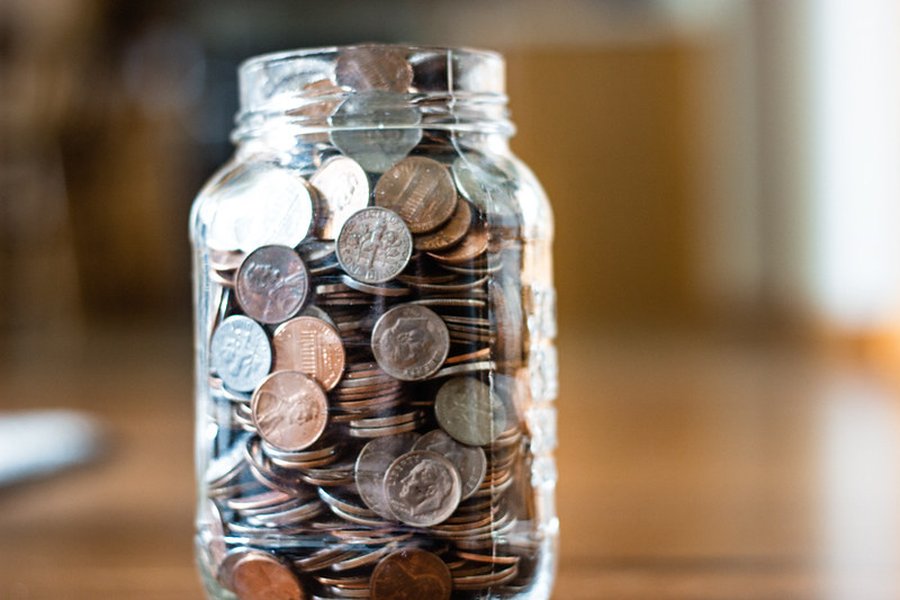
Small, consistent savings, like collecting loose change, can add up over time.
Strategic Savings and Financial Growth
Saving money isn't just about cutting expenses; it's also about making your money work for you and planning for future financial security.
Automate Your Savings: The "Pay Yourself First" Principle
One of the most effective saving strategies is to "pay yourself first." Set up automatic transfers from your checking account to your savings account on payday. By treating savings as a non-negotiable expense, you ensure consistent contributions before you have a chance to spend the money elsewhere.
Building a Robust Emergency Fund
An emergency fund is a crucial safety net to cover unexpected expenses like medical bills, car repairs, or job loss, without derailing your financial goals or forcing you into debt. Aim to save at least three to six months' worth of essential living expenses in an easily accessible, high-yield savings account.
Leverage High-Yield Savings Accounts
Don't let your savings sit idle in a low-interest account. Explore high-yield savings accounts (HYSAs) offered by online banks and credit unions. These accounts typically offer significantly better interest rates than traditional savings accounts, allowing your money to grow faster.
Tackling High-Interest Debt Strategically
High-interest debt, such as credit card balances or payday loans, can be a major drain on your finances. Prioritize paying off these debts as quickly as possible. The money saved on interest payments can then be redirected towards your savings goals. Consider strategies like the debt snowball or debt avalanche method.
Engage in Savings Challenges
Savings challenges can make the process more engaging and help build good habits. Examples include:
- The 52-Week Challenge: Save $1 in week one, $2 in week two, and so on, accumulating $1,378 by the end of the year.
- No-Spend Months (or Weeks): Commit to a period where you only spend money on absolute necessities.
- Loose Change Jar: Collect all your loose change in a jar and deposit it periodically into your savings account.
Visualizing Savings Strategies: A Comparative Look
Different money-saving strategies vary in terms of their impact, ease of implementation, and sustainability. The radar chart below offers a visual comparison of some popular techniques, rated on a scale where higher values indicate a more positive assessment for that characteristic (e.g., higher 'Impact' means it saves more money; higher 'Ease of Implementation' means it's simpler to start). This is a subjective analysis to illustrate relative differences.
Note on 'Initial Effort Required': For this specific axis, a higher displayed data point on the chart actually represents lower effort (e.g., a score of 8 means less effort than a score of 4). The raw data is inverted for this characteristic to fit the "higher is better" visual convention of the radar chart for other characteristics.
Money-Saving Techniques: A Summary Table
To further clarify various approaches, the table below summarizes some key money-saving techniques, outlining their description, potential impact, and the general level of effort required.
| Technique | Description | Potential Impact | Effort Level |
|---|---|---|---|
| 50/30/20 Budget Rule | Allocating 50% of income to needs, 30% to wants, and 20% to savings/debt. | High (provides structure and ensures savings) | Medium (requires initial setup and discipline) |
| Automated Savings | Setting up automatic transfers to savings accounts on payday. | High (ensures consistent saving) | Low (once set up) |
| Meal Prepping | Preparing meals in advance at home to avoid expensive takeout. | Medium to High (reduces food costs significantly) | Medium (requires planning and cooking time) |
| Subscription Audit | Reviewing and canceling unused or unnecessary monthly subscriptions. | Low to Medium (depends on number of subscriptions) | Low (requires a one-time review) |
| No-Spend Challenge | Committing to a period (e.g., a week or month) of only essential spending. | Medium (can kickstart savings and reveal habits) | High (requires strong discipline) |
| Using Cashback & Rewards | Leveraging apps, websites, or credit cards that offer cashback or points on purchases. | Low to Medium (gradual savings over time) | Low (requires initial setup of accounts/apps) |
Interconnected World of Savings: A Mindmap View
Saving money is a multifaceted endeavor with various interconnected components. This mindmap illustrates how different areas of financial management contribute to the overall goal of increasing your savings. From foundational budgeting to daily habits and long-term strategies, each element plays a role.
(Meal Plan, Lists)"] id2b["Compare Prices & Seek Discounts"] id2c["Utilize Cashback & Rewards"] id2d["Delay Non-Essential Purchases (24hr rule)"] id2e["Buy Secondhand / DIY"] id3["Reducing Everyday Expenses"] id3a["Cut Unused Subscriptions"] id3b["Lower Utility Bills
(Energy, Water)"] id3c["Cook at Home / Pack Lunches"] id3d["Optimize Transportation Costs"] id4["Strategic Savings & Growth"] id4a["Automate Savings ('Pay Yourself First')"] id4b["Build an Emergency Fund"] id4c["Use High-Yield Savings Accounts"] id4d["Prioritize High-Interest Debt Repayment"] id4e["Participate in Savings Challenges"] id5["Lifestyle Adjustments"] id5a["Find Free/Low-Cost Entertainment
(Libraries, Parks)"] id5b["Mindful Consumption (Needs vs. Wants)"] id5c["Develop DIY Skills / Gardening"]
Visual Learning: Money-Saving Hacks in Action
Sometimes, seeing and hearing tips can provide new perspectives and motivation. The video below offers a range of practical money-saving hacks that can be implemented in daily life. It covers various frugal living tips that are designed to genuinely work and help you accumulate savings, which aligns well with the strategies discussed.
This video, "30 Money Saving Hacks That Actually Work in 2025" by Frugal Fit Mom, provides a variety of actionable tips. It emphasizes practical changes to daily routines and spending habits that can lead to significant savings over time. The advice often complements the core principles of budgeting, smart shopping, and reducing waste, offering viewers tangible examples of how to put these ideas into practice for better financial health in the current year.
Frequently Asked Questions (FAQ)
How much should I realistically aim to save each month?
A common guideline is the 50/30/20 rule, which suggests allocating 20% of your net income to savings and debt repayment. However, the "right" amount depends on your individual financial goals, income, expenses, and debt levels. Start with a percentage that feels achievable and gradually increase it as you become more comfortable with your budget. The most important thing is to be consistent.
What's the quickest way to identify areas where I can cut spending?
The quickest way is to meticulously track your expenses for a month. Review your bank and credit card statements, categorizing every purchase. You'll likely find "spending leaks" like unused subscriptions, frequent dining out, or impulse buys. Canceling unused subscriptions and reducing discretionary spending categories like entertainment or takeout are often the fastest ways to see immediate savings.
Are money-saving apps actually helpful, or just another distraction?
Money-saving apps can be very helpful tools for budgeting, tracking expenses, finding discounts, and automating savings. Many apps sync with your bank accounts to provide real-time insights into your spending. However, an app is only as effective as the user's commitment. Discipline and a willingness to act on the information provided by the app are key to their success. Choose an app that suits your needs and preferences.
Should I focus on saving money or paying off debt first?
This often depends on the interest rates of your debt. Generally, it's advisable to prioritize paying off high-interest debt (like credit cards or payday loans) because the interest accrued can negate any gains from savings. However, it's also wise to build a small emergency fund (e.g., $1,000 or one month's expenses) simultaneously, so you don't have to resort to debt for unexpected costs. Once high-interest debt is managed, you can allocate more towards savings and investments.
Recommended Further Exploration
To deepen your understanding and discover more tailored strategies, consider exploring these related queries:
- How to create a detailed personal budget from scratch?
- What are the most effective strategies for paying off high-interest credit card debt?
- Compare the best high-yield savings accounts available in 2025.
- How can I motivate myself to stick to my long-term financial goals?
References
This response was synthesized from a variety of expert sources. For further reading, please consult the following:
Last updated May 8, 2025