
Unlock Financial Freedom: Proven Money-Saving Strategies for 2025
Discover practical tips to cut expenses, build savings, and achieve your financial goals in 2025.
Key Money-Saving Highlights
- Create a Detailed Budget: Track income and expenses to identify areas for potential savings.
- Reduce Spending on Non-Essentials: Cut back on dining out, subscriptions, and impulse purchases to free up funds.
- Automate Your Savings: Set up automatic transfers to a high-yield savings account to ensure consistent savings.
Mastering the Art of Saving: Comprehensive Strategies
Saving money is a critical skill for achieving financial stability and reaching long-term goals. Whether you're aiming to build an emergency fund, pay off debt, invest for the future, or simply manage your daily expenses more effectively, adopting smart money-saving habits can make a significant difference. This guide explores a variety of proven strategies to help you save money in 2025, covering everything from budgeting and expense tracking to reducing spending and leveraging technology.
Laying the Foundation: Budgeting and Expense Tracking
Creating a budget is the cornerstone of any successful savings plan. A budget helps you understand where your money is going and identify areas where you can cut back. Start by tracking your income and expenses to get a clear picture of your cash flow.
Creating a Budget
- Track Your Spending: Monitor your income and expenditures to see where your money goes. Use budgeting apps or a simple spreadsheet to record your transactions.
- Compare Income to Expenses: Identify discrepancies between your income and expenses to prioritize your spending.
- Set Financial Goals: Define specific, measurable, achievable, relevant, and time-bound (SMART) goals to motivate your savings efforts. This could be saving for a down payment, vacation, or retirement.
- Prioritize Spending: Distinguish between needs and wants, allocating more funds to essential expenses and less to discretionary items.
- Regularly Review Your Budget: Adjust your budget as needed to adapt to changing circumstances and financial priorities.
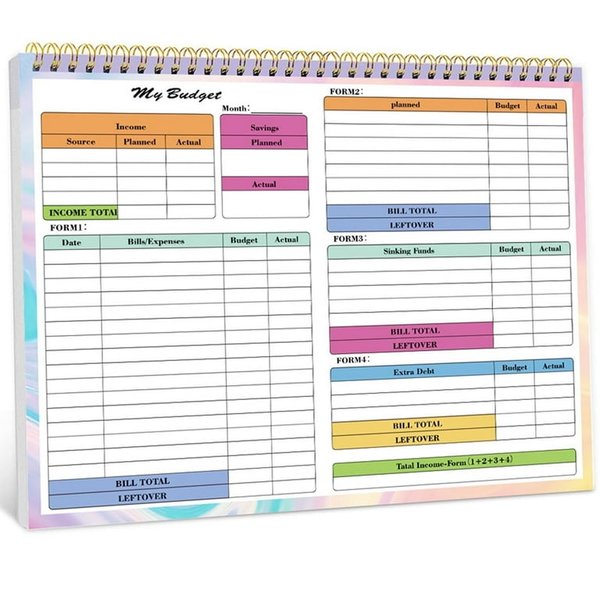
Budget Planner
Effective Expense Tracking Methods
- Budgeting Apps: Utilize apps like Mint, YNAB (You Need a Budget), or PocketGuard to automate expense tracking and gain insights into your spending habits.
- Budgeting Notebook: Record every expense in a notebook to maintain awareness of your spending.
- Bank Statements: Review bank and credit card statements regularly to identify spending patterns and potential areas for savings.
- Categorize Expenses: Group your expenses into categories such as housing, transportation, food, and entertainment to see where your money is going.
Cutting Costs: Practical Ways to Reduce Spending
Reducing your spending is a direct way to save money. Look for opportunities to cut back on both essential and non-essential expenses. Small changes can add up to significant savings over time.
Reducing Food Costs
- Plan Your Meals: Create a weekly meal plan to avoid impulse purchases and reduce food waste.
- Cook at Home: Prepare your own meals instead of eating out, which can save a significant amount of money.
- Shop Smart: Buy groceries in bulk, compare unit prices, and use coupons and cashback apps to get the best deals.
- Opt for Less Expensive Cuts of Meat: Choose cheaper protein sources like chicken thighs, pork shoulder, or plant-based alternatives.
- Avoid Food Waste: Use leftovers creatively and store food properly to prevent spoilage.
Lowering Transportation Expenses
- Batch Errands: Combine multiple errands into one trip to save on gas and time.
- Walk or Bike: Opt for walking or biking instead of driving for short distances to save on fuel and parking costs.
- Carpool: Share rides with colleagues or friends to reduce commuting expenses.
- Public Transportation: Use public transportation options such as buses, trains, or subways to save on gas and parking.
- Maintain Your Vehicle: Keep your car in good condition to improve fuel efficiency and avoid costly repairs.
Reducing Household Expenses
- Energy-Efficient Practices: Unplug electronics when not in use, switch to LED lighting, and invest in a programmable thermostat to cut heating and cooling costs.
- DIY Cleaning Products: Make your own cleaning products using inexpensive ingredients like vinegar and baking soda.
- Review Subscriptions: Cancel unused subscriptions and negotiate better rates for services you keep.
- Shop Around for Insurance: Compare quotes from different insurance providers to find the best rates for your needs.
- Lower Water Consumption: Take shorter showers, fix leaks promptly, and use water-efficient appliances to reduce your water bill.
Maximizing Savings: Leveraging Technology and Automation
Technology offers numerous tools and platforms to help you save money more efficiently. Automating your savings and using budgeting apps can streamline your financial management and ensure consistent progress toward your goals.
Automating Savings
- Set Up Automatic Transfers: Schedule regular transfers from your checking account to a high-yield savings account to ensure consistent savings.
- Use Round-Up Apps: Employ apps like Wisr that round up your purchases and add the spare change to your savings.
- Employer Retirement Plans: Take advantage of employer-sponsored retirement plans with automatic contributions to save for the future.
Utilizing Budgeting Apps
- Track Income and Expenses: Monitor your cash flow to identify areas for potential savings.
- Set Budget Limits: Establish spending limits for various categories to stay within your budget.
- Receive Alerts: Get notifications about overspending or unusual transactions.
- Analyze Spending Patterns: Gain insights into your spending habits to make informed financial decisions.
The History of Piggy Banks: Why Is the Pig Considered a Symbol for Saving Money
Smart Spending Habits: Making Informed Purchasing Decisions
Adopting smart spending habits can help you save money without sacrificing your quality of life. Prioritize value over price, avoid impulse purchases, and take advantage of discounts and rewards programs.
Prioritizing Value Over Price
- Choose Quality Over Quantity: Invest in higher-quality items that will last longer, reducing the need for frequent replacements.
- Research Before Buying: Read reviews and compare prices to ensure you're getting the best value for your money.
- Consider the Total Cost of Ownership: Factor in maintenance, repairs, and operating costs when evaluating the true cost of an item.
Avoiding Impulse Purchases
- Make a "To Buy" List: Create a list of items you need before going shopping and stick to it.
- Wait 30 Days: Delay non-essential purchases for 30 days to evaluate whether the item is truly necessary.
- Delete Shopping Apps: Remove shopping apps from your phone to reduce the temptation to make impulse purchases.
Leveraging Discounts and Rewards Programs
- Cashback Apps and Websites: Use apps like Rakuten or Ibotta to earn cashback on your purchases.
- Gas Rewards Programs: Join gas rewards programs to save money on fuel.
- Seasonal Sales: Shop during seasonal sales for the best deals.
- Secondhand Items: Buy used items when possible to save money and reduce waste.
The Power of Frugal Living: Embracing a Resourceful Lifestyle
Frugal living is about being resourceful and making intentional choices that align with your financial goals. It doesn't mean sacrificing happiness but rather finding creative ways to save money and appreciate the value of what you already have.
Frugal Food Tips
- Plan Your Meals in Advance: Create a weekly menu to avoid impulse purchases and reduce food waste.
- Opt for Less Expensive Cuts of Meat: Choose cheaper protein sources like chicken thighs, pork shoulder, or plant-based alternatives.
- Buy Store Brands and Generic Labels: Opt for generic brands, which are often just as good as name-brand products but cost less.
- Compare Unit Prices: Check the unit price to ensure you're getting the best deal.
Frugal Home Tips
-
DIY Repairs: Learn how to do basic home repairs yourself by watching tutorials on YouTube.
-
Energy Conservation: Implement energy-saving practices to lower your utility bills.
-
Repurpose Items: Find new uses for old items instead of throwing them away.
-
Declutter and Sell: Sell items you no longer need to make extra money.
Visualizing the Savings Journey: Budget Planners
Budget planners are more than just notebooks; they are visual roadmaps to your financial goals. They help you track income, manage expenses, and visualize your savings journey. Whether you prefer a physical planner or a digital app, the act of regularly reviewing your financial landscape can lead to better spending habits and increased savings.
The table below shows a comparison of different types of budgeting strategies.
| Strategy | Description | Pros | Cons |
|---|---|---|---|
| 50/30/20 Rule | Allocate 50% of income to needs, 30% to wants, and 20% to savings and debt repayment. | Simple, easy to follow, balances needs and wants. | May not be suitable for everyone, inflexible. |
| Zero-Based Budgeting | Allocate every dollar to a specific purpose, ensuring income minus expenses equals zero. | Highly detailed, provides clear overview of finances. | Time-consuming, requires strict discipline. |
| Envelope System | Use cash-filled envelopes for specific spending categories to control overspending. | Tangible, helps visualize spending, reduces reliance on credit. | Inconvenient, risk of losing cash, not suitable for online transactions. |
| Reverse Budgeting | Prioritize savings first, then allocate remaining income to other expenses. | Ensures consistent savings, simplifies budgeting process. | Requires high level of discipline, may require significant lifestyle adjustments. |
Choosing the right budgeting strategy and planner can make a significant difference in achieving your financial goals. Visualizing your progress and staying organized are key to building long-term financial health.
Frequently Asked Questions (FAQ)
What is the first step to saving money?
The first step is to create a budget by tracking your income and expenses to understand where your money is going.
How can I reduce my monthly expenses?
You can reduce monthly expenses by cutting back on non-essential spending, such as dining out, subscriptions, and impulse purchases. Also, look for ways to lower your utility bills and transportation costs.
What is the best way to automate my savings?
Set up automatic transfers from your checking account to a high-yield savings account and use round-up apps to save spare change effortlessly.
How important is it to set financial goals?
Setting financial goals is crucial because it provides motivation and direction for your savings efforts, making it easier to stay on track.
What are some frugal living tips for saving money?
Frugal living tips include planning meals, cooking at home, buying generic brands, doing DIY repairs, and repurposing items to save money.
References
Last updated April 16, 2025