
When is the Best Time to Start Collecting Social Security?
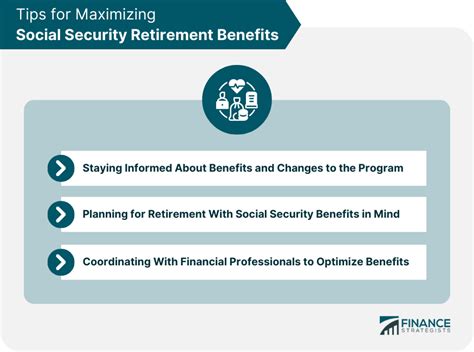
Deciding when to start collecting Social Security benefits is a crucial decision that can significantly impact your financial well-being during retirement. This decision depends on various factors, including your age, financial situation, health, and long-term retirement goals. Understanding these factors and how they interplay can help you make an informed choice that aligns with your individual circumstances.
Understanding Social Security Benefits
Social Security is a federal program designed to provide income to retirees, disabled individuals, and survivors of deceased workers. The amount you receive depends on your lifetime earnings, the age at which you begin to claim benefits, and the specific rules governing the program. Here's a detailed breakdown of the key age milestones and their implications:
Age 62: Early Retirement
You can begin collecting Social Security benefits as early as age 62. However, opting to retire at this age comes with a significant trade-off:
- Reduced Benefits: If you choose to start your benefits at 62, your monthly payment will be permanently reduced. For instance, in 2024, the maximum payout for someone retiring at full retirement age (FRA) is $3,822. Starting at age 62 could reduce this amount by approximately 30%, depending on your specific circumstances. This reduction occurs because Social Security calculates benefits based on the number of years you receive payments before reaching FRA.
- Longer Benefit Period: While the monthly payment is lower, retiring early means you'll receive benefits over a more extended period, which can be advantageous if you expect a longer lifespan.
- Immediate Financial Needs: Choosing to start benefits early may be necessary if you need the income to cover living expenses, pay off debt, or if you don't have sufficient savings to support yourself in retirement.
Full Retirement Age (FRA)
Your Full Retirement Age is the age at which you are eligible to receive 100% of your Social Security retirement benefits. FRA varies depending on your birth year:
- Individuals Born in 1960 or Later: The FRA is 67.
- Earlier Birth Years: For those born before 1960, FRA gradually increases up to 67, based on specific birth years. For example, someone born in 1955 has an FRA of 66 and 2 months.
Reaching FRA ensures that you receive your full calculated benefit amount, which can provide a stable and predictable income stream during retirement.
Age 70: Delayed Retirement
Delaying the start of your benefits until age 70 can significantly increase your monthly Social Security payment:
- Increased Benefits: For individuals born in 1943 or later, delaying benefits beyond FRA up to age 70 can result in an 8% annual increase in benefits. This means by waiting until 70, you could receive a substantially higher monthly payment compared to claiming at FRA or earlier.
- Maximizing Lifetime Benefits: If you expect to live well into your 80s or beyond, the increased monthly benefits can lead to greater total lifetime income, offsetting the later start date.
- Extended Employment: Delaying benefits until 70 may be feasible if you plan to continue working, allowing you to maintain or increase your income while your Social Security benefits grow.
Key Considerations for Timing Your Benefits
Choosing the optimal time to start collecting Social Security benefits requires a careful evaluation of several personal factors. Below are the critical considerations to guide your decision:
1. Cash Flow Needs
Your immediate financial needs play a significant role in determining the best time to start benefits. If you require additional income to cover expenses, debts, or unforeseen costs, starting benefits earlier, such as at age 62, might be necessary. On the other hand, if you have sufficient savings or other income sources, you might opt to delay benefits to maximize your monthly payments.
2. Health and Longevity
Your health status and family history can influence the optimal timing for claiming benefits:
- Good Health and Longevity: If you're in good health and have a family history of long lifespans, delaying benefits until age 70 can result in higher monthly payments, which may provide more financial security over a longer retirement period.
- Health Concerns: If you have health issues that may limit your lifespan, starting benefits earlier could ensure you receive benefits for a more extended period, even if the monthly amount is reduced.
- Life Expectancy: Analyzing your life expectancy can help determine whether the increased monthly benefits from delaying outweigh the reduced payments you'd receive by starting earlier.
3. Medicare Eligibility
Medicare eligibility begins at age 65, a crucial consideration if you're planning to retire around this time. Starting Social Security benefits at age 65 can align with Medicare enrollment, ensuring you have access to health insurance while receiving Social Security income. This coordination can provide comprehensive coverage and financial stability during retirement.
4. Employment Status and Income
If you plan to continue working after reaching retirement age, delaying Social Security benefits can be beneficial. Continued employment can result in higher earnings, which may increase your Social Security benefits if your earnings are above certain thresholds. Additionally, delaying benefits while working allows you to maximize your monthly payments once you choose to claim.
5. Spousal and Survivor Benefits
If you're married, coordinating your Social Security benefits with your spouse's can optimize your combined income. Spousal benefits allow you to receive up to 50% of your spouse's benefit, which can be advantageous if your earnings history is lower. Additionally, in the event of a spouse's death, survivor benefits can provide financial support, making it essential to consider how your claiming age affects these benefits.
6. Inflation and Cost-of-Living Adjustments (COLA)
Social Security benefits are subject to annual Cost-of-Living Adjustments (COLA), which help maintain the purchasing power of your benefits in the face of inflation. Delaying benefits can result in higher initial payments, which can compound over time with COLA, increasing your overall lifetime benefits.
Strategies for Maximizing Social Security Benefits
Several strategies can help you maximize your Social Security benefits, ensuring you receive the highest possible income during retirement:
1. Delayed Retirement Credits
Social Security offers Delayed Retirement Credits (DRCs) for individuals who postpone claiming benefits beyond their FRA. These credits increase your benefits by a certain percentage for each year you delay, up to age 70. By maximizing DRCs, you can achieve a higher monthly benefit that lasts throughout your retirement.
2. Coordinating with Spouses
Married couples can employ strategies to maximize their combined Social Security income:
- Claiming at Different Ages: One spouse can start benefits earlier while the other delays to take advantage of higher payments later.
- Survivor Benefits: Ensuring that at least one spouse maximizes their benefits can provide financial security for the surviving spouse.
- Spousal Benefits: Utilizing spousal benefits can optimize the total income without unnecessarily reducing either spouse's benefits.
3. Considerations for Early Retirement
If you choose to retire early, it's essential to:
- Assess Financial Needs: Ensure that you have sufficient income sources to cover the reduced Social Security benefits.
- Evaluate Longevity: Consider your health and family history to determine if early retirement aligns with your expected lifespan.
- Plan for Growth: Factor in potential future increases in benefits due to Cost-of-Living Adjustments.
4. Leveraging Work Credits
Maintaining employment and earning additional credits can increase your Social Security benefits. Your benefits are calculated based on your highest 35 years of earnings, so continuing to work or earning more in later years can replace lower-earning years, resulting in higher benefits.
Practical Steps to Determine the Best Time to Claim
To make an informed decision about when to start collecting Social Security benefits, consider the following practical steps:
1. Calculate Your Benefits
Use the Social Security Administration's (SSA) online tools to estimate your benefits at different ages. The SSA website offers calculators that take into account your earnings history and projected benefits based on various claiming ages. These tools can provide personalized estimates, helping you visualize the impact of different claiming strategies.
2. Assess Your Financial Needs
Evaluate your current financial situation, including savings, investments, debts, and other sources of income. Determine how much you need to cover your living expenses and whether starting benefits early or delaying is more beneficial based on your financial needs.
3. Consider Your Health and Family History
Reflect on your health status and family longevity. If you have a history of longevity in your family, delaying benefits might be advantageous. Conversely, if you have health concerns that might limit your lifespan, starting benefits earlier could ensure you receive more substantial support during your retirement years.
4. Consult with a Financial Advisor
A financial advisor specializing in retirement planning can offer personalized advice. They can help you analyze different scenarios, consider tax implications, and develop a strategy that aligns with your long-term financial goals.
5. Review Your Spousal Benefits
If you're married, coordinate your claiming strategy with your spouse. Understanding how each of you can maximize your combined benefits can lead to a more secure financial future.
6. Stay Informed About Policy Changes
Social Security policies can change, affecting benefits and eligibility. Stay updated with information from the SSA or consult with a financial professional to understand how potential policy changes might impact your benefits.
Pros and Cons of Different Claiming Ages
Each claiming age has its advantages and disadvantages. Understanding these can help you weigh your options effectively:
Claiming at Age 62
- Pros:
- Immediate access to benefits, providing financial support when needed.
- Longer period to receive benefits if you live well into retirement.
- Allows for early retirement and more personal time.
- Cons:
- Permanent reduction in monthly benefits.
- Lower lifetime benefits if you live longer than average.
- Potential tax implications if combined with other income sources.
Claiming at Full Retirement Age (67)
- Pros:
- Receive full calculated benefit without reductions.
- Balanced approach between monthly income and lifetime benefits.
- Eligibility for Medicare kicks in, ensuring health coverage.
- Cons:
- Delay gratification compared to claiming earlier.
- Benefits increase if you decide to delay beyond FRA.
Claiming at Age 70
- Pros:
- Maximum possible monthly benefits due to Delayed Retirement Credits.
- Higher benefits can be more beneficial if you have a longer life expectancy.
- Potential for increased lifetime benefits, offsetting later start.
- Cons:
-
Delayed access to benefits, which can impact early retirement plans.
-
Potentially lower lifetime benefits if lifespan is shorter than expected.
-
Requires continued employment or sufficient savings to cover expenses until age 70.
-
Additional Considerations
Beyond the primary factors, several additional considerations can influence the optimal time to start collecting Social Security benefits:
1. Impact of Working While Collecting Benefits
If you decide to continue working while receiving Social Security benefits before reaching FRA, your benefits may be temporarily reduced based on your earnings. However, once you reach FRA, your benefits are recalculated to remove any reductions, potentially increasing your monthly payments.
2. Tax Implications
Social Security benefits may be subject to federal income taxes depending on your total income. Understanding how your benefits interact with other income sources can help you plan for potential tax liabilities and optimize your retirement income strategy.
3. Survivor and Disability Benefits
Social Security also provides survivor and disability benefits. Planning your claiming strategy with these benefits in mind can ensure comprehensive financial protection for you and your dependents in various scenarios.
4. Inflation and Cost-of-Living Adjustments (COLA)
Social Security benefits are adjusted annually for inflation through COLA, which helps maintain the purchasing power of your benefits over time. By delaying benefits and receiving higher monthly payments, COLA can have a more substantial long-term impact on your income.
5. Estate Planning and Legacy Goals
Your Social Security claiming strategy can also influence your estate planning and legacy goals. Maximizing benefits can provide greater financial resources for inheritance or charitable contributions, aligning with your broader financial objectives.
Final Recommendations
Determining the best time to start collecting Social Security benefits is a highly personal decision that requires careful consideration of various factors. Here are some final recommendations to guide your decision-making process:
Ultimately, the best time to start collecting Social Security benefits is when it aligns with your unique financial situation, health status, and retirement goals. Careful planning and informed decision-making can help you maximize your benefits and enjoy a secure and fulfilling retirement.
Last updated January 2, 2025