
Unlocking Hawaii's Sweet Spot: When to Find Paradise Without the Price Tag
Discover the optimal moments for your Hawaiian getaway, balancing perfect weather, fewer crowds, and wallet-friendly rates.
Key Insights for Your Hawaiian Vacation
- Shoulder Seasons Reign Supreme: The months of April, May, September, and October consistently emerge as the best times to visit Hawaii, offering a harmonious blend of pleasant weather, reduced crowds, and more affordable travel costs.
- Hawaii's Dual Seasons: Understand that Hawaii experiences two primary seasons—summer (May-October) which is warmer and drier, and winter (November-April) which is slightly cooler and wetter, particularly on windward sides.
- Peak vs. Value: While summer (June-August) and winter holidays (mid-December to March) are peak travel times with excellent weather, they come with higher prices and significant crowds. For value, target the shoulder seasons.
Planning a vacation to Hawaii involves more than just picking a date; it's about aligning your preferences with the island's dynamic rhythms of weather, tourism, and cost. While Hawaii boasts a desirable tropical climate year-round, the "best" time to visit is subjective, depending heavily on what you prioritize: pristine weather, serene beaches, cultural immersion, specific activities, or budget-friendly travel. This comprehensive guide synthesizes expert insights to help you pinpoint the ideal window for your Hawaiian escape, ensuring an unforgettable experience tailored to your desires.
Decoding Hawaii's Climate: The Rhythm of Seasons
Hawaii's climate is characterized by two primary seasons, offering consistent warmth but distinct patterns in rainfall and temperature. Understanding these seasonal nuances is crucial for planning your trip.
The Summer Season (Kau): May to October
Known locally as "Kau," the summer season in Hawaii spans from May to October. This period is generally warmer and drier, making it highly appealing for beachgoers and outdoor enthusiasts. Average daytime temperatures comfortably range from 79°F to 89°F (26°C to 32°C). August typically marks the hottest month, with average temperatures around 81°F (27°C), sometimes even reaching into the 90s. The consistent presence of trade winds during these months provides cooling breezes, enhancing comfort. June, in particular, stands out for its excellent weather, featuring minimal rainfall, making it a prime month for enjoying Hawaii's natural beauty. Ocean temperatures are also warmer, ideal for swimming, snorkeling, and other water activities.
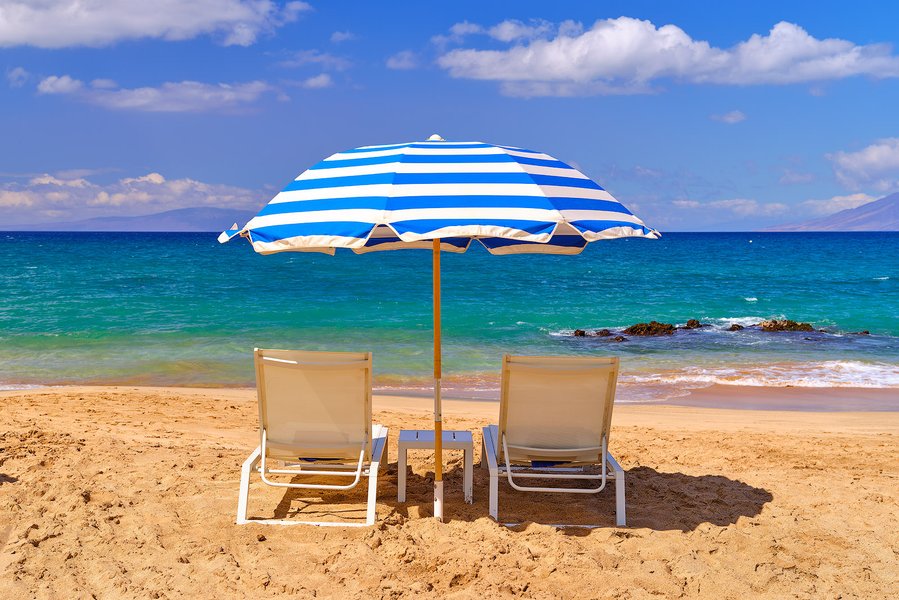
A serene beach scene in Maui, Hawaii, showcasing the calm, inviting waters typical of the summer months.
The Winter Season (Hooilo): November to April
Conversely, the "Hooilo" or winter season, running from November to April, brings slightly cooler temperatures and increased rainfall. The average daily temperature hovers around 78°F (26°C), with January often being the coldest month at an average of 73°F (23°C). While this is considered the "rainy season," it's important to note that showers are often localized and brief. This means you can frequently find a sunny spot nearby, even on a rainy day. Rain tends to be more prevalent on the windward (northeastern) sides of the islands. Despite the increased rainfall, the average sea temperature remains a comfortable 75°F (24°C), making it suitable for swimming. This period is also significant for wildlife, as it marks the peak whale-watching season.

Lush tropical gardens thrive in Hawaii, benefiting from the moisture provided during the winter months.
The Optimal Times: Shoulder Seasons for the Savvy Traveler
For most travelers seeking the best balance of pleasant weather, fewer crowds, and more favorable prices, the "shoulder seasons" are unequivocally the prime times to visit Hawaii.
Spring Shoulder Season: Mid-April to Mid-June
This window, particularly May, is often hailed as a "gem of a month." It offers dry and calm weather, serving as a delightful prelude to the high energy of summer. Early May presents a brief lull between spring breaks and the onset of summer vacations, making it ideal for those seeking tranquility. Flights and accommodations during this period are typically more affordable, and popular attractions are noticeably less crowded.
Fall Shoulder Season: September to Mid-December
September and October are consistently cited as excellent months for lighter crowds and continued good weather. September, in particular, is considered by some as the top month to visit Hawaii, offering warm conditions without the summer rush. Early December also provides a prime opportunity before the surge of Christmas and New Year holiday travelers. This period allows visitors to enjoy Hawaii's beauty with fewer visitors and potentially better deals on everything from airfare to rental cars.
The strategic timing of these shoulder seasons provides an ideal overall experience, characterized by lower statewide rates and a more relaxed atmosphere, enhancing the authenticity of your Hawaiian adventure.
Navigating Peak Seasons: Crowds and Costs
While Hawaii's peak seasons offer vibrant atmospheres and specific activity advantages, they come with the trade-off of higher costs and increased crowds. Understanding these periods helps manage expectations.
Summer Peak: Mid-June to End of August
This is Hawaii's busiest time, largely driven by families traveling during school breaks. July often sees the highest number of visitor arrivals. While the weather is consistently excellent—minimal rain and abundant sunshine—expect significantly higher prices for flights and accommodations. Beaches, popular attractions, and restaurants will also be more crowded. If your travel dates are restricted to summer, book well in advance to secure reasonable rates and preferred options.
Winter Holiday Peak: Mid-December to March
The period from mid-December through March, especially the last two weeks of December and the first week of January, is Hawaii's "high" travel season. This influx is largely due to "snowbirds" escaping colder climates. During this time, hotels and flights are often booked to capacity, and vacation rental prices soar. While it coincides with the prime whale-watching season and offers a festive atmosphere, be prepared for increased costs and crowded venues.
Activities and Interests: Tailoring Your Visit
Beyond general seasonality, specific activities and interests might dictate the optimal time for your Hawaiian vacation.
Whale Watching Extravaganza
The peak season for observing majestic humpback whales, which migrate from Alaska's colder waters to Hawaii to breed and calve, is from January through March. The broader whale season extends from November through May, offering ample opportunities for sightings. Maui, Molokai, and Lanai are particularly renowned for their prime whale-watching experiences.
Surfing: From Novice to Pro
Surfing conditions in Hawaii vary significantly by season and island. For experienced surfers seeking massive swells, the winter months (December to March) on the North Shore of Oahu are legendary. Conversely, summer offers smaller, gentler waves, making it ideal for beginners looking to learn. August brings calm oceans to the northern shores, perfect for activities like snorkeling, paddleboarding, and boat tours.
Cultural Festivals and Events
Hawaii hosts a vibrant array of cultural festivals throughout the year. The Honolulu Festival in March promotes cultural understanding with the Pacific Rim. October welcomes the Hawaii International Film Festival. Other notable events include Duke’s OceanFest and the Made in Hawaii Festival in August. Lunar New Year celebrations typically fall between mid-January and mid-February, depending on the lunar calendar.
Hiking and Outdoor Adventures
Hiking and other outdoor activities can be enjoyed year-round. However, the spring and fall shoulder months provide pleasant temperatures and fewer crowds, making them ideal for exploring Hawaii's diverse landscapes, from lush rainforests to volcanic terrains.
Understanding Hawaii's Tourism Landscape: A Mindmap
The following mindmap illustrates the various factors influencing the "best time" to visit Hawaii, highlighting the interconnectedness of seasons, crowd levels, and costs. It helps visualize how different preferences align with specific periods throughout the year.
Warmer & Drier"] June["June: Excellent Weather, Little Rain"] August["August: Hottest Month"] Winter["Winter (Nov-Apr)
Cooler & Wetter"] January["January: Coolest Month, Peak Whale Watching"] Rainfall["Localized, Brief Showers"] Crowds["Crowd Levels"] PeakSeasons["Peak Tourist Seasons"] SummerPeak["Mid-June to August: Families, School Break"] WinterHoliday["Mid-Dec to March: Holiday Rush, Snowbirds"] ShoulderSeasons["Shoulder Seasons: Fewer Crowds"] SpringShoulder["April to Mid-June"] FallShoulder["Sept to Mid-Dec"] Costs["Budget & Prices"] HighCosts["High Costs"] PeakDemand["Peak Demand (Summer, Holidays)"] LowerRates["Lower Rates"] OffSeason["Shoulder Months (April, May, Sept, Oct)"] TaxIncrease["Transient Accommodations Tax (TAT) Increase (Jan 2026)"] Activities["Specific Activities"] WhaleWatching["Whale Watching: Jan-Mar Peak (Nov-May Overall)"] Surfing["Surfing: Winter for Big Waves (North Shore), Summer for Beginners"] Hiking["Hiking: Year-Round, Best in Shoulder Seasons"] Festivals["Cultural Events: Throughout Year (e.g., Honolulu Festival March)"] Microclimates["Island Microclimates"] Leeward["Leeward Sides (South/West): Drier, Sunnier"] Windward["Windward Sides (North/East): Wetter"]
This mindmap visually consolidates the key considerations, illustrating how weather, crowds, costs, and specific activities intertwine to define the ideal travel period. For instance, while winter is great for whale watching, it's also a peak season with higher costs, whereas shoulder seasons offer a more balanced experience.
A Deep Dive into Seasonal Travel Characteristics
To further refine your decision, let's look at a comparative analysis of Hawaii's travel characteristics across different periods.
| Period | Weather Conditions | Crowd Levels | Typical Costs | Recommended Activities |
|---|---|---|---|---|
| Mid-April to Mid-June (Spring Shoulder) | Warm, dry, calm; excellent weather, minimal rain. | Low to moderate; lull before summer rush. | Lower rates for flights and accommodations. | Beach activities, hiking, snorkeling, general sightseeing. |
| Mid-June to August (Summer Peak) | Warmest, driest, consistent sunshine; perfect beach weather. | Highest; peak family travel. | Highest rates for flights and accommodations. | Beach activities, summer festivals, family vacations. |
| September to Mid-December (Fall Shoulder) | Warm, pleasant; transition to drier patterns, fewer showers. | Low to moderate; after summer rush, before holiday rush. | Lower rates for flights and accommodations. | Hiking, water sports, exploring without crowds, cultural events. |
| Mid-December to March (Winter Peak) | Cooler, wetter, especially on windward sides; variable weather. | High; "snowbirds" escaping cold. | Highest rates during holidays. | Whale watching, experienced surfing (North Shore), escaping winter. |
| November (Transition) | Increasing rain, cooler; start of whale season. | Moderate. | Moderate, potential deals before holiday surge. | Whale watching, surfing, general relaxation. |
This table offers a snapshot of what to expect, making it easier to match your travel priorities with the right time of year. For instance, if avoiding crowds and saving money are paramount, the shoulder seasons clearly stand out.
Assessing Your Hawaiian Vacation Priorities
To help you decide the "best" time, consider ranking your preferences. The following radar chart visually compares different travel periods based on common vacation priorities, offering an opinionated analysis to guide your choice.
This radar chart provides a visual representation of how different travel periods score across key vacation priorities on a scale of 1 to 10 (higher is better). For instance, "Weather Quality" and "Family Friendliness" are high during summer, but "Affordability" and "Crowd Levels" are significantly lower. Conversely, shoulder seasons excel in "Affordability" and "Crowd Levels" while maintaining strong "Weather Quality." This can help you quickly identify the period that best aligns with your personal travel goals.
Important Considerations for Your Trip
Microclimates and Localization of Weather
It's crucial to remember that Hawaii's weather can vary significantly by island and even within an island, thanks to its unique microclimates. The leeward sides (south and west coasts) are typically drier and sunnier, while the windward sides (north and east coasts) tend to be wetter. Even during the "rainy season," showers are often short-lived and localized, meaning a brief downpour in one area might be quickly followed by sunshine, or a short drive will lead you to clear skies.
Upcoming Tax Increases
Travelers planning future trips should be aware of a slight increase in Hawaii's Transient Accommodations Tax (TAT). Starting January 1, 2026, the TAT will rise by 0.75% (from 10.25% to 11%). When combined with county lodging taxes and the General Excise Tax, visitors will pay approximately 19% total tax on accommodations, making it one of the highest rates in the nation. Booking earlier, especially for trips before this date, could potentially result in minor cost savings.
Visualizing Your Hawaiian Dream
Sometimes, seeing is believing. This video offers visual insights into Hawaii's climate and optimal travel times, providing a more dynamic perspective to aid your planning.
This video, titled "The Best Time to Visit Hawaii | Best Weather, Smallest Crowds...", provides a detailed breakdown of the optimal months to travel to Hawaii, offering visual cues and practical advice on navigating weather patterns, crowd levels, and pricing to maximize your vacation experience. It emphasizes the concept of finding the "sweet spot" for a Hawaiian getaway.
The video delves deeper into monthly weather patterns and crowd dynamics, reinforcing the insights discussed above. It highlights why certain months are more desirable than others, especially for those looking to avoid peak tourist surges while still enjoying excellent weather.
Frequently Asked Questions (FAQ)
What months have the best weather in Hawaii?
When are crowds lowest in Hawaii?
When is Hawaii most expensive?
When is the best time for whale watching in Hawaii?
Is it always hot in Hawaii?
Conclusion
Choosing the "best" time to vacation in Hawaii ultimately hinges on your personal preferences and priorities. For an ideal blend of excellent weather, fewer crowds, and more favorable prices, the shoulder seasons—specifically April, May, September, and October—stand out as the prime windows. These months offer a serene yet vibrant experience, allowing you to immerse yourself in Hawaii's natural beauty without the overwhelming bustle of peak tourism. However, if your focus is on specific activities like whale watching or experiencing the lively atmosphere of peak holidays, Hawaii offers a fantastic experience year-round. By considering the seasonal climate, crowd dynamics, and cost implications, you can strategically plan a Hawaiian getaway that perfectly aligns with your vision of paradise.
Recommended Further Exploration
- Which Hawaiian islands are best to visit during specific months?
- What are the best budget travel tips for Hawaii during the off-season?
- What cultural festivals and events are happening in Hawaii throughout the year?
- What are the best activities to do in Hawaii during each season?